
Paint Production Calcite (Calcium Carbonate, CaCO3) is the most widely used functional filler and extender in the global coatings industry. In modern paint manufacturing, it has evolved from a simple “volume-increasing” additive into a high-tech component that dictates the opacity, durability, and rheology of the final product.
1. Key Functional Roles
-
Extender Pigment: Calcite is used to partially replace expensive pigments like Titanium Dioxide ($TiO_2$). Its high brightness and refractive index help maintain whiteness while significantly lowering the cost per gallon/liter.
-
Gloss & Sheen Control: By varying the particle size (from ultra-fine to coarse), manufacturers can precisely control the finish of the paint—ranging from high-gloss to “dead matte.”
-
pH Buffering: As a natural alkaline mineral, calcite helps stabilize the pH of water-based paints, preventing the corrosion of metal containers and ensuring the long-term stability of the resin emulsion.
2. Performance Enhancements
-
Mechanical Strength: The inclusion of crystalline calcite improves “scrub-resistance” and film hardness, making the paint more resistant to wear and tear in high-traffic architectural environments.
-
Weatherability: For exterior coatings, high-purity calcite (such as your Sparkling White variety) provides UV resistance and prevents the “chalking” effect caused by environmental degradation.
-
Anti-Settling: Specially treated Non-Sticky Calcite ensures that pigments remain suspended in the liquid and do not form a hard “cake” at the bottom of the can during storage.
Filter by brand

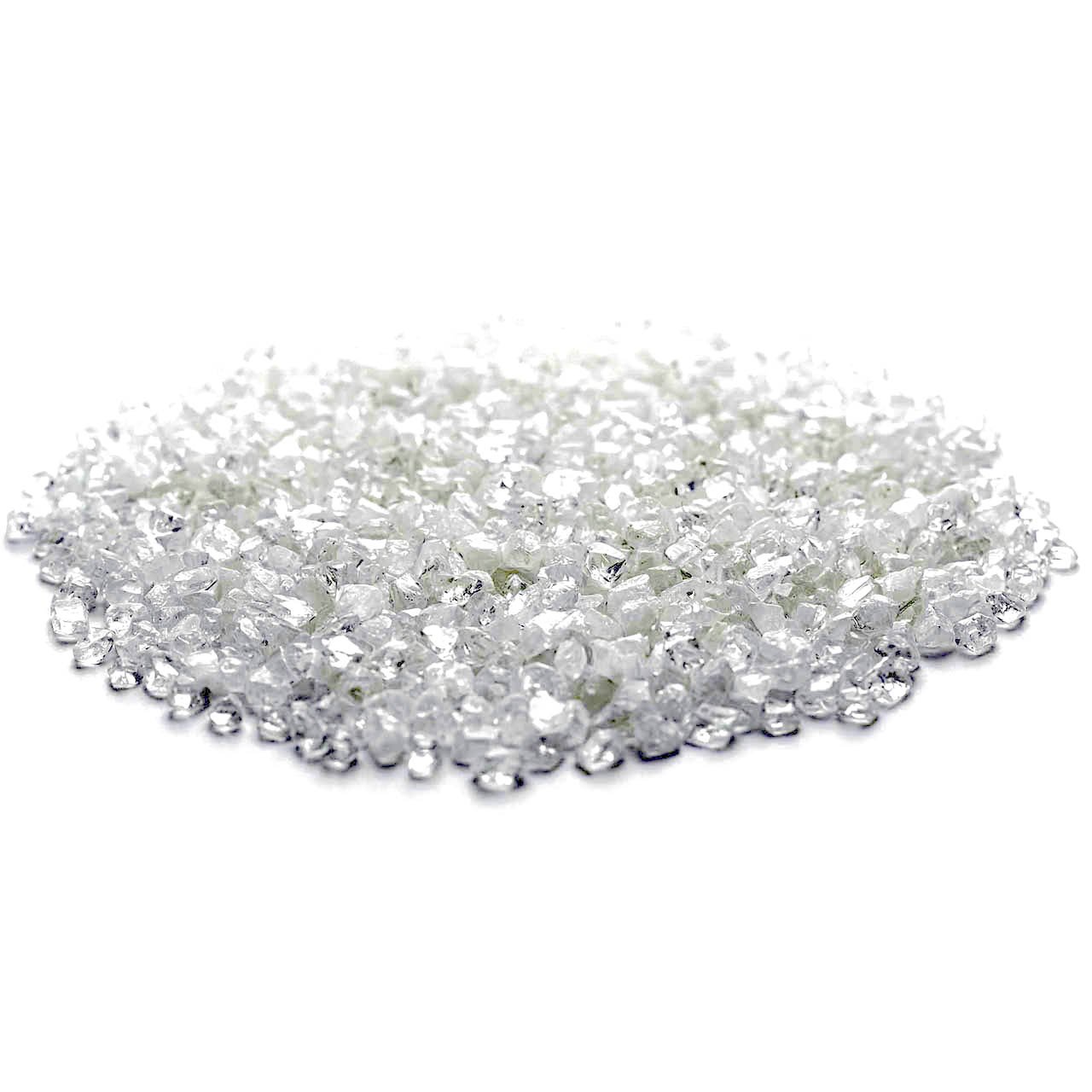
Calcite Miamivit Calcium Carbonate 1200-3000 Microns
Miamivit Premium Crystal Calcite (1200-3000 Micron) – Luxury Beach and Aquarium Sand
Miamivit 1200-3000 micron calcite, obtained from the purest deposits analyzed in the laboratories of Afyon Kocatepe University by Yükselen Marble, combines aesthetics and functionality. This coarse-grained "crystal sand" exhibits unique performance, especially in areas where it comes into contact with water and on surfaces exposed to sunlight.
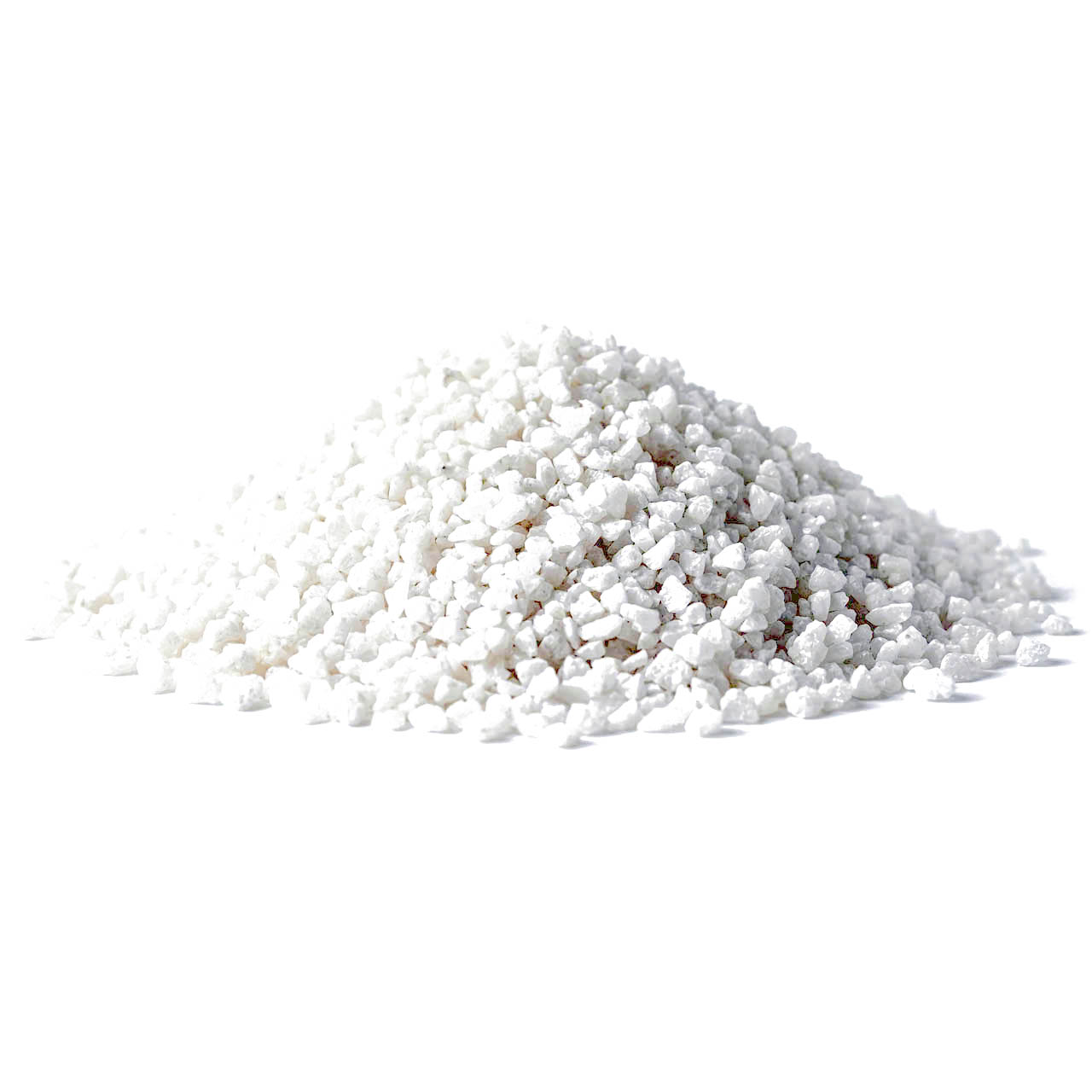
Calcite Miamivit Calcium Carbonate 400-1200 Microns
Miamivit Premium Medium Grade Calcite (400-1200 Microns) – Decorative and Industrial Solution
Yükselen Marble's Miamivit 400-1200 micron calcite, certified by laboratory reports approved by Afyon Kocatepe University, is neither as fine as dust nor as coarse as gravel. With its ideal particle structure, it is indispensable for both aesthetic projects and construction chemicals.
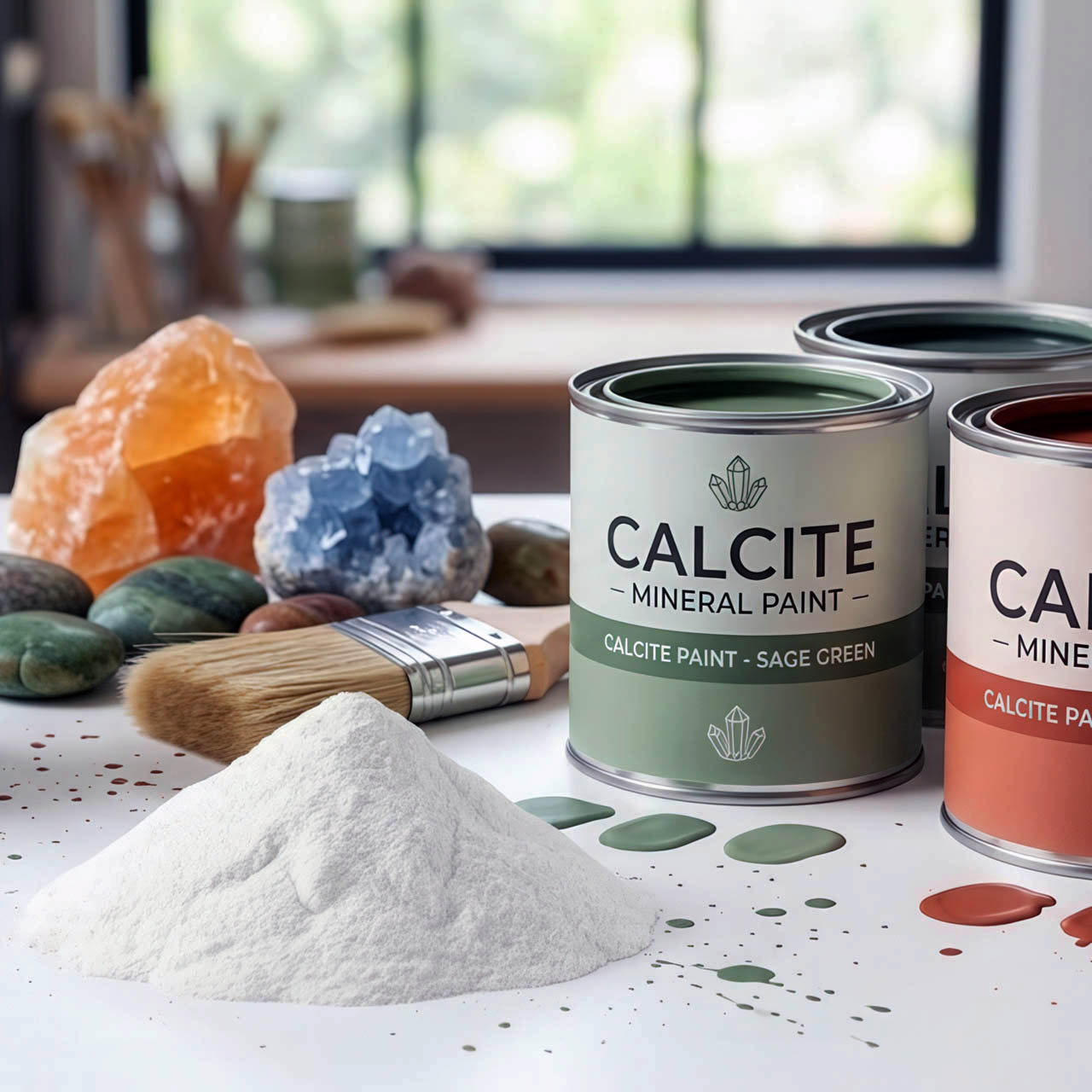
Calcite Miamivit Calcium Carbonate 0-400 Microns
Yükselen Marble Miamivit Premium Calcite and Calcium Carbonate Series
Produced with rising Marble quality, Miamivit calcite products offer the most natural solution for both your industrial projects and living spaces with their high purity rate of 99.11% and versatile applications. Combining the power of nature with technical excellence, Miamivit products are now available with special packaging options to suit every need!