
Sealing is a vital maintenance step for natural marble, designed to protect its porous structure from liquid penetration and staining. Since marble is a “breathable” calcium-based stone, an invisible chemical barrier is applied to fill the microscopic voids (pores) without altering the stone’s natural color or texture.
How it Works
-
Impregnating Sealers: Unlike topical coatings (like wax), modern marble sealers are “sub-surface.” They sink into the stone and repel liquids from the inside out, allowing moisture vapor to escape while preventing oils and water-based pigments from settling in.
-
The “Beading” Effect: A properly sealed marble surface will cause liquids to bead on top rather than soaking in, providing a “window of time” to wipe up spills before a permanent stain forms.
Strategic Importance for Different Varieties
| Marble Feature | Why Sealing is Critical |
| Wine-Red (e.g., Rosso Laguna) | Prevents dark pigments from being dulled by absorbed contaminants, keeping the “blood-red” tones vibrant. |
| High-Purity Calcite | Protects the bright, translucent quality from “clouding” caused by deep-set moisture. |
| Sandblasted Finish | Because sandblasting opens the pores more than polishing, a high-quality sealer is mandatory to prevent dirt from becoming trapped in the texture. |
Key Considerations
-
Acid Resistance (Etching): It is a common misconception that sealers prevent etching. Sealers protect against stains (color changes), but they cannot protect the calcium carbonate in marble from reacting (dulling/eating away) when it touches acids like lemon, vinegar, or harsh cleaners.
-
Frequency: Depending on usage, marble typically requires re-sealing every 6 to 12 months for high-traffic areas (like vanities) and less frequently for vertical wall cladding.
-
Laminate Advantage: In ultra-thin laminate marble, the resin-based backing often provides an airtight seal from the rear, meaning only the front face requires traditional chemical sealing.
In BIM-managed projects, sealing schedules are often included in the facility management data to ensure the longevity of the stone throughout the building’s lifecycle.
Filter by brand

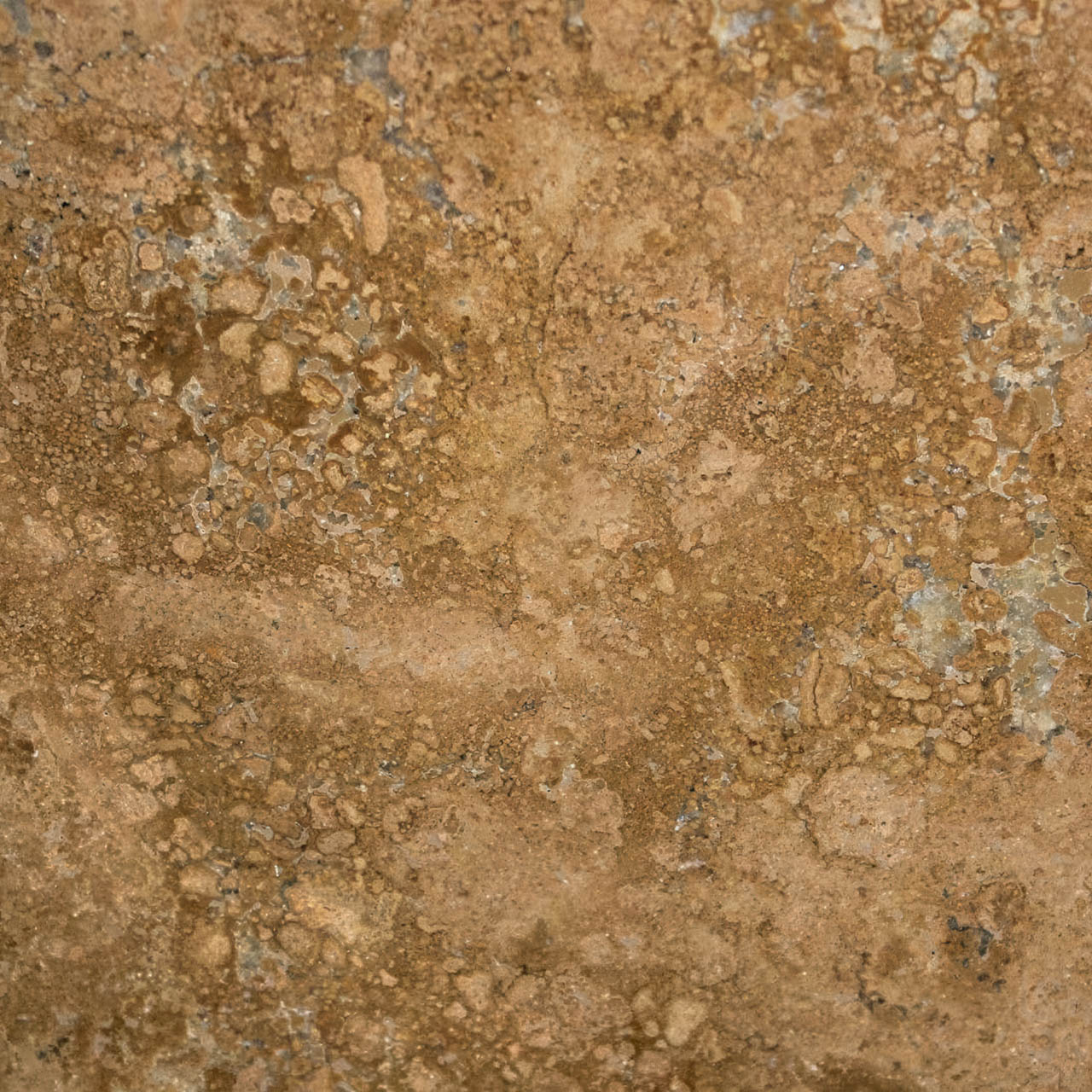
Noche Travertine Marble Block Marble
Noche Travertine Marble: Timeless Depth for Modern Architecture
Noche Travertine is the premier choice for designers seeking to infuse spaces with warmth, character, and a sense of history. Characterized by its deep, earthy chocolate tones and rich coffee hues, this natural stone offers a sophisticated alternative to lighter travertines, providing a bold foundation for both classic and contemporary aesthetics.
Noche Travertine Marble Laminate Marble
Noche Travertine Marble: Timeless Depth for Modern Architecture
Noche Travertine is the premier choice for designers seeking to infuse spaces with warmth, character, and a sense of history. Characterized by its deep, earthy chocolate tones and rich coffee hues, this natural stone offers a sophisticated alternative to lighter travertines, providing a bold foundation for both classic and contemporary aesthetics.
Noche Travertine Marble Mosaic Marble
Noche Travertine Mosaics: Timeless Depth in Intricate Detail
Noche Travertine is the premier choice for designers seeking to infuse spaces with warmth, character, and a profound sense of history. Characterized by its deep, earthy chocolate tones and rich coffee hues, transforming this natural sedimentary stone into precision-cut mosaic tiles provides a bold, highly textural foundation for both classic and contemporary aesthetics. It offers a sophisticated, intricate alternative to lighter travertines, grounding any interior with its dark, organic palette.
Noche Travertine Marble Slab Marble
Noche Travertine Marble: Timeless Depth for Modern Architecture
Noche Travertine is the premier choice for designers seeking to infuse spaces with warmth, character, and a sense of history. Characterized by its deep, earthy chocolate tones and rich coffee hues, this natural stone offers a sophisticated alternative to lighter travertines, providing a bold foundation for both classic and contemporary aesthetics.
Noche Travertine Marble Tile Marble
Noche Travertine Tiles: Timeless Depth for Modern Architecture
Noche Travertine tiles are the premier choice for designers and architects seeking to infuse spaces with warmth, character, and a profound sense of history. Characterized by deep, earthy chocolate tones and rich coffee hues, these natural stone tiles offer a sophisticated, high-contrast alternative to lighter travertines, providing a bold foundation for both classic physical builds and high-fidelity digital architectural models.

Rosso Laguna Marble Block Marble
Rosso Laguna Marble: The Art of Dramatic Stone
Captured in the deep, rhythmic pulses of Turkish quarries, Rosso Laguna Marble is more than just a surface—it is a masterpiece of geological history. Characterized by its intense, wine-red background and striking white-to-grey veining, this marble offers a bold aesthetic that commands attention in any architectural setting.
Whether you are looking for classic slab flooring or cutting-edge ultralight cladding, our Rosso Laguna collection combines raw natural beauty with precision engineering.
Rosso Laguna Marble Laminate Marble
Rosso Laguna Marble: The Art of Dramatic Stone
Captured in the deep, rhythmic pulses of Turkish quarries, Rosso Laguna Marble is more than just a surface—it is a masterpiece of geological history. Characterized by its intense, wine-red background and striking white-to-grey veining, this marble offers a bold aesthetic that commands attention in any architectural setting.
Whether you are looking for classic slab flooring or cutting-edge ultralight cladding, our Rosso Laguna collection combines raw natural beauty with precision engineering.
Rosso Laguna Marble Mosaic Marble
Rosso Laguna Marble Mosaics: The Art of Intricate, Dramatic Stone
Captured in the deep, rhythmic pulses of Turkish quarries, Rosso Laguna Marble is a masterpiece of geological history. Characterized by its intense, wine-red background and striking white-to-grey veining, transforming this marble into precision-cut mosaic tiles provides a highly detailed, geometric canvas. It offers a bold, textural aesthetic that commands attention, making it the perfect choice for spaces that demand both drama and intricate craftsmanship.
Rosso Laguna Marble Slab Marble
Rosso Laguna Marble: The Art of Dramatic Stone
Captured in the deep, rhythmic pulses of Turkish quarries, Rosso Laguna Marble is more than just a surface—it is a masterpiece of geological history. Characterized by its intense, wine-red background and striking white-to-grey veining, this marble offers a bold aesthetic that commands attention in any architectural setting.
Whether you are looking for classic slab flooring or cutting-edge ultralight cladding, our Rosso Laguna collection combines raw natural beauty with precision engineering.
Rosso Laguna Marble Tile Marble
Rosso Laguna Marble Tiles: The Art of Dramatic Stone
Captured in the deep, rhythmic pulses of Turkish quarries, Rosso Laguna marble tiles are more than just a surface—they are a masterpiece of geological history. Characterized by an intense, wine-red background and striking white-to-grey veining, these tiles offer a bold aesthetic that commands attention in any architectural setting.