
Substrate compatibility refers to the ability of marble—particularly in its ultra-thin laminate form—to be successfully bonded to various structural base materials. Because natural stone is rigid and chemically reactive, achieving a stable bond with a substrate is essential to prevent delamination, cracking, or “shadowing” over time.
Common Substrate Pairings
The choice of substrate depends on the mechanical requirements of the project:
-
Aluminum Honeycomb: Offers the highest compatibility for large-format wall panels and elevator interiors due to its extreme rigidity and thermal stability.
-
Fiberglass/Carbon Fiber: Best for ultra-thin profiles (0.5 mm – 1 mm) where slight flexibility is required for curved surfaces.
-
Ceramic/Porcelain: Ideal for flooring applications; the stone veneer is bonded to a rigid tile base to increase impact resistance.
-
Glass/Acrylic: Used specifically for translucent marbles like Ushak White to allow for backlighting.
Key Technical Factors
| Factor | Importance for Compatibility |
| Coefficient of Thermal Expansion | The stone and substrate must expand and contract at similar rates to avoid warping in changing temperatures. |
| Adhesive Chemistry | High-performance epoxy or polyurethane resins are used to “bridge” the stone to the substrate, ensuring a permanent mechanical anchor. |
| Porosity & Suction | The substrate must be prepared to ensure the adhesive penetrates both the stone’s micro-pores and the backing material. |
| Moisture Barrier | A compatible substrate (like aluminum) acts as a rear seal, preventing moisture from the wall (alkali attack) from reaching the marble face. |
Strategic Design Impact
-
Renovations: High substrate compatibility allows ultra-thin marble to be installed directly over existing substrates like old tile, wood, or metal, eliminating the need for costly demolition.
-
Furniture Integration: Compatibility with lightweight cores allows marble to be used as a veneer on MDF or honeycomb furniture panels, enabling “all-stone” aesthetics for cabinetry and tables.
-
BIM Modeling: In 3D BIM catalogs, substrate data is critical for detailing how the stone assembly attaches to the building’s primary structure (the “fixing system”), ensuring long-term safety and performance.
By selecting the correct substrate, designers can deploy premium stones like Rosso Laguna in environments where traditional, heavy marble would be structurally impossible.
Filter by brand

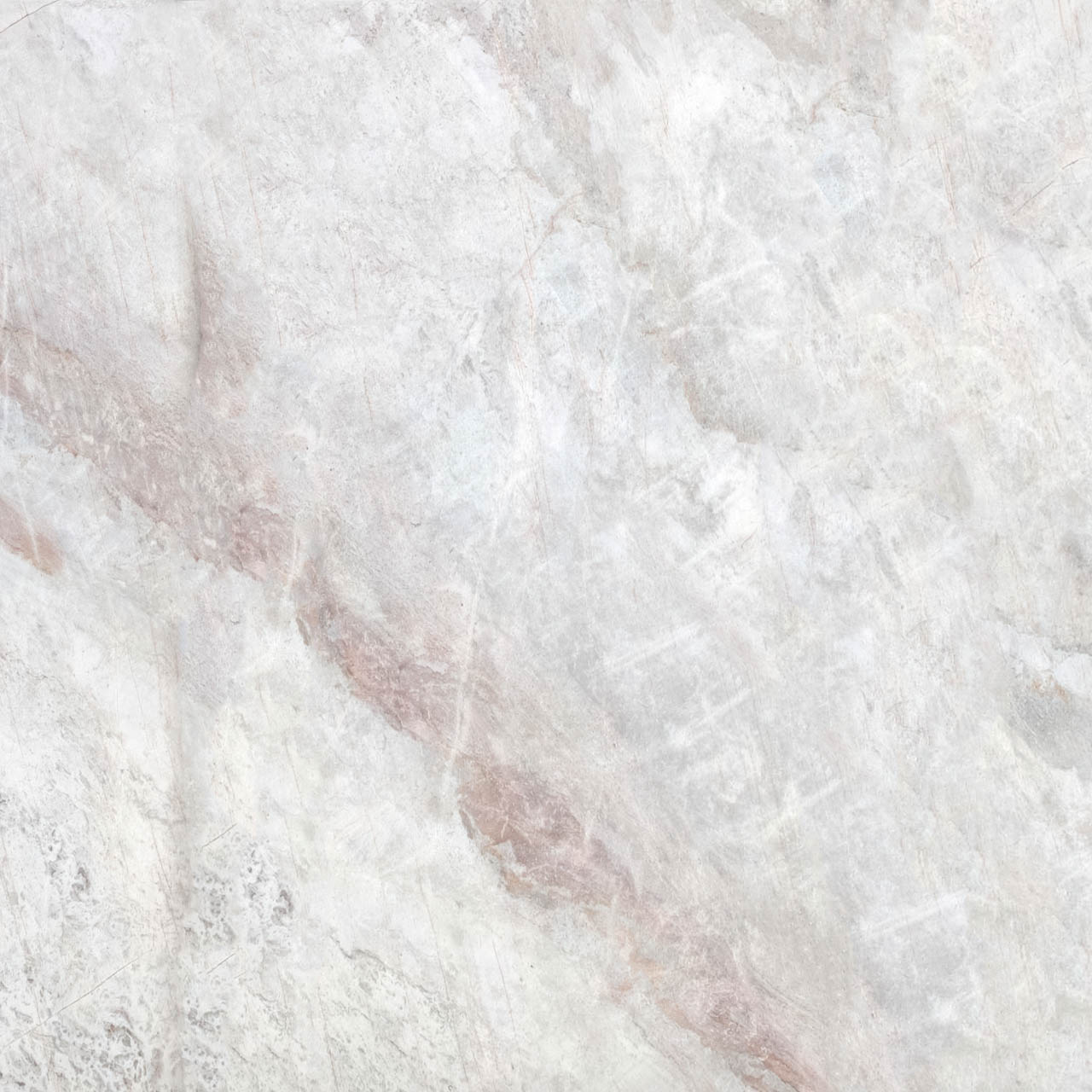
Mylasa Silver Dolomite Marble Block Marble
Elevate Your Design with Mylasa Silver Dolomite Marble: The Pinnacle of Natural Sophistication
Experience the timeless allure of Mylasa Silver Dolomite, a premium natural stone that seamlessly blends ethereal aesthetics with industrial-grade durability. Sourced from the heart of Turkey, this dolomite is celebrated for its soft, silvery-grey undertones and delicate veining, making it a favorite among architects and high-end interior designers.
Mylasa Silver Dolomite Marble Laminate Marble
Elevate Your Design with Mylasa Silver Dolomite Marble: The Pinnacle of Natural Sophistication
Experience the timeless allure of Mylasa Silver Dolomite, a premium natural stone that seamlessly blends ethereal aesthetics with industrial-grade durability. Sourced from the heart of Turkey, this dolomite is celebrated for its soft, silvery-grey undertones and delicate veining, making it a favorite among architects and high-end interior designers.
Mylasa Silver Dolomite Marble Mosaic Marble
Mylasa Silver Dolomite Mosaics: The Pinnacle of Intricate Natural Sophistication
Experience the timeless allure of Mylasa Silver Dolomite, a premium natural stone that seamlessly blends ethereal aesthetics with industrial-grade durability. Sourced from the heart of Turkey, this dolomite is celebrated for its soft, silvery-grey undertones and delicate veining. Transformed into precision-cut mosaic tiles, it provides a highly detailed, geometric canvas that is a favorite among architects and high-end interior designers.
Mylasa Silver Dolomite Marble Slab Marble
Elevate Your Design with Mylasa Silver Dolomite Marble: The Pinnacle of Natural Sophistication
Experience the timeless allure of Mylasa Silver Dolomite, a premium natural stone that seamlessly blends ethereal aesthetics with industrial-grade durability. Sourced from the heart of Turkey, this dolomite is celebrated for its soft, silvery-grey undertones and delicate veining, making it a favorite among architects and high-end interior designers.
Mylasa Silver Dolomite Marble Tile Marble
Elevate Your Design with Mylasa Silver Dolomite Marble Tiles: The Pinnacle of Natural Sophistication
Experience the timeless allure of Mylasa Silver Dolomite tiles, a premium natural stone that seamlessly blends ethereal aesthetics with industrial-grade durability. Sourced from the heart of Turkey, this dolomite is celebrated for its soft, silvery-grey undertones and delicate veining, making it a favorite among architects and high-end interior designers.

Ushak White Marble Block Marble
Ushak White Marble: The Epitome of Timeless Elegance
Ushak White marble is a masterclass in understated luxury. Known for its soft, cloud-like veining and a luminous white base that captures light beautifully, this natural stone is a staple for those seeking a clean, sophisticated aesthetic. Whether you are designing a high-end residential kitchen or a sprawling commercial lobby, Ushak White offers a versatile palette that complements both classic and ultra-modern interiors.
Ushak White Marble Laminate Marble
Ushak White Marble: The Epitome of Timeless Elegance
Ushak White marble is a masterclass in understated luxury. Known for its soft, cloud-like veining and a luminous white base that captures light beautifully, this natural stone is a staple for those seeking a clean, sophisticated aesthetic. Whether you are designing a high-end residential kitchen or a sprawling commercial lobby, Ushak White offers a versatile palette that complements both classic and ultra-modern interiors.
Ushak White Marble Mosaic Marble
Ushak White Marble Mosaics: The Epitome of Intricate, Timeless Elegance
Ushak White marble mosaics offer a masterclass in understated luxury. Known for their soft, cloud-like veining and a luminous white base that captures light beautifully, transforming this natural stone into precision-cut mosaic tiles provides a highly detailed, geometric canvas. It is a staple for those seeking a clean, sophisticated aesthetic, offering a versatile palette that flawlessly complements both classic and ultra-modern interiors.
Ushak White Marble Slab Marble
Ushak White Marble: The Epitome of Timeless Elegance
Ushak White marble is a masterclass in understated luxury. Known for its soft, cloud-like veining and a luminous white base that captures light beautifully, this natural stone is a staple for those seeking a clean, sophisticated aesthetic. Whether you are designing a high-end residential kitchen or a sprawling commercial lobby, Ushak White offers a versatile palette that complements both classic and ultra-modern interiors.
Ushak White Marble Tile Marble
Ushak White Marble Tiles: The Epitome of Timeless Elegance
Ushak White marble tiles are a masterclass in understated luxury. Known for their soft, cloud-like veining and a luminous white base that captures light beautifully, these natural stone tiles are a staple for those seeking a clean, sophisticated aesthetic.