
Thermal efficiency in marble refers to the material’s ability to regulate temperature, specifically through its thermal mass and thermal conductivity. While natural stone is a dense conductor, modern engineered laminates transform marble into an efficient thermal barrier, making it a strategic choice for energy-conscious architecture in both extreme heat (UAE/Texas) and cold climates.
The Thermal Advantage of Composites
In high-performance builds, thermal efficiency is achieved by combining the stone’s natural properties with insulating substrates:
-
Thermal Mass: Solid marble has high “thermal inertia,” meaning it absorbs heat slowly during the day and releases it at night. This naturally stabilizes indoor temperatures.
-
The “Sandwich” Effect: In ultralight cladding, the aluminum honeycomb or high-density foam core acts as a “thermal break,” significantly reducing the transfer of heat through the building envelope.
-
Reflectivity: Light-colored calcitic marbles, such as Ushak White, have a high Solar Reflectance Index (SRI), reflecting solar radiation away from exterior facades to reduce cooling costs.
Performance Metrics
| Feature | Solid Marble (20 mm) | Honeycomb Composite |
| Heat Retention | High (Slow to cool) | Optimized (Thermal break layer) |
| U-Value | Standard | Improved (Lower heat loss) |
| Solar Reflectance | Dependent on color | Highest in light-toned calcites |
| Application | Traditional flooring | Energy-efficient facades & HVAC-sync |
Strategic Applications for 2026
-
Exterior Facades: Engineered marble panels act as a protective shield, lowering the “urban heat island” effect and reducing the energy load required for air conditioning in high-rise structures.
-
Radiant Heating/Cooling: Marble’s excellent conductivity makes it the premier surface for underfloor heating systems, providing an even, consistent “thermal glow” that is more energy-efficient than forced-air heating.
-
BIM Integration: In 3D BIM (Building Information Modeling), thermal efficiency data is a critical parameter. Architects use “digital twins” to calculate the R-value of marble assemblies, ensuring the project meets strict LEED or green-building certifications.
-
Luxury Marine Interiors: On luxury yachts, thermal-efficient marble laminates help maintain cabin temperatures, reducing the strain on the vessel’s power generators and HVAC systems.
By leveraging the natural thermal properties of stones like Tavas Grey or Milas Pearl alongside weight-efficient insulation technology, designers can achieve a “Natural Luxury” aesthetic that contributes to the overall sustainability and energy performance of a building.
Filter by brand

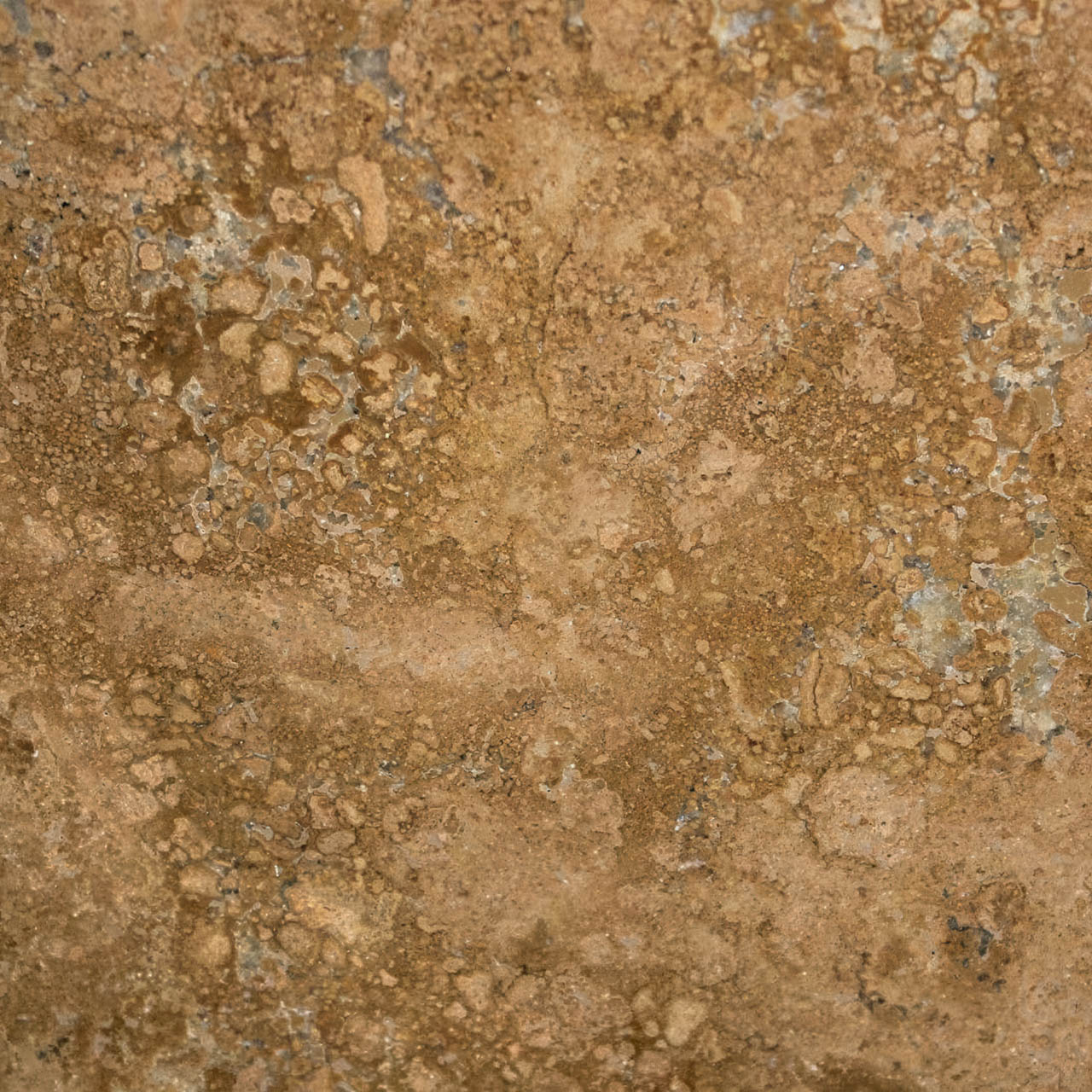
Noche Travertine Marble Block Marble
Noche Travertine Marble: Timeless Depth for Modern Architecture
Noche Travertine is the premier choice for designers seeking to infuse spaces with warmth, character, and a sense of history. Characterized by its deep, earthy chocolate tones and rich coffee hues, this natural stone offers a sophisticated alternative to lighter travertines, providing a bold foundation for both classic and contemporary aesthetics.
Noche Travertine Marble Laminate Marble
Noche Travertine Marble: Timeless Depth for Modern Architecture
Noche Travertine is the premier choice for designers seeking to infuse spaces with warmth, character, and a sense of history. Characterized by its deep, earthy chocolate tones and rich coffee hues, this natural stone offers a sophisticated alternative to lighter travertines, providing a bold foundation for both classic and contemporary aesthetics.
Noche Travertine Marble Mosaic Marble
Noche Travertine Mosaics: Timeless Depth in Intricate Detail
Noche Travertine is the premier choice for designers seeking to infuse spaces with warmth, character, and a profound sense of history. Characterized by its deep, earthy chocolate tones and rich coffee hues, transforming this natural sedimentary stone into precision-cut mosaic tiles provides a bold, highly textural foundation for both classic and contemporary aesthetics. It offers a sophisticated, intricate alternative to lighter travertines, grounding any interior with its dark, organic palette.
Noche Travertine Marble Slab Marble
Noche Travertine Marble: Timeless Depth for Modern Architecture
Noche Travertine is the premier choice for designers seeking to infuse spaces with warmth, character, and a sense of history. Characterized by its deep, earthy chocolate tones and rich coffee hues, this natural stone offers a sophisticated alternative to lighter travertines, providing a bold foundation for both classic and contemporary aesthetics.
Noche Travertine Marble Tile Marble
Noche Travertine Tiles: Timeless Depth for Modern Architecture
Noche Travertine tiles are the premier choice for designers and architects seeking to infuse spaces with warmth, character, and a profound sense of history. Characterized by deep, earthy chocolate tones and rich coffee hues, these natural stone tiles offer a sophisticated, high-contrast alternative to lighter travertines, providing a bold foundation for both classic physical builds and high-fidelity digital architectural models.