
Window Frames Marble refers to the use of high-density natural stone—specifically marbles and calcites—for the fabrication of sills, headers, and full-surround casing. In high-end architectural projects, marble is the preferred material for windows because it provides a permanent thermal barrier and a “solid” aesthetic that synthetic or wood frames cannot replicate.
1. Structural & Thermal Advantages
-
Thermal Mass: Marble acts as a natural insulator. It absorbs and slowly releases heat, helping to regulate the interior temperature of a building—a feature highly valued in both the Mediterranean and the US Sun Belt markets.
-
Weather Resistance: Unlike wood, marble does not rot, and unlike PVC, it does not warp or become brittle under intense UV exposure. It is naturally fireproof and provides a superior moisture barrier for the building envelope.
-
Structural Support: For large-span window openings, thick marble sills (typically 3cm to 5cm) provide a stable, non-deflecting base for heavy high-performance glass units.
2. Technical Precision & Integration
-
0.3–0.5mm Cladding: Utilizing your specialized ultra-thin technology, marble is now applied as a lightweight “skin” over aluminum or reinforced composite frames. This allows for the luxury aesthetic of solid stone without the excessive weight, making it compatible with modern modular construction.
-
CNC-Machined Drip Grooves: Precision manufacturing allows for the inclusion of “drip edges” (water bars) on the underside of exterior sills. These are cut with mathematical accuracy to direct rainwater away from the facade, preventing staining and moisture ingress.
-
BIM Modeling: In a 3D BIM workflow, window surrounds are pre-engineered to exact millimetric tolerances. This ensures that every piece—header, jamb, and sill—fits perfectly on-site, significantly reducing installation time and labor costs.
3. Aesthetic Profiles
-
Seamless Thresholds: A signature of “Inside-Out” design where the window sill is an extension of the interior flooring or the exterior terrace marble, creating a visual flow that makes spaces feel larger and more integrated.
-
Reflective Light Wells: Polished white marbles (like Sparkling White) are used for interior sills to reflect natural light deeper into the room, brightening the space without increasing the window size.
Filter by brand

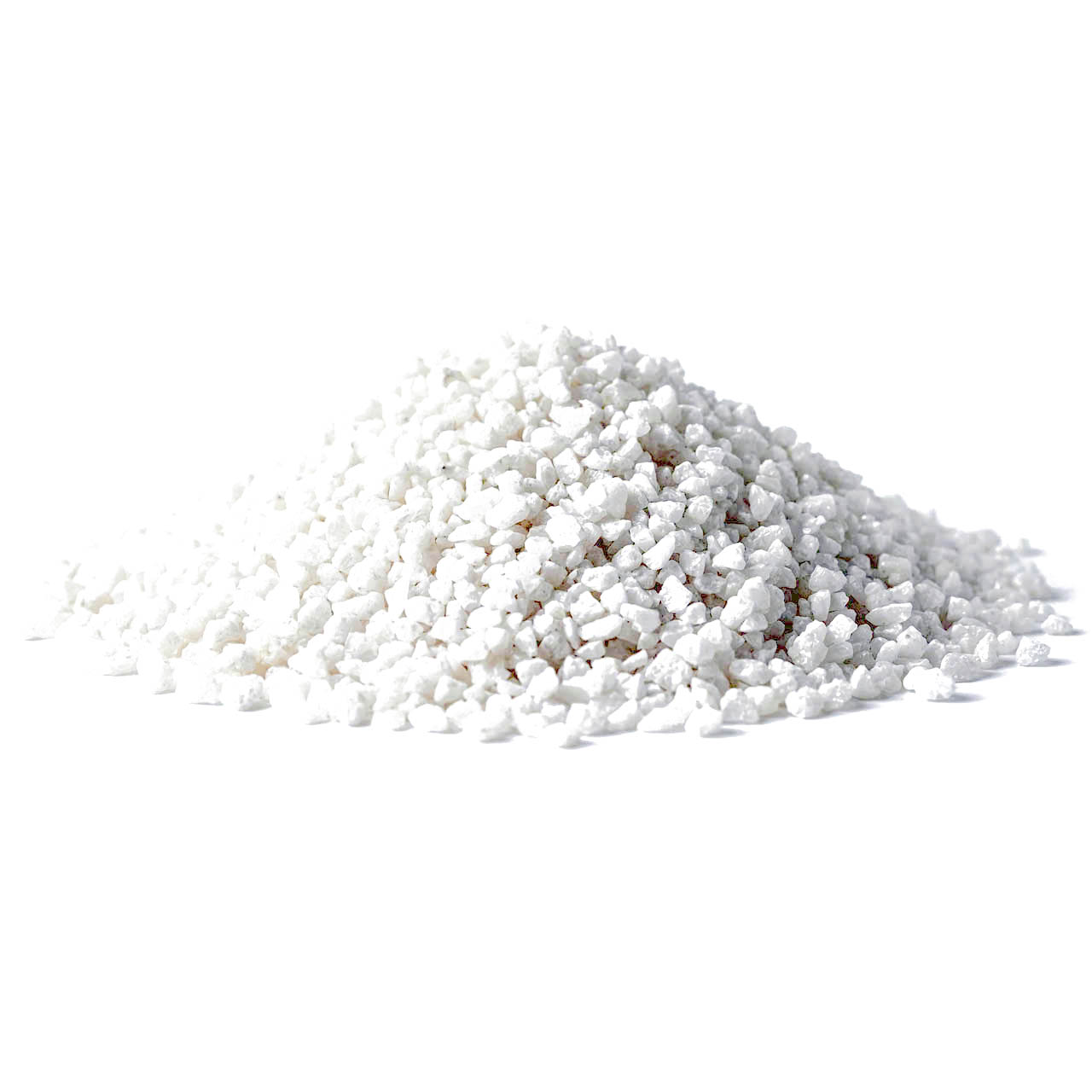
Calcite Miamivit Calcium Carbonate 400-1200 Microns
Miamivit Premium Medium Grade Calcite (400-1200 Microns) – Decorative and Industrial Solution
Yükselen Marble's Miamivit 400-1200 micron calcite, certified by laboratory reports approved by Afyon Kocatepe University, is neither as fine as dust nor as coarse as gravel. With its ideal particle structure, it is indispensable for both aesthetic projects and construction chemicals.