
AI and Marble: The New Architectural Hero of Eco-Friendly Buildings
Related Posts
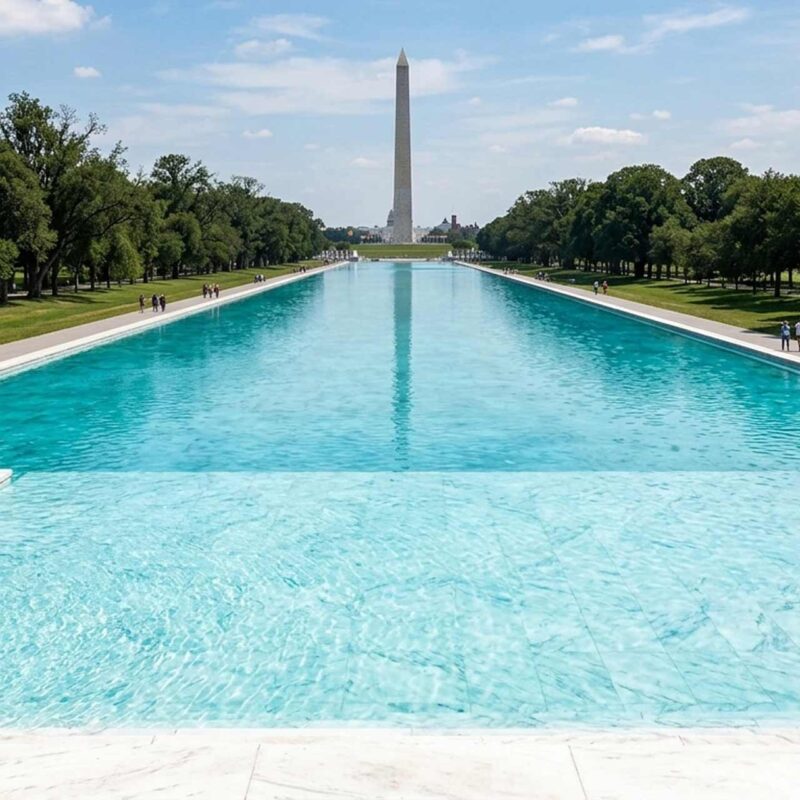
The Only Remarkable Natural Solution to Transform the Lincoln Memorial Into a Deep Blue Hue
The Only Remarkable Natural Solution to Transform the Lincoln Memorial Into a Deep Blue Hue
If you desire the iconic reflecting pool to exhibit thousands of shades of deep blue, there is only one rem...

Ultra-Luxury Redefined: The Grandeur of Beyoncé-Inspired Milas Lilac and Calacatta Perla Gold in Dubai
Dubai, one of the world's most elite destinations, is shaking the global design scene with a new architectural masterpiece commanding $285,000 per night. This is no ordinary hotel launch; it is a mani...
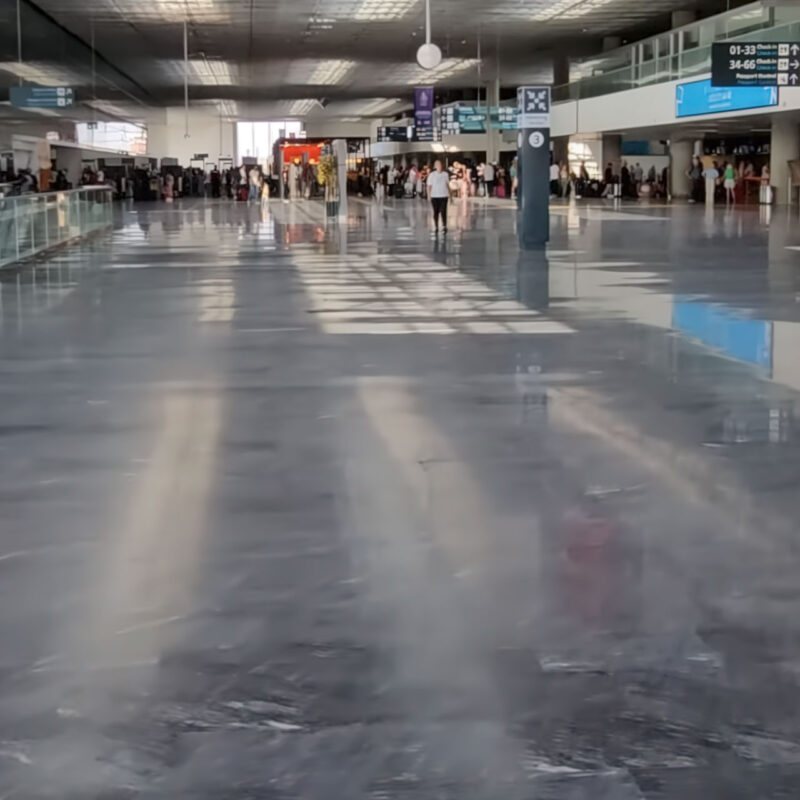
A Visual Journey: Exploring the Milas Bodrum Airport
The Milas Bodrum Airport (BJV) serves as the primary gateway
The Milas Bodrum Airport (BJV) serves as the primary gateway to the stunning Turkish Riviera, welcoming millions of tourists to the...
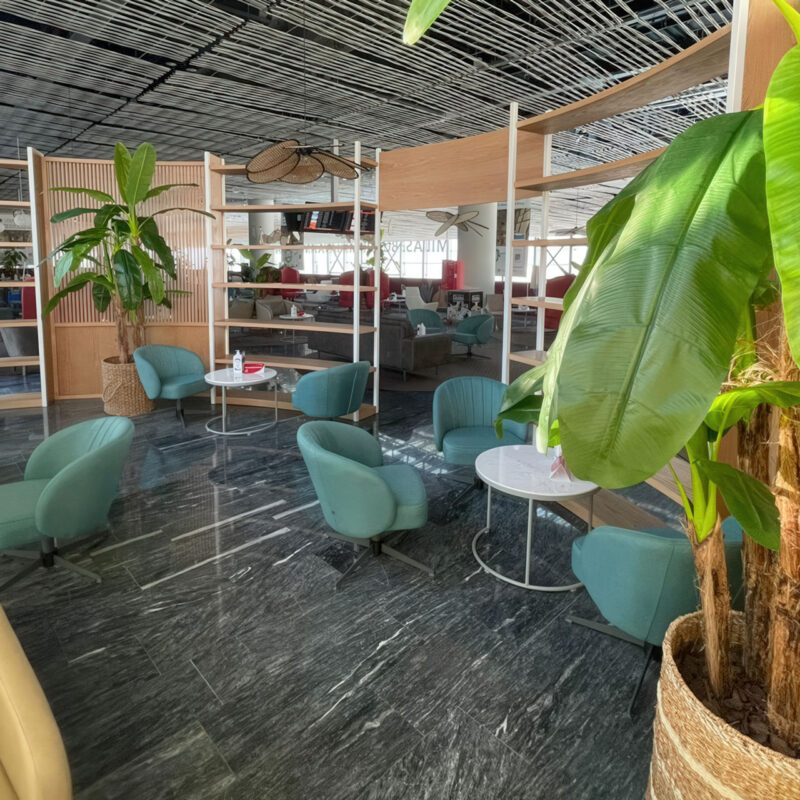
The Soul of Milas: Timeless Elegance in Muğla Black
Milas Bodrum vs. Global VIP Lounge Standards
Modern airport VIP lounges, such as those at Singapore Changi (SIN) or Doha Hamad (DOH), typically rely on high-gloss synthetic materials ...
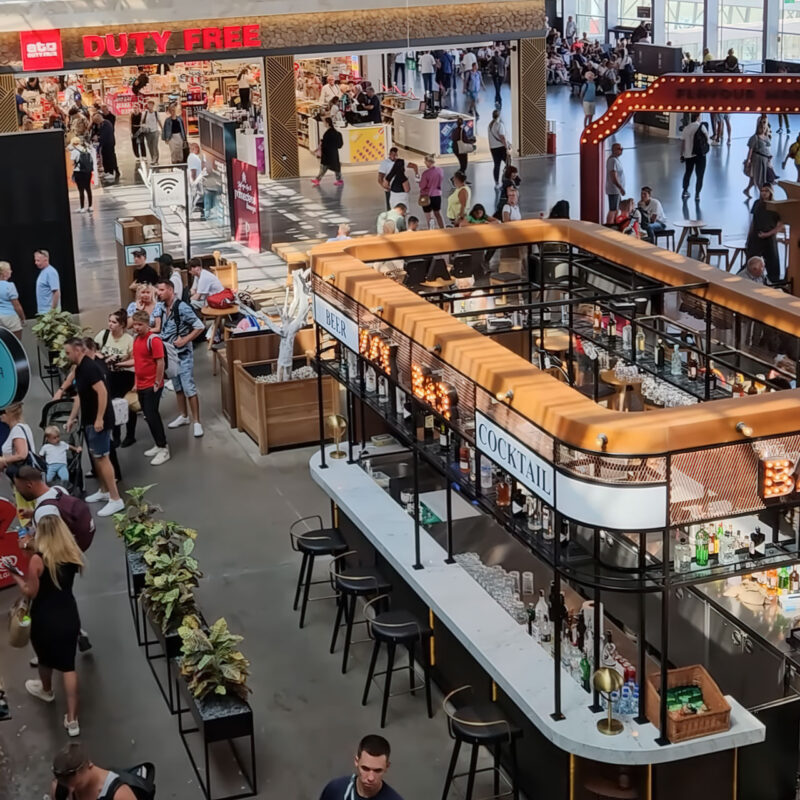
The Art of Transit: Why Modern Airports Trust Muğla Black Marble
The use of marble in airport architecture is a strategic decision that balances high-traffic durability with the psychological impact of luxury. Beyond its aesthetic appeal, marble serves as a functio...
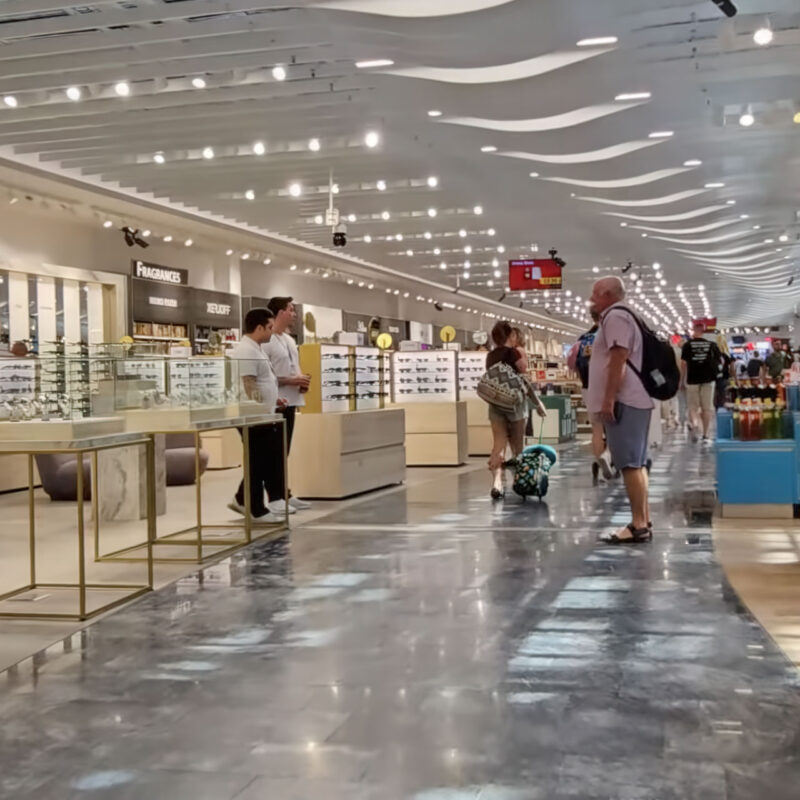
The Grounded Elegance of Milas Bodrum Where Infrastructure Meets Muğla Black Marble
The architectural design of an international aviation hub like Milas Bodrum Airport (BJV) represents a complex intersection of high-volume logistics and regional aesthetic identity. In such demanding...
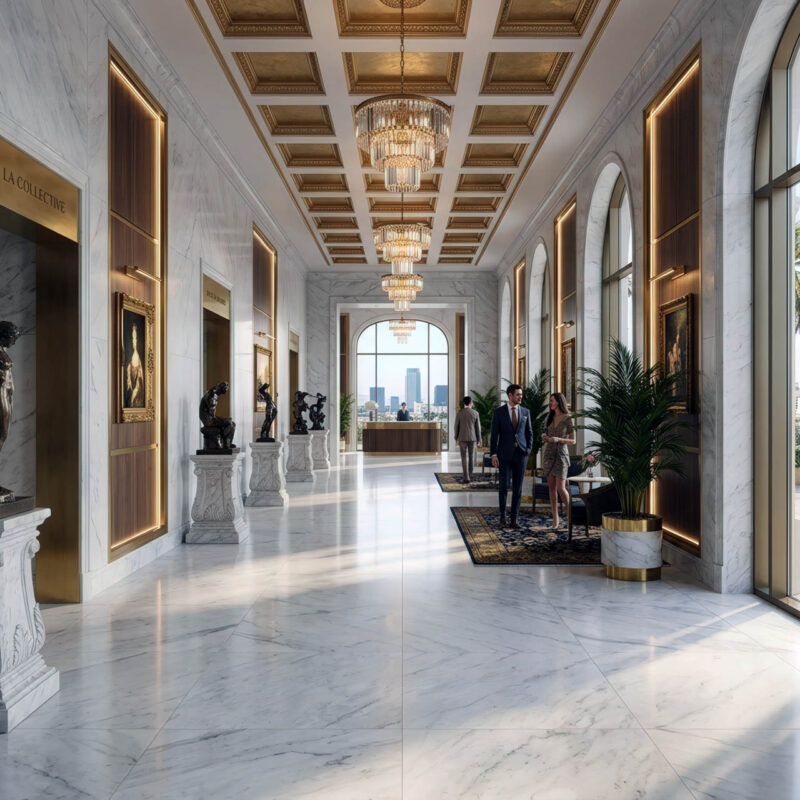
Technical Data Sheet: Ushak White Marble
Technical Data Sheet: Ushak White Marble
Ushak White is a prestigious Turkish marble characterized by its high-purity white background and subtle, fine-grained crystalline structure. It is widely rec...
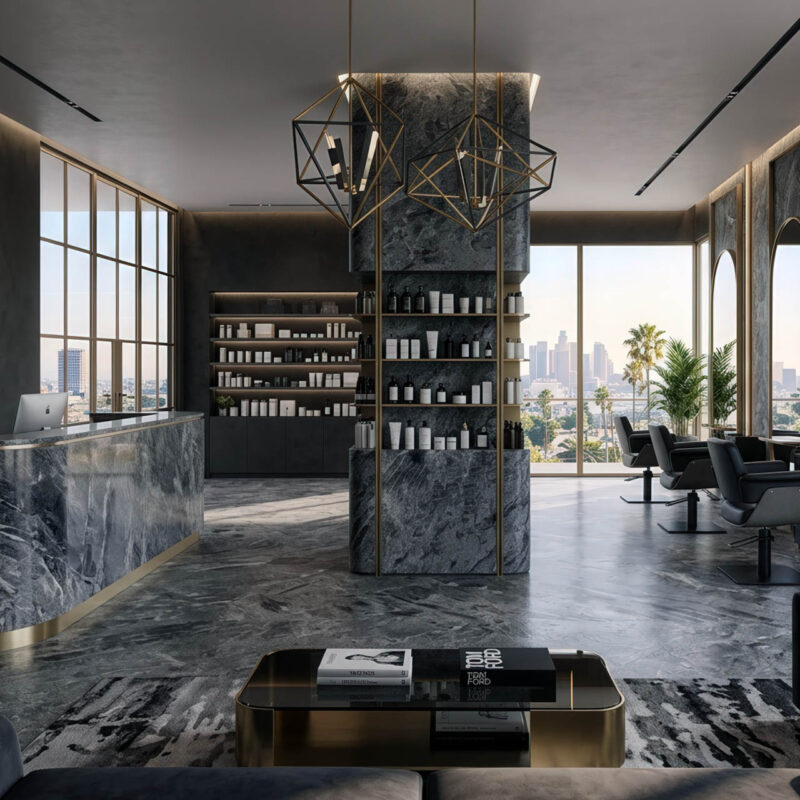
Technical Data Sheet: Tavas Gray Marble
Technical Data Sheet: Tavas Gray Marble
Tavas Gray Marble is a sophisticated Turkish natural stone characterized by its cool gray tones and subtle veining. It is widely utilized in both interior and ...
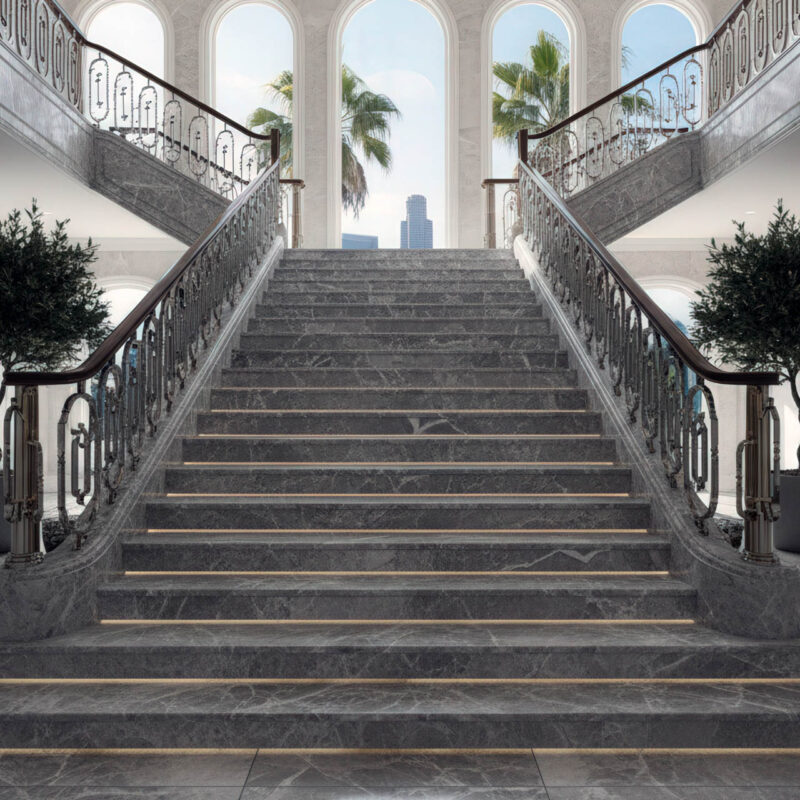
Technical Data Sheet: Spider Gray Marble
Technical Data Sheet: Spider Gray Marble
Property
Value
Unit
Hardness
3 - 4
Mohs
Unit Volume Weight
2.68 - 2.72
g/cm³
Density (Specific Gravity)
2.70 - 2.73
g/cm³
...
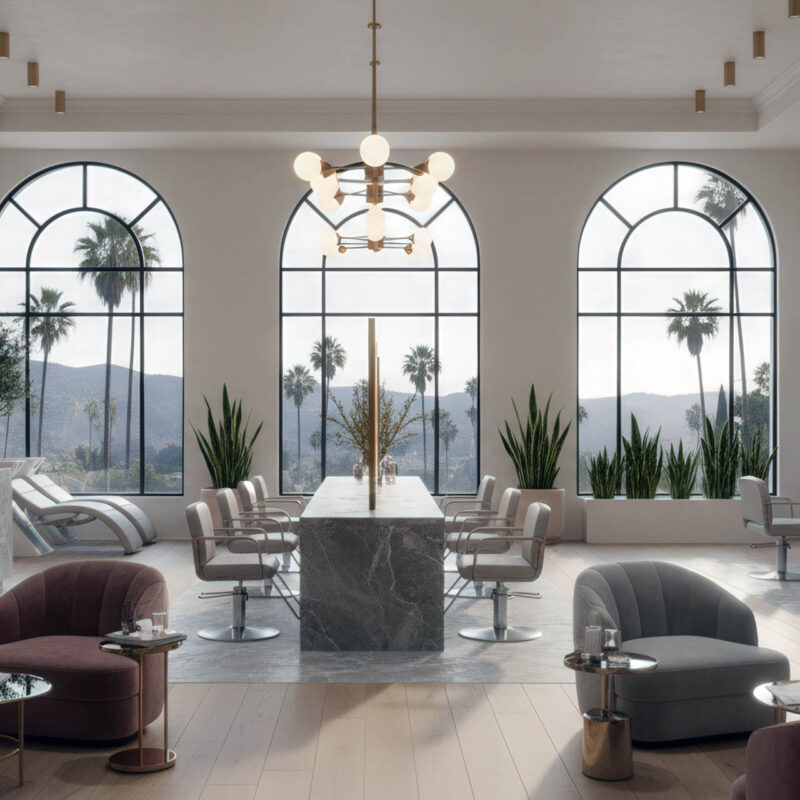
Technical Data Sheet: Space Gray Marble
Technical Data Sheet: Space Gray Marble
Physical and Mechanical Properties
Property
Value
Unit
Hardness
3 - 4
Mohs
Unit Volume Weight
2.71
g/cm3
Density (Specific Grav...
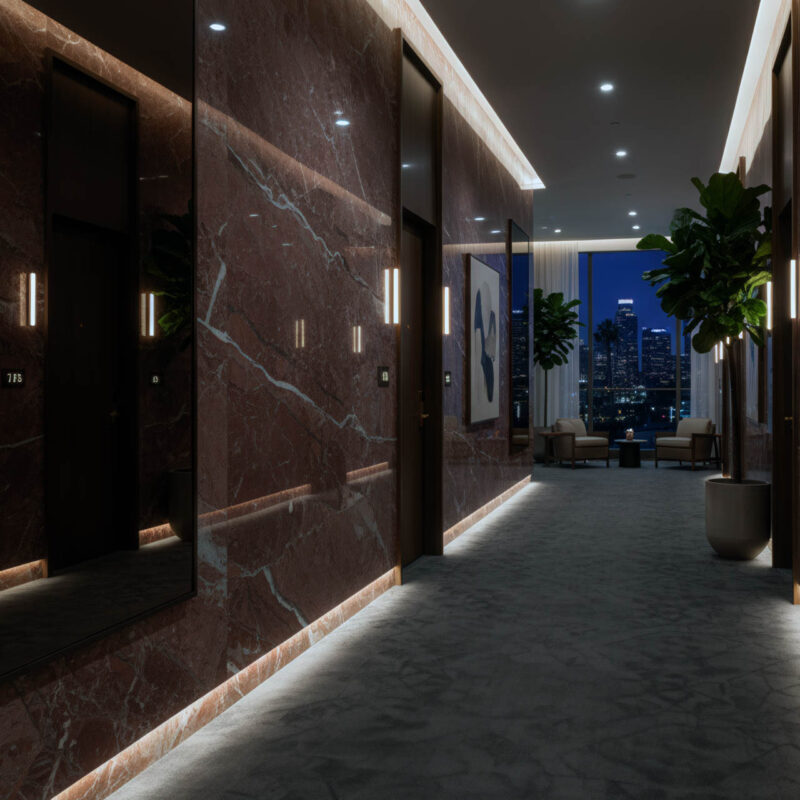
Technical Data Sheet: Rosso Laguna Marble
Technical Data Sheet: Rosso Laguna Marble
Rosso Laguna (also known as Laguna Red) is a prestigious Turkish marble characterized by its deep, vibrant red base and intricate white or light-gray veining...
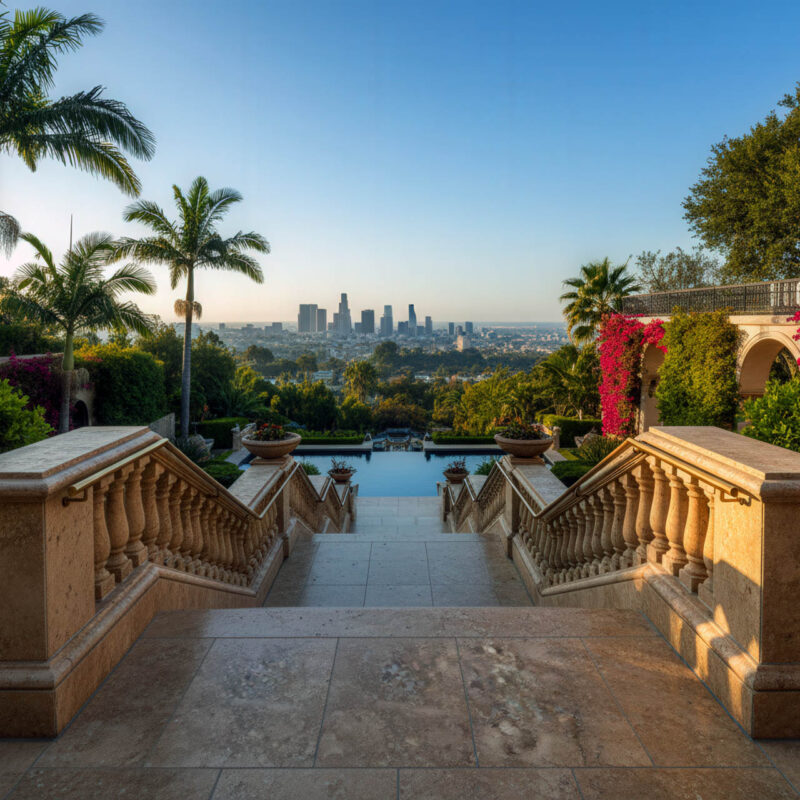
Technical Data Sheet: Noche Travertine
Technical Data Sheet: Noche Travertine
Noche Travertine is a highly sought-after natural stone characterized by its deep, warm chocolate and walnut tones. Its unique porous structure and durability m...