
Marble and the Concept of Good Luck
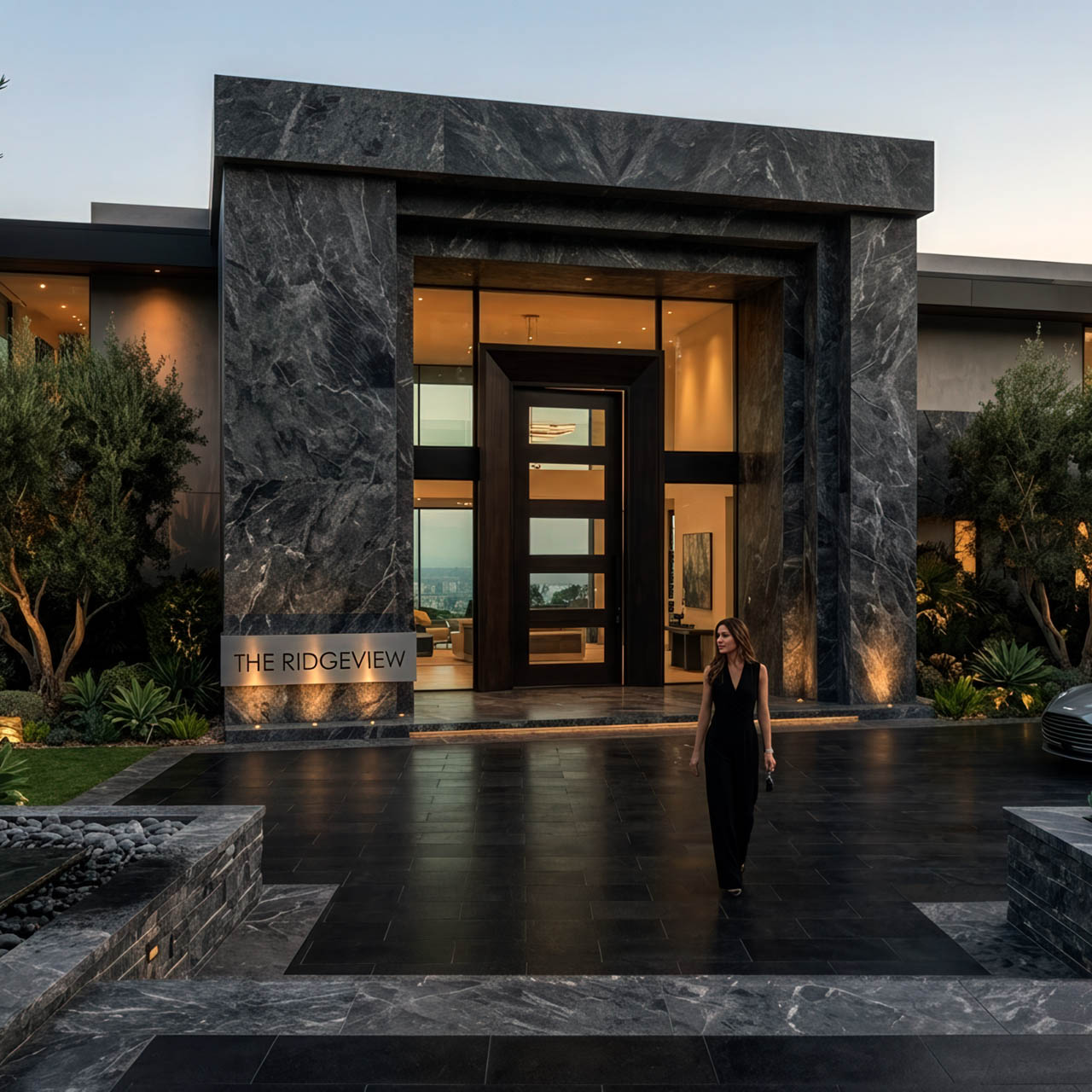
The association between marble and good luck is often tied to its perceived permanence, purity, and connection to the divine. In various cultures, marble isn’t just a building material; it is a symbol of stability and protection, which are the foundational elements of “good luck” in a domestic setting.
Historical and Cultural Significance
- Ancient Greece and Rome: In Greco-Roman culture, marble was the medium of the gods. Using marble in a home was believed to invite the favor of the deities. Because marble stays cool to the touch, it was also associated with “tempering” the energy of a house, providing a calm, balanced environment—a prerequisite for prosperity.
- Eastern Philosophy (Feng Shui): In Feng Shui, marble is considered an Earth element. It represents stability, grounding, and the “closeness to the earth.” Using marble in specific areas of the home is thought to ground chaotic energy and provide a solid foundation for financial and personal growth.
- Turkish and Mediterranean Traditions: In these regions, white marble specifically is often associated with “Aydınlık” (clarity/light). It is believed that bright, reflective marble surfaces ward off the “evil eye” and invite positive energy into the entryway of a home.
-
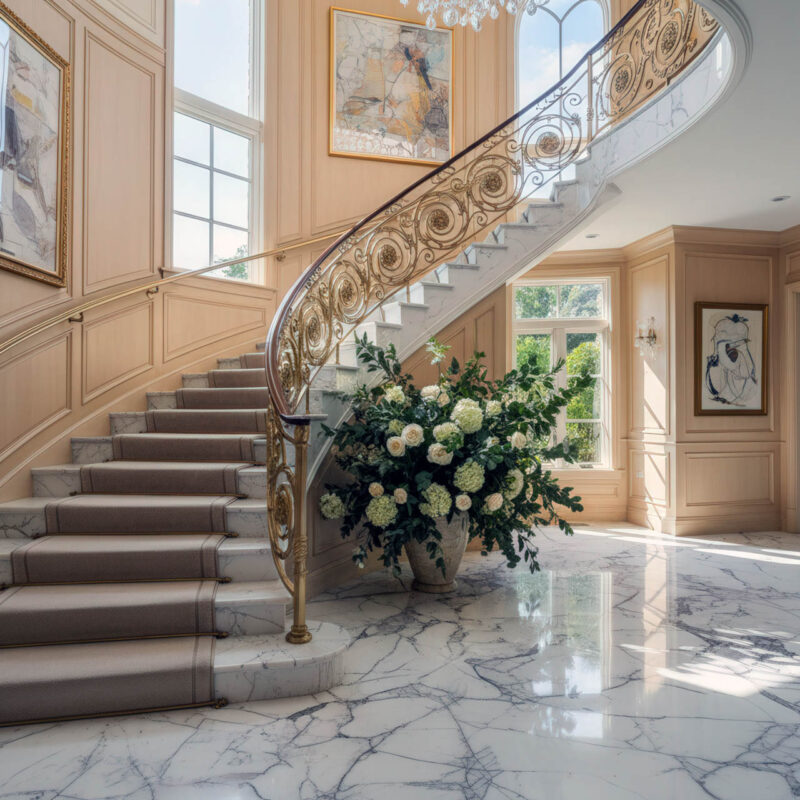
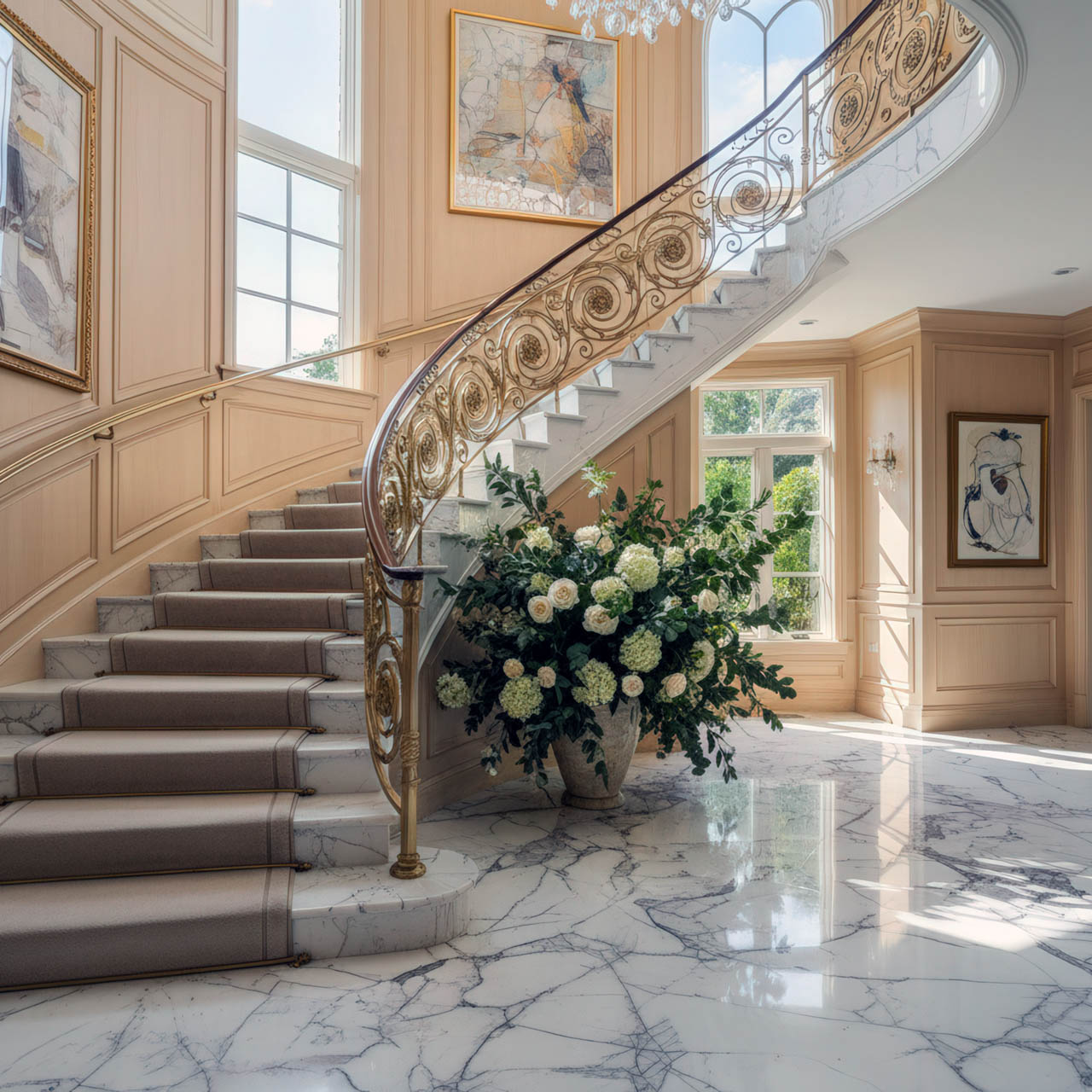
- SL01220Milas20Lilac20Luxury20Los20Angeles20Villa20Stairs
-
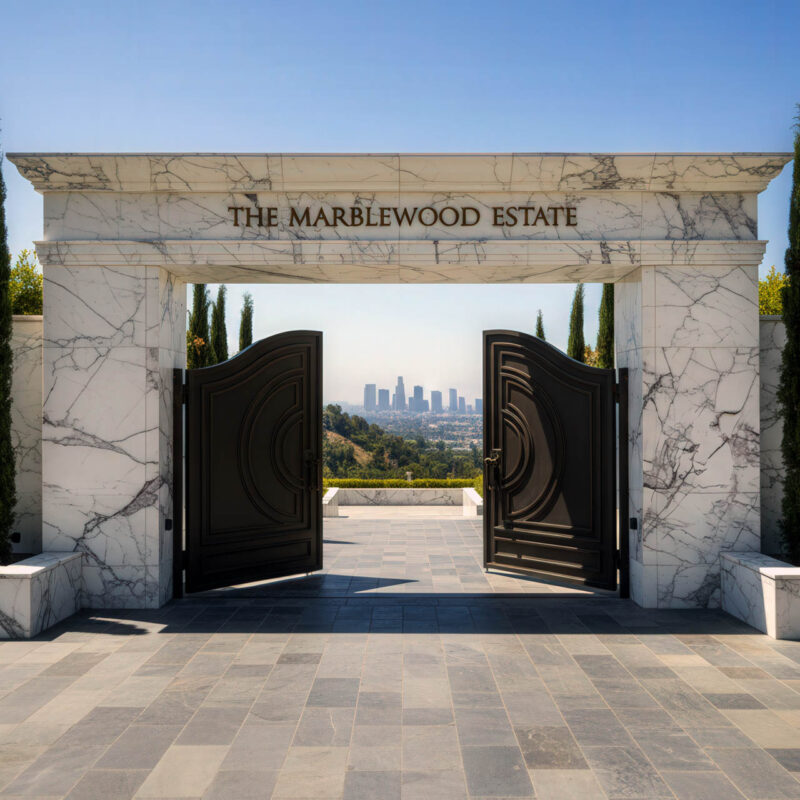
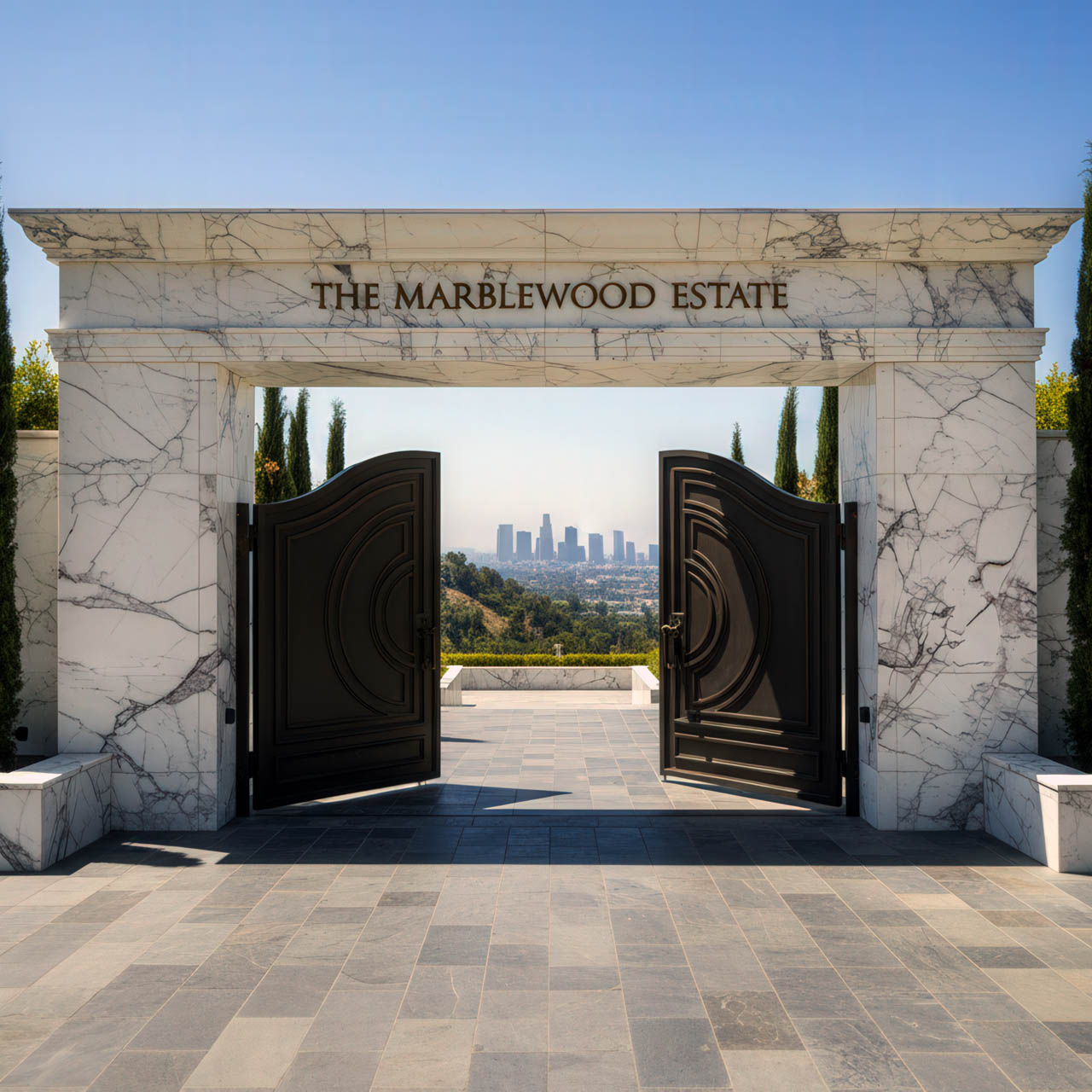
- SL01220Milas20Lilac20Luxury20Los20Angeles20Villa20Enterance
-
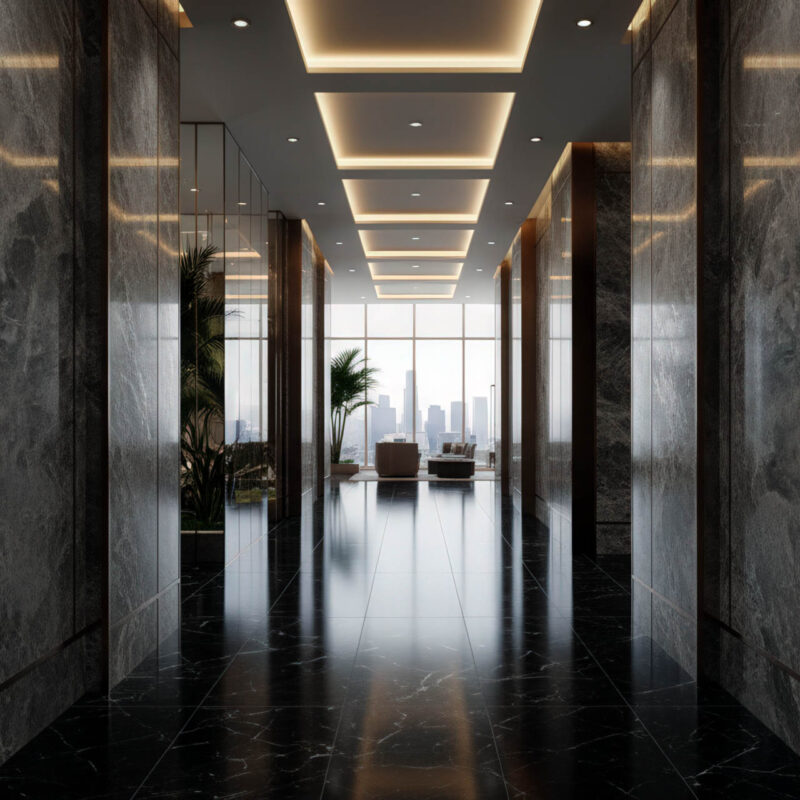
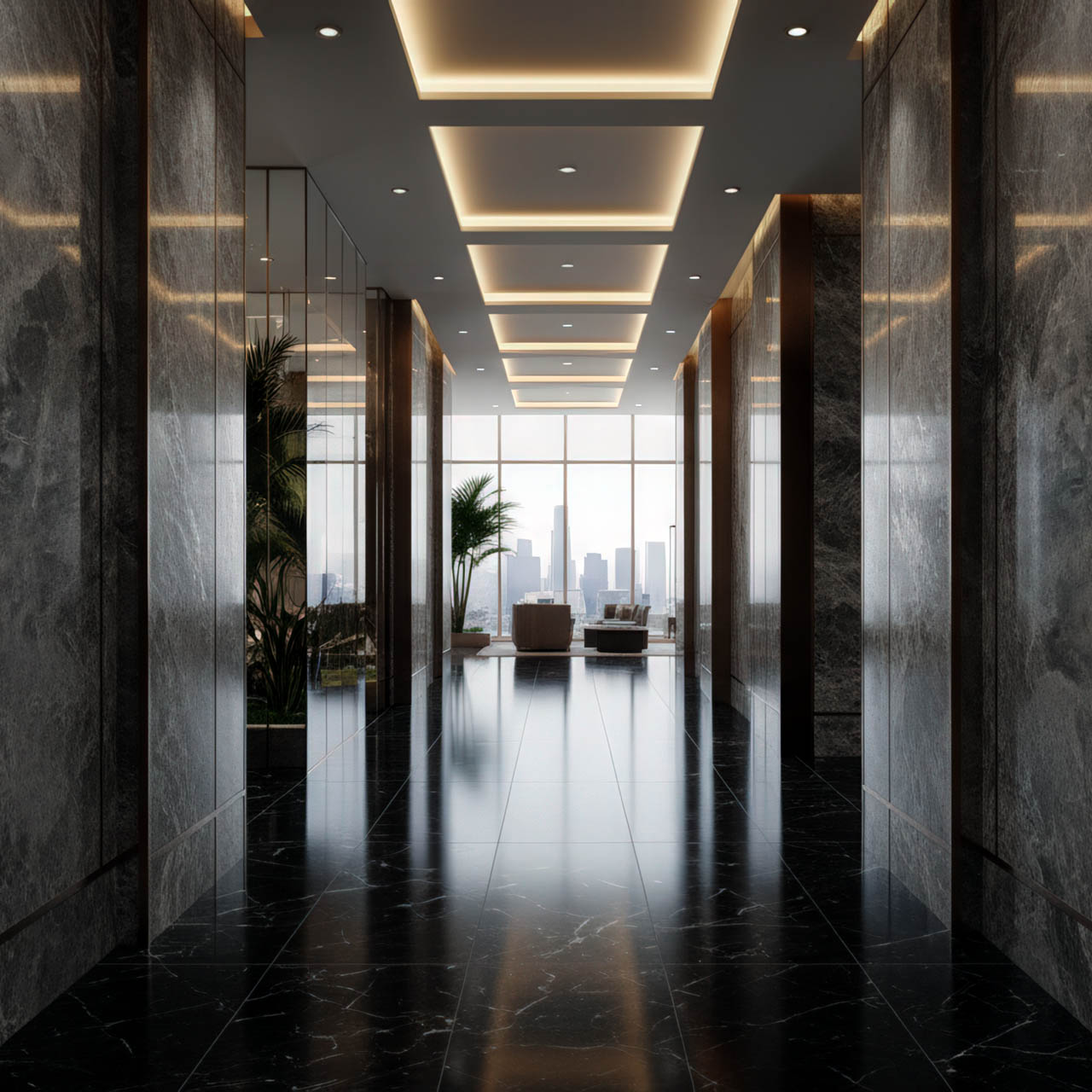
- SL02220Tavas20Grey20Luxury20Los20Angeles20Villa20Corridor
-
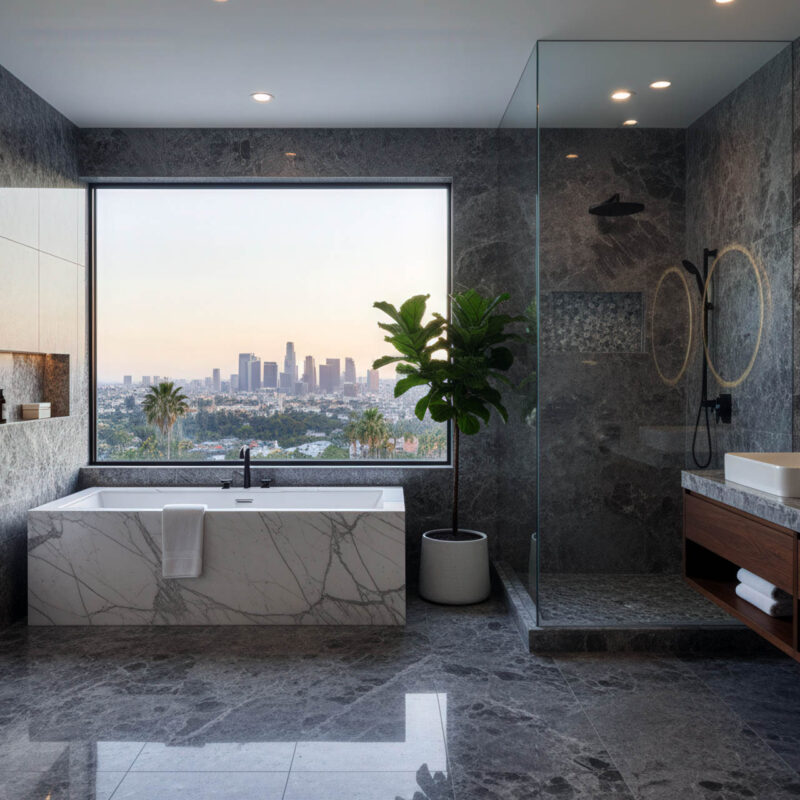
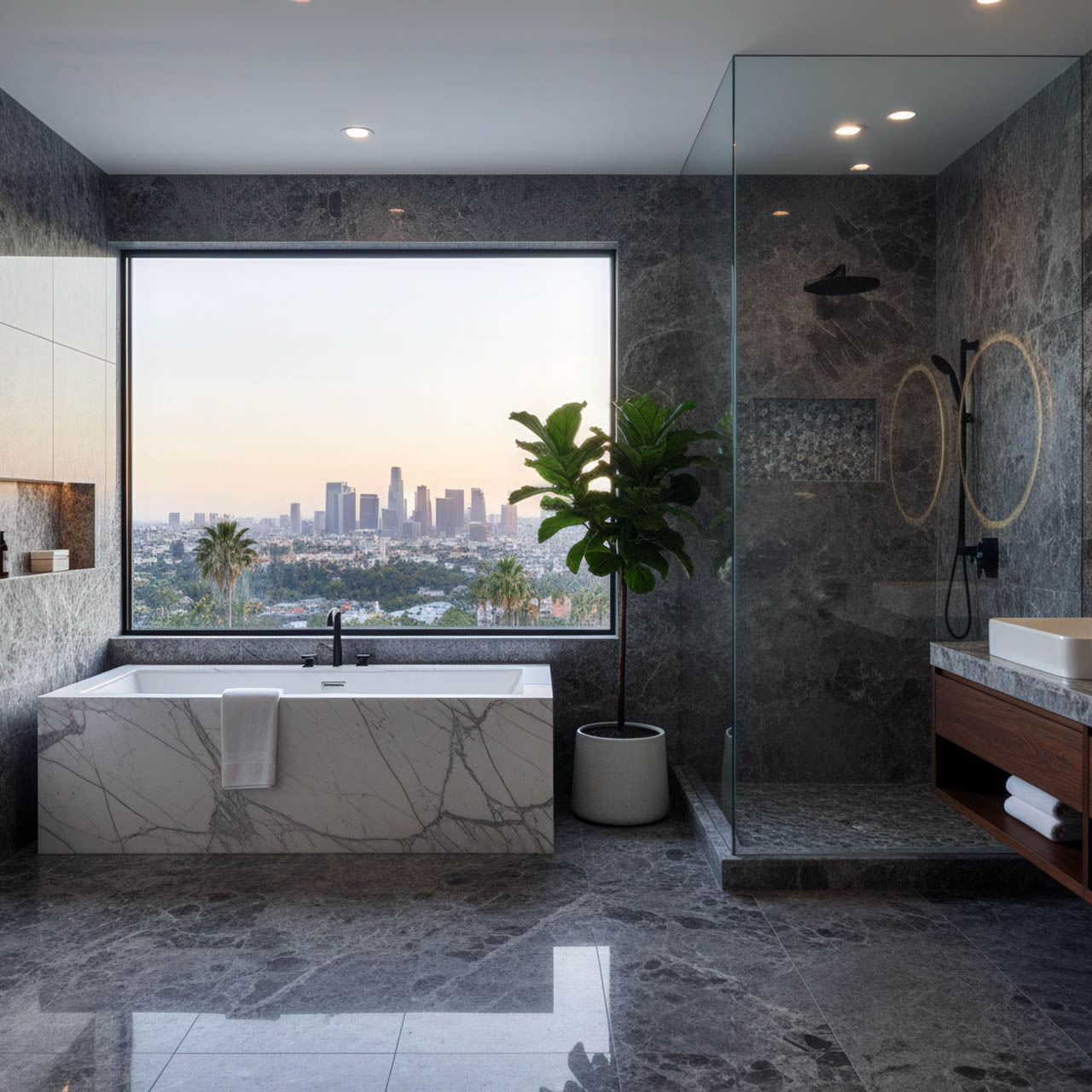
- SL02220Tavas20Grey20Luxury20Los20Angeles20Villa20Bathroom
-
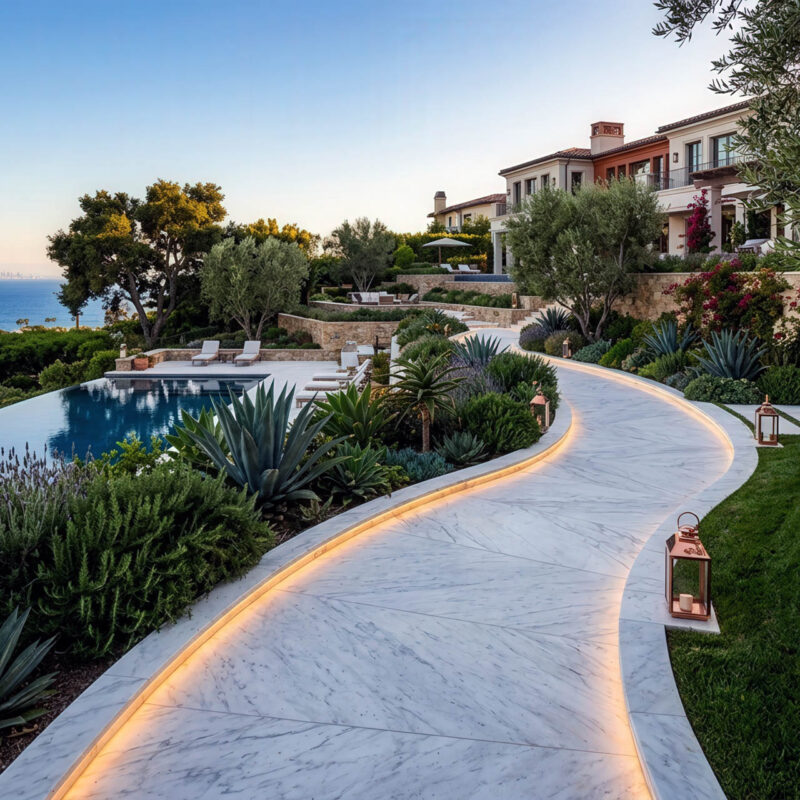
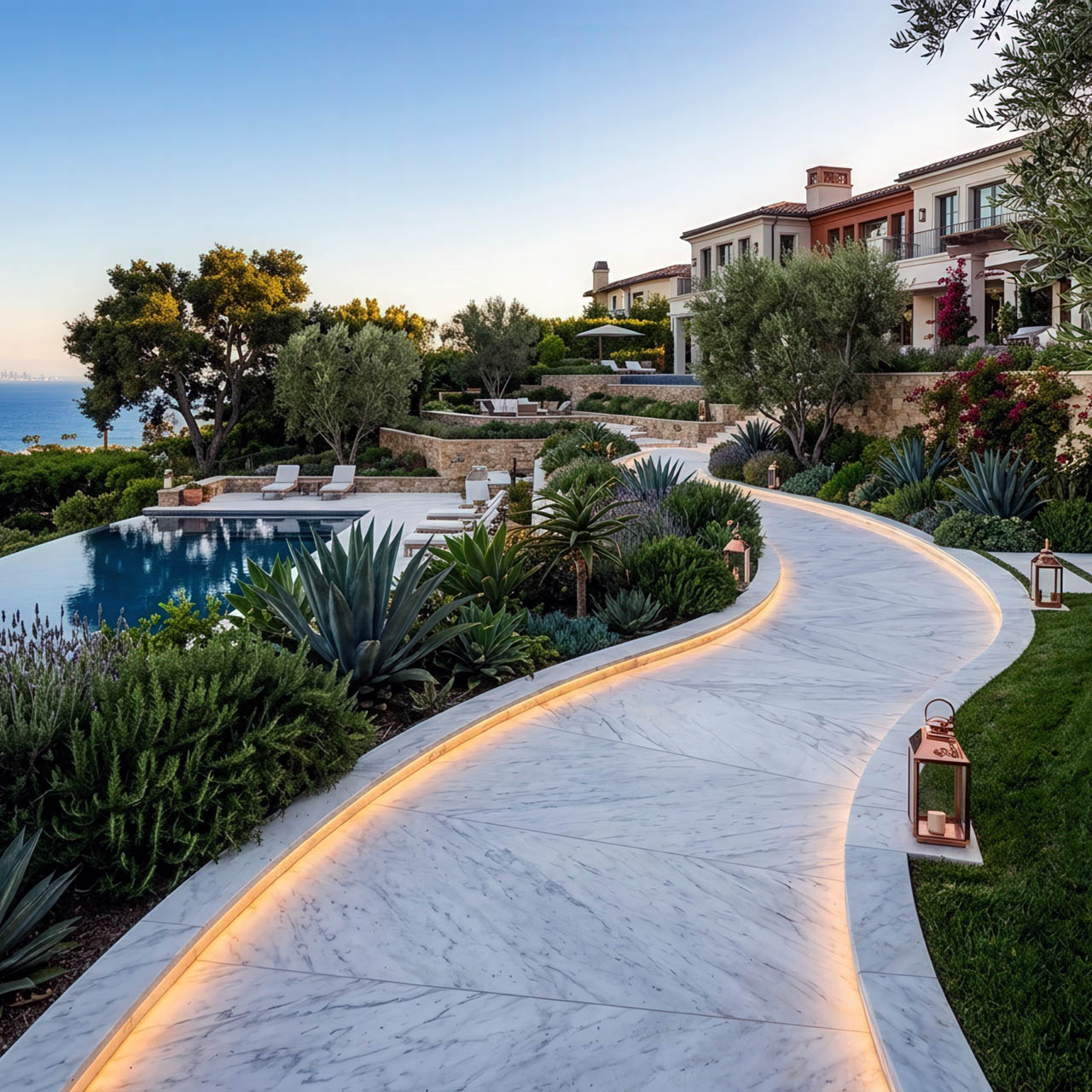
- SL02320Ushak20White20Luxury20Los20Angeles20Villa20Garden20Path
-
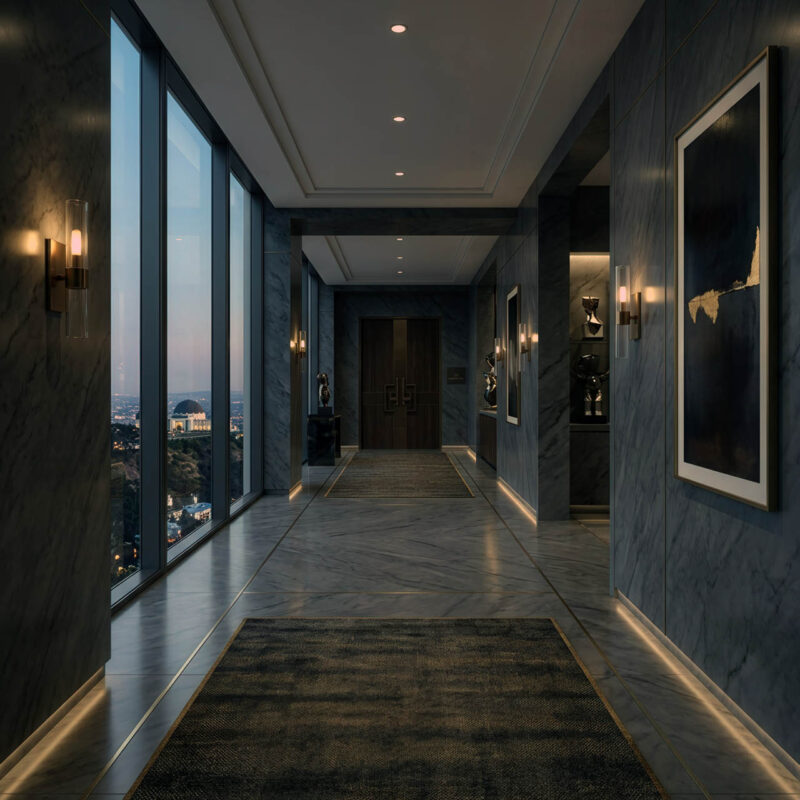
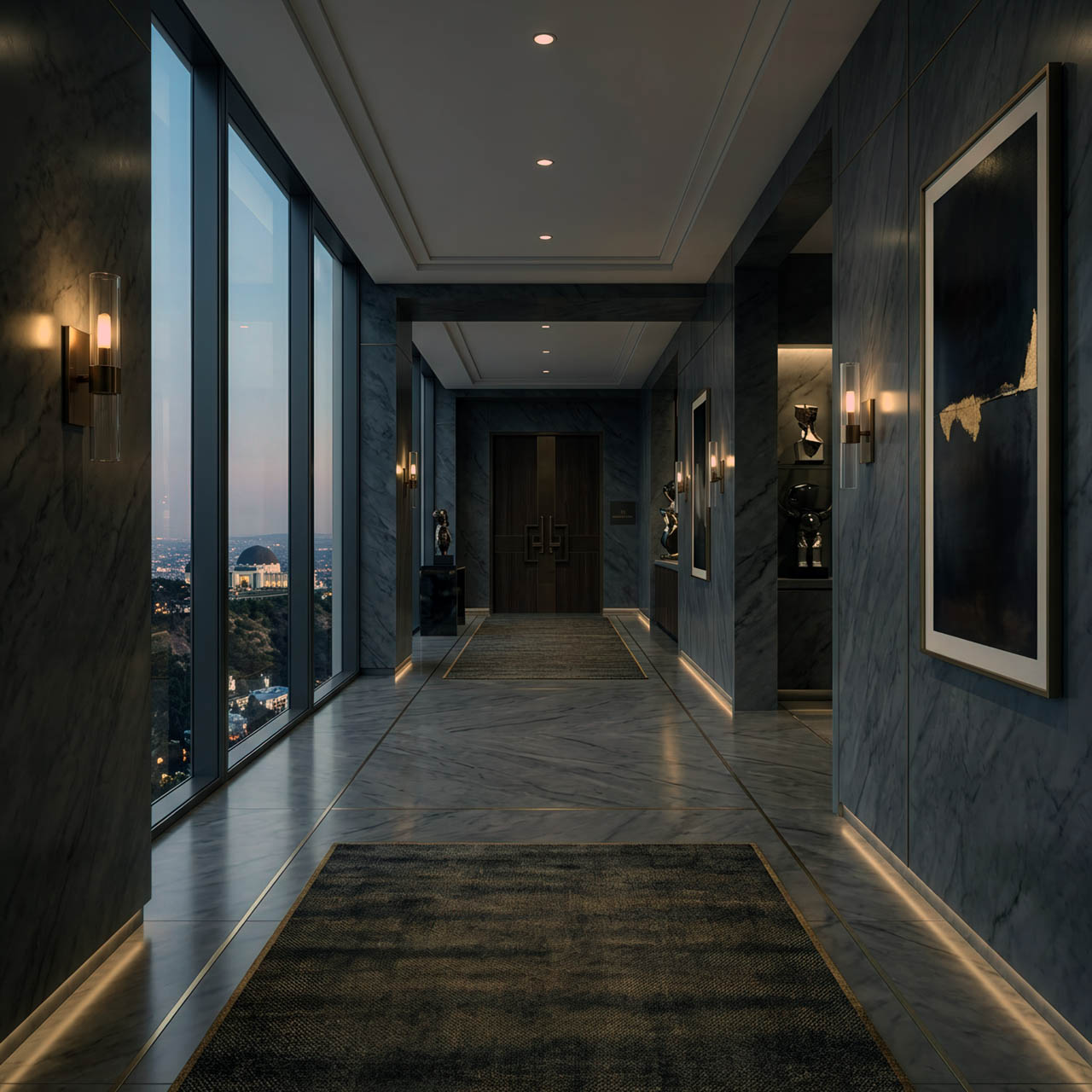
- SL01120Milas20Lemony-Luxury20Los20Angeles20Villa20Corridor
-
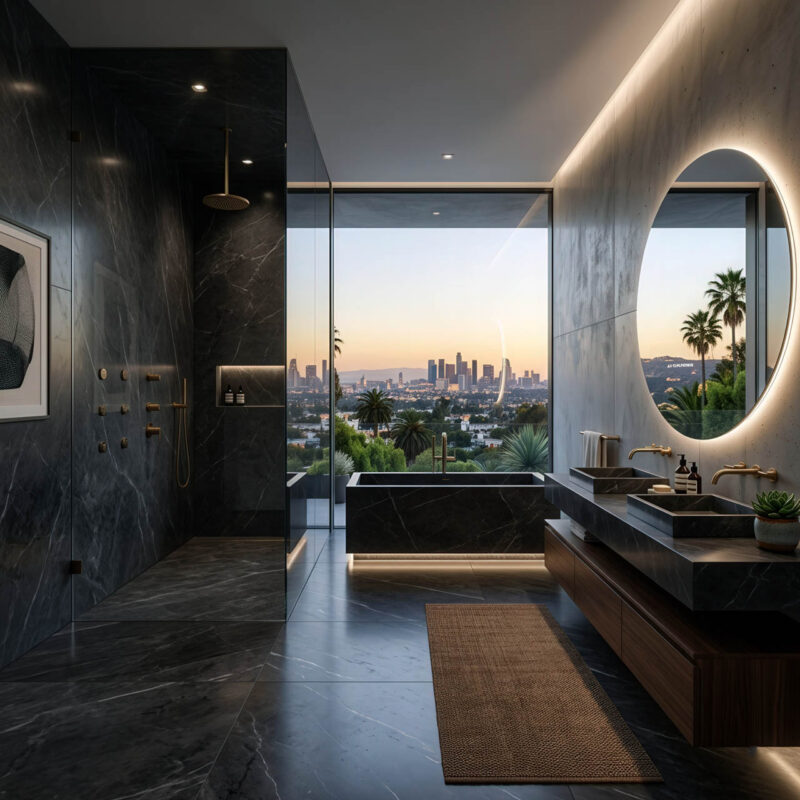
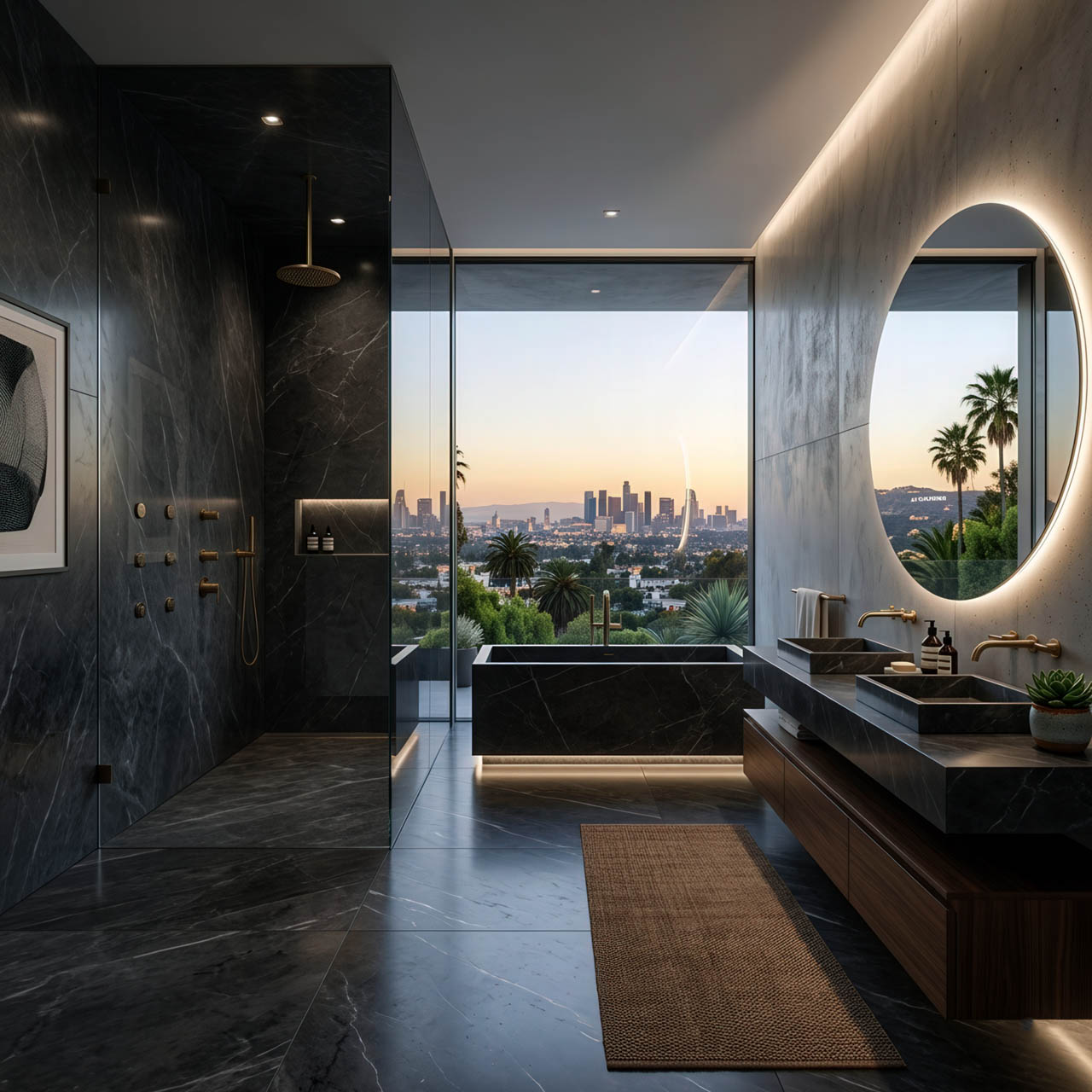
- SL01120Milas20Lemony Luxury20Los20Angeles20Villa20Bathroom
-
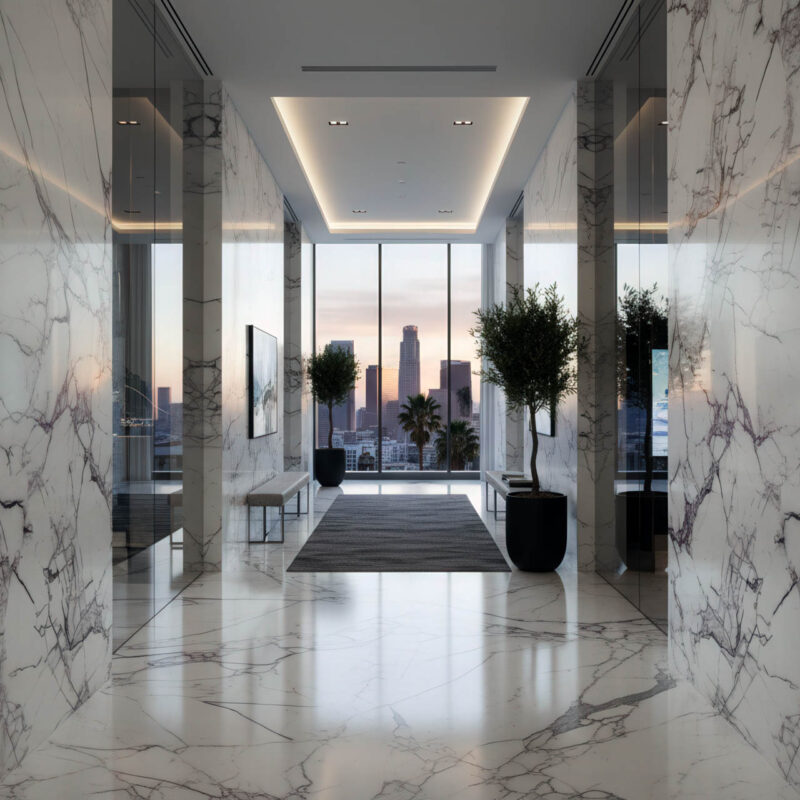
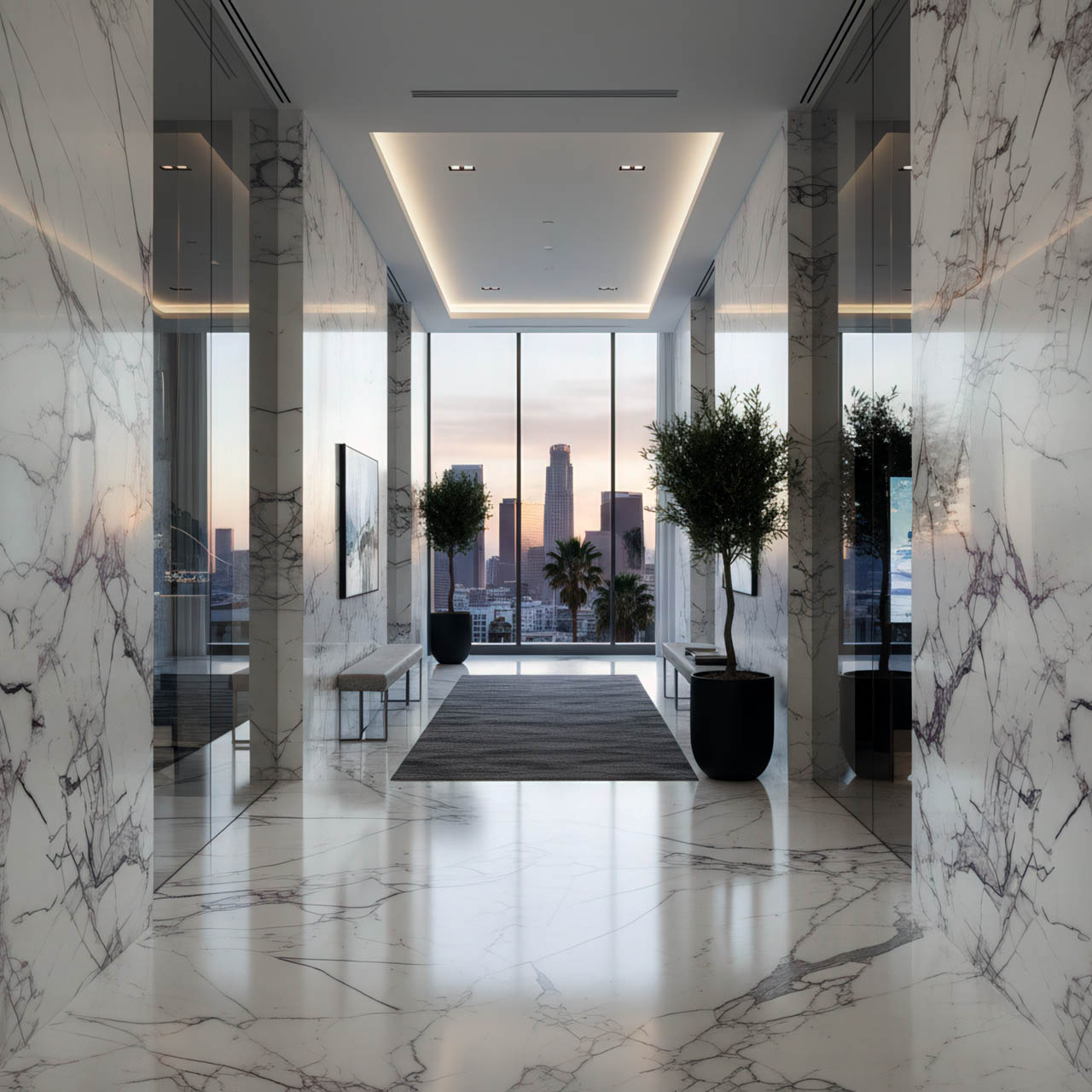
- SL01220Milas20Lilac20Luxury20Los20Angeles20Villa20Corridor
-
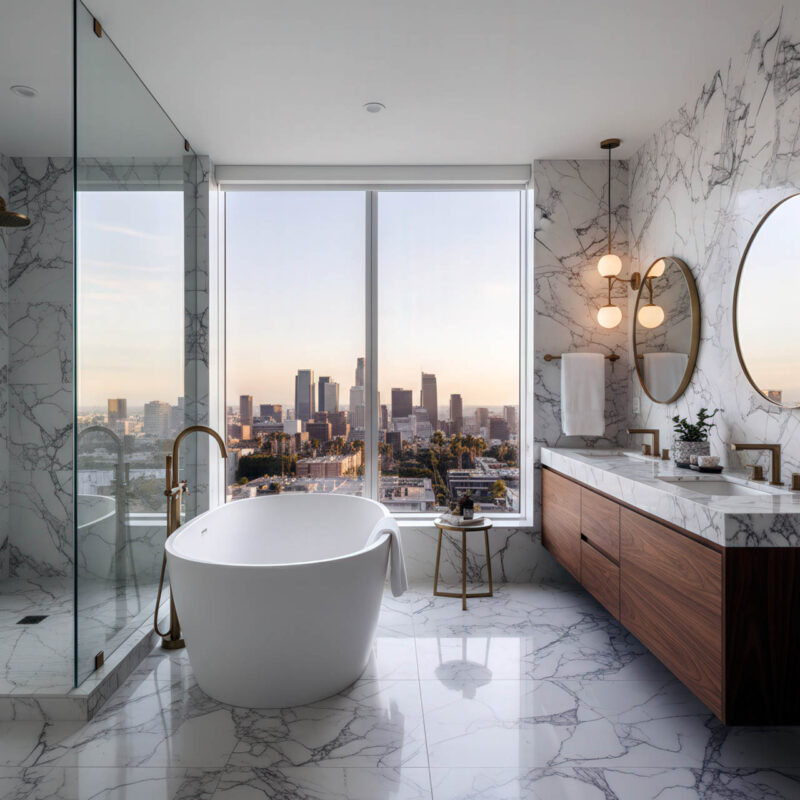
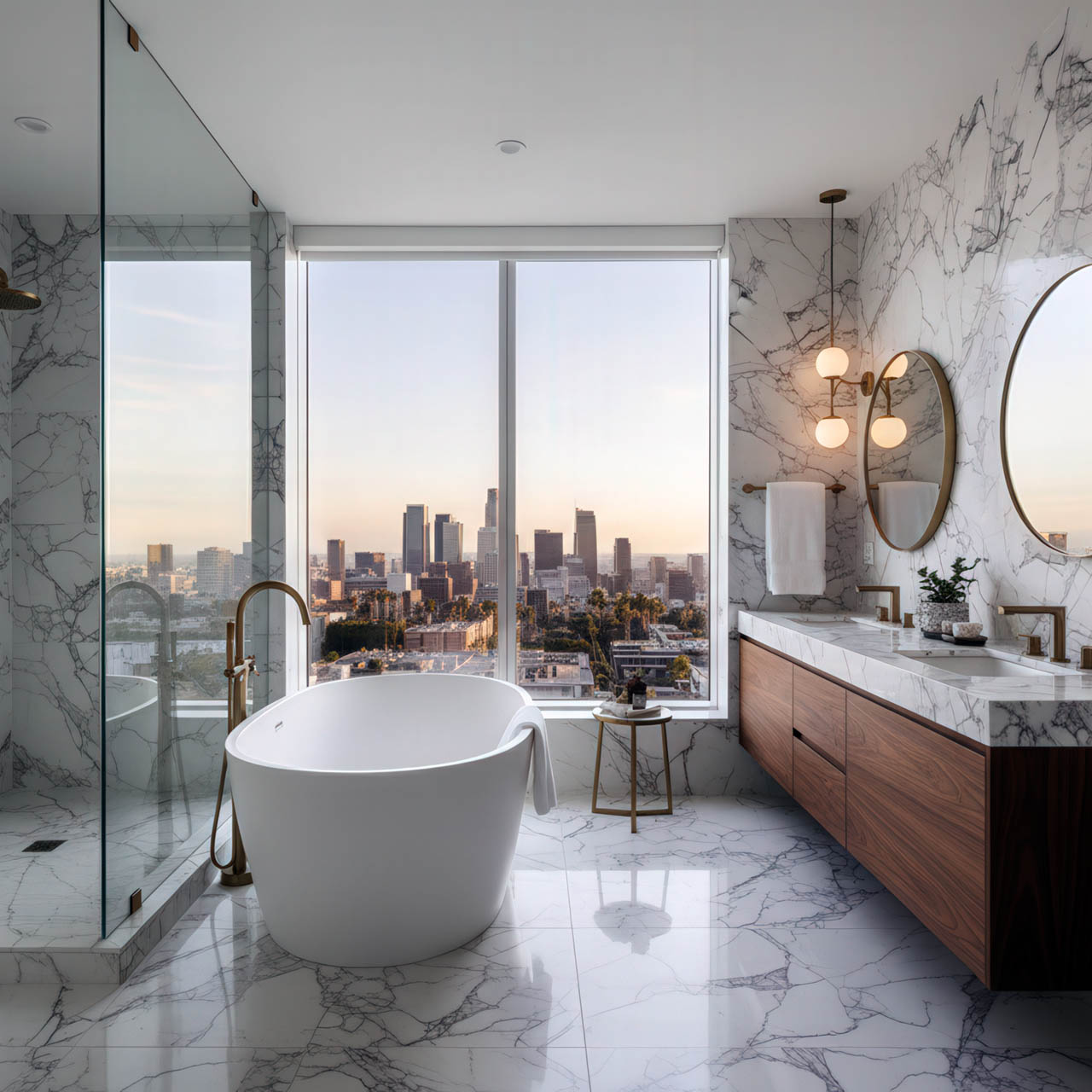
- SL01220Milas20Lilac20Luxury20Los20Angeles20Villa20Bathroom
-
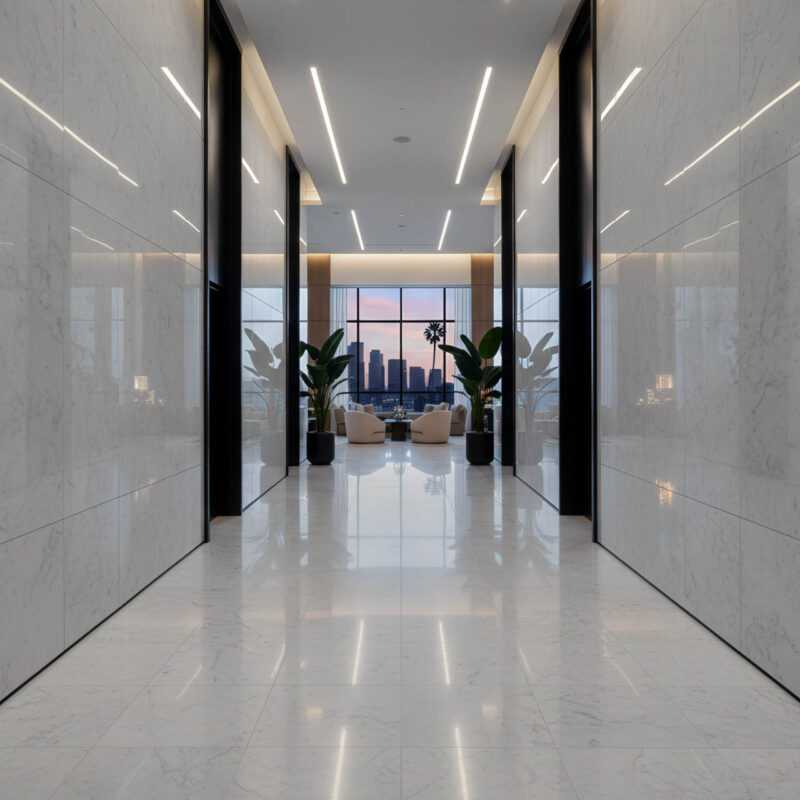
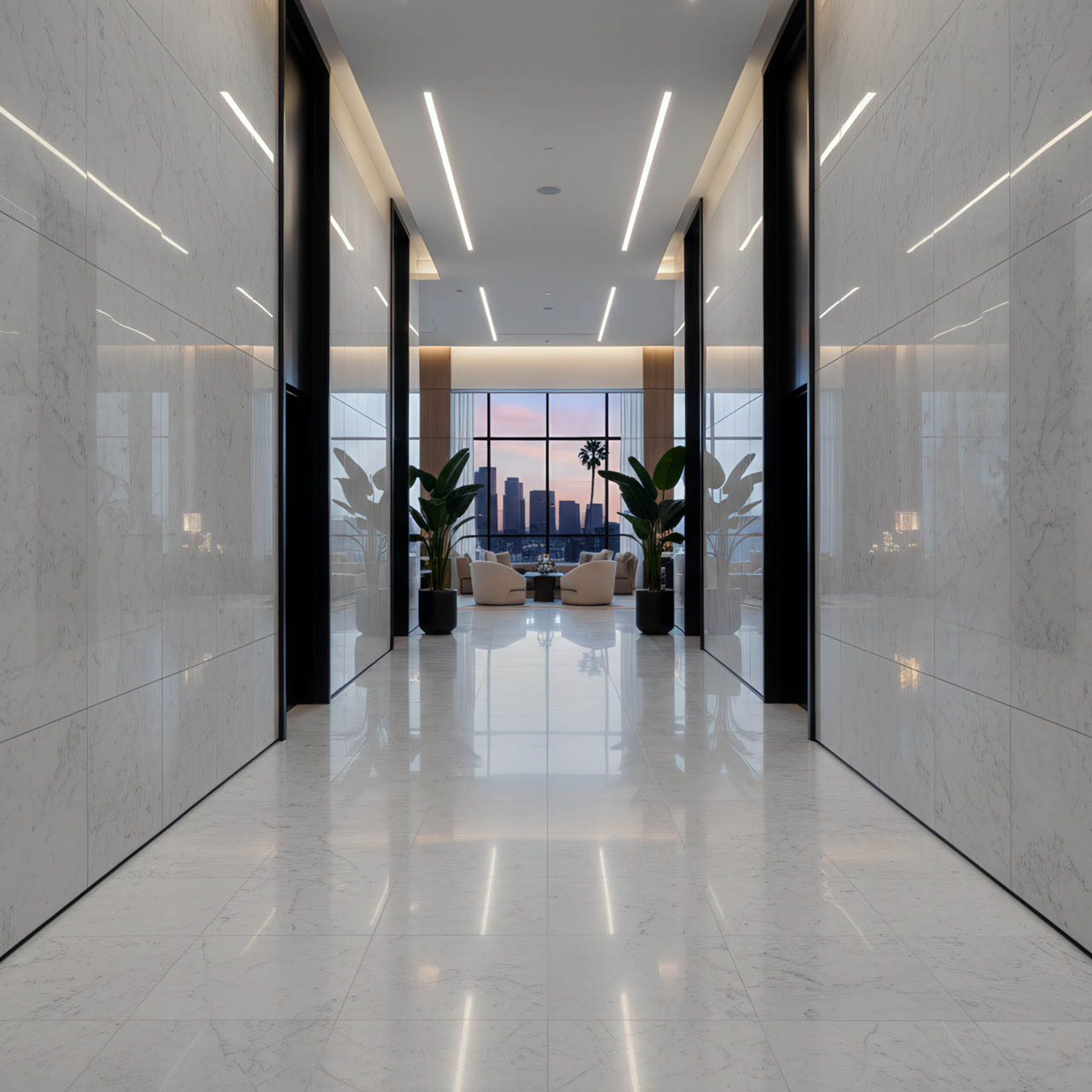
- SL01320Milas20Pearl20Luxury20Los20Angeles20Villa20Corridor
-
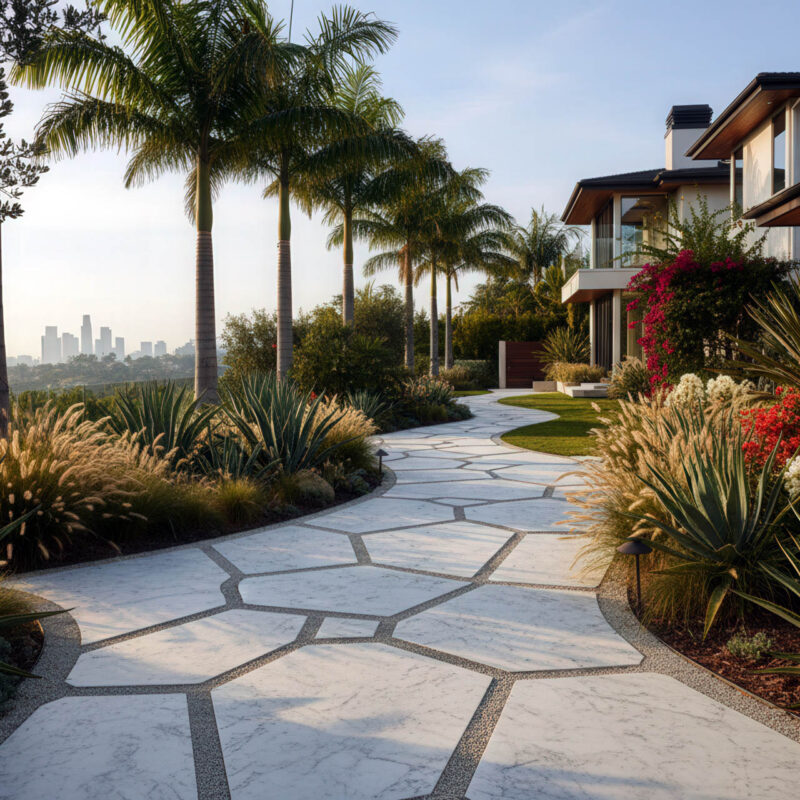
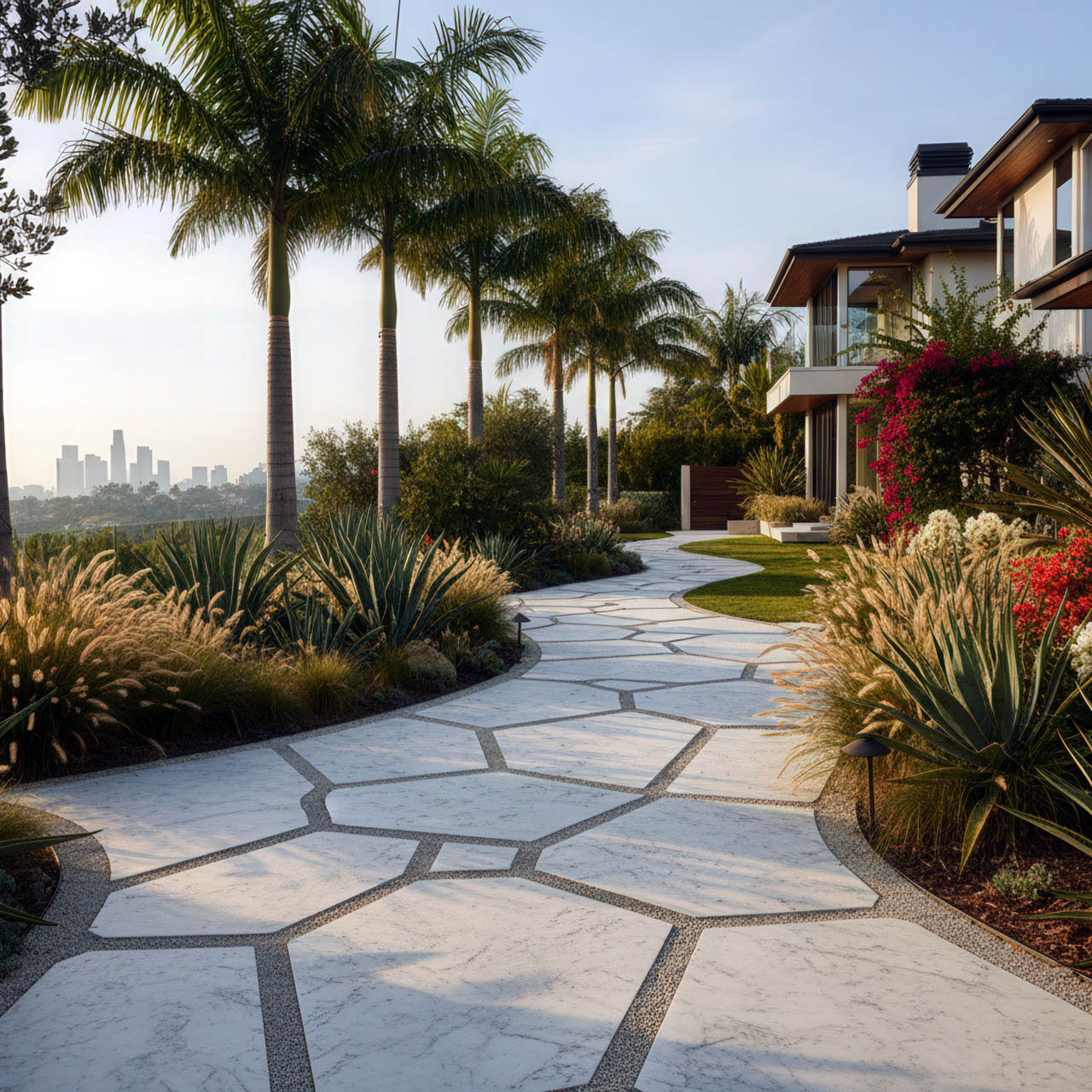
- SL01320Milas20Pearl20Luxury20Los20Angeles20Villa20Garden20Path
-
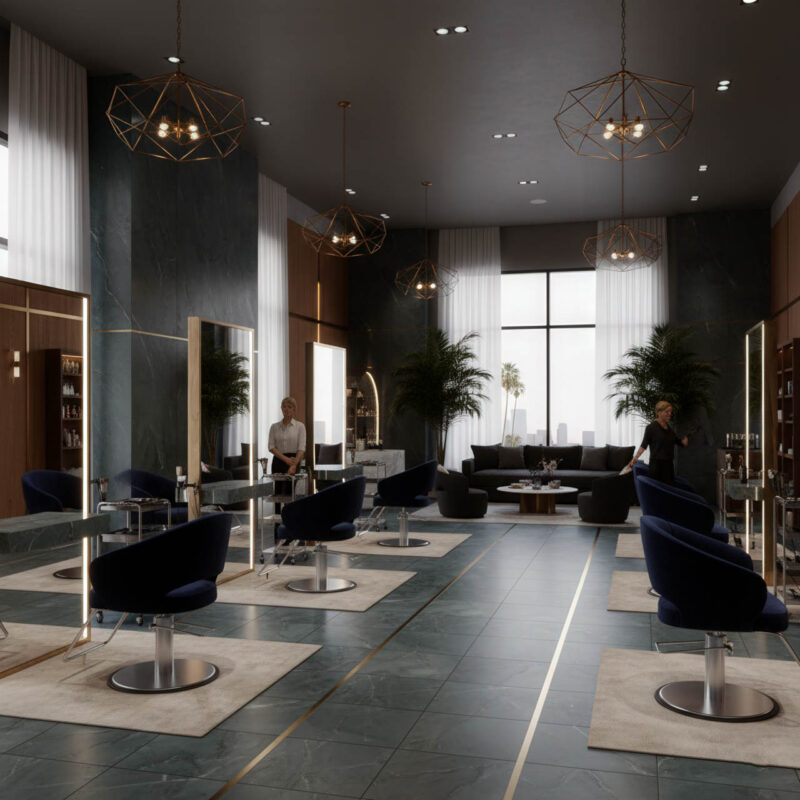
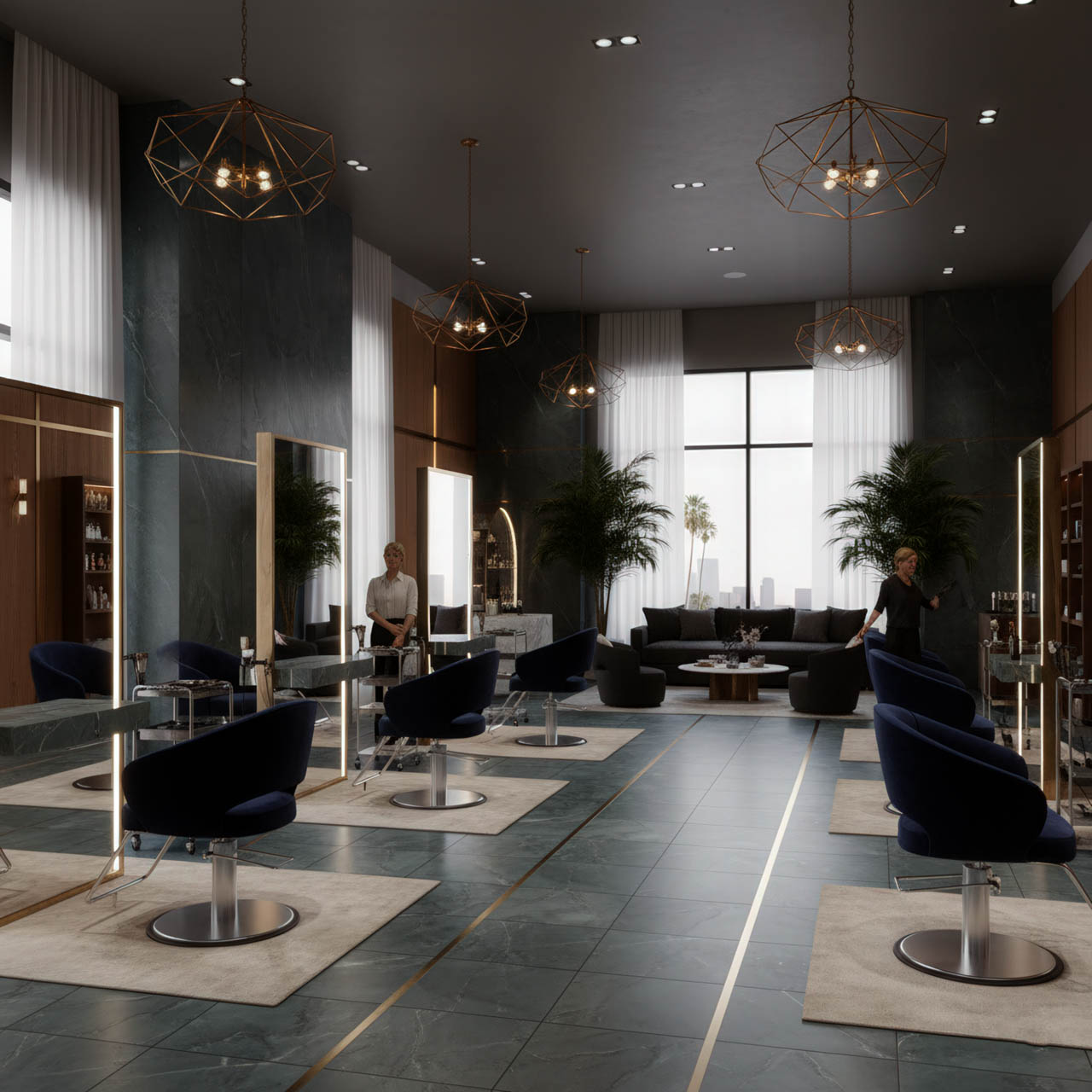
- SL01120Milas20Lemony Luxury20Los20Angeles20Villa20Salon
Historical Examples of “Lucky” Marble Houses
While many ancient structures used marble for prestige, several historical residential contexts specifically highlight its role in bringing “good fortune” or protection:
- The House of the Faun (Pompeii)
This was one of the largest and most impressive private residences in ancient Pompeii. It utilized extensive marble decorations and mosaics. The entrance featured the word “HAVE” (a Latin greeting meaning “Hail” or “Be Well”). The use of high-quality marble in the atrium was designed not just for status, but to create a “Sacred Space” that protected the family’s health and wealth from external misfortune.
- The Taj Mahal (Agatha, India)
While primarily a mausoleum, it was designed as a “House of Paradise.” The white Makrana marble was chosen for its spiritual purity. Historically, the reflective quality of the marble was believed to mirror the light of the soul, ensuring that the luck and peace of the occupants (even in the afterlife) remained undisturbed.
- Renaissance Palazzos (Italy)
During the Renaissance, wealthy merchants in Venice and Florence (such as the Medici family) used marble in their internal courtyards. They believed that marble’s durability would ensure the longevity of the family lineage. A house that stood the test of time was, by definition, a “lucky” house.
-
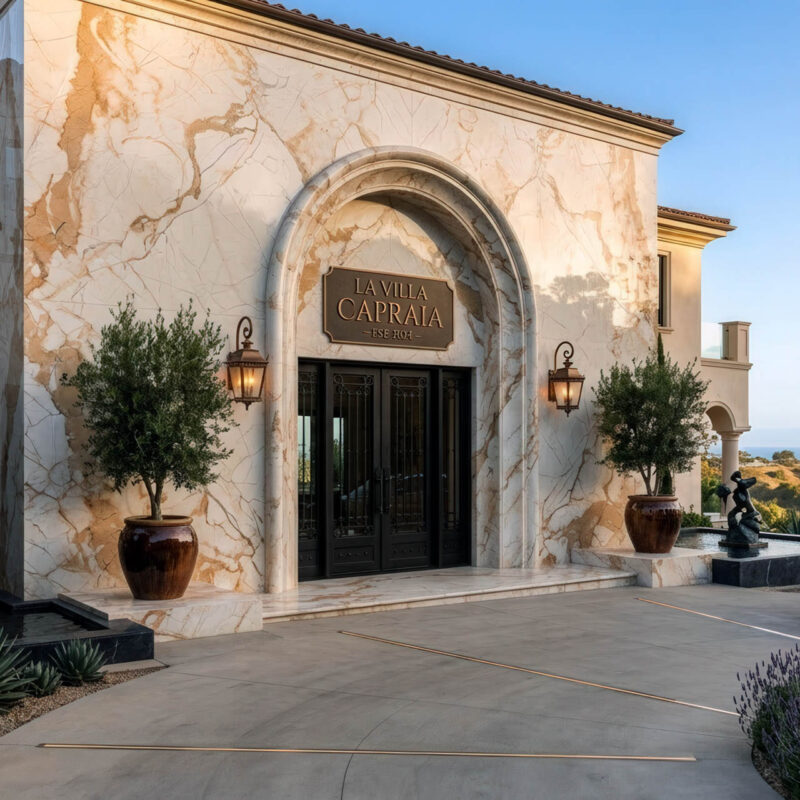
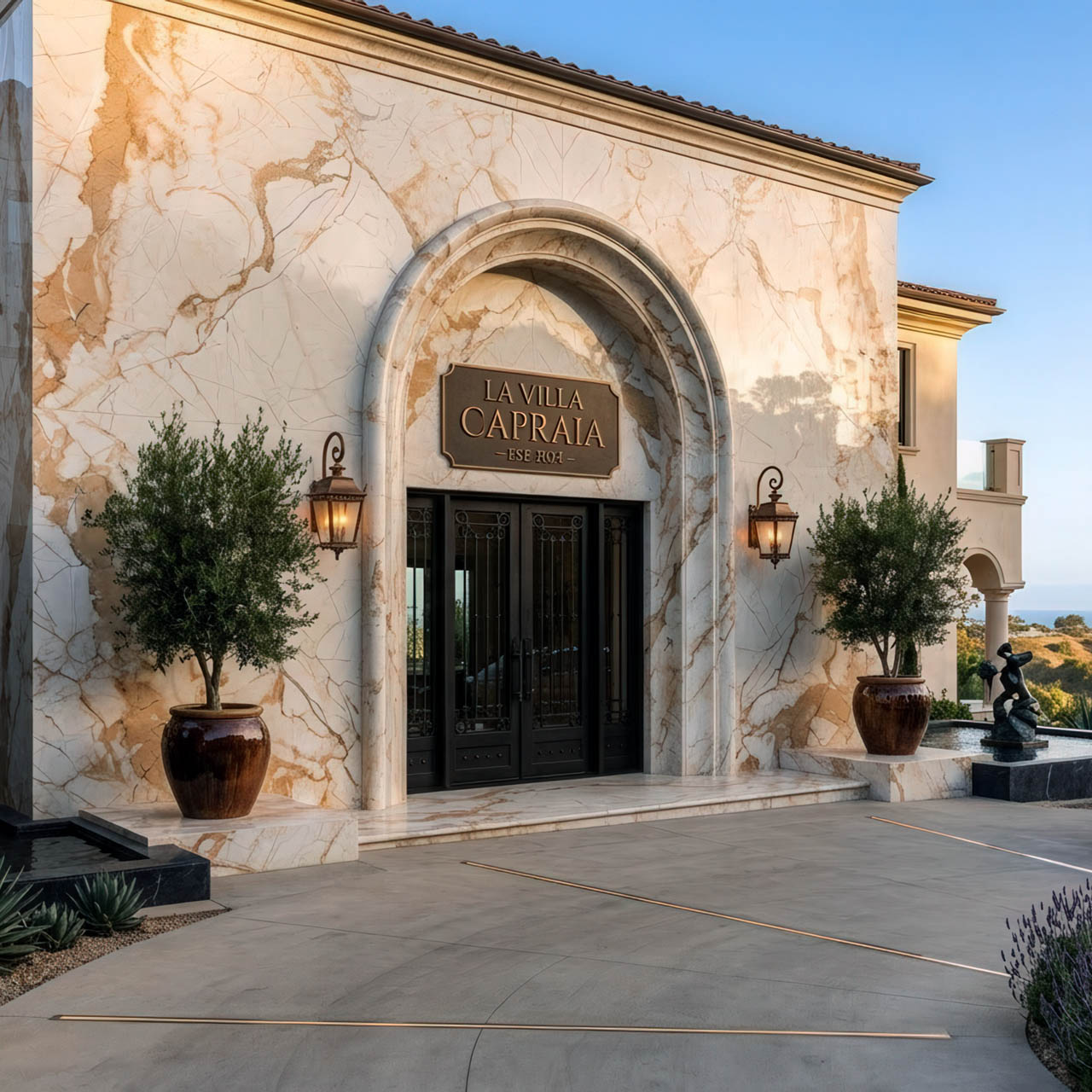
- SL00120Aegean20Cloudy20Beige20Luxury20Los20Angeles20Villa20Enterance
-
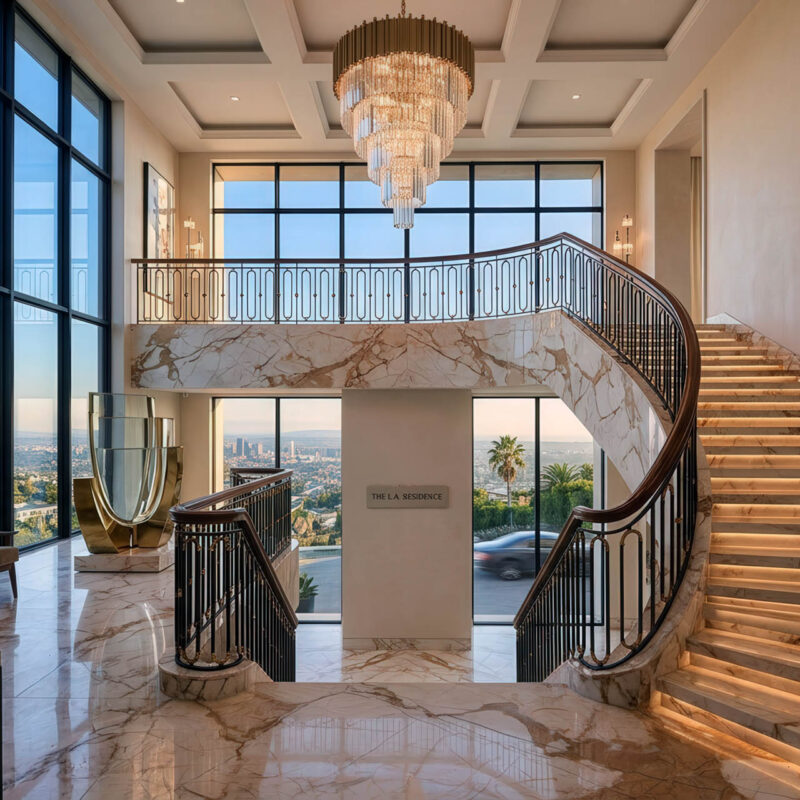
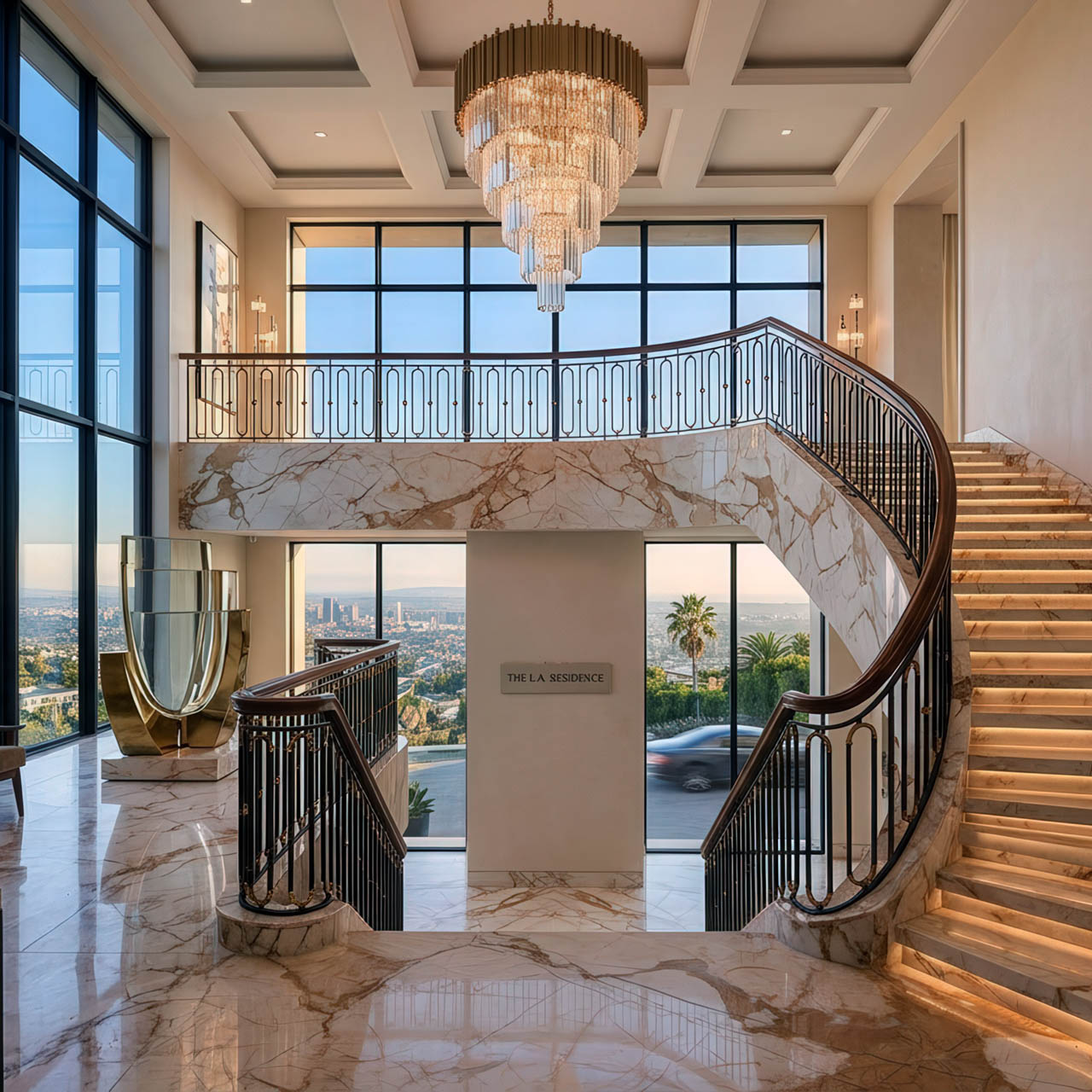
- SL00120Aegean20Cloudy20Beige20Los20Angeles20Luxury20Villa20Stairs
-
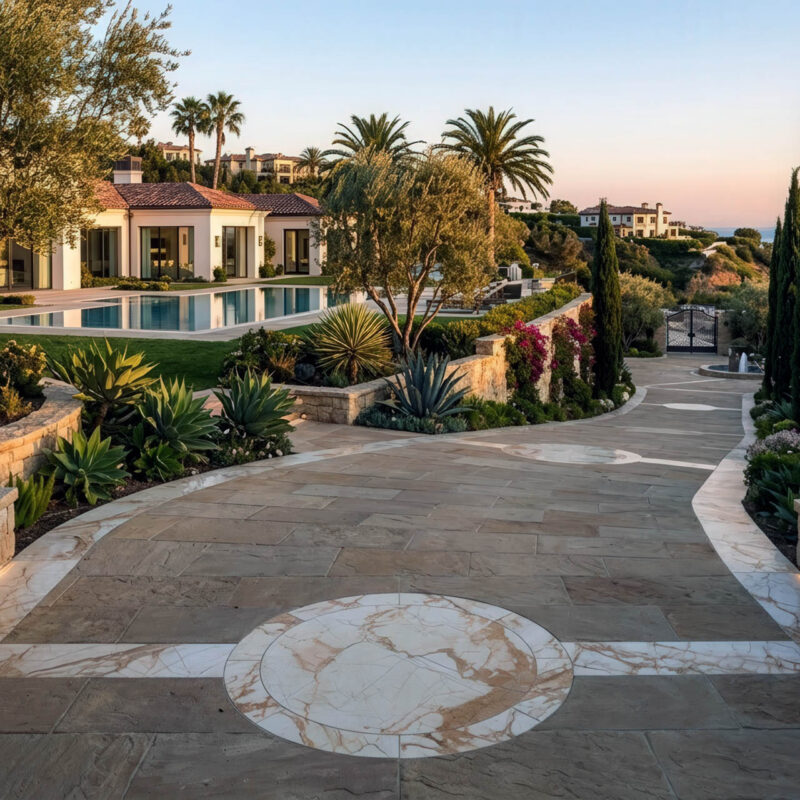
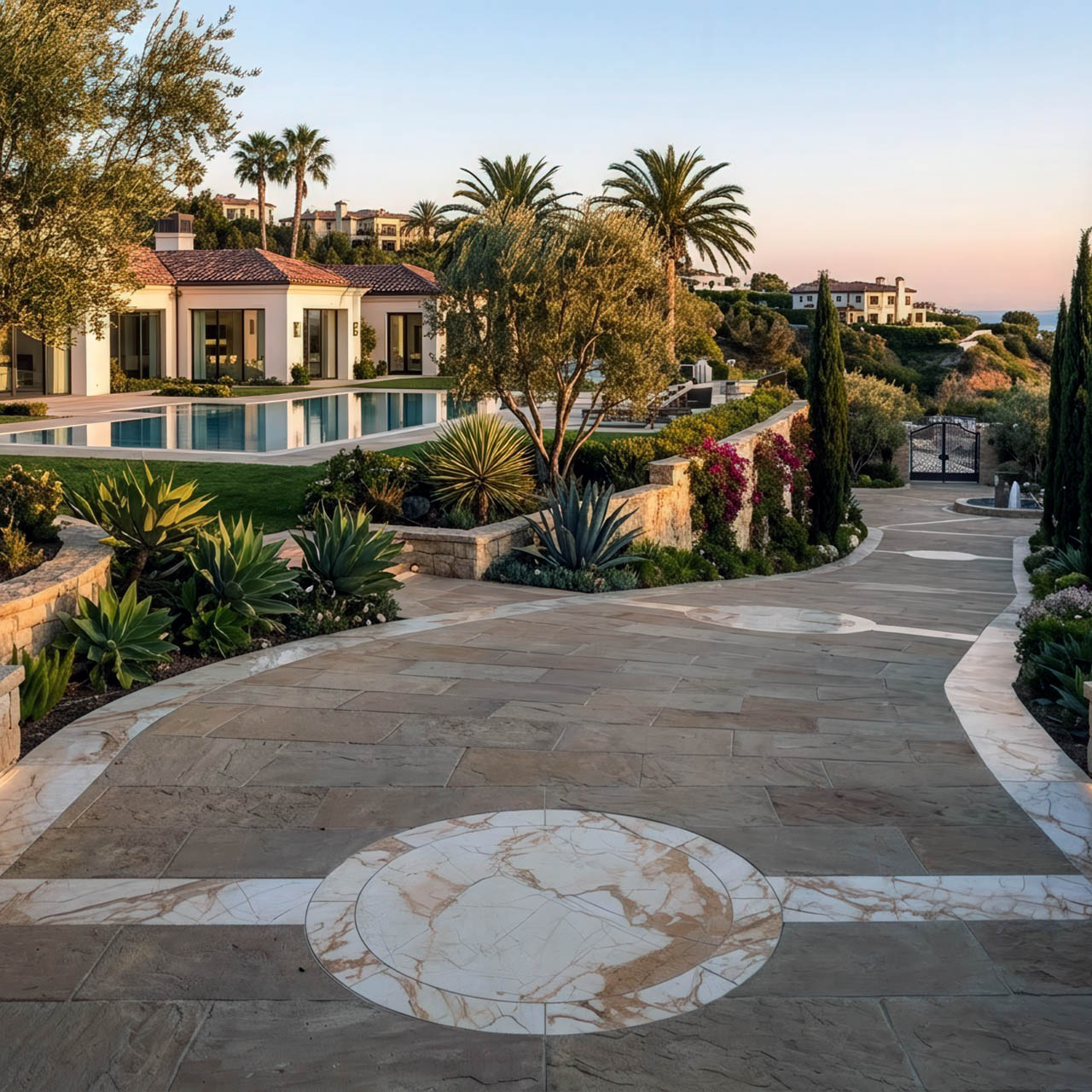
- SL00120Aegean20Cloudy20Beige20Luxury20Los20Angeles20Villa20Garden20Path
-
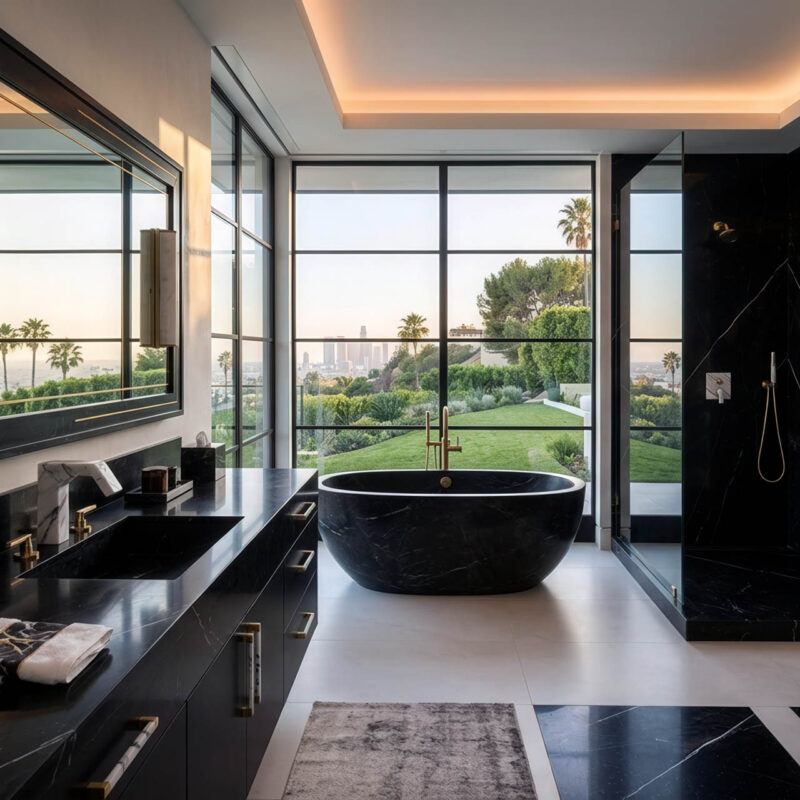
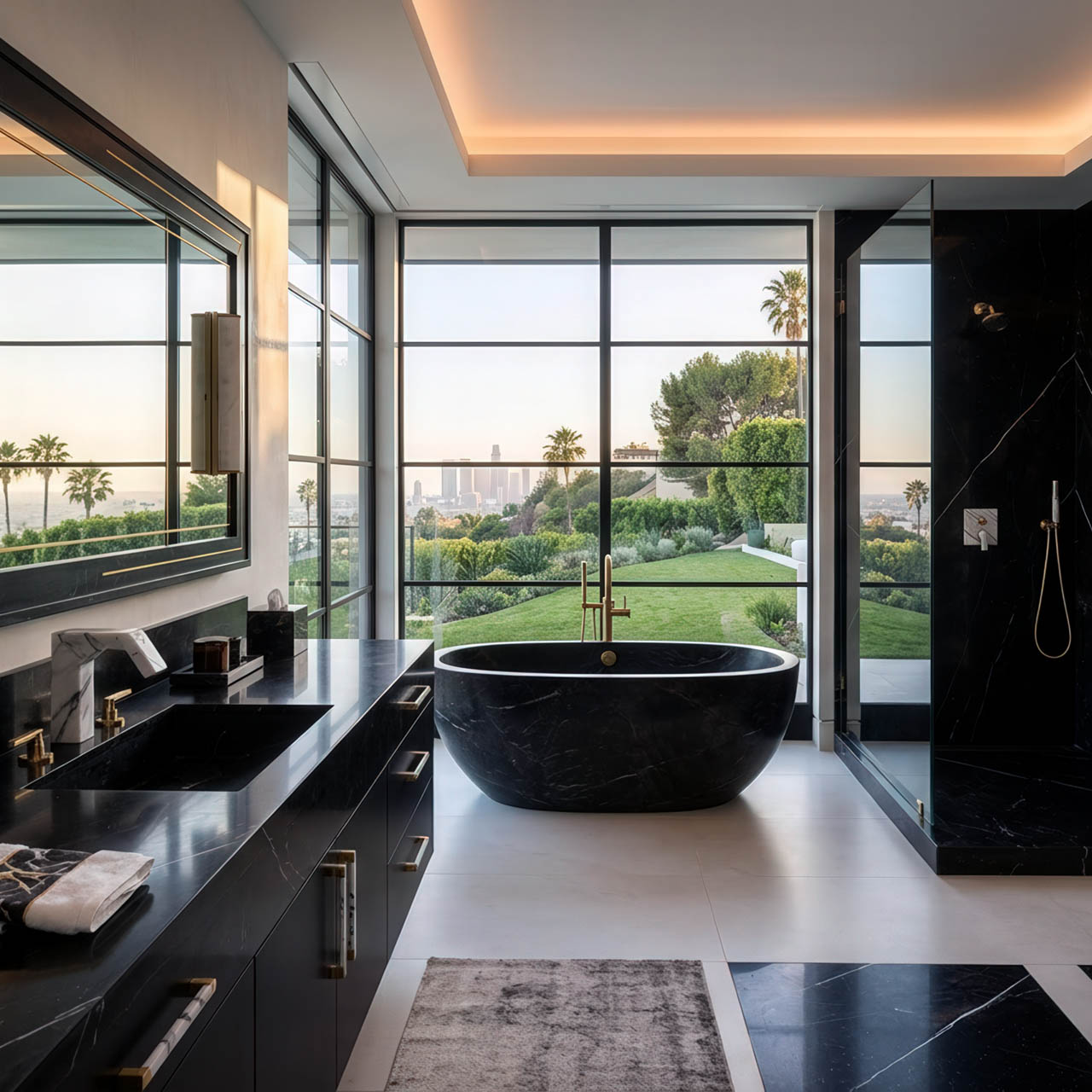
- SL00320Black20Pearl2020Luxury20Los20Angeles20Villa20Bathroom
-
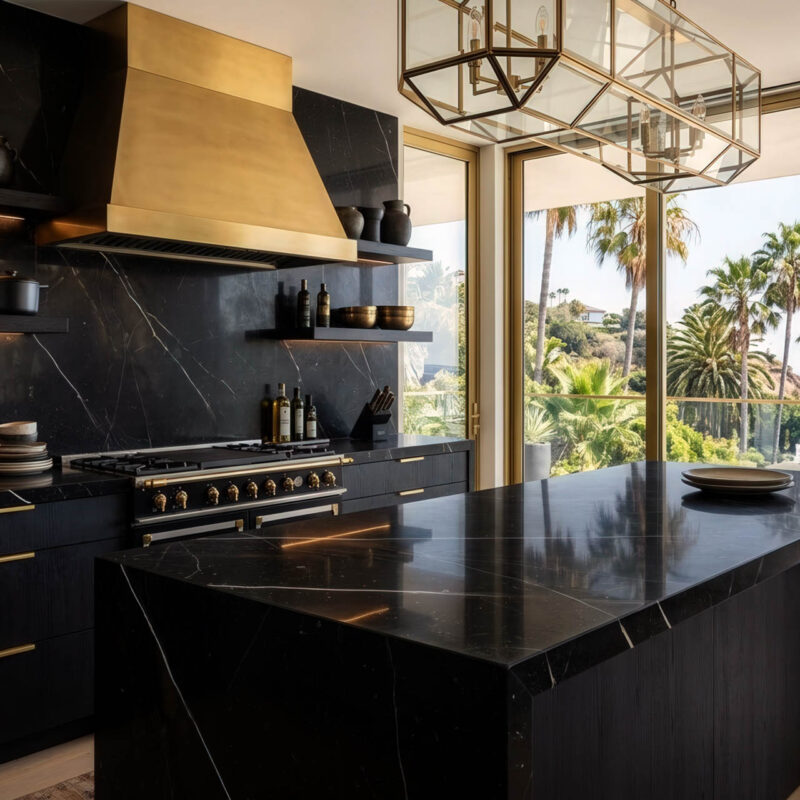
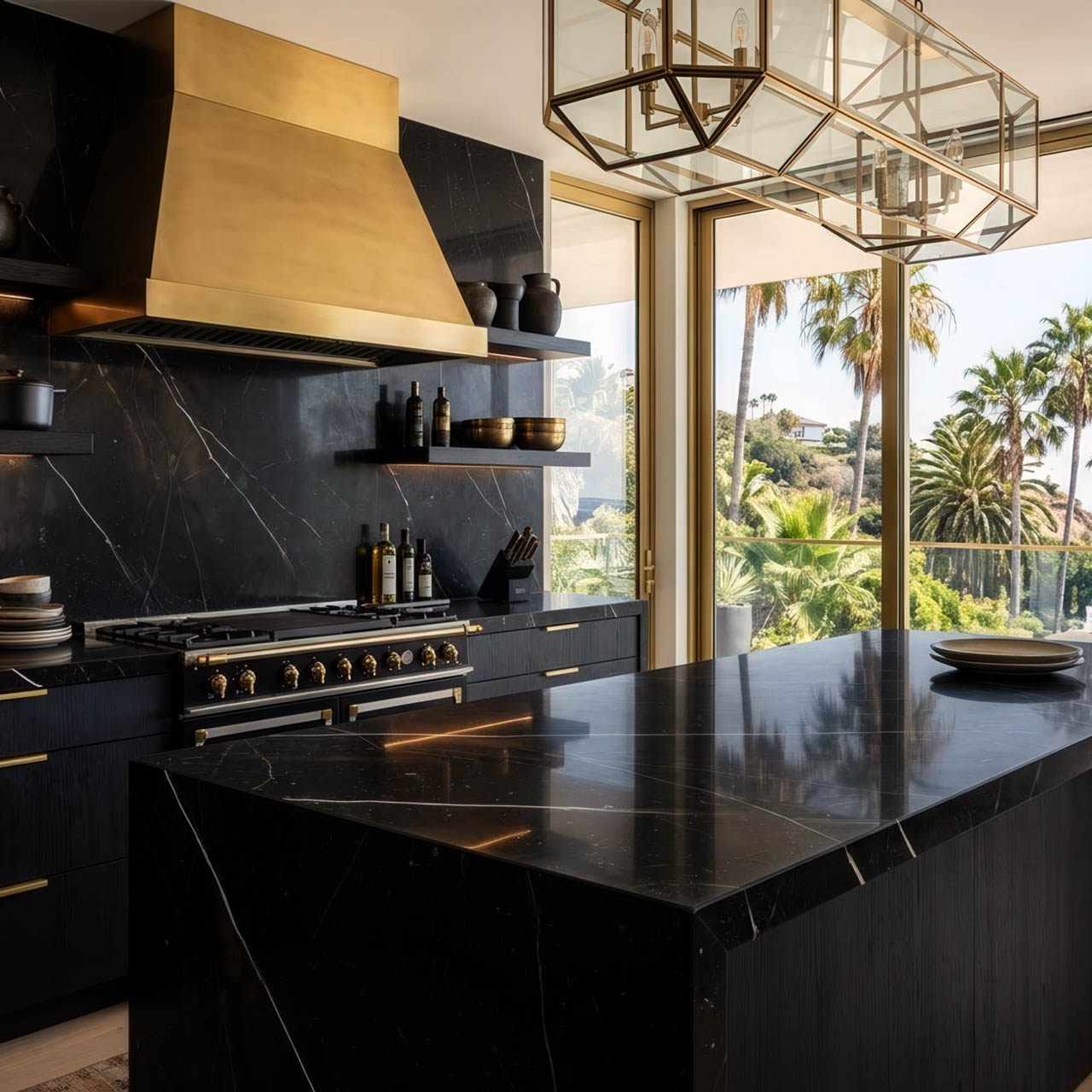
- SL00320Black20Pearl2020Luxury20Los20Angeles20Villa20Kitchen
-
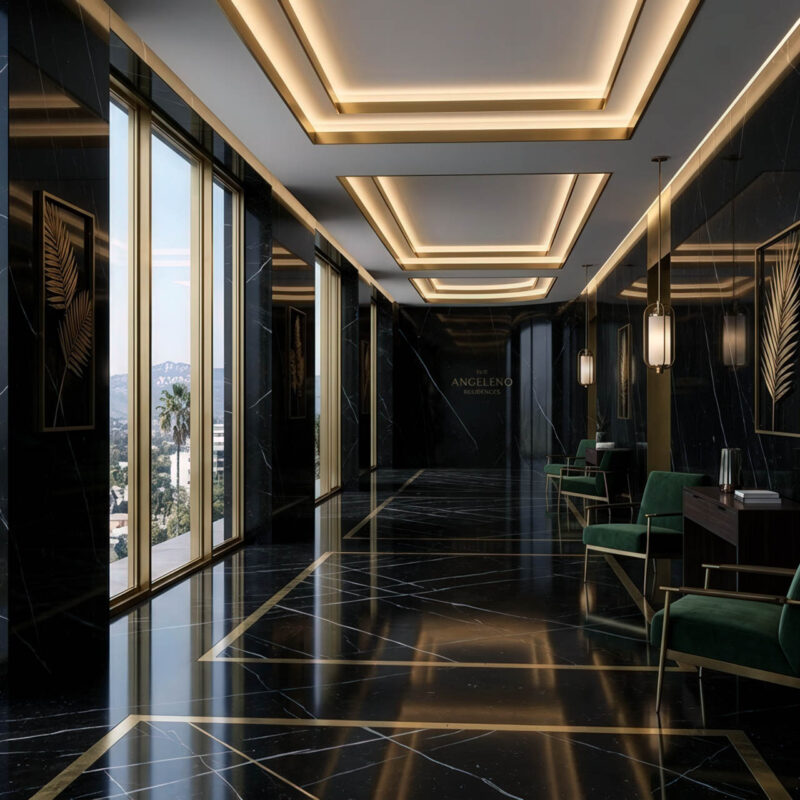
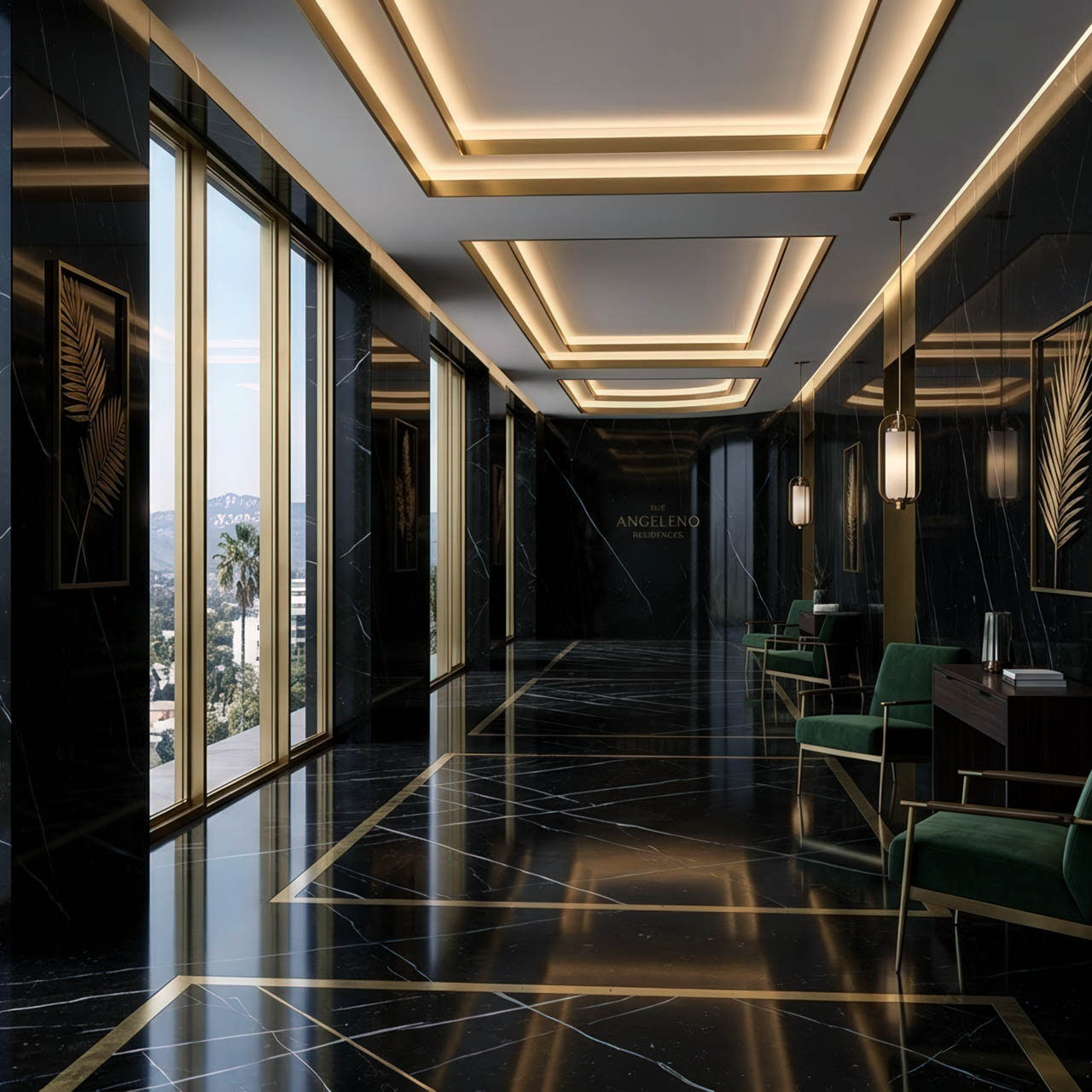
- SL00320Black20Pearl2020Luxury20Los20Angeles20Villa20Cooridor
-
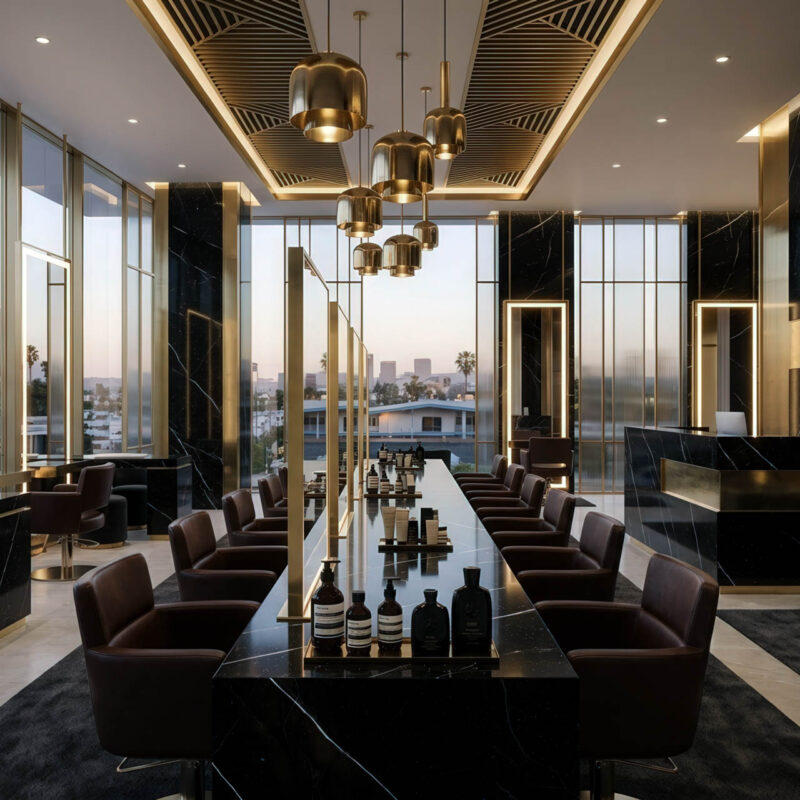
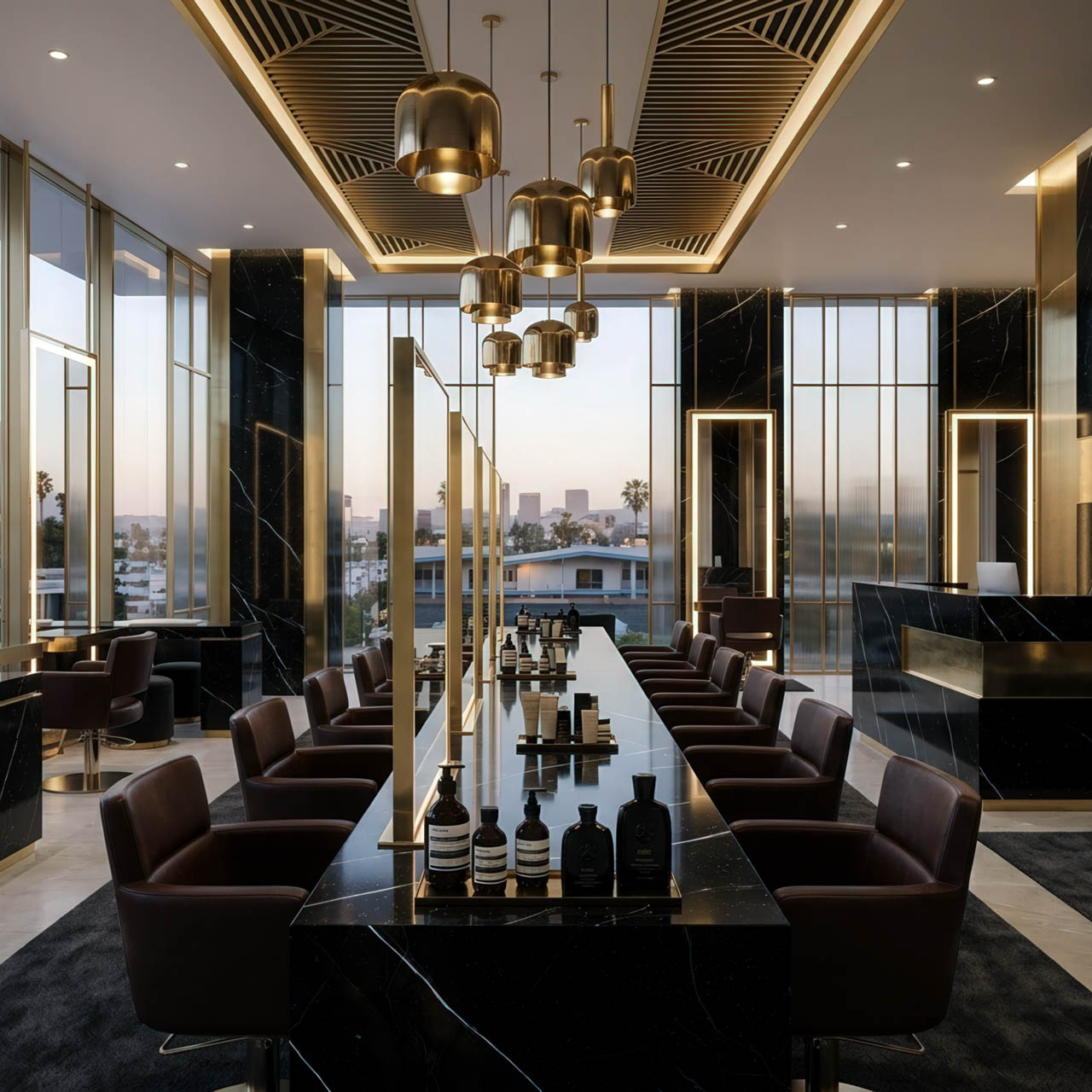
- SL00320Black20Pearl2020Luxury20Los20Angeles20Villa20Salon.
-
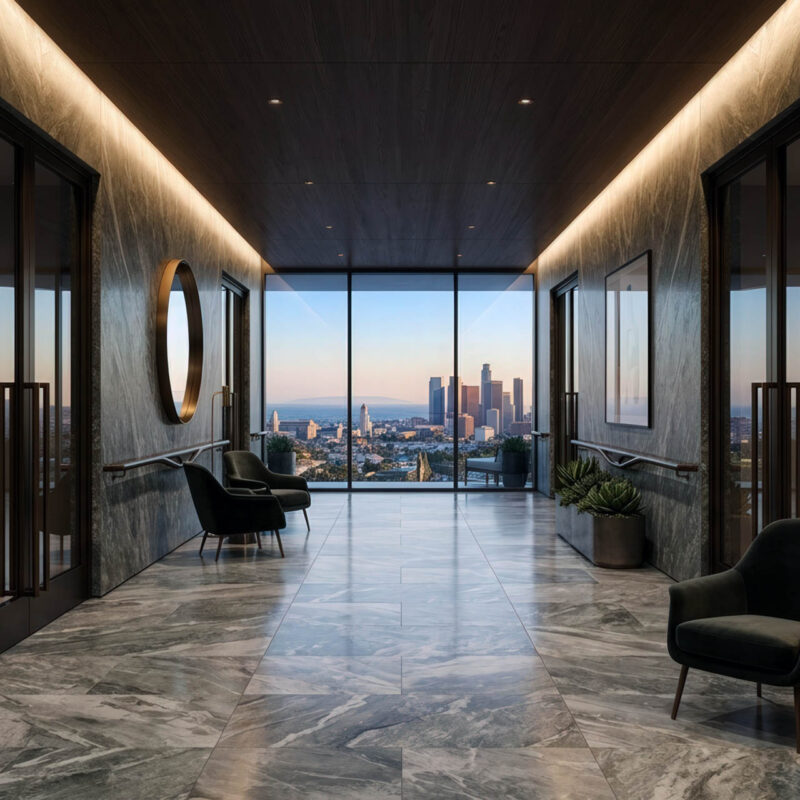
- SL00220Aegean20Silver20Los20Angeles20Luxury20Villa20Corridor
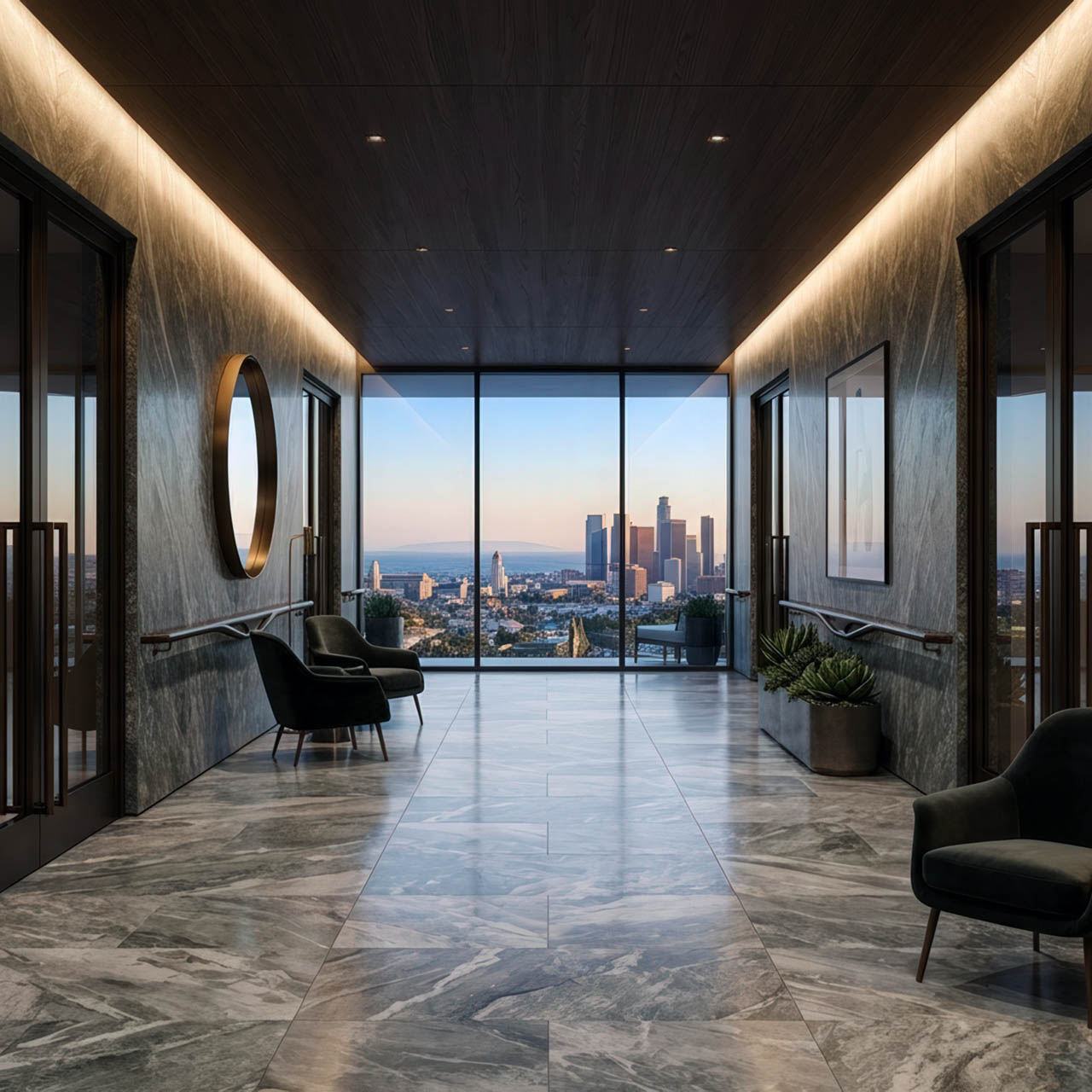
-
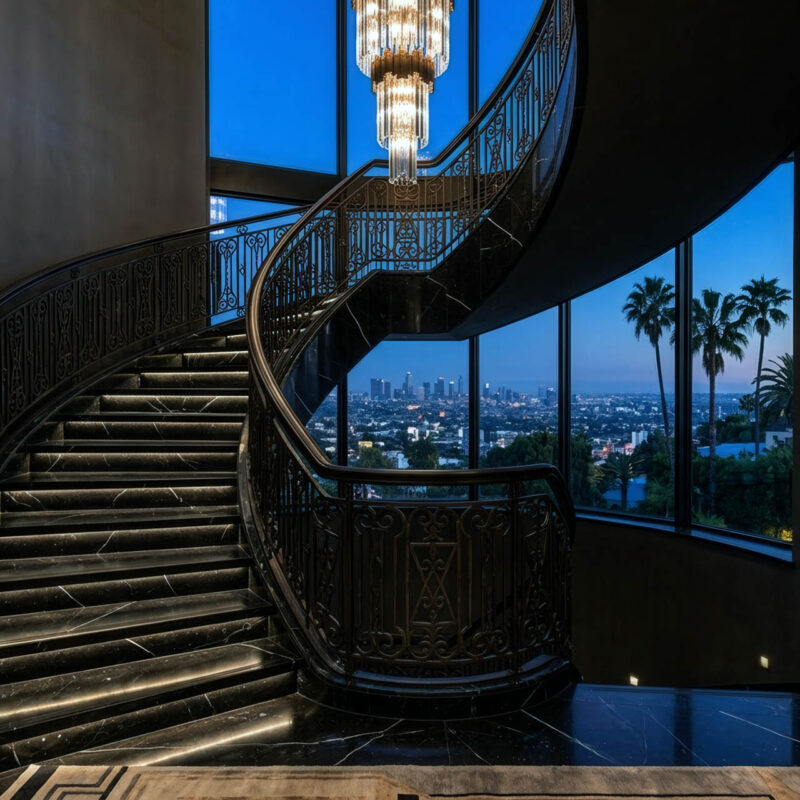
- SL00320Black20Pearl2020Luxury20Los20Angeles20Villa20Stairs
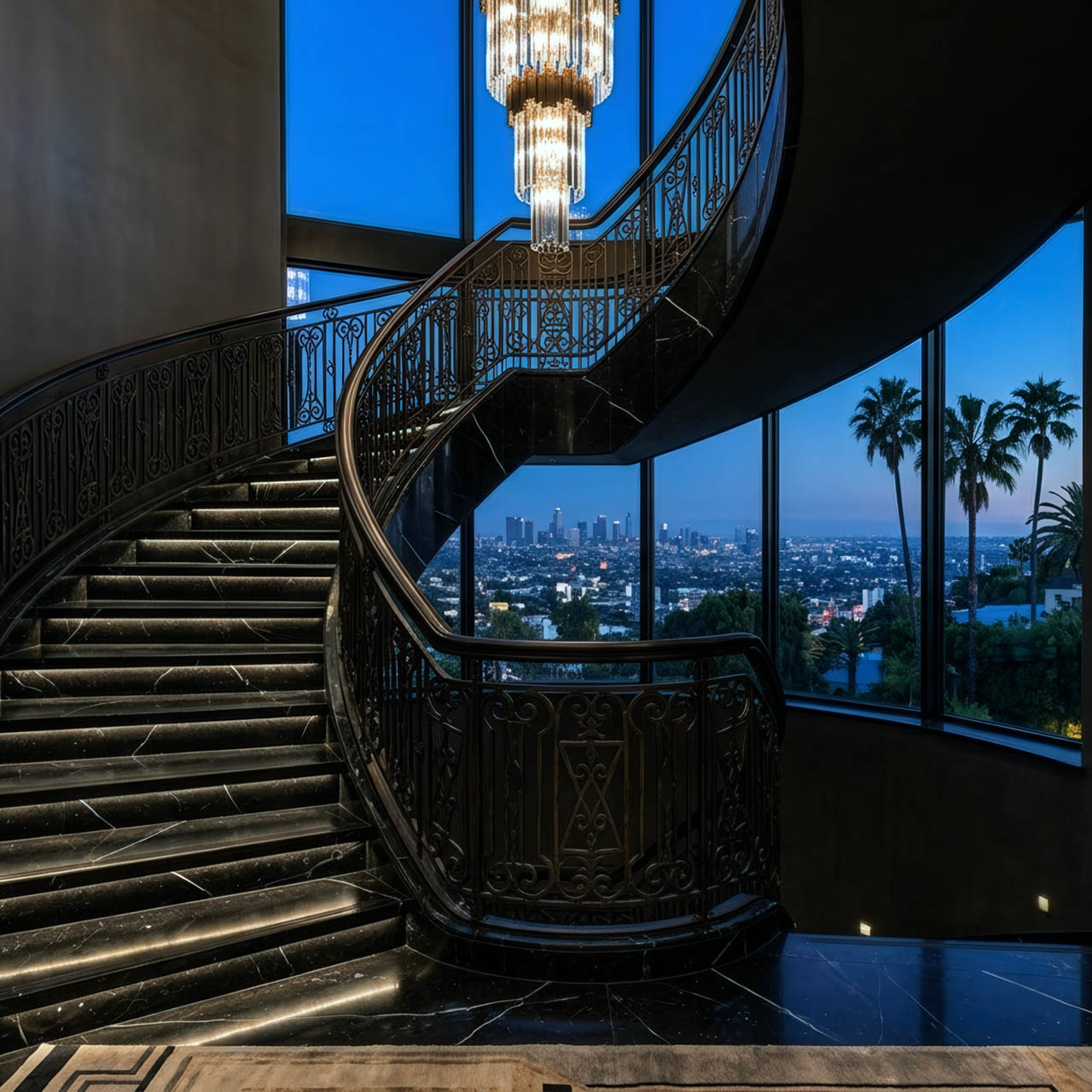
-
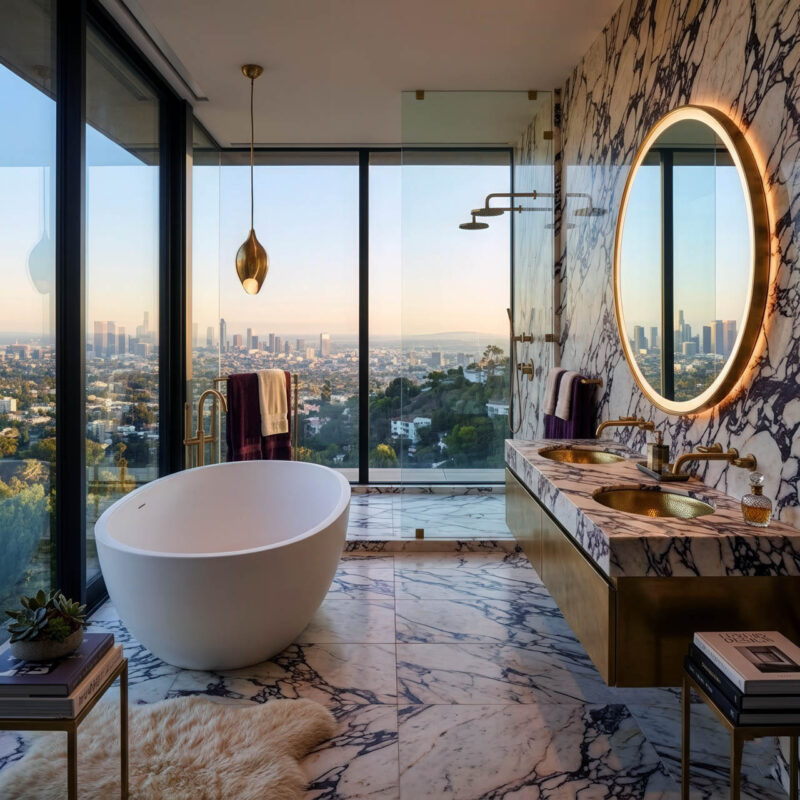
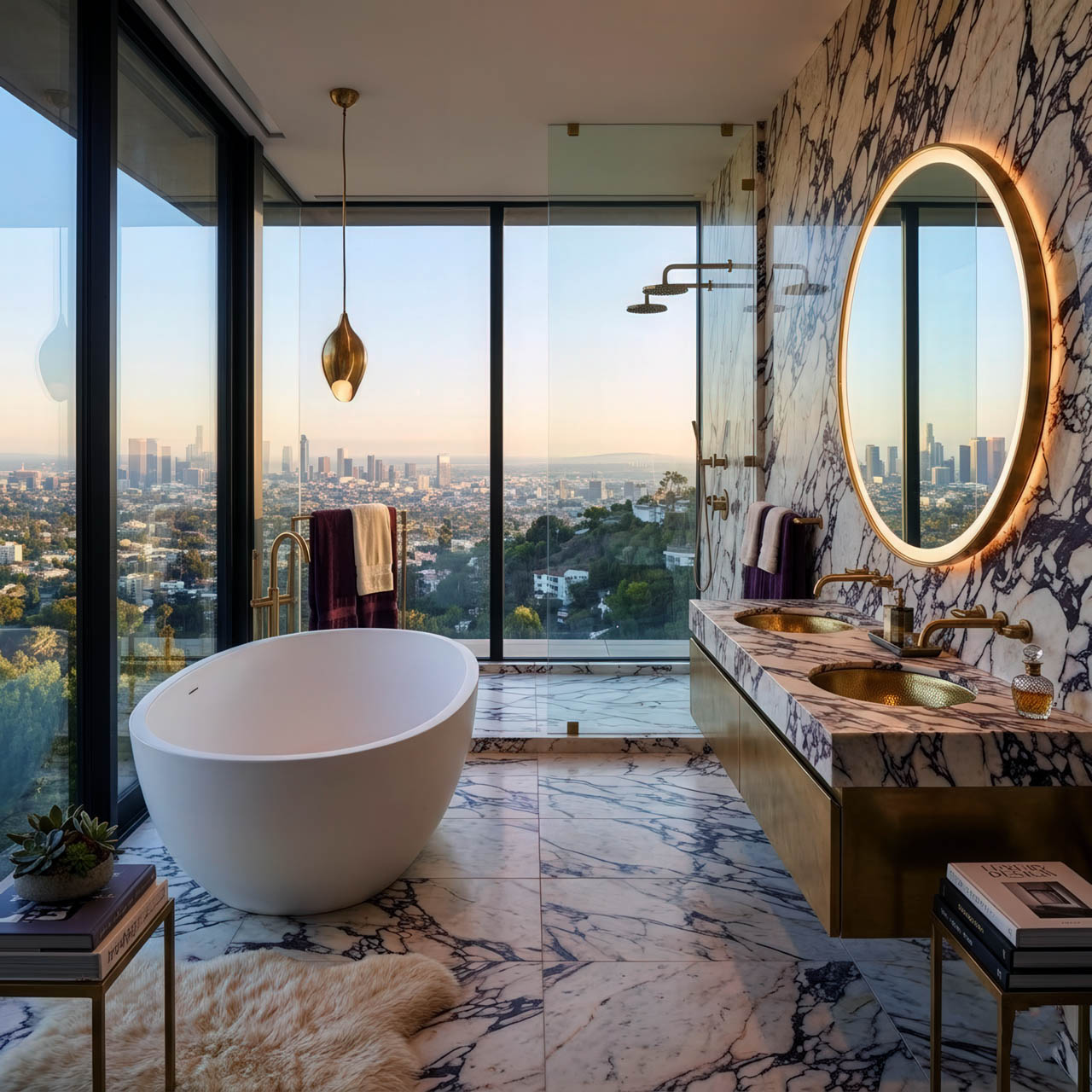
- SL00520Calacatta20Viola20Luxury20Los20Angeles20Villa20Bathroom
-
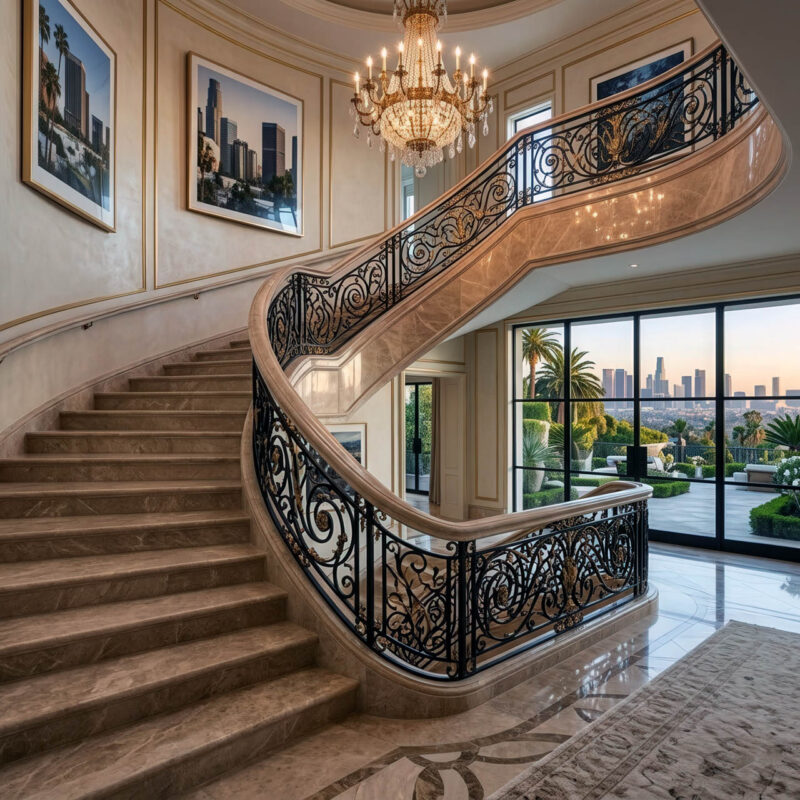
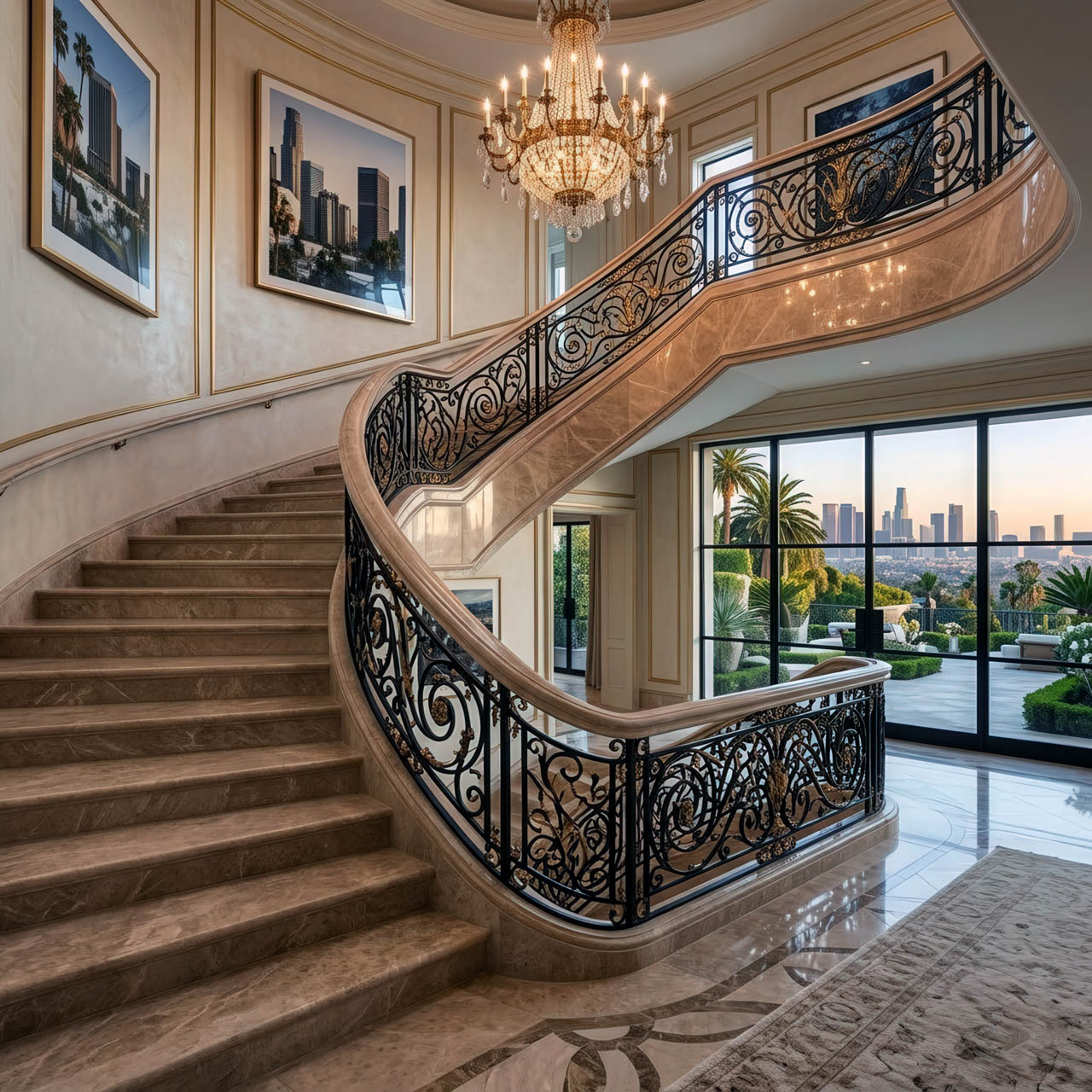
- SL00620Cappuccino20Beige20Luxury20Los20Angeles20Villa20Stairs
-
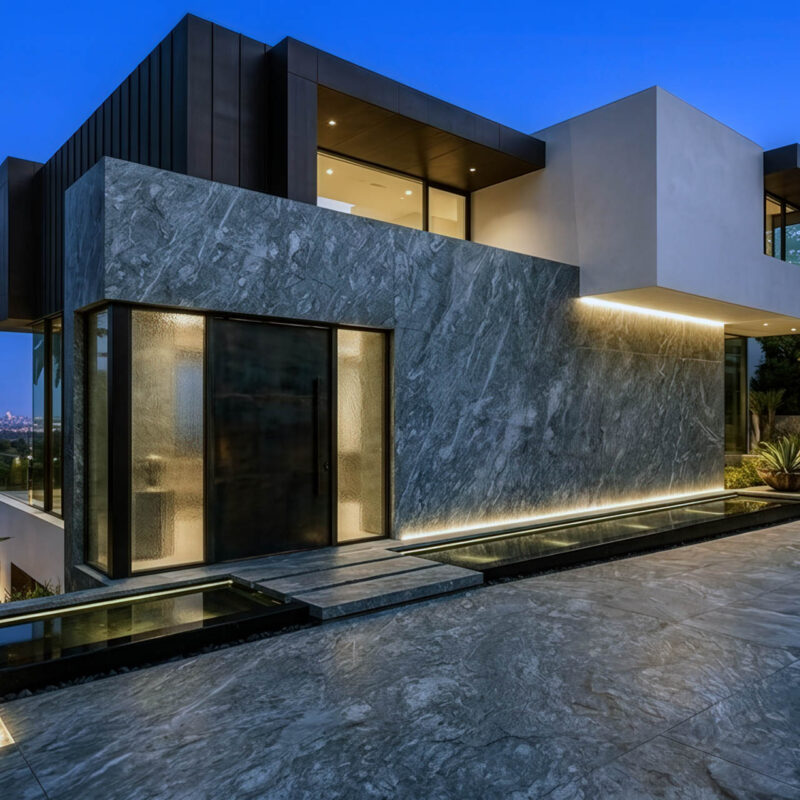
- SL00220Aegean20Silver20Luxury20Los20Angeles20Villa20Enterance
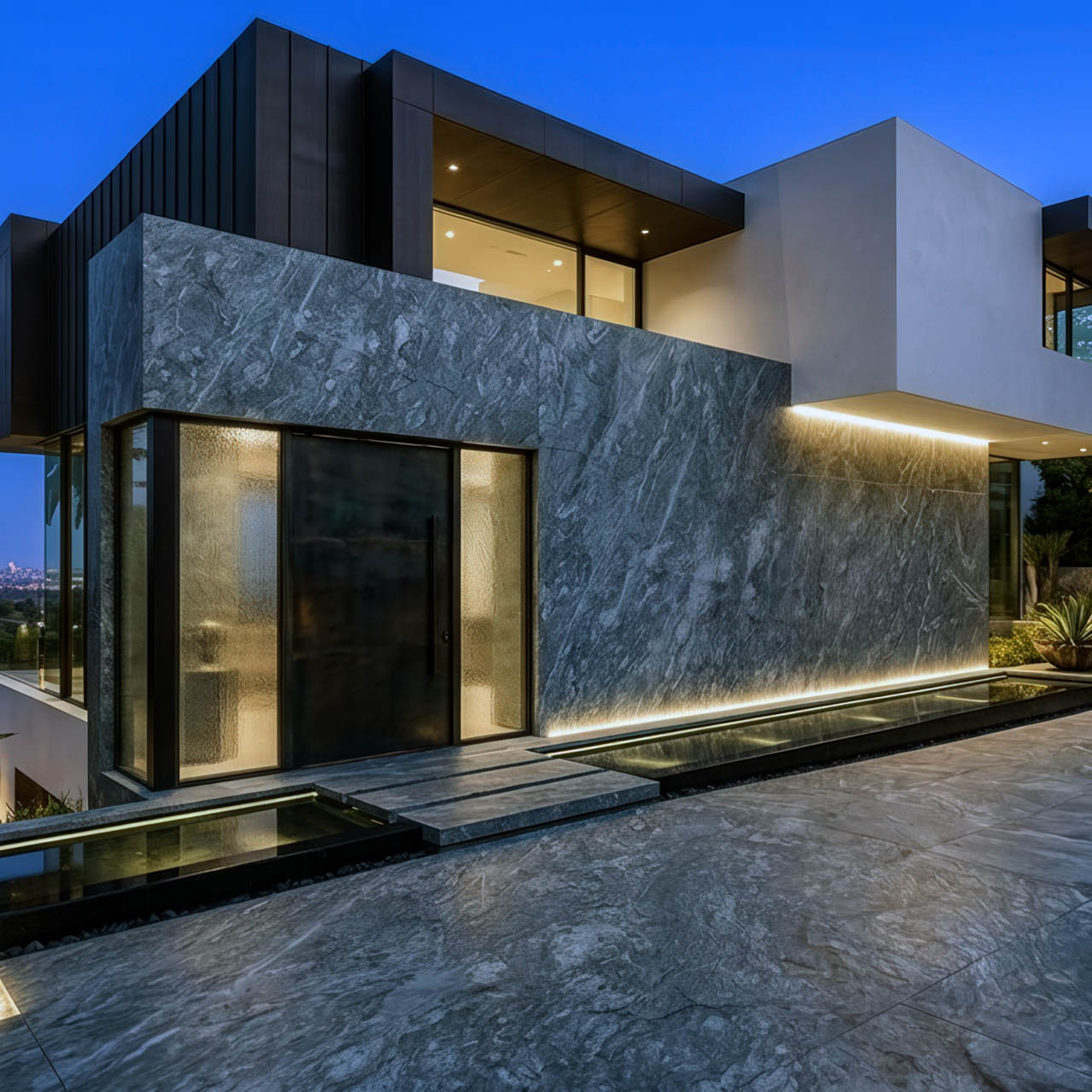
Why Marble is Considered “Lucky” Today
Beyond mysticism, the “luck” associated with marble often comes from its practical benefits:
- Durability: A material that lasts centuries symbolizes a legacy that cannot be easily broken.
- Purity: Its natural veining and resistance to heat make it feel “clean,” which many cultures equate with a clear mind and positive spirit.
- Biophilia: As a natural stone, marble connects indoor spaces with the outdoors, which has been shown to improve well-being and “good vibes” within a living space.
Whether viewed through the lens of ancient mythology or modern psychology, marble remains a premier choice for those looking to build a home that feels both protected and prosperous.
Do you find that clients are more interested in the spiritual history of the stone or its technical durability when choosing a material?
Beyond just general “good luck,” marble has historically been used by kings and emperors as a talisman of power, protection, and divine favor. For these rulers, marble was a medium that physically anchored their “luck” or destiny into the earth.
Here are a few specific historical “sparkles” where marble was tied to the fate and fortune of royalty:
- The Legend of the “Marbled King” (Constantine XI)
One of the most enduring legends in Eastern history concerns the last Byzantine Emperor, Constantine XI Palaiologos. When Constantinople fell in 1453, folklore claimed he didn’t actually die. Instead, an angel turned him into marble and hid him in a cavern beneath the Golden Gate.
- The Symbolism: Marble here represents a “stasis of luck.” The belief was that the “Marbled King” would one day wake up and restore the empire to its former glory. In this context, marble is the ultimate protector of a royal soul, preserving it until the time for “good fortune” returns.
- Augustus and the “Empire of Luck”
The first Roman Emperor, Augustus, famously boasted: “I found Rome a city of bricks and left it a city of marble.”
- The Sparkle: For Augustus, marble was not just about luxury; it was a psychological tool. By replacing crumbling brick with gleaming Carrara marble, he signaled to the gods and the citizens that the era of civil war (bad luck) was over and the Pax Romana (an era of divine favor) had begun. To the Romans, a marble-clad city was a “lucky” city that the gods would not dare to destroy.
- The “Çintemani” Protection in the Ottoman Harem
In the Topkapı Palace, specifically within the Circumcision Room (Sünnet Odası) where the future of the dynasty was secured, marble and tile work frequently feature the Çintemani pattern—three dots and two wavy lines.
- The Luck Factor: This ancient symbol, often carved into or placed alongside marble elements, was a potent charm for power, wisdom, and fortune. It was intended to protect the young princes from the “evil eye” and ensure the “luck” of the Ottoman lineage remained unbroken.
- Louis XIV’s “Hall of Mirrors” (Versailles)
The Sun King, Louis XIV, used marble to “trap” the light, which he considered the source of his royal life-force.
- The Strategy: By lining the Hall of Mirrors with massive amounts of French and Italian marble, he created a space that was constantly “bright.” In 17th-century thought, darkness was associated with misfortune and plotting, while marble’s ability to reflect light was seen as a way to keep the king’s “aura” pure and his reign fortunate.
- The Mughal “Inlaid Luck” (Pietra Dura)
In the palaces of Shah Jahan (the builder of the Taj Mahal), the white marble was often inlaid with semi-precious stones (a technique called Pietra Dura or Parchin Kari).
- The Detail: They used specific stones like Lapis Lazuli (for protection) and Jade (for victory and health) set directly into the marble walls. The marble acted as a “pure canvas” that amplified the protective qualities of these lucky stones, ensuring the palace was a fortress of positive energy.
Summary of “Lucky” Historical Samples:
| Historical Figure | Marble Type/Location | The “Luck” Intent |
| Emperor Augustus | Carrara (Luna) Marble | To turn a “fragile” city into an “eternal” one. |
| Sultan Abdulmecid | Marmara Marble (Dolmabahçe) | To signal a “New Era” of Western-style prosperity. |
| Shah Jahan | Makrana Marble | To create a “Paradise on Earth” that would never decay. |
| Constantine XI | The “Marbled King” | Marble as a protector of the soul for a future resurrection. |
In these examples, the “luck” isn’t just a random wish—it’s permanence. Kings knew that wood rots and brick crumbles, but a marble house “locks in” their success for centuries.
Since you deal with these materials every day, do you see many modern architects using these historical “royal” patterns (like the Çintemani or specific inlays) in their current projects?