Milas Lilac Marble: The gold standard for architects. Utilizing artificial intelligence, Twinmotion, and 3D design tools for optimal performance.
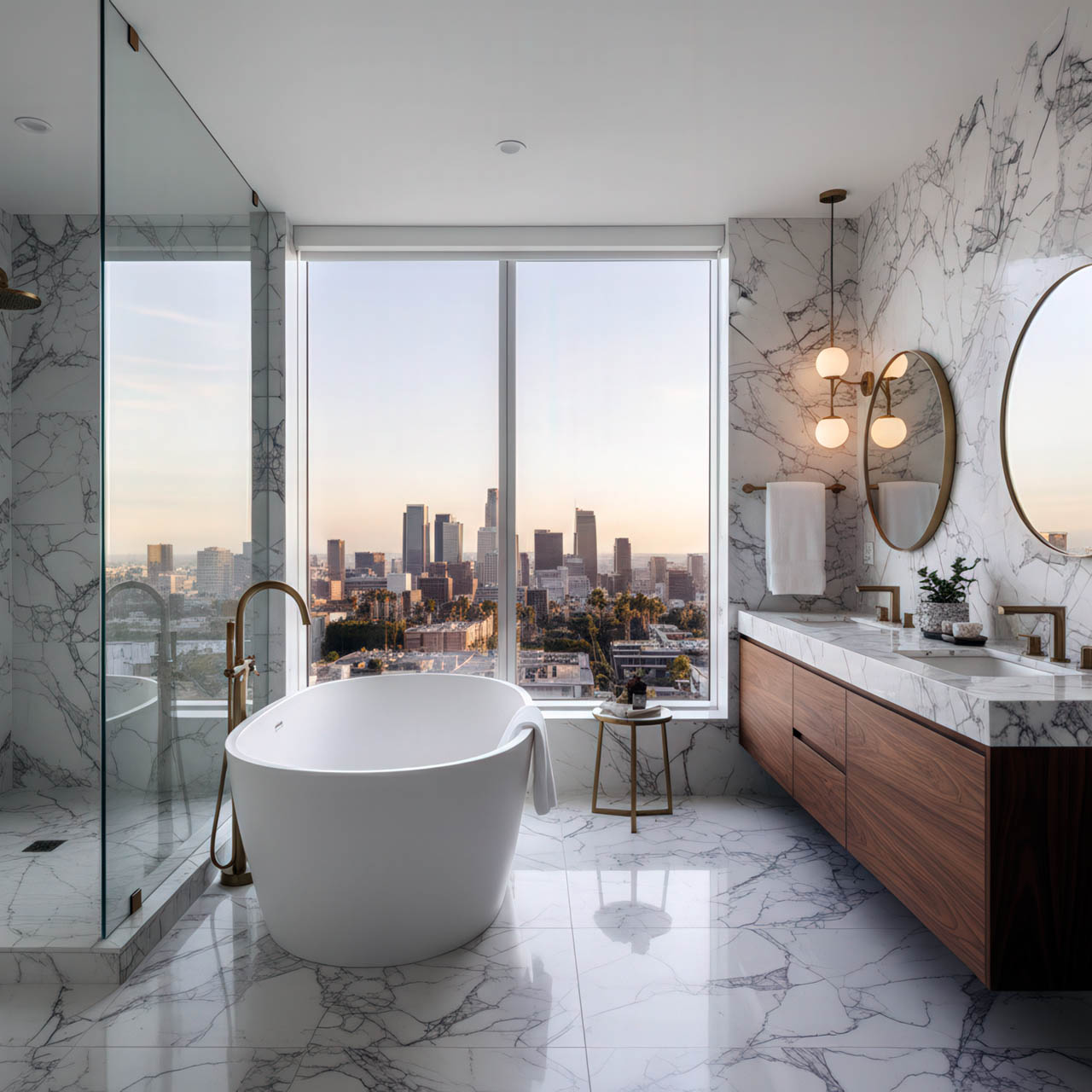
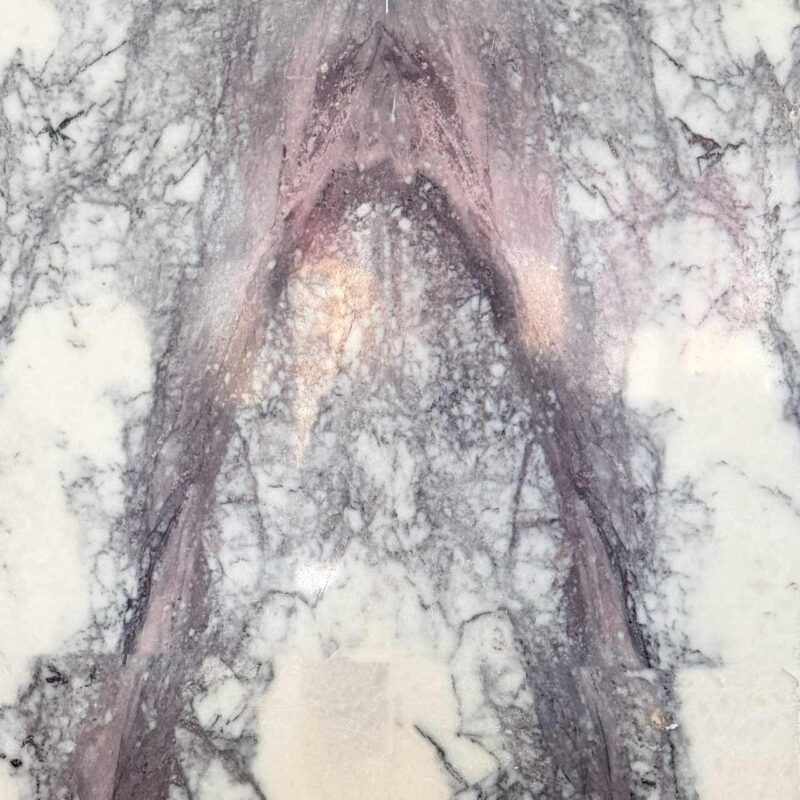
For the modern architect, Milas Lilac Marble is more than a material; it is a dramatic, natural masterpiece. However, translating its intricate purple veining and crystalline depth into a digital environment has historically been a bottleneck.
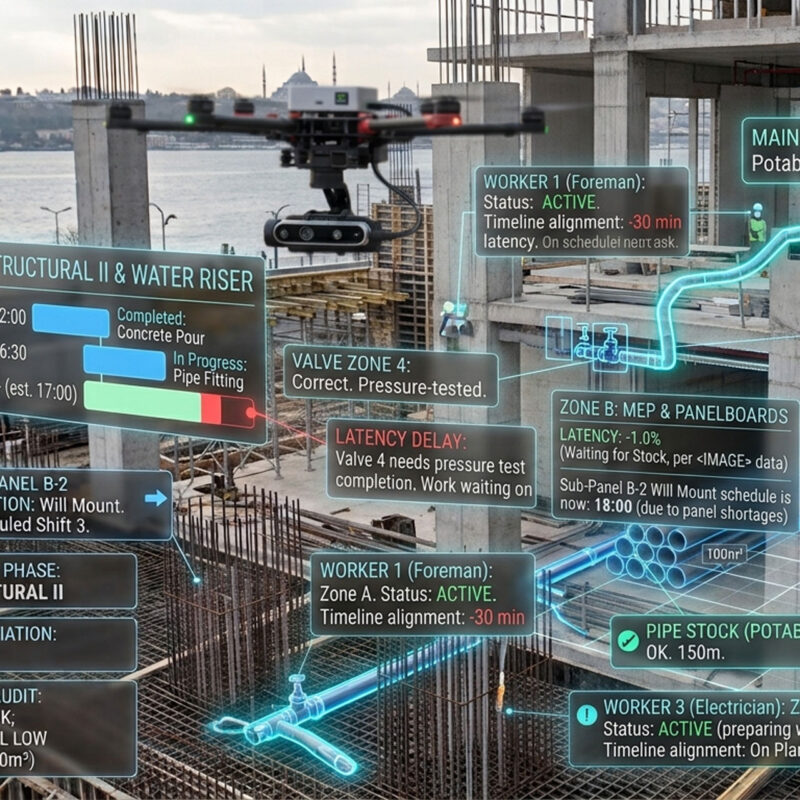
In 2026, the convergence of AI, Twinmotion, and 3D design tools has revolutionized this workflow, allowing architects to move from a raw concept to a photorealistic, immersive experience in minutes rather than days.

1. AI-Driven Texture Generation: Beyond Flat Images
The “gold standard” begins with the material itself. Standard digital textures often suffer from “tiling” patterns that break the illusion of natural stone.
-
PBR Material Synthesis: Using AI tools like the Chaos AI Material Generator or RunDiffusion, architects can now convert a single high-resolution photograph of Milas Lilac into a full set of Physically Based Rendering (PBR) maps.
-
The Result: AI automatically generates the Normal, Roughness, and Specular maps required to simulate how light catches the crystalline structure of the lilac veins, ensuring that the stone reacts realistically to different lighting conditions.
2. Twinmotion 2026: Real-Time Atmosphere
Twinmotion has evolved into the central hub for architectural storytelling. In its 2026 iteration, the software integrates AI directly into the viewport.
-
AI Stylization & Enhancer: New tools like the Twinmotion AI Enhancer allow architects to take a real-time render and instantly apply “photorealism layers.” This automates complex tasks like denoising and color grading, ensuring the violet tones of the Milas Lilac don’t look “muddy” but stay vibrant and sharp.
-
Direct Link Workflow: Through the Datasmith plugin, changes made in your BIM software (Revit 2026 or SketchUp) appear instantly in Twinmotion. If you decide to swap a Muğla White floor for a Milas Lilac statement wall, the lighting and reflections adjust in real-time.
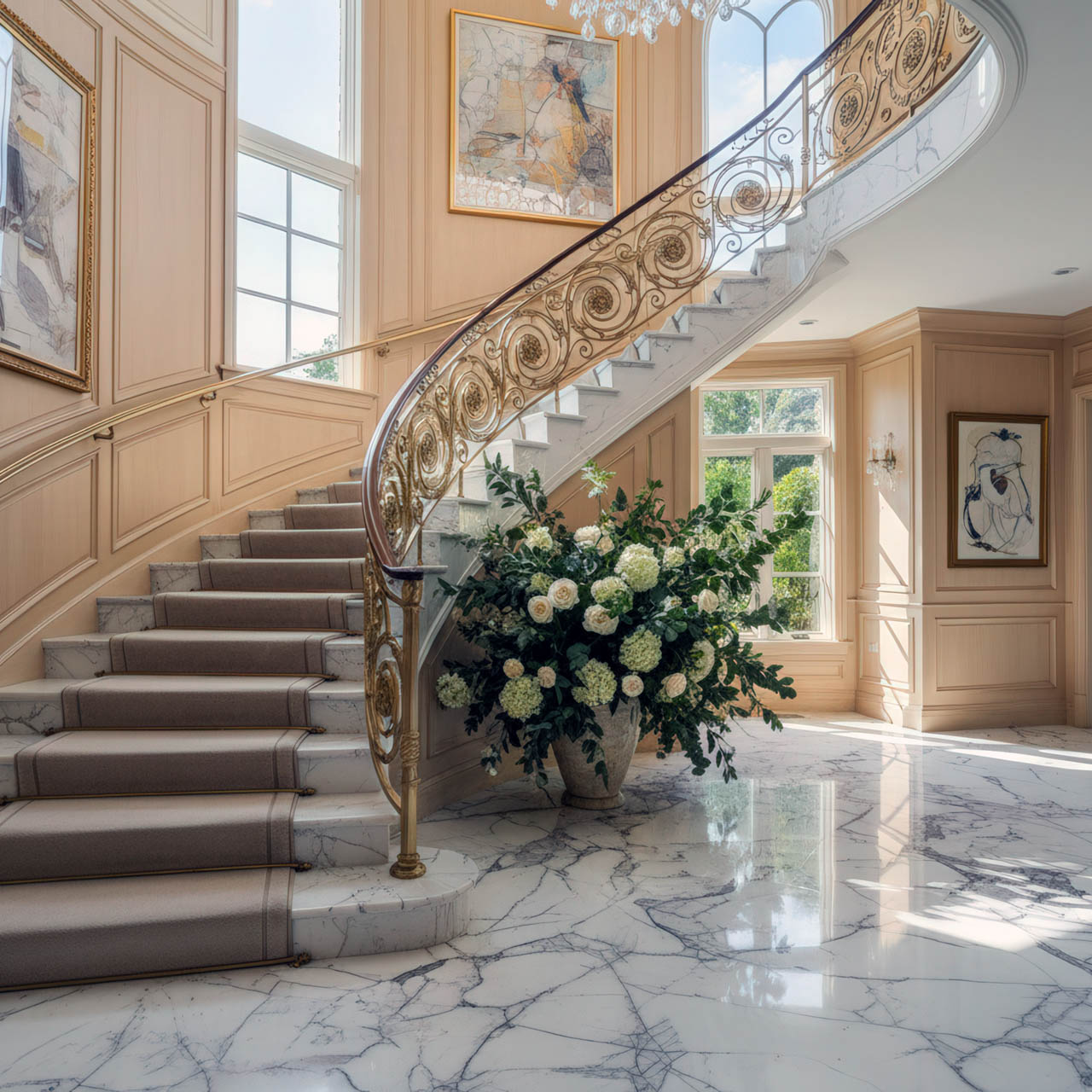
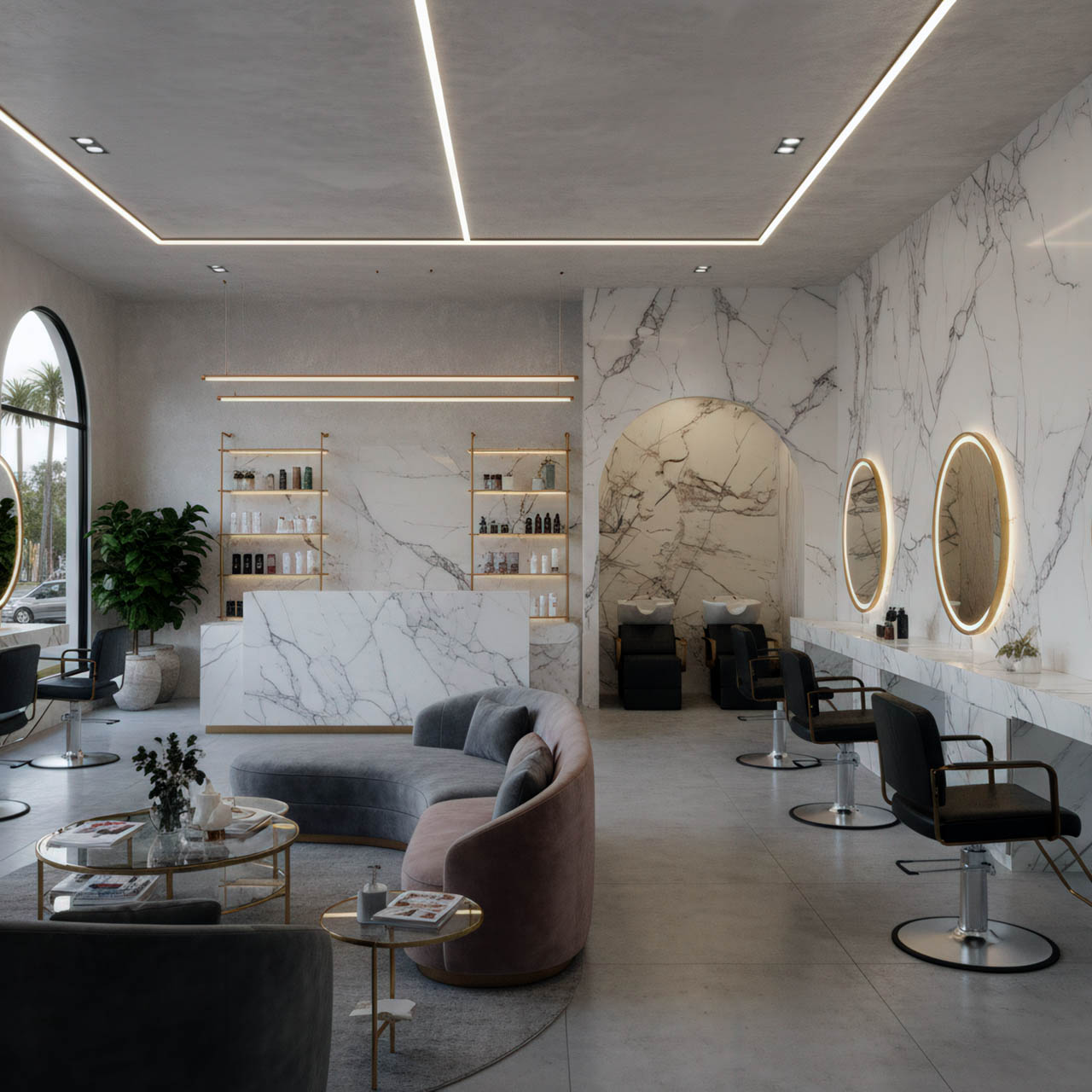
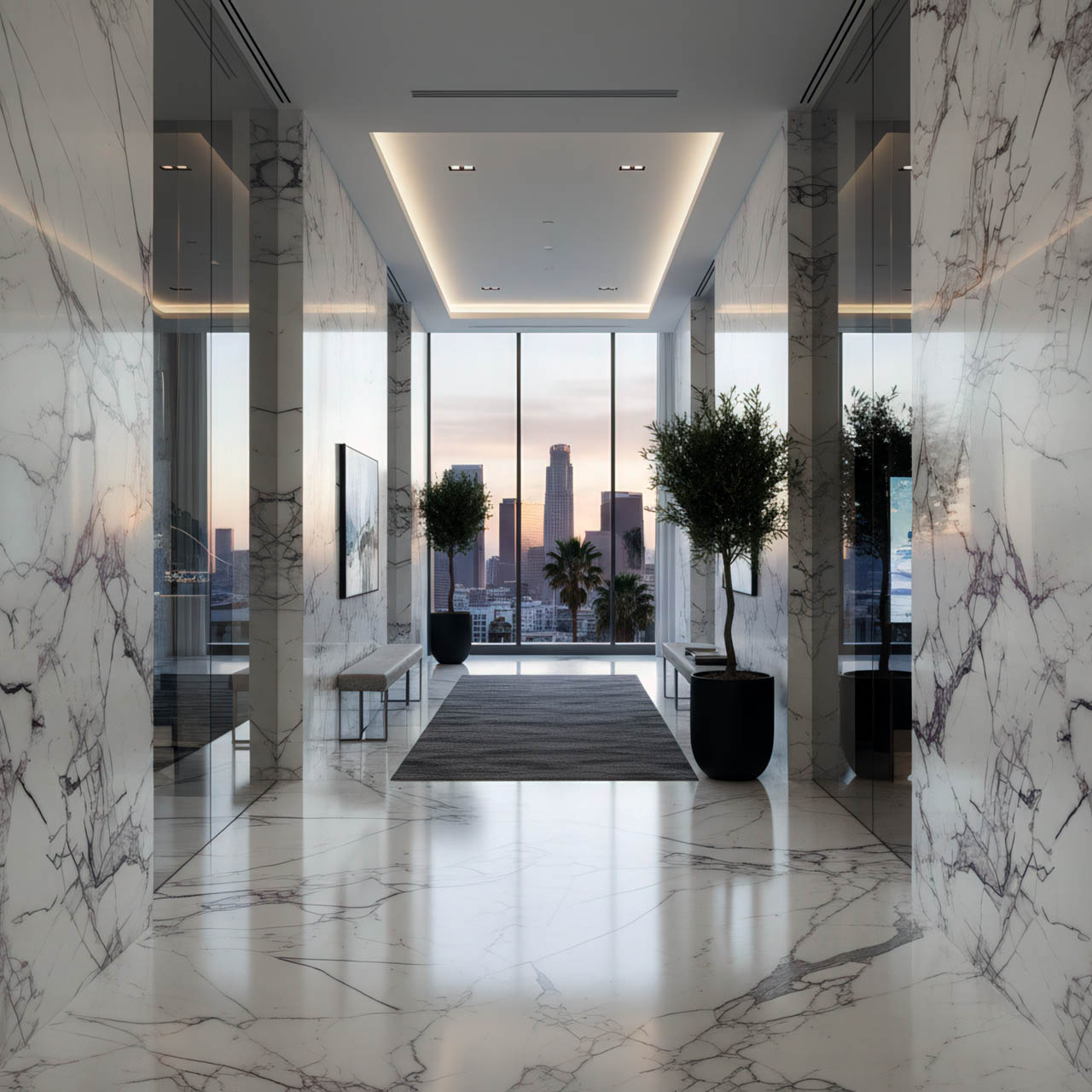
3. 3D Design & BIM Integration
The perfect use of these tools is found in the “Digital Twin” concept. In 2026, the marble is no longer just a “skin” on a wall; it is a data-rich component.
-
Material Intelligence: In Revit 2026, the Milas Lilac component contains metadata—including its density (2730 kg/m3) and water absorption rates.
-
Generative Layouts: AI layout tools like TestFit or Autodesk Forma can suggest the optimal placement for bookmatched slabs. Instead of manually guessing how the veins will align, the AI explores hundreds of “Butterfly” or “Diamond” patterns to find the most aesthetically pleasing sequence.
The Optimized 2026 Workflow
| Phase | Tool | Function |
| Concept | Midjourney / DALL-E 3 | Generating “Mood Boards” for Lilac Marble palettes. |
| Modeling | Revit 2026 / Rhino | Creating the structural geometry and BIM data. |
| Texturing | Chaos AI Material Gen | Turning a Milas Lilac photo into a smart PBR material. |
| Visualization | Twinmotion 2026 | Real-time lighting, environment, and VR walkthroughs. |
| Post-Pro | MyArchitectAI | Final AI-upscaling and photorealistic refinement. |
Architect’s Note: The goal of AI in 2026 isn’t to replace the architect’s eye, but to remove the “friction” of technical execution. By automating the mapping of complex stones like Milas Lilac, you spend less time tweaking pixels and more time designing spaces that move the soul.