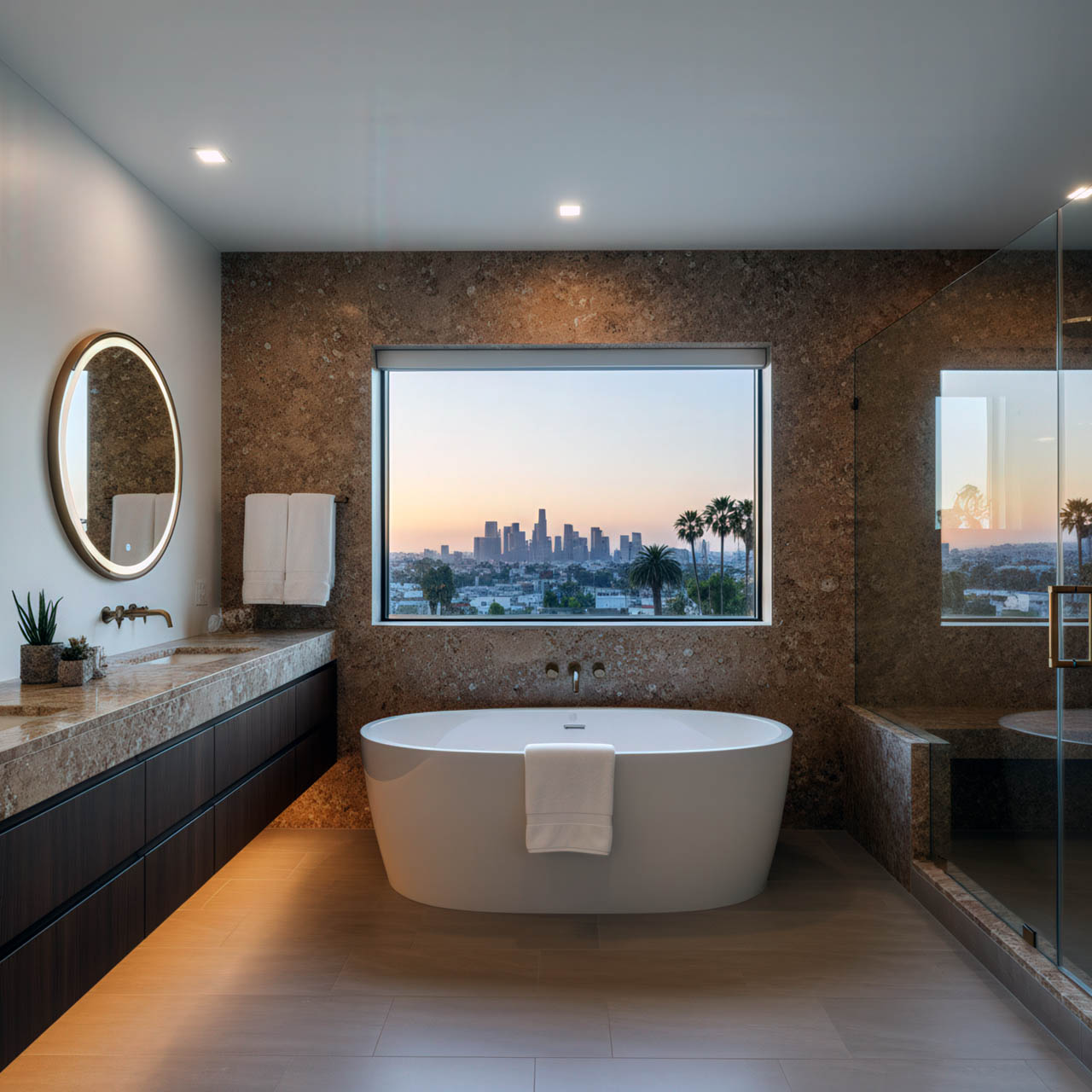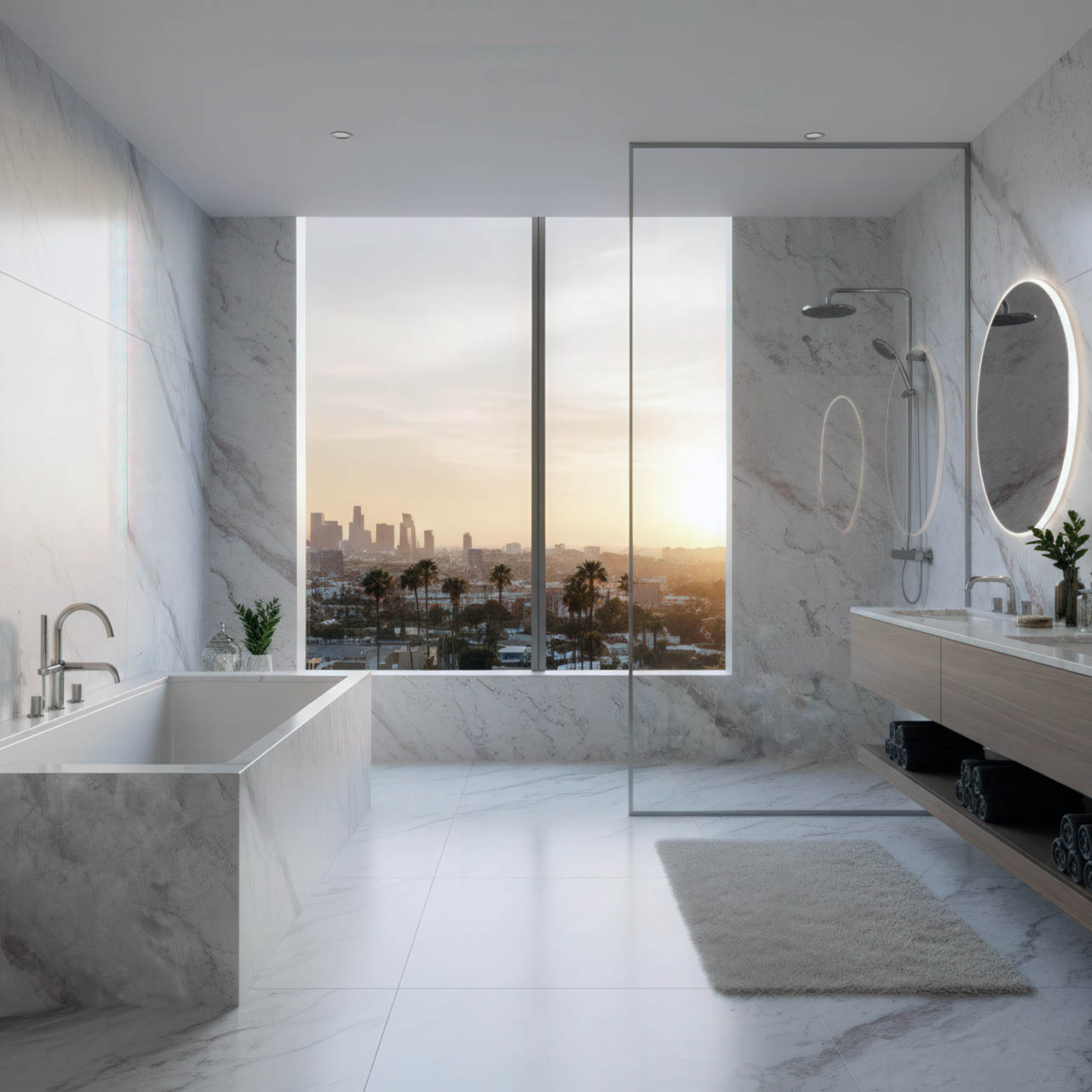
Veins of Genius: Sculpting Spatial Art with Milas Lilac and Architectural AI
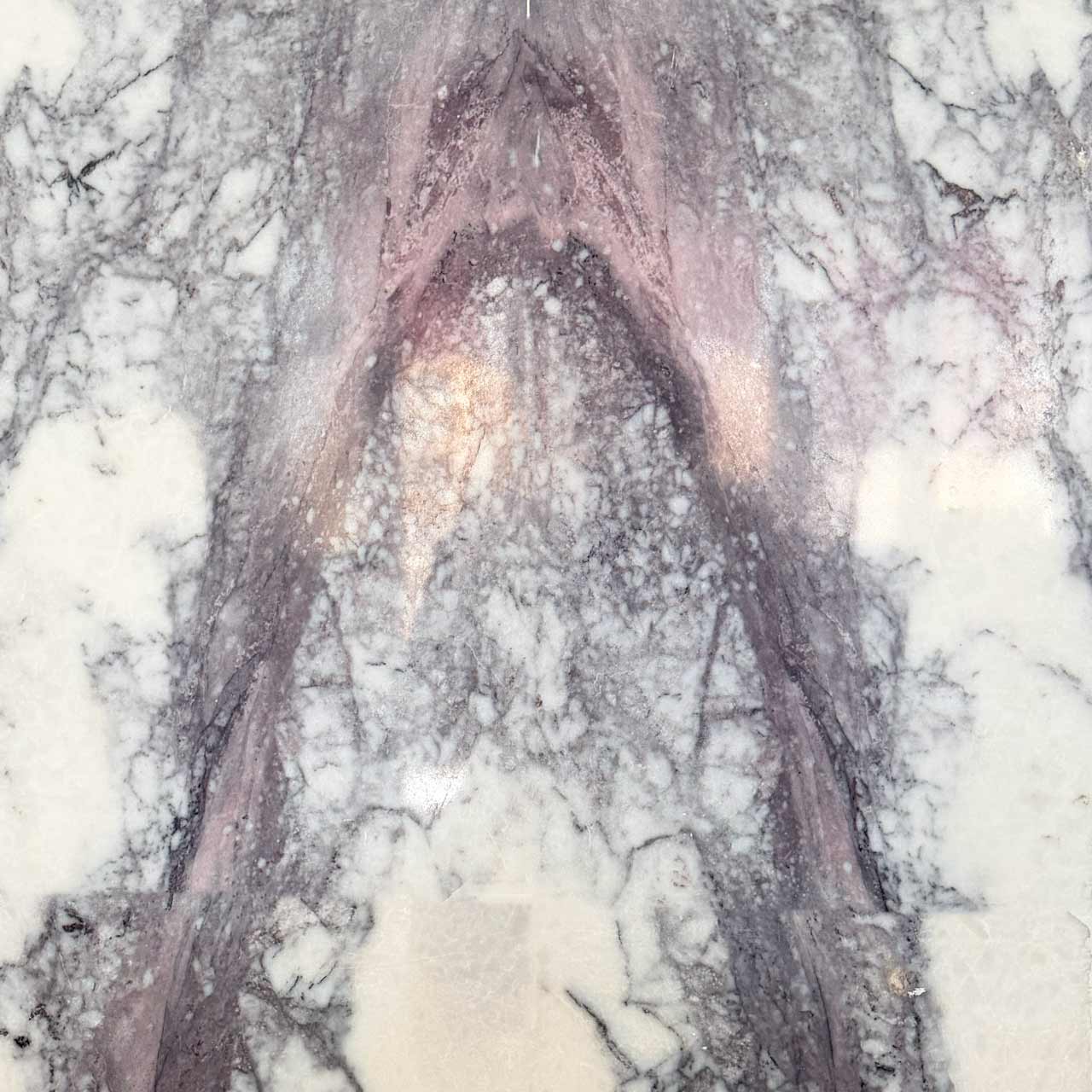
Sculpting Spatial Art with Milas Lilac and Architectural AI; While ubiquitous choices like Muğla White serve as reliable, baseline neutral stones, true architectural value lies in natural materials that offer deep atmospheric intent and spatial hierarchy. Though ranking 8th in Turkey and 20th globally in volume usage trends, Milas Lilac stands out as a “hero stone” that completely redefines luxury environments. Its luminous white calcite foundation interwoven with dense, sharp, spiderweb-like violet and deep charcoal veining moves it past simple decoration and into a structural art form.
For modern architects managing complex Building Information Modeling (BIM) workflows, maximizing the value of this stone requires a deep understanding of its geological varieties and a precise digital translation through advanced architectural rendering technology.
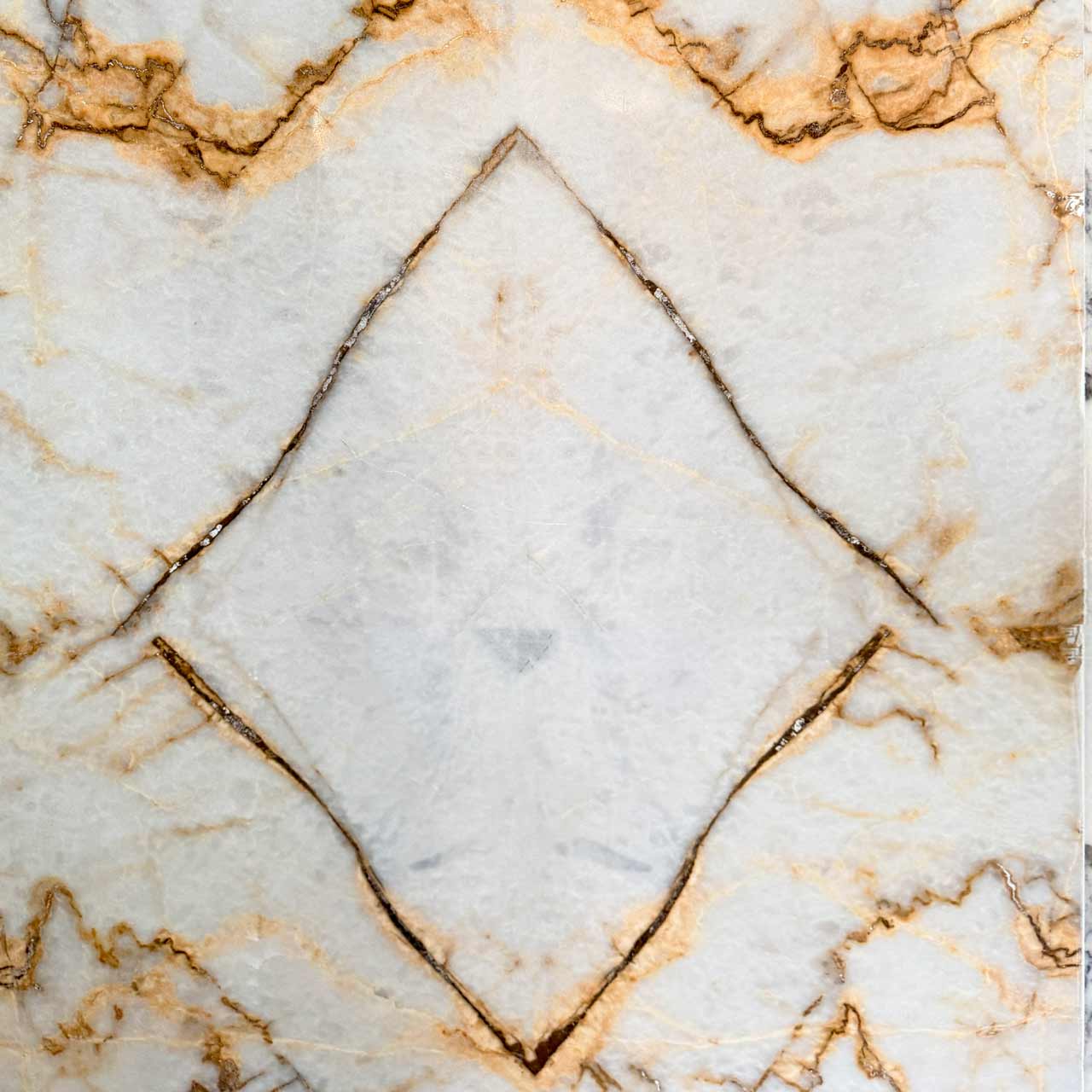
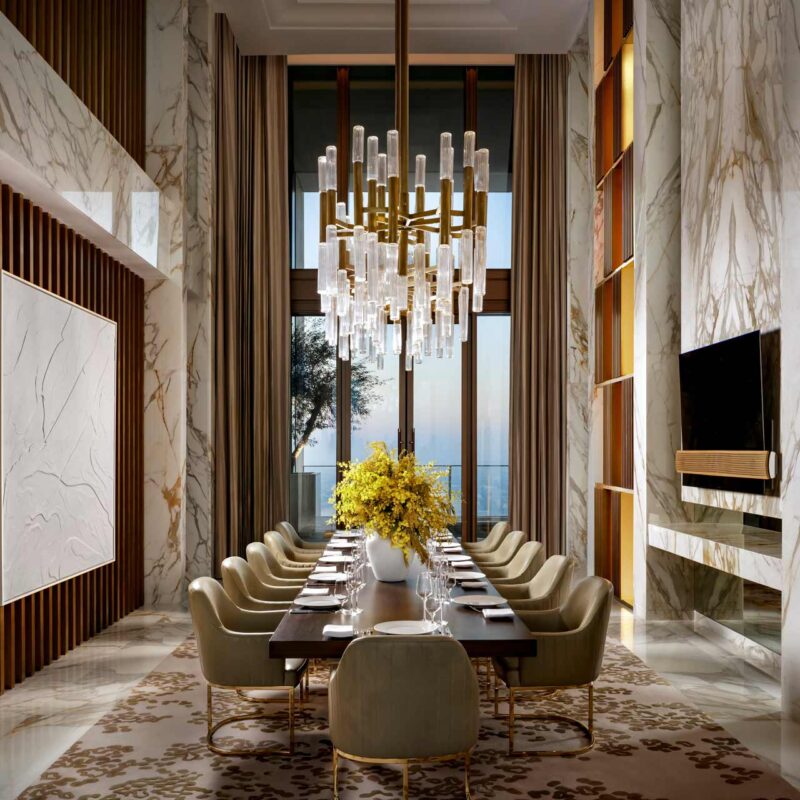
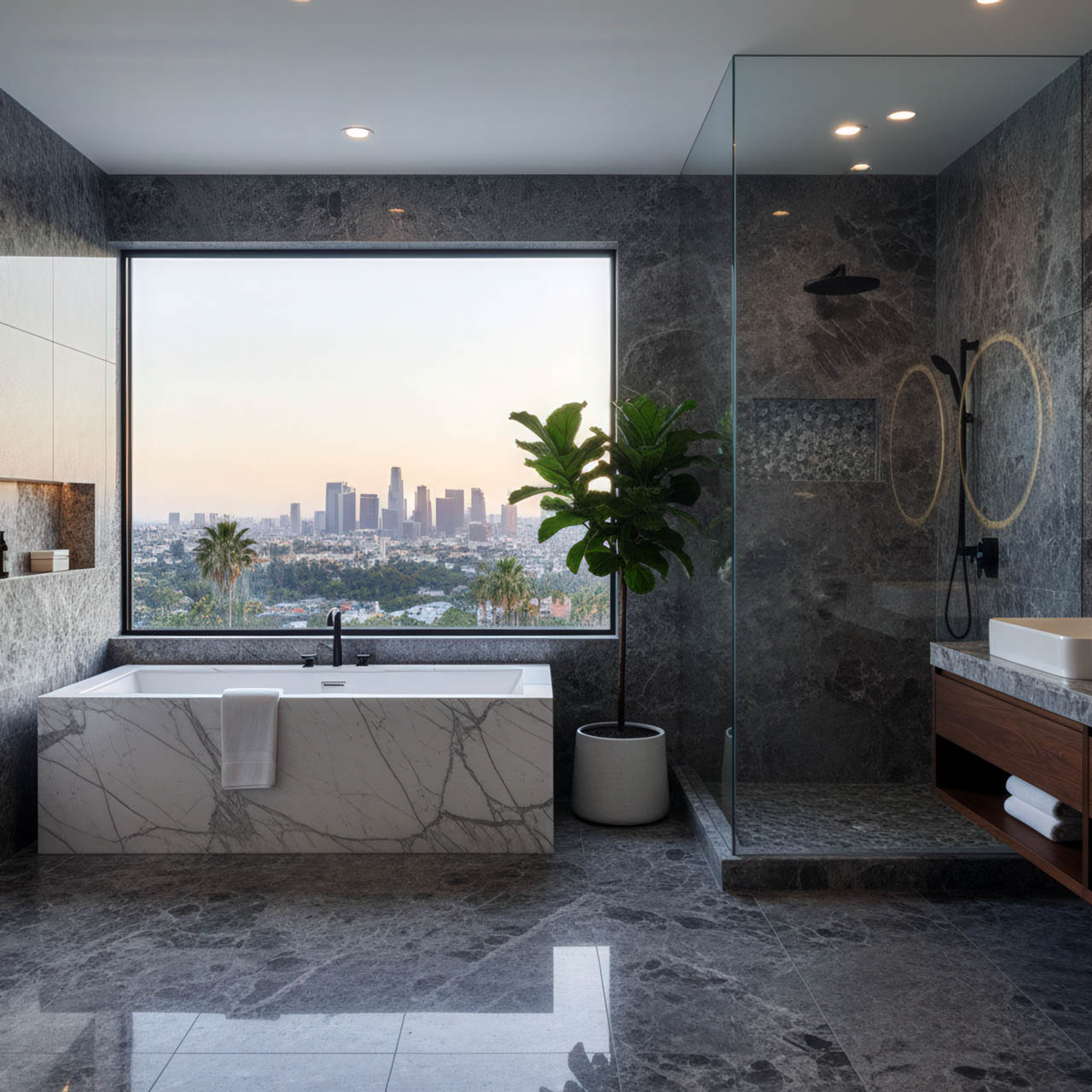
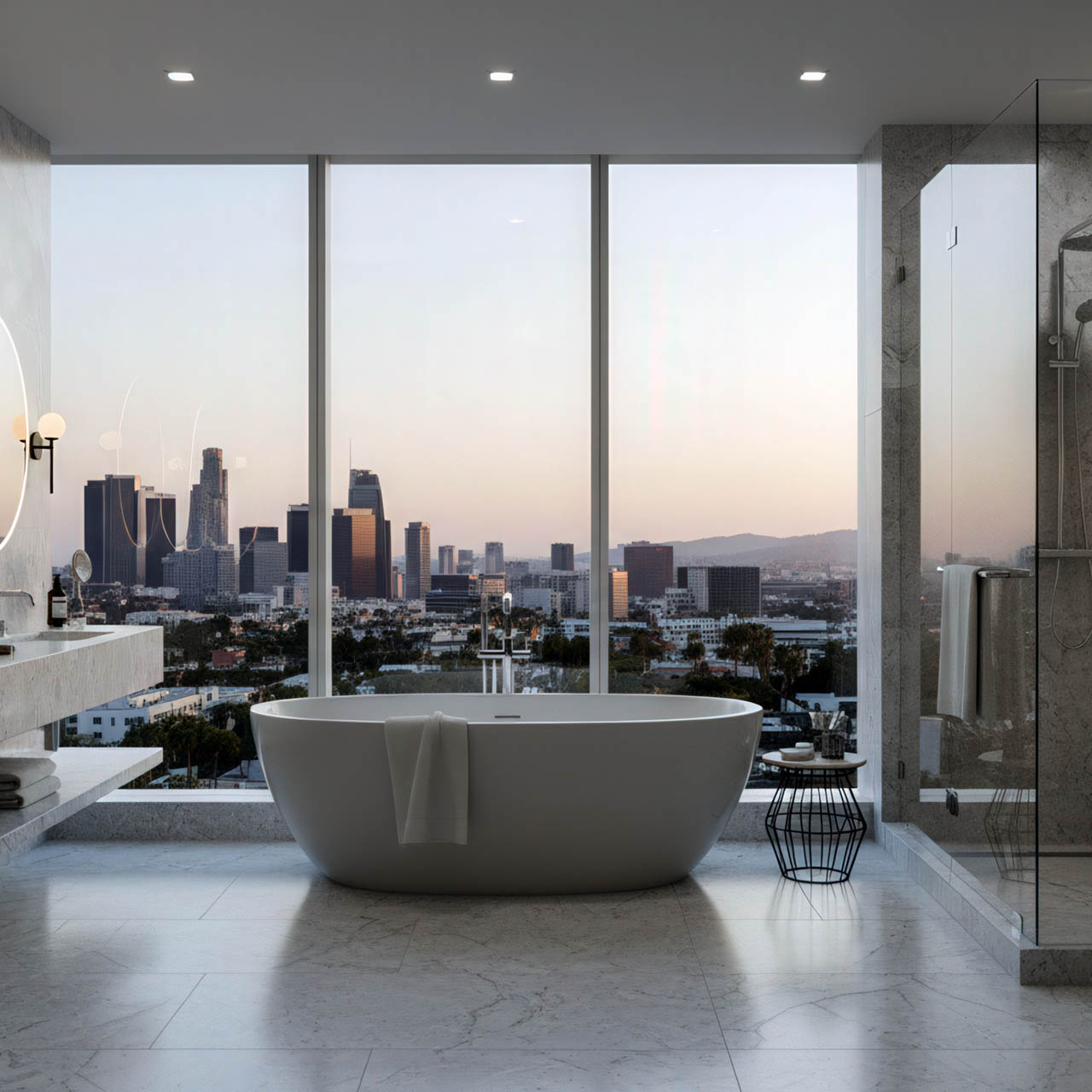
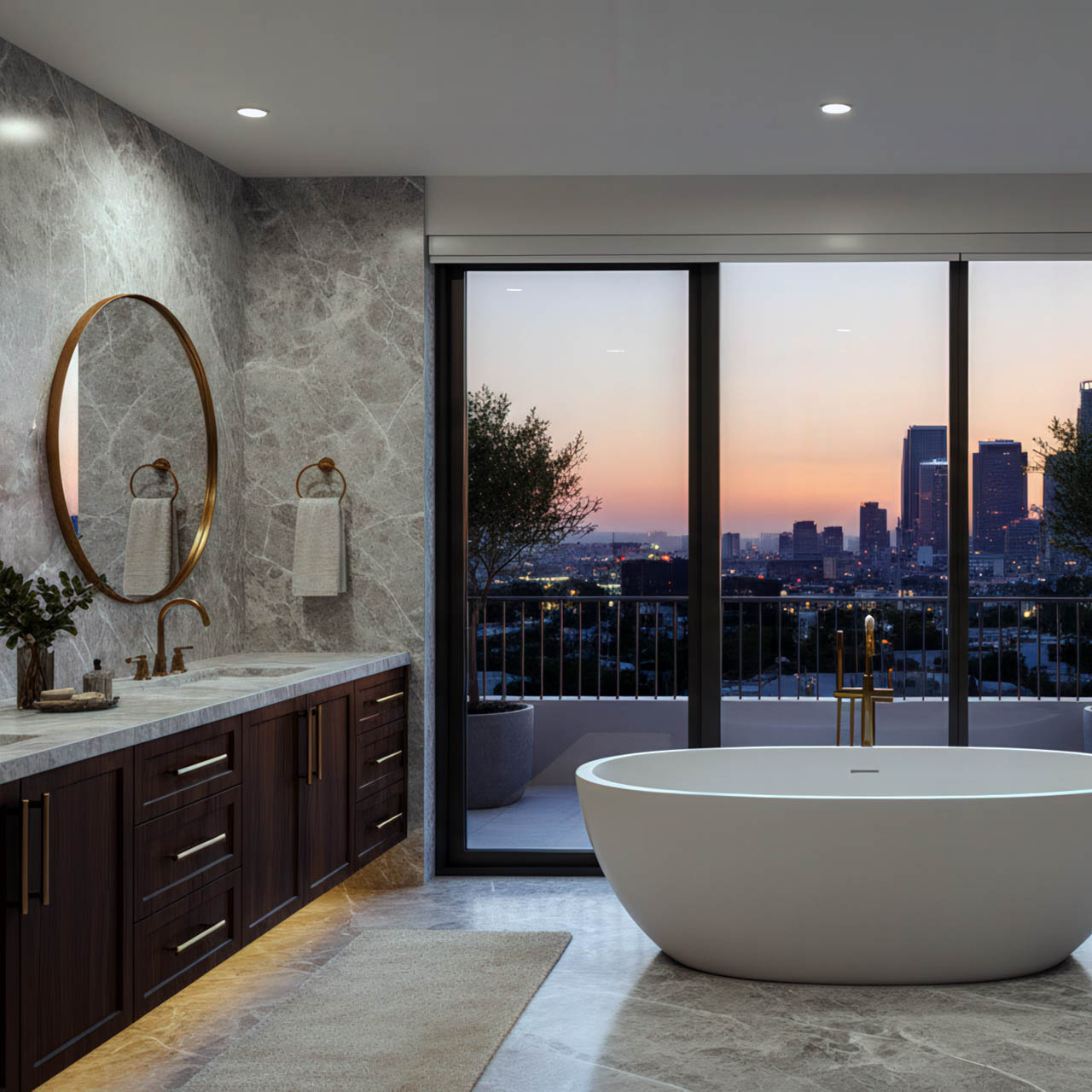
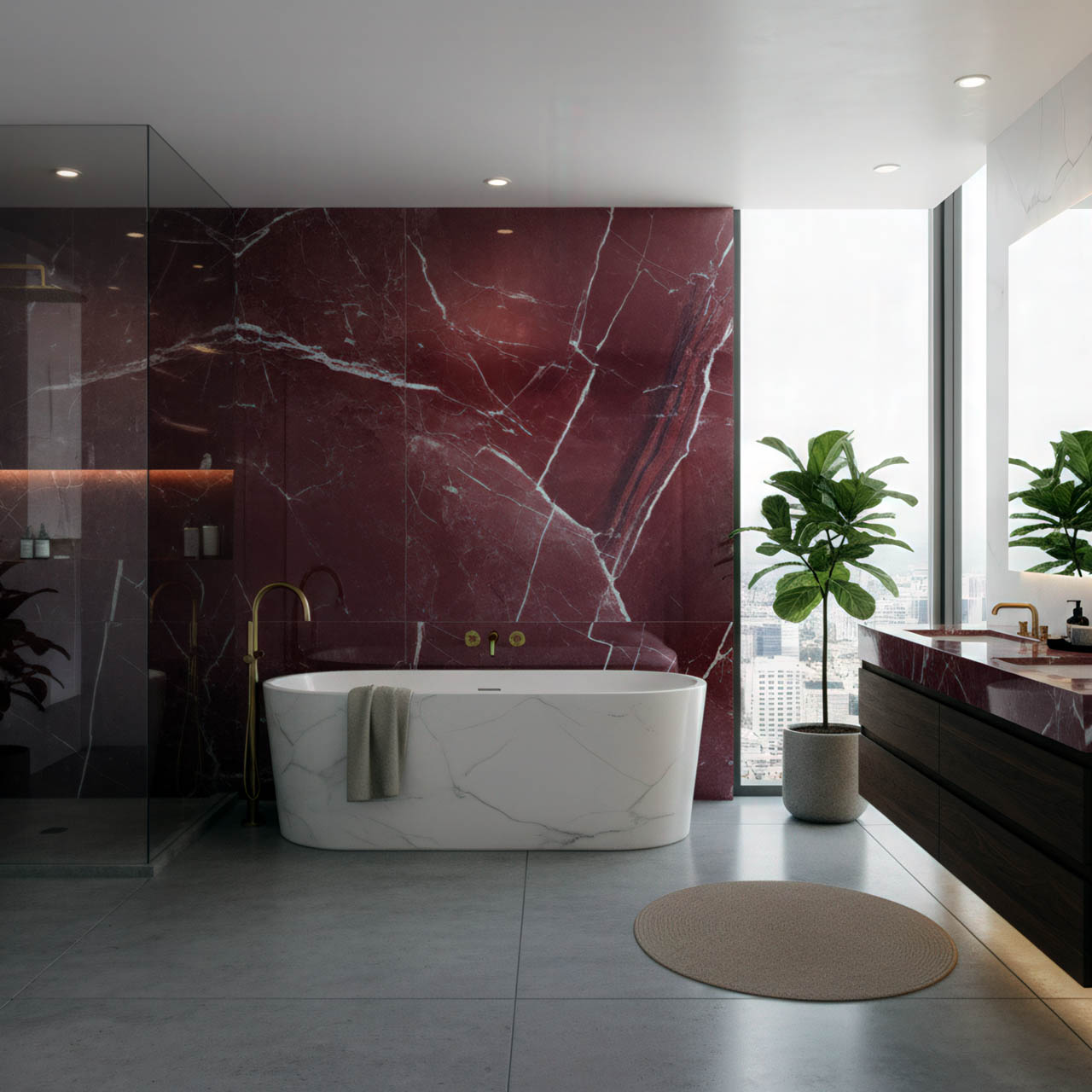
Milas Lilac Types Gold 1
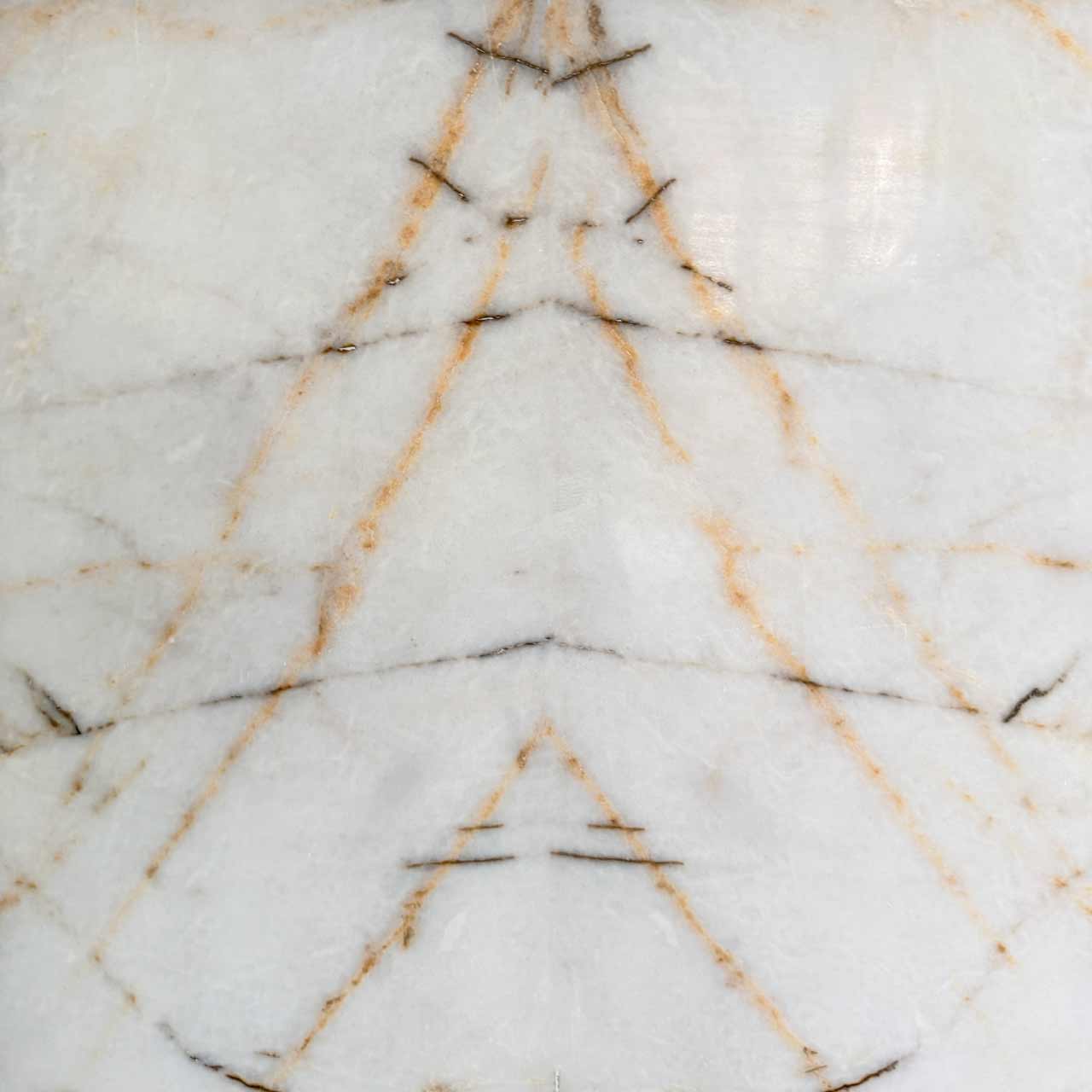
Milas Lilac Types Gold 2
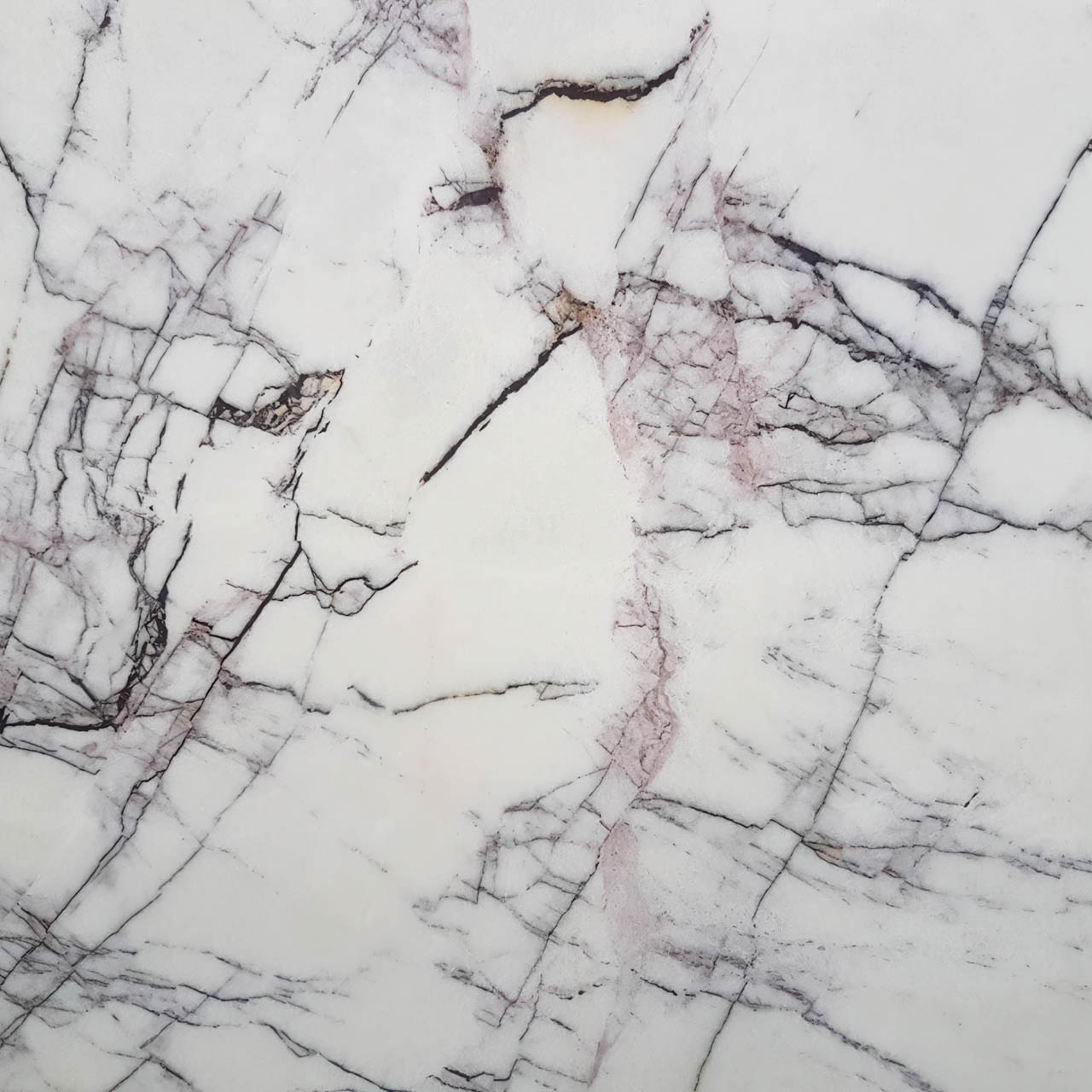
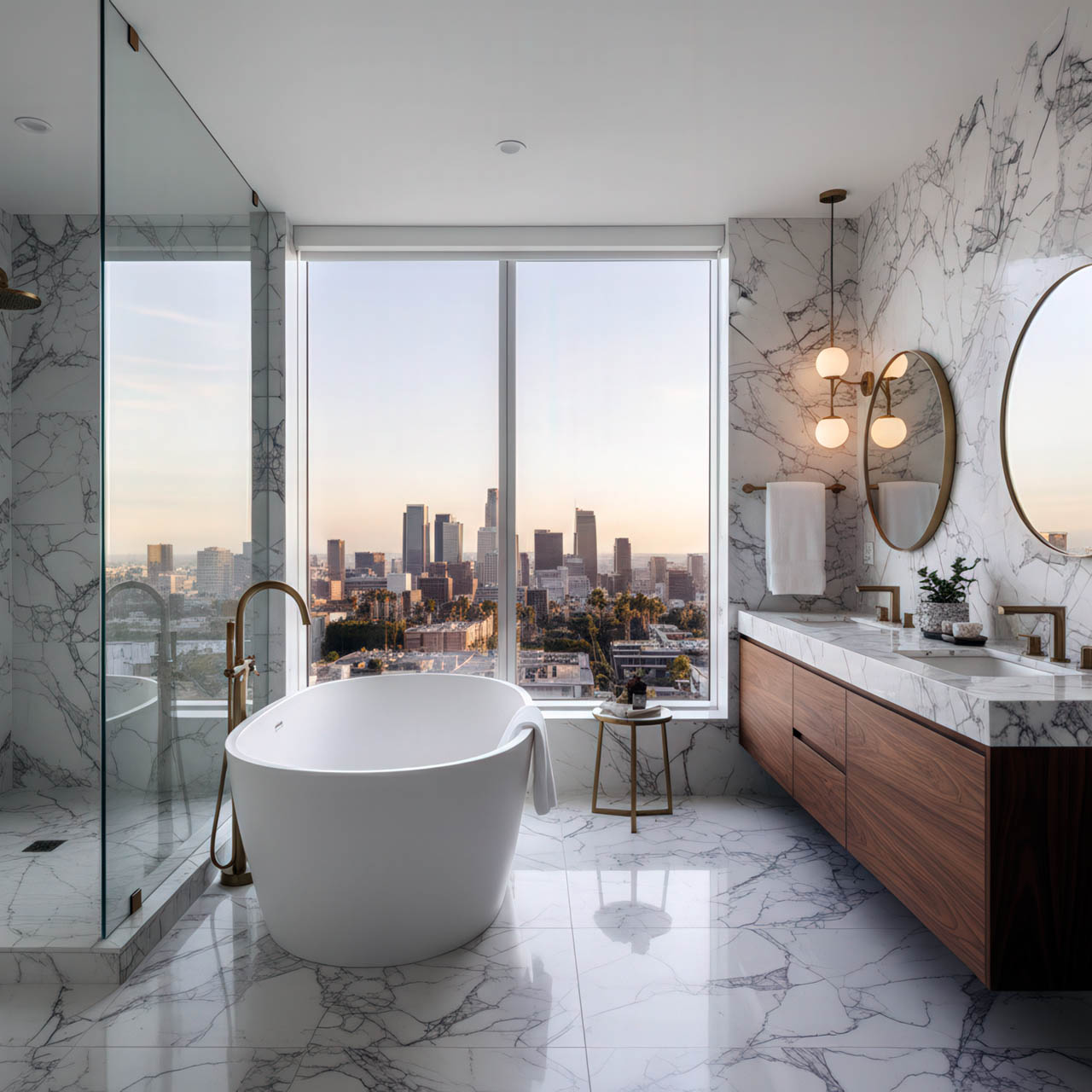
Milas Lilac Types 1
The Subtypes of Milas Lilac
Unlike uniform white marbles, Milas Lilac is highly dynamic, branching into distinct aesthetic subtypes based on mineral shifts across the quarry layers. Selecting the correct variant defines the tonal atmosphere of a project:
-
Milas Lilac (Classic): The classic expression, featuring a crisp, pale-ivory background broken up by rich, sharp violet and deep amethyst veins. It is a premier choice for generating immediate visual focus.
-
Milas Lilac White: This selection maximizes the calcite white background. The purple veining is pushed back, showing up as fine, mist-like ribbons or softer, floating crystalline strokes. It works wonderfully for expansive flooring or clean wall claddings where light dispersion is paramount.
-
Milas Lilac Gold: A rare, highly dramatic variant where traditional amethyst networks cross paths with warm, earthy gold and ochre iron oxide mineral deposits. This combination bridges the gap between cool, contemporary tones and luxurious warmth.
-
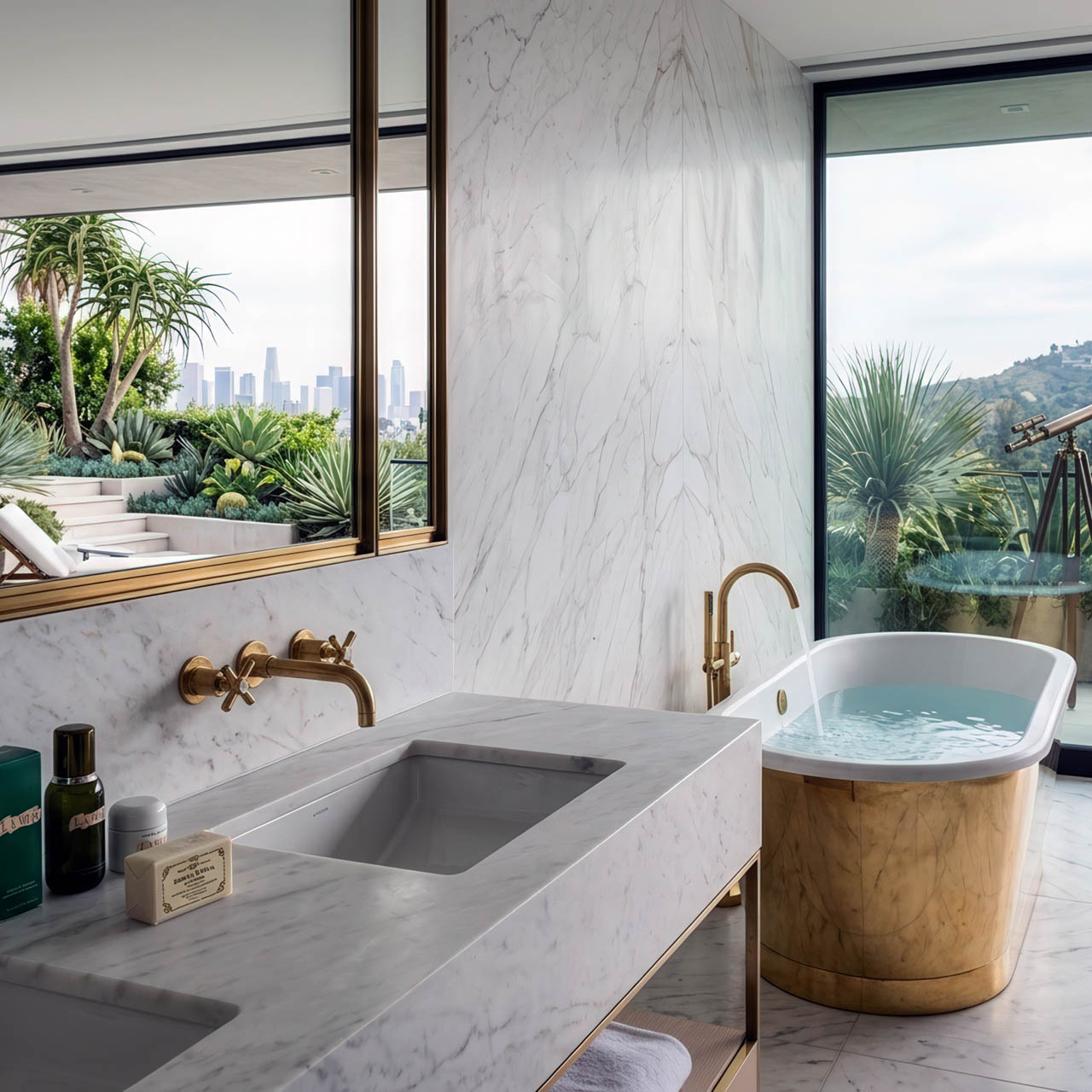
Milas Lilac Pearl: Characterized by a subtle, silvery-gray pearl undertone rather than a stark white background. The veining shifts toward delicate, moiré waves, offering a more continuous and moody alternative to high-contrast stones.
To explore physical classifications, finish selections, or request project-specific material samples of these varieties, visit Yükselen Marble and discover their luxury artisanal collection at Miamivit.
Digital Material Mastery: Substance PBR, Twinmotion, and Unreal Engine 5
To accurately pitch Milas Lilac to clients, standard flat texturing will not suffice. The artistic, multi-layered quality of the stone must be built out using physically based rendering (PBR) workflows within the Epic Games ecosystem using Twinmotion and Unreal Engine 5.
1. Constructing the Substance PBR Texture
A realistic marble material relies heavily on accurate light interaction. When building the material in Substance Designer, do not rely solely on the Base Color (Albedo) map.
-
Roughness Map: Calcite marble is highly polished but not uniform. Create a varied roughness map where the dense violet veins are slightly rougher (0.05 – 0.12) than the highly reflective white quartz areas (0.01 – 0.04).
-
Subsurface Scattering (SSS): Genuine marble allows light to penetrate its top layers. Export an SSS mask to mimic the depth of natural stone, preventing it from looking like flat plastic or printed ceramic tile.
2. Integration in Twinmotion and Unreal Engine
When bringing your assets into Twinmotion, take advantage of modern real-time visualization technology to showcase the stone’s properties accurately:
-
Real-Time Global Illumination: Utilizing advanced real-time ray tracing recalculates light reflections instantly. Placing a Milas Lilac feature wall opposite a large window lets the violet veining cast soft, cool color bleeds onto surrounding light surfaces.
-
Subsurface Materials: Switch your material shading model to Subsurface. Use your custom SSS map to let background lighting gently illuminate the thin edges of waterfall countertops, perfectly capturing the natural depth of the stone.
Bookmatching: The Convergence of Architecture and Geology
Because of its sharp, geometric, and spiderweb-like veining patterns, Milas Lilac is an exceptional medium for bookmatching—the practice of placing mirroring slabs side-by-side to create symmetrical art pieces.
     Slab A (Original)        |        Slab B (Mirrored)
+---------------------------+ | +---------------------------+
|    \         /            | | |            \         /    |
|     \       /             | | |             \       /     |
|      *-----* <-- Vein   | | |   Vein -->   *-----* |
|     /       \             | | |             /       \     |
|    /         \            | | |            /         \    |
+---------------------------+ | +---------------------------+
                            |
                     Center Join Line
Achieving a flawless bookmatch requires close collaboration at the quarry level. The absolute ideal collaborator for an architect is a quarry owner who understands both engineering and architecture. When the stone producer possesses an architectural background, they look at a raw marble block not merely as raw material weight, but as an unfolding sequence of elevations.
By integrating advanced computer vision and specialized AI tools at the block-cutting phase, the quarry team can digitally map out slices before they are physically cut. Leveraging Google Gemini allows for precise forecasting of BIM-ready finishes, ensuring that the flowing vein patterns align seamlessly across large-scale wall panels, hotel lobbies, and luxury bath enclosures before the material ever departs the factory floors.
Advanced BIM Collaboration and Hardware Acceleration
Successful high-end architecture is built on seamless workflow integration. Combining raw material production with top-tier hardware solutions ensures that ambitious marble designs move successfully from concept to construction:
-
Google Gemini for Architectural Consultation: Architects can utilize Google Gemini to cross-analyze spatial dimensions, lighting data, and functional requirements to quickly generate custom material design options. Gemini can instantly suggest which specific subtype—like Milas Lilac White for flooring combined with Milas Lilac Gold for a focal point—will best fulfill the project’s visual hierarchy.
-
Hardware-Accelerated Engineering Solutions: Running real-time path tracing, heavy BIM models, and complex material node networks demands massive workstation power. Utilizing high-performance Intel multi-core processors paired with dedicated NVIDIA RTX tensor cores allows architecture teams to compute local lighting setups and verify complex bookmatch orientations effortlessly, eliminating the guesswork from luxury stone specification.
#Architecture #InteriorDesign #MilasLilac #YukselenMarble #Miamivit #MarbleDesign #Twinmotion #UnrealEngine5 #BIM #SubstancePBR #NVIDIA #Intel #GoogleGemini #SustainableLuxury
See Also:
The Pinnacle of Luxury in Dubai: Beyonce’s Star-Studded Launch and the Legend of Milas Lilac
Related Sources: