Technical Color Evaluation Report Mylasa Silver Dolomite Marble
Technical Color Evaluation Report Mylasa Silver Dolomite Marble
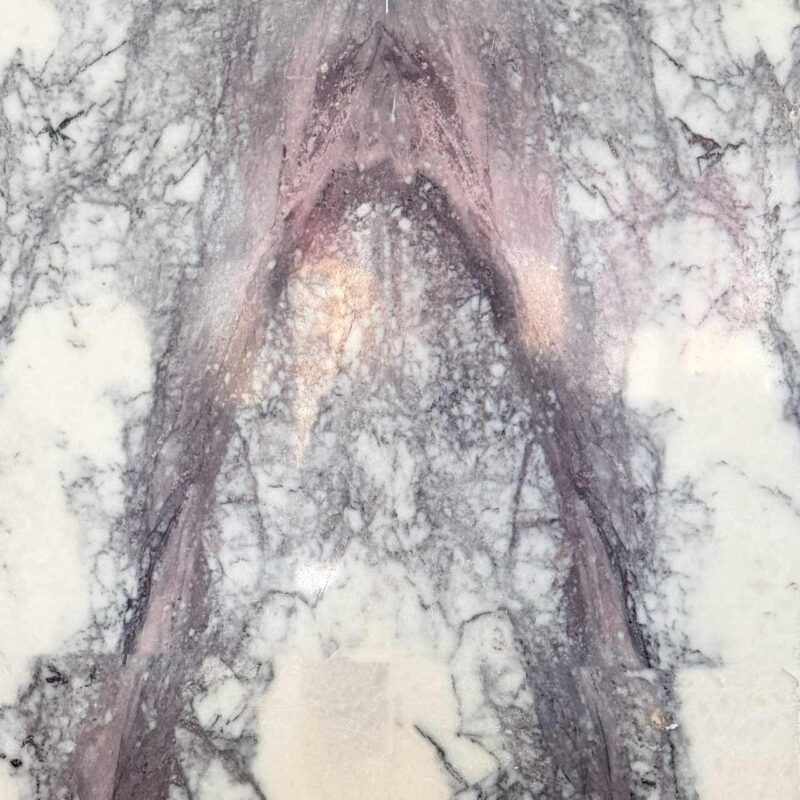
This technical evaluation analyzes the surface chromaticity of the provided Mylasa Silver Dolomite Marble specimen. The material displays a sophisticated, multi-tonal palette characteristic of high-quality Turkish dolomite, defined by a cool-toned primary matrix with diagonal secondary veining.
Chromatic Composition Analysis
The surface area can be categorized into three distinct color zones based on their visual prominence and digital color sampling:
| Color Zone | Visual Description | Representative Hex Code | Estimated Surface Ratio |
| Primary Matrix | Pale Cool Gray / Off-White | #E8E9E8 | 65% |
| Secondary Veining | Taupe / Muted Earthy Brown | #B8A398 | 25% |
| Deep Accents | Charcoal / Slate Gray | #7A7C7B | 10% |
Detailed Color Characteristics
-
The Primary Matrix (65%)
The foundational color of this slab is a high-reflectance, pale cool gray.
- Technical Profile: This zone provides the “Silver” namesake of the material. It is not a pure white but contains subtle blue and green undertones that give the stone a crisp, modern aesthetic.
- Luminance: High. This area contributes most significantly to the stone’s ability to brighten a space.
-
The Vein Transitions (25%)
Running diagonally across the specimen is a broad band of “earthier” tones.
- Technical Profile: These veins transition from light taupe to a soft, desaturated lavender-brown. This adds warmth to the stone, preventing it from appearing clinically cold.
- Texture Influence: The boundaries between this zone and the matrix are feathered, indicating a high level of mineral integration common in dolomite structures.
-
High-Contrast Accents (10%)
Concentrated primarily in the lower-left and sporadic crystalline clusters.
- Technical Profile: These are the darkest points of the stone, appearing as medium-to-dark gray.
- Visual Impact: These accents provide the necessary “visual weight” and depth, defining the movement of the slab.
Conclusion for Architectural Application
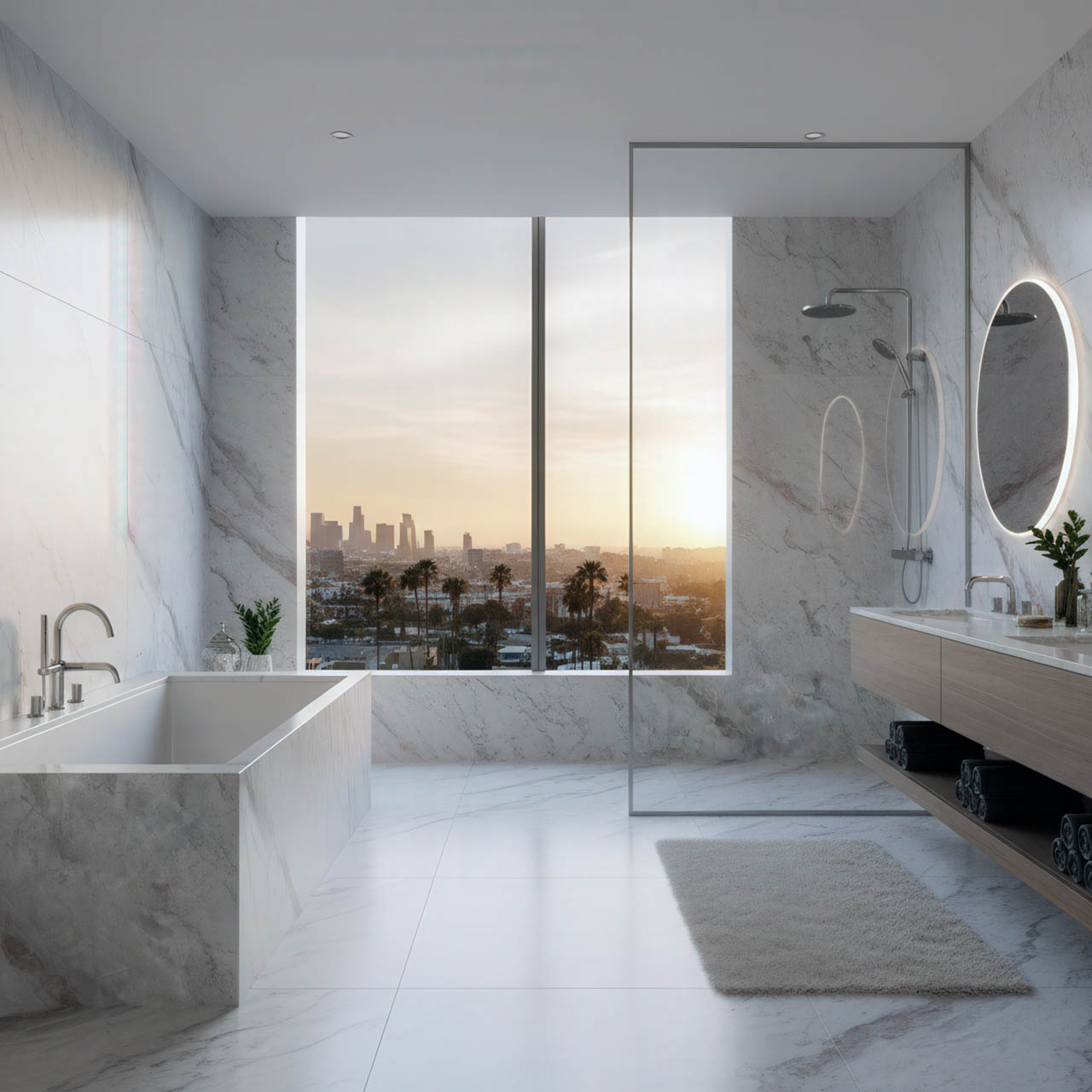
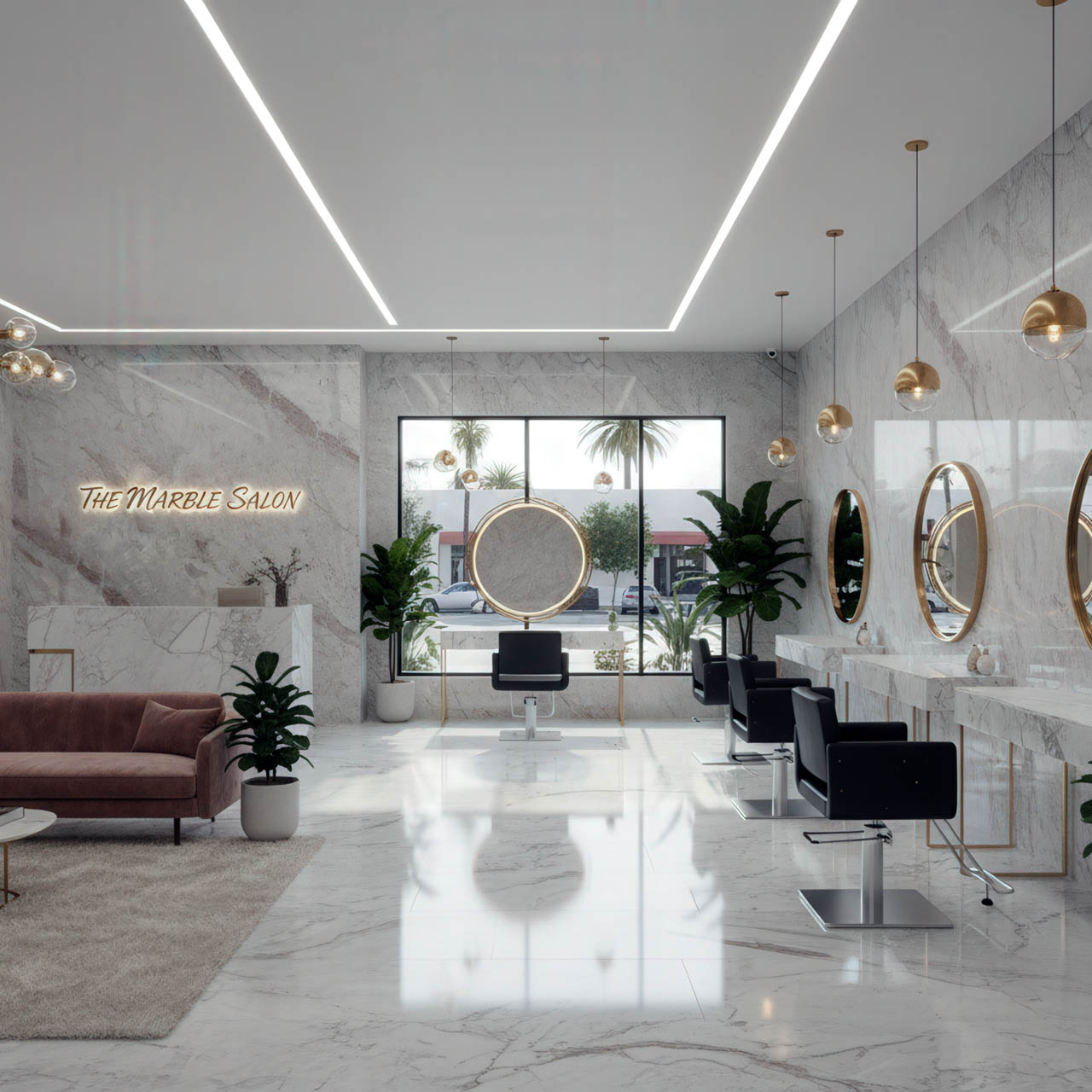
The Mylasa Silver Dolomite presents a balanced 6.5:2.5:1 color ratio. The dominance of the #E8E9E8 matrix makes it an ideal candidate for large-scale flooring or wall cladding where light distribution is a priority. The secondary taupe veining (#B8A398) allows it to pair seamlessly with both warm wood finishes and cool metallic accents like brushed nickel or chrome.
The Luminescent Grace of Mylasa Silver Dolomite in Architecture
Mylasa Silver Dolomite, often referred to simply as Milas Silver, is a premier natural stone quarried from the ancient hills of the Muğla region in Turkey. While frequently categorized as a marble, it is geologically a dolomite—a distinction that grants it superior density, lower porosity, and a distinctive crystalline “sparkle” that sets it apart from standard limestones.
Characterized by a cool, silvery-white background interlaced with delicate, flowing veins of charcoal and soft gray, Mylasa Silver is the epitome of “quiet luxury.” It offers the ethereal beauty of white marble but with the structural resilience required for high-traffic modern architecture.
1. High-Precision Interior Flooring
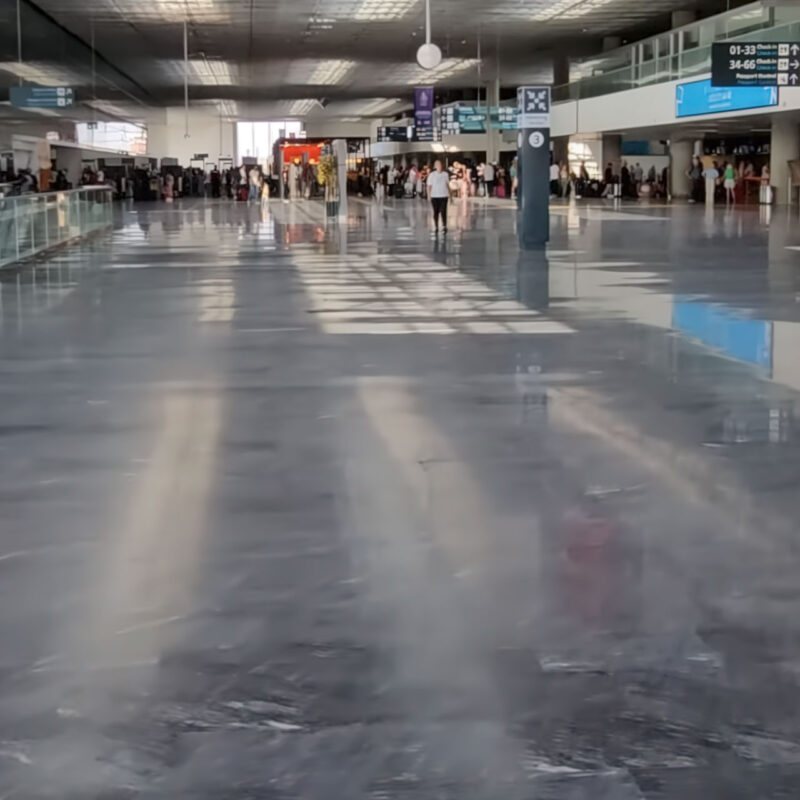
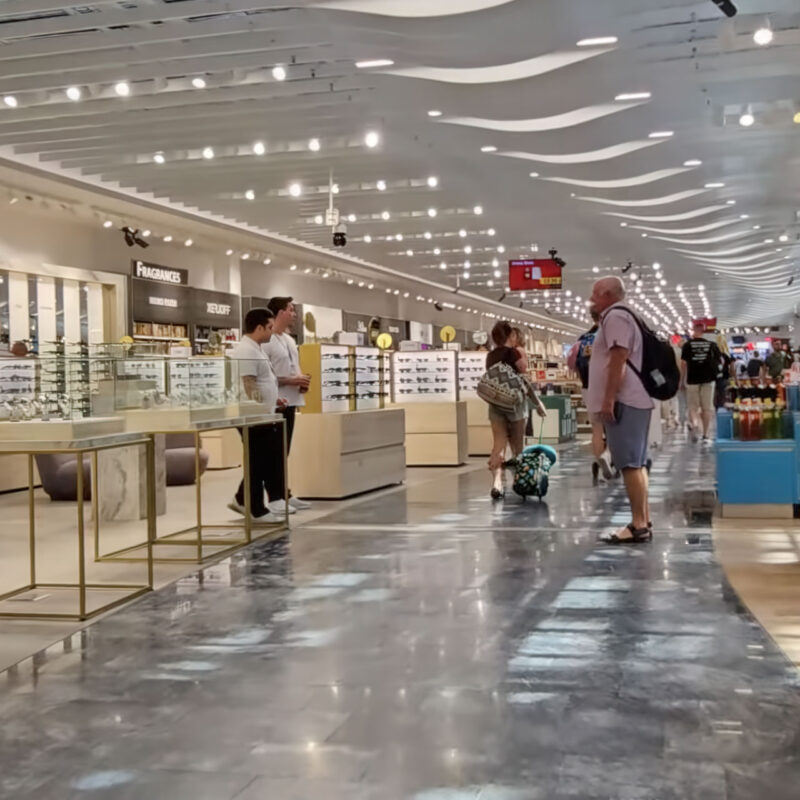
Due to its high mineral density, Mylasa Silver Dolomite is exceptionally resistant to wear and tear. This makes it a top-tier choice for flooring in environments that demand both elegance and longevity.
-
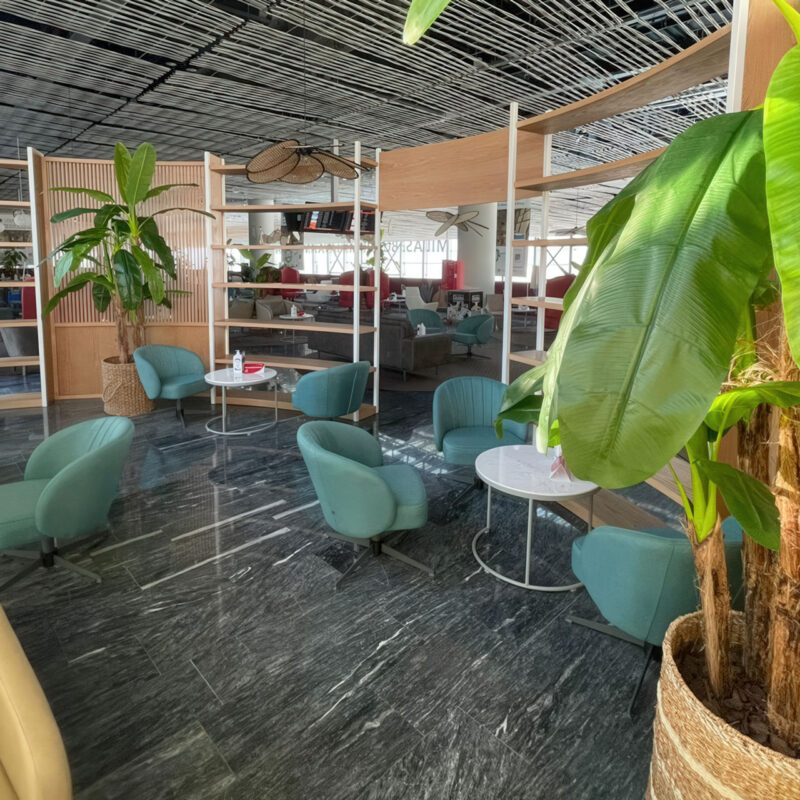
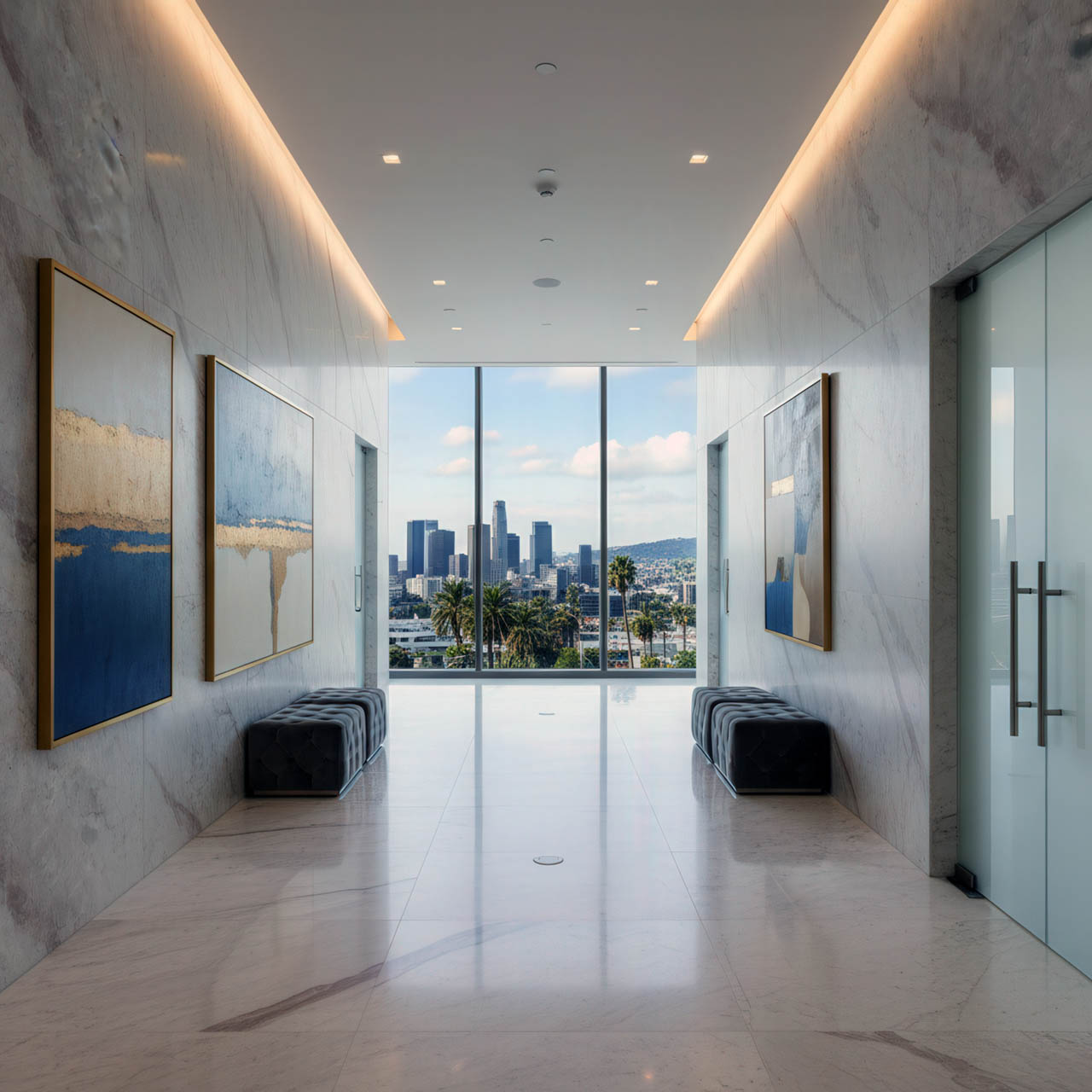
Reflective Properties: The dolomite crystals within the stone reflect light differently than calcite marbles, giving floors a soft, “moonlit” glow that brightens dark hallways or expansive lobbies.
-
Large-Format Tiles: Architects frequently specify large-format tiles (e.g., 60x120cm) to minimize grout lines, allowing the silver veining to flow seamlessly across a room like a watercolor painting.
2. Minimalist Wall Cladding and “Jewelry” Walls
In contemporary architecture, Mylasa Silver is used to create serene, minimalist backdrops. Its veining is typically more linear and subtle than the dramatic “webbing” found in Spider Gray, making it ideal for sophisticated vertical surfaces.
-
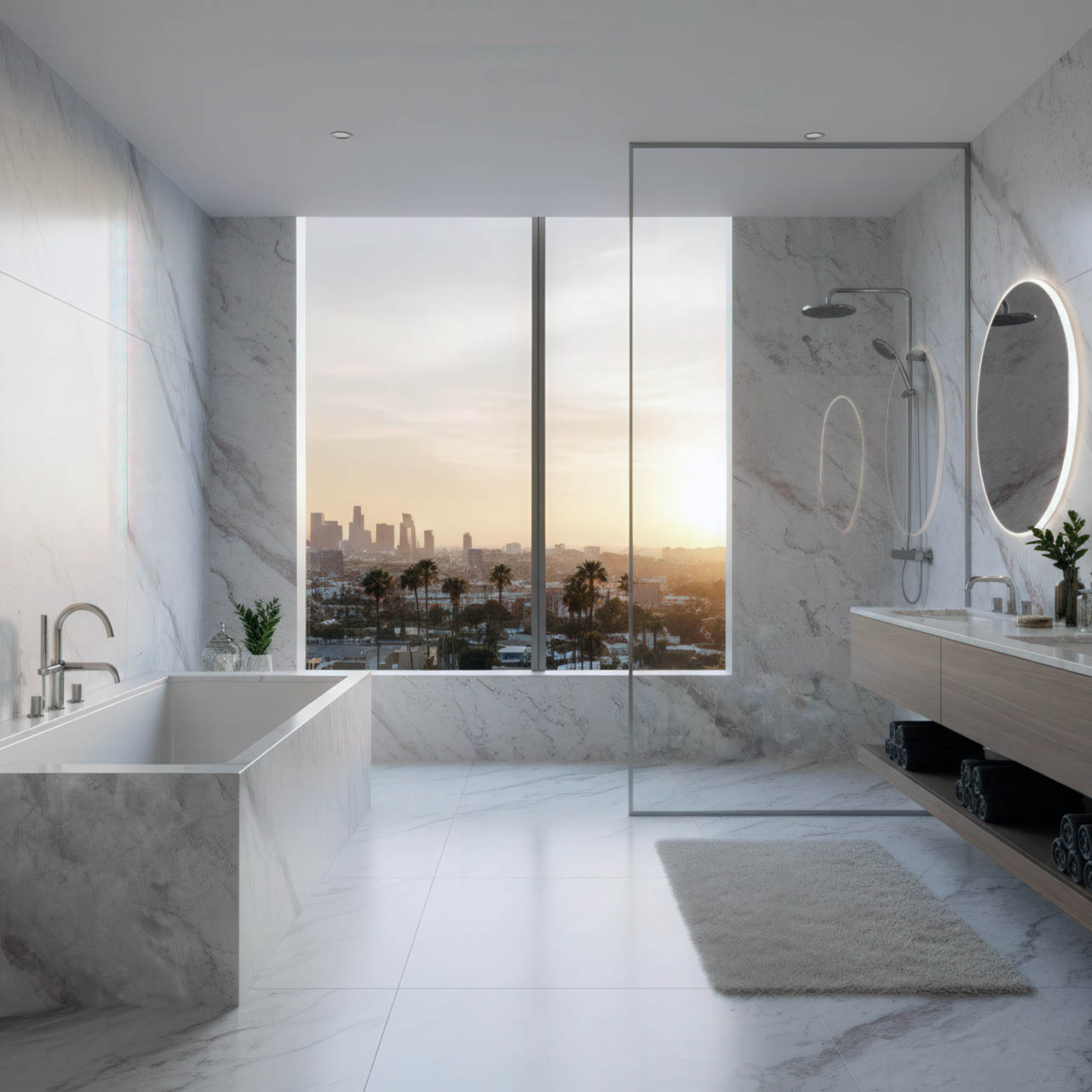
Bathroom Retreats: Its low water absorption rate makes it perfect for full-height wall cladding in luxury spas and master suites.
-
Elevator Surrounds: The stone’s ability to hold a razor-sharp edge allows for precision cutting in architectural details like recessed lighting channels and elevator jambs.
3. High-Performance Kitchen and Bath Surfaces
Because dolomite is generally harder and less acid-sensitive than traditional marbles, Mylasa Silver is increasingly sought after for high-use surfaces.
-
Kitchen Islands: Its cool palette complements stainless steel appliances and minimalist cabinetry perfectly.
-
Integrated Vanities: In luxury hotel design, Mylasa Silver is often used to create custom-carved, monolithic vanities where the sink and countertop are a single, continuous piece of stone.
4. Staircases and Structural Transitions
The structural integrity of Mylasa Silver allows it to be used for sophisticated stair designs where traditional marble might be too brittle.
-
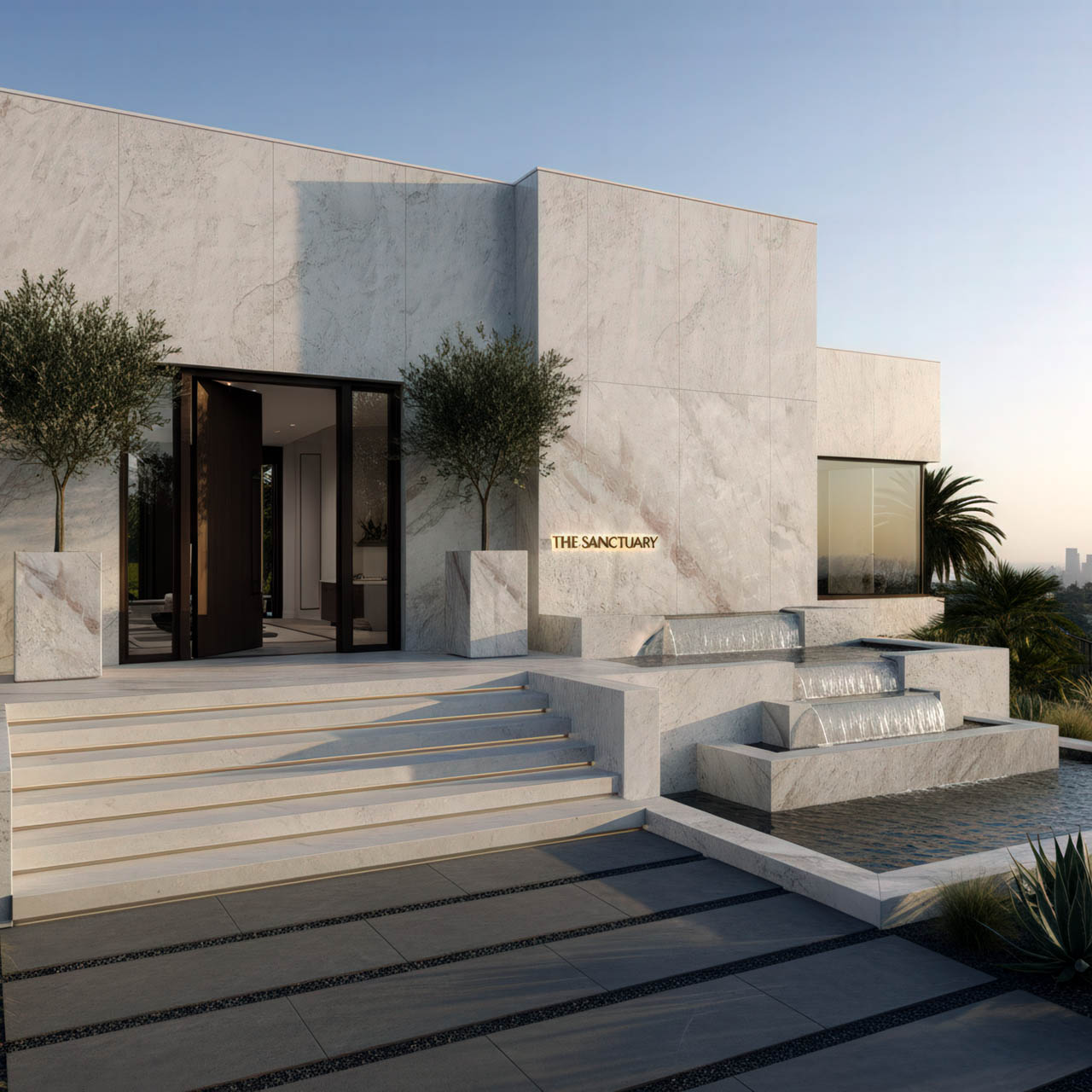
Treads and Risers: When polished, the silver veins wrap around the edges of the stairs, creating a fluid visual motion.
-
Cantilevered Steps: Because of its density, it can be used for “floating” stair designs that require high compressive strength at the anchor points.
5. Exterior Accents and Fine Detail Work
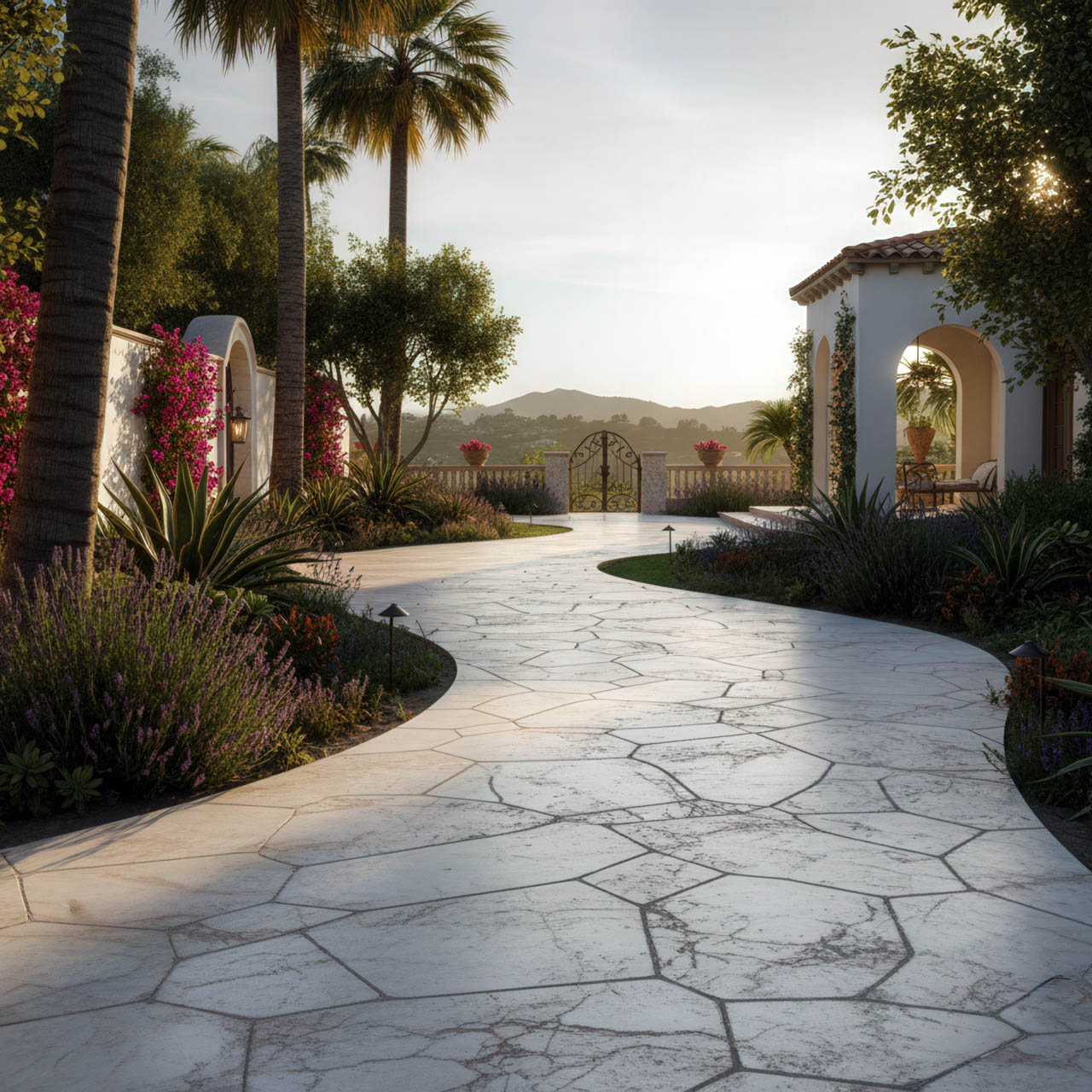
While many white stones are too porous for exterior use, the dolomitic nature of Mylasa Silver allows it to withstand environmental factors more effectively.
-
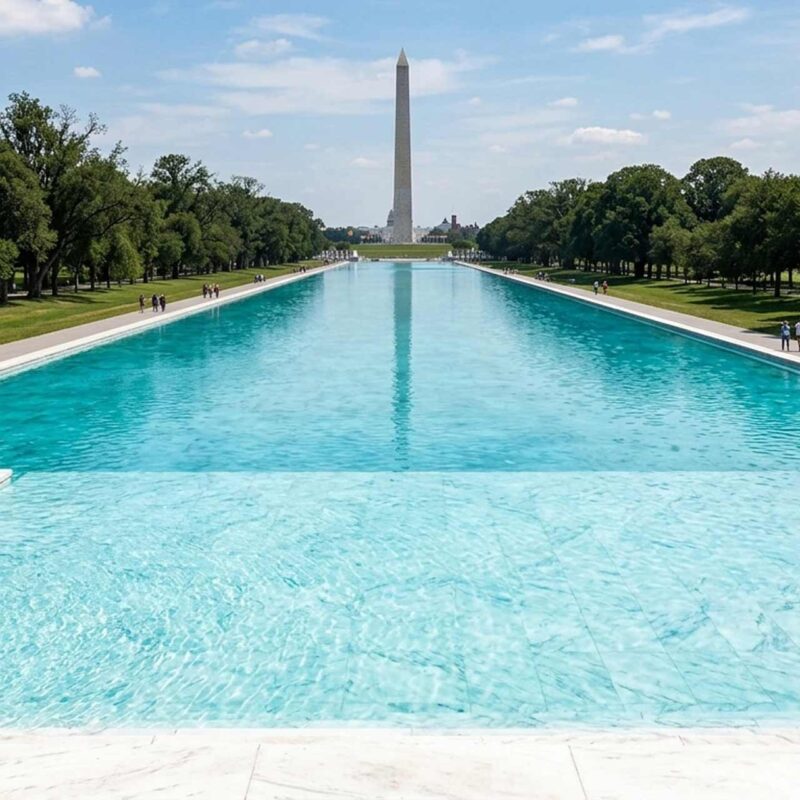
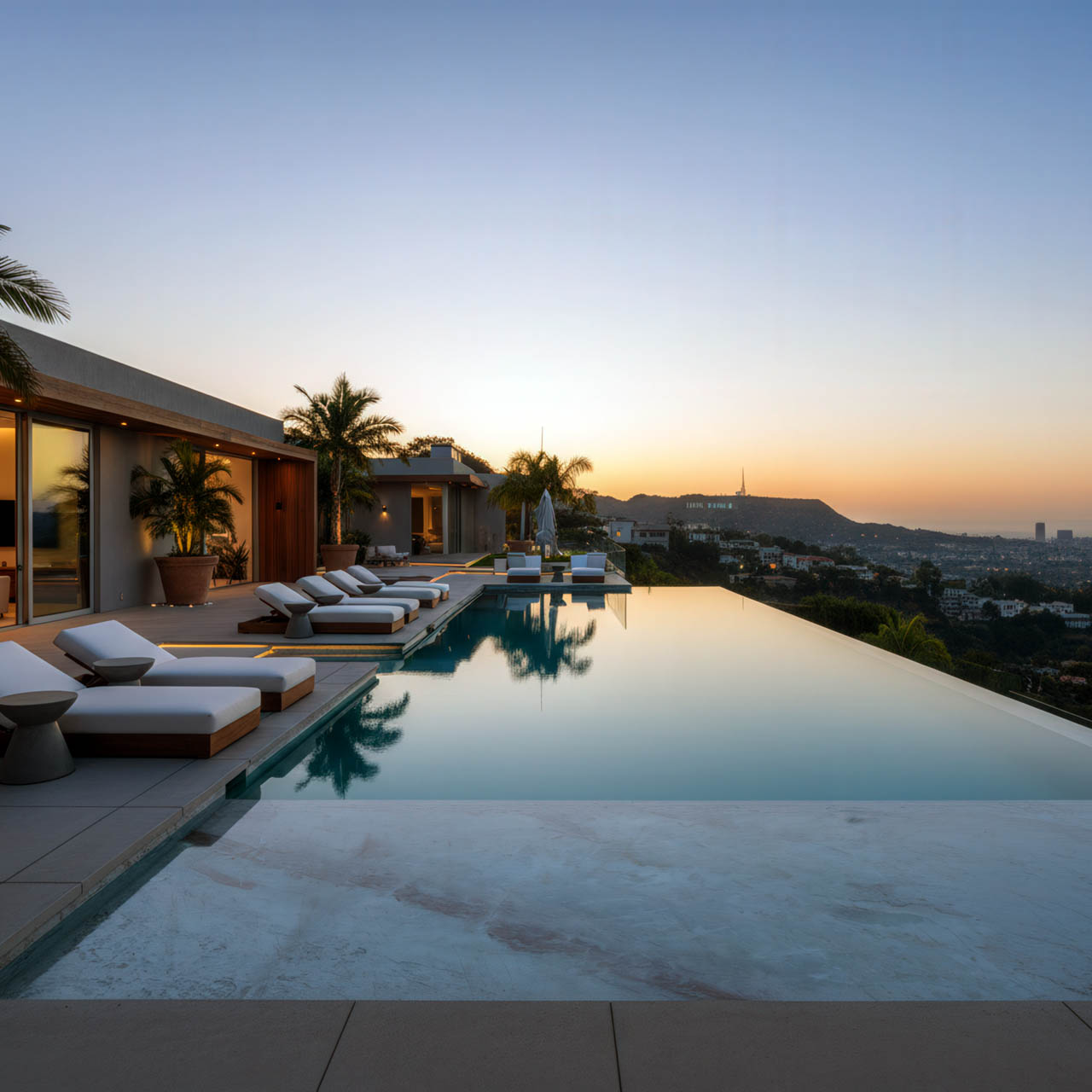
Pool Coping: Its light color ensures the stone stays cool underfoot, while its density prevents the “pitting” often seen in softer stones exposed to pool chemicals.
-
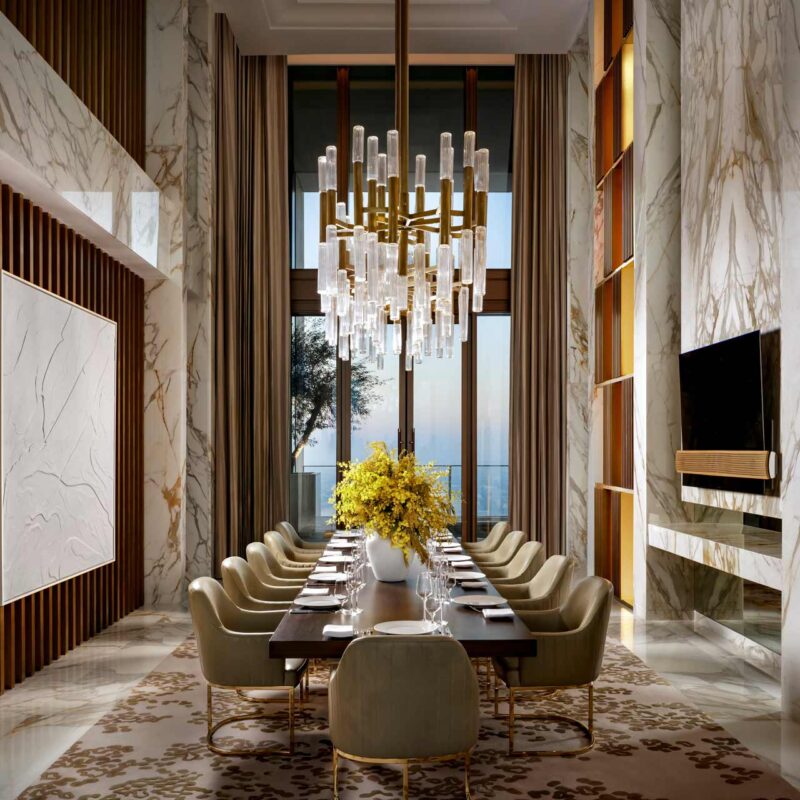
Furniture and Sculpture: Designers often select Mylasa Silver for bespoke dining tables and outdoor benches, as the stone’s crystalline structure creates a mesmerizing depth when viewed in natural sunlight.
Technical Comparison: Dolomite vs. Calcite Marble
| Feature | Mylasa Silver (Dolomite) | Standard White Marble |
| Density | High 2850 kg/m3 | Moderate 2700 kg/m3 |
| Porosity | Very Low | Moderate |
| Acid Resistance | High | Low (Prone to etching) |
| Visual Texture | Crystalline/Shimmering | Matte/Opaque |
Design Tip: Finishing for the Space
For a ultra-modern, “industrial-chic” look, architects often specify a honed or satin finish for Mylasa Silver. This removes the high-gloss reflection and emphasizes the soft, smoky texture of the gray veins, making the stone feel more tactile and organic.
Conclusion
Mylasa Silver Dolomite represents the perfect intersection of aesthetics and engineering. It provides the light-catching beauty of a white stone with the rugged performance of a high-density mineral, making it a “future-proof” material for architects who refuse to compromise between form and function.