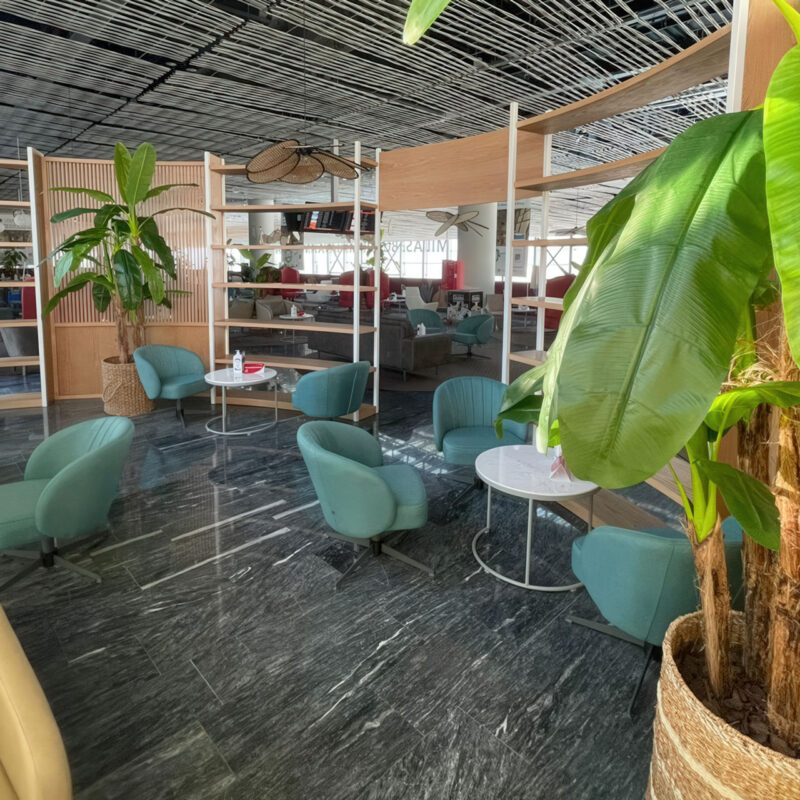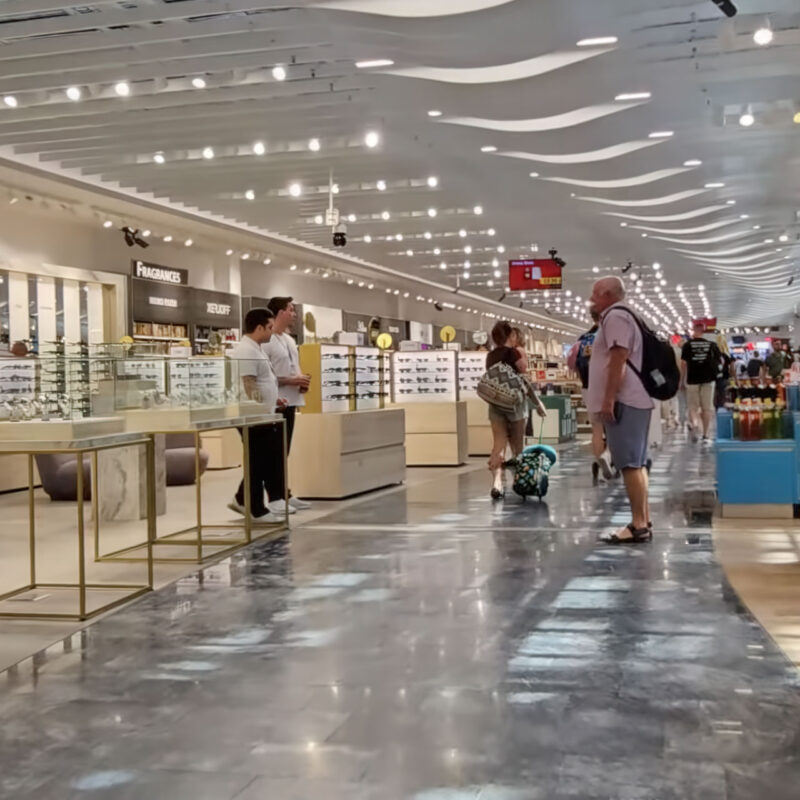
Technical Color Report Space Gray Marble
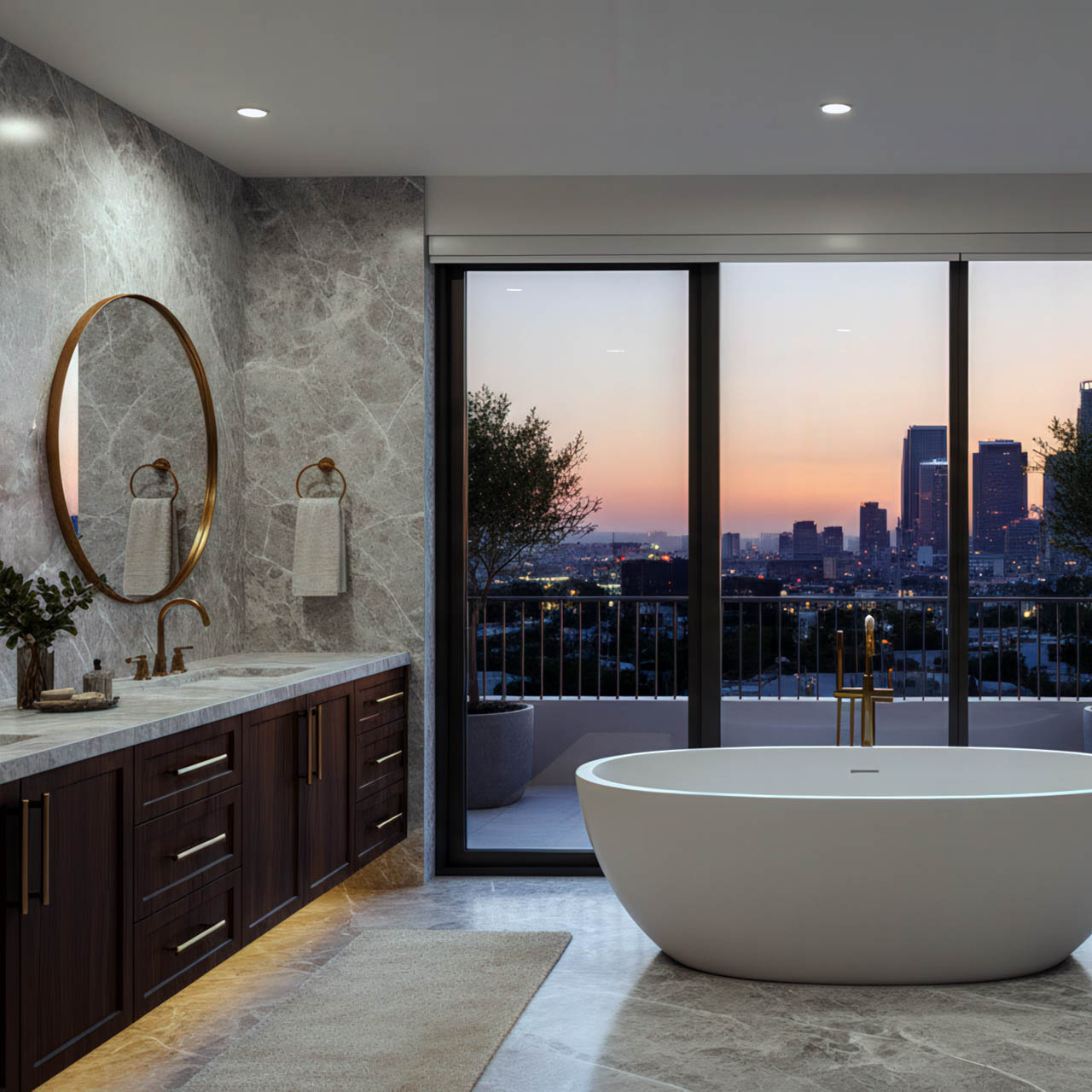
Technical Color Report Space Gray Marble
-
General Chromatic Description
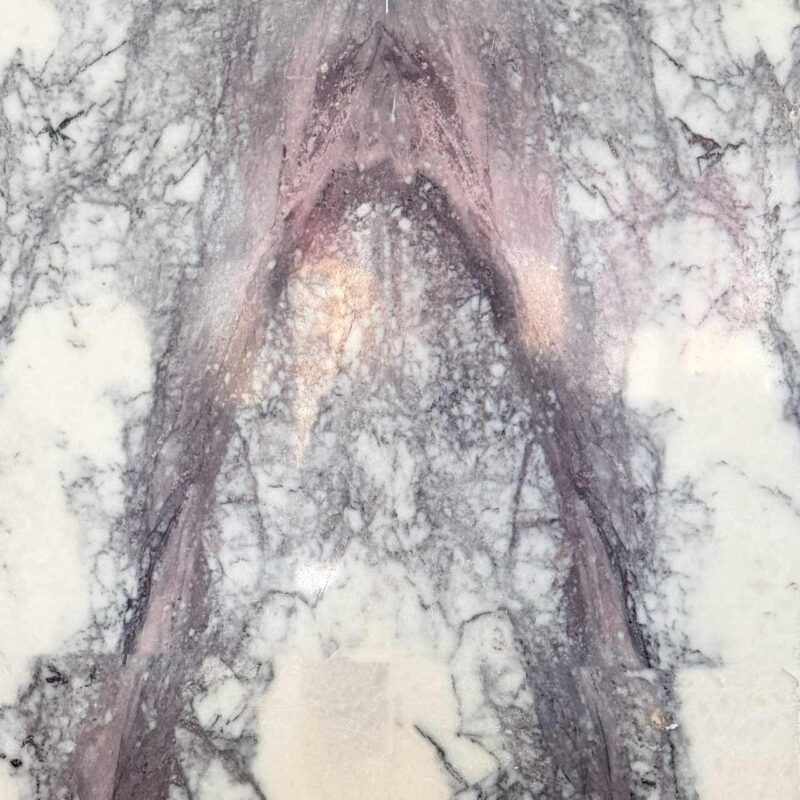
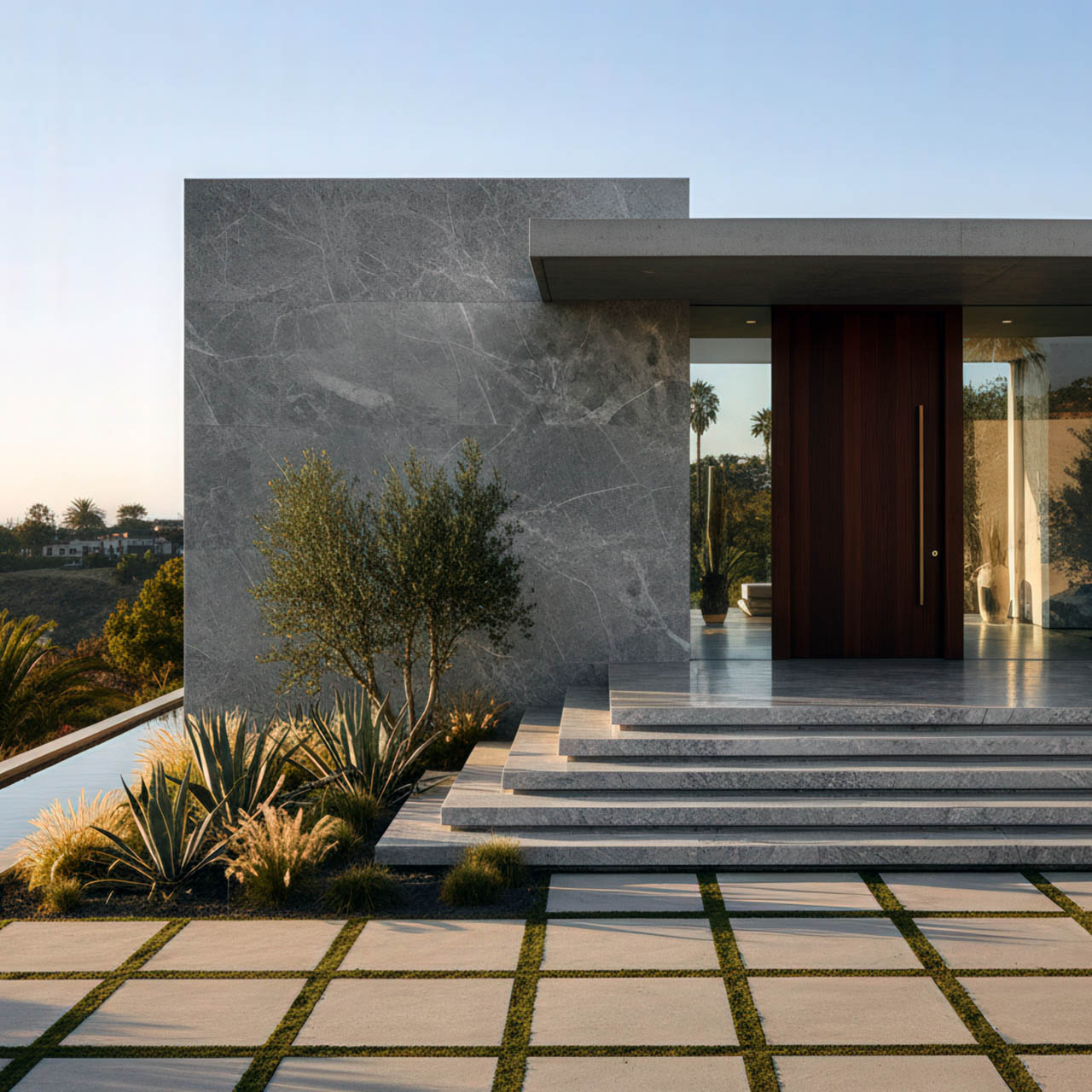
The specimen displays a dominant mid-to-deep gray base with a matte-to-satin visual texture. The color profile is defined by “spider” veining and brecciated transitions, where lighter mineral deposits intersect with the darker dolomitic or calcitic background. The aesthetic is monochromatic but possesses high tonal depth.
-
Color Composition & Area Ratio
The following table breaks down the estimated distribution of primary and secondary tones based on surface area coverage:
| Color Component | Hex Code | Tone Description | Area Ratio (%) |
| Primary Base | #7A7D7D | Medium Steel Gray | 55% |
| Secondary Base | #5B5E5F | Deep Charcoal / Slate | 25% |
| Macro Veining | #D1D3D4 | Cool Ash White | 12% |
| Micro Veining | #E6E7E8 | High-Luster Pearl White | 8% |
-
Technical Visual Analysis
- Saturation and Hue: The material maintains a very low saturation levels (near-neutral). The hue leans slightly toward the cool/blue spectrum (CIE $L^*a^*b^*$ coordinates would likely show a negative $b^*$ value), which provides the “Space Gray” designation its characteristic metallic feel.
- Veining Characteristics: The veining is non-directional (multidirectional), appearing as “hairline” fractures and broader “cloud” formations. These are typically composed of recrystallized calcite or quartz.
- Contrast Ratio: There is a moderate-to-high contrast between the #5B5E5F deep zones and the #E6E7E8 highlight veins. This contrast is what defines the “depth” of the slab when polished or honed.
- Light Reflectance Value (LRV): The estimated average LRV for this slab is approximately 18–22%, categorizing it as a medium-dark architectural surface.
-
Application Implications
Due to the high percentage of medium gray base tones, this marble is exceptionally forgiving regarding maintenance and visible wear. The intricate white veining allows it to pair seamlessly with both brushed nickel and matte black hardware in high-end installations.
The Sophistication of Space Gray Marble in Modern Architecture
Space Gray Marble has surged in popularity among architects and interior designers who seek a balance between the raw power of industrial aesthetics and the timeless elegance of natural stone. Characterized by its deep, smoky charcoal base and fine, silvery-white veining, this marble offers a “celestial” depth that mimics the vastness of the night sky.
Because of its high density and striking color palette, Space Gray is versatile enough to serve as both a quiet neutral and a bold focal point.
1. High-End Interior Flooring
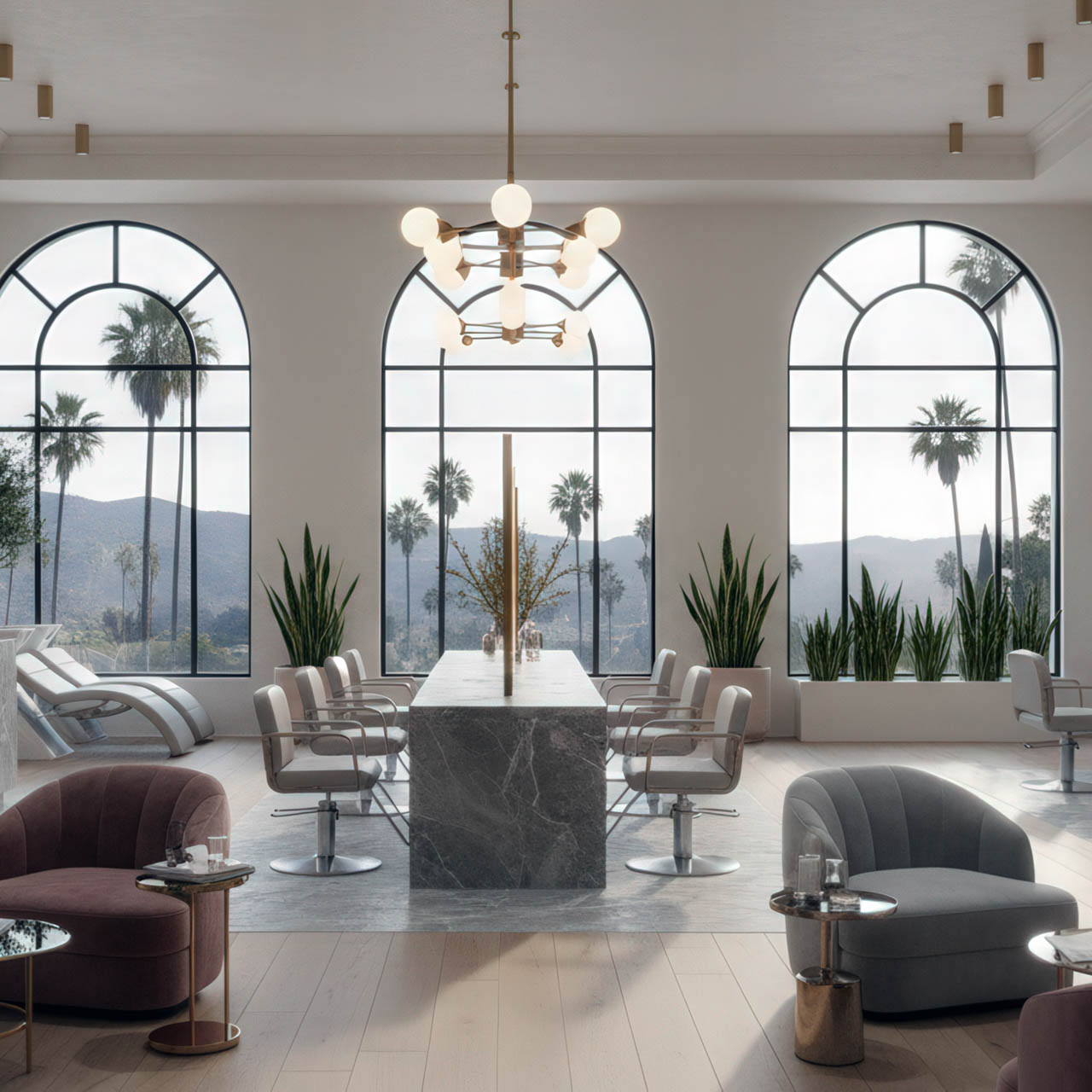
One of the primary uses for Space Gray Marble is in large-format floor tiling. The stone’s dark hue is exceptionally forgiving in high-traffic areas, as it tends to hide minor debris and wear better than lighter marbles like Carrara.
-
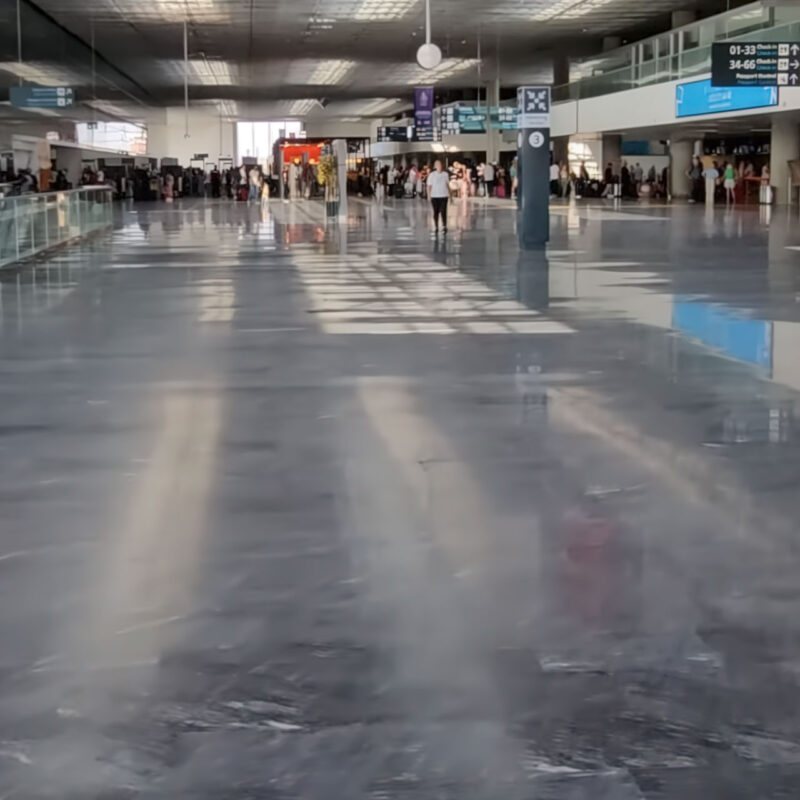
Expansive Lobbies: In commercial architecture, Space Gray creates a sense of “grounded luxury.”
-
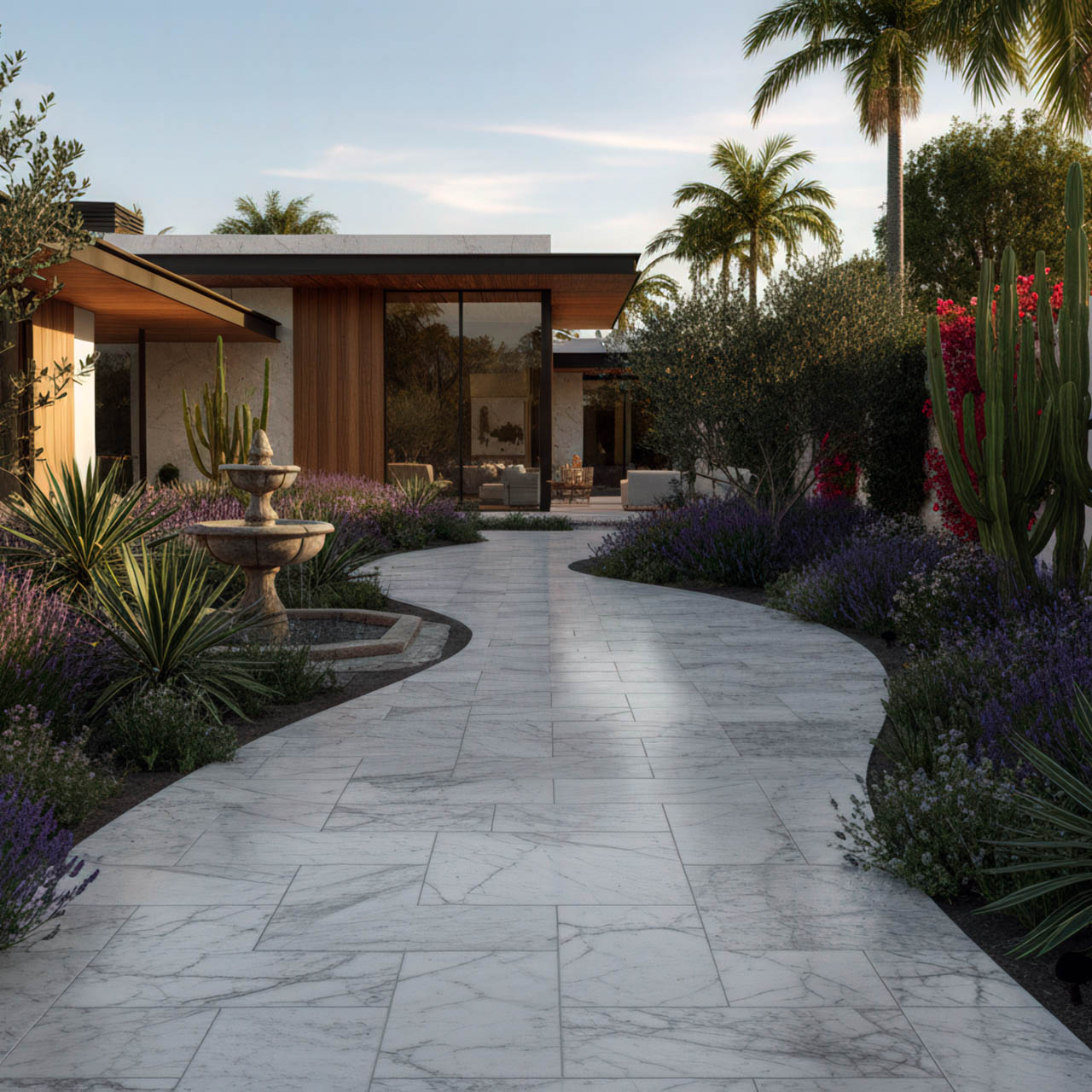
Residential Flow: Architects often use it to create a seamless transition between indoor and outdoor living spaces, maintaining a consistent color story throughout the home.
2. Dramatic Feature Walls and Cladding
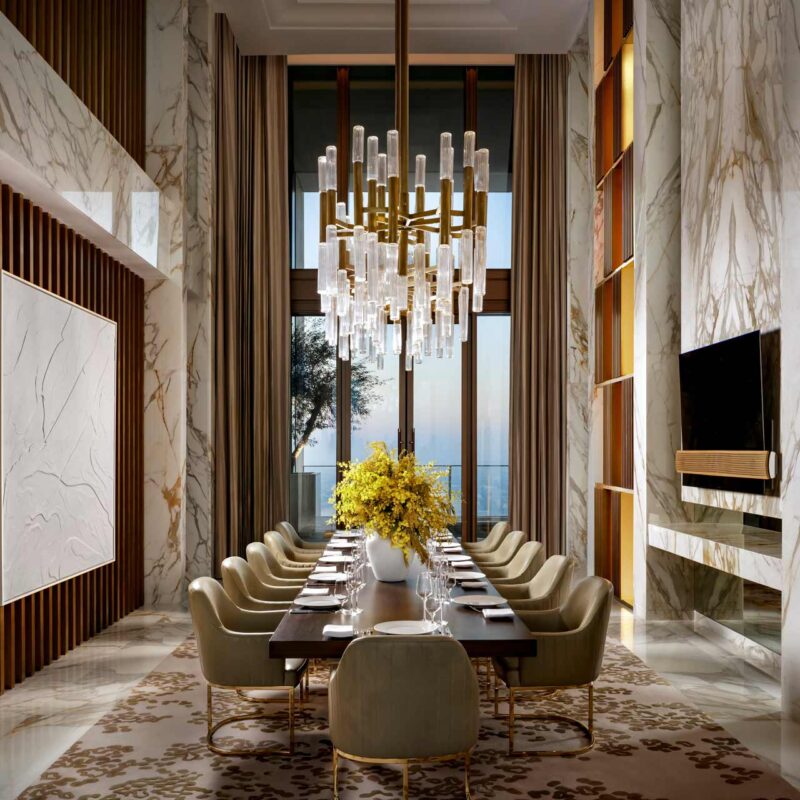
The visual “movement” in Space Gray Marble makes it an ideal candidate for vertical applications. When the light hits the silver veins, it creates a shimmering effect that can make a static wall feel dynamic.
-
Book-Matched Installations: Designers frequently use two mirror-image slabs to create a symmetrical “butterfly” pattern. This is a common centerpiece in luxury hotel reception areas or behind a master bed.
-
Fireplace Surrounds: Because marble is naturally heat-resistant, Space Gray is a premier choice for floor-to-ceiling fireplace facades, where the dark stone contrasts beautifully with the orange glow of the flames.
3. Culinary and Bath Applications
Space Gray Marble is a favorite for those who find traditional white marble too clinical. Its dark tones provide a moody, “speakeasy” vibe that is currently trending in kitchen and bath design.
-
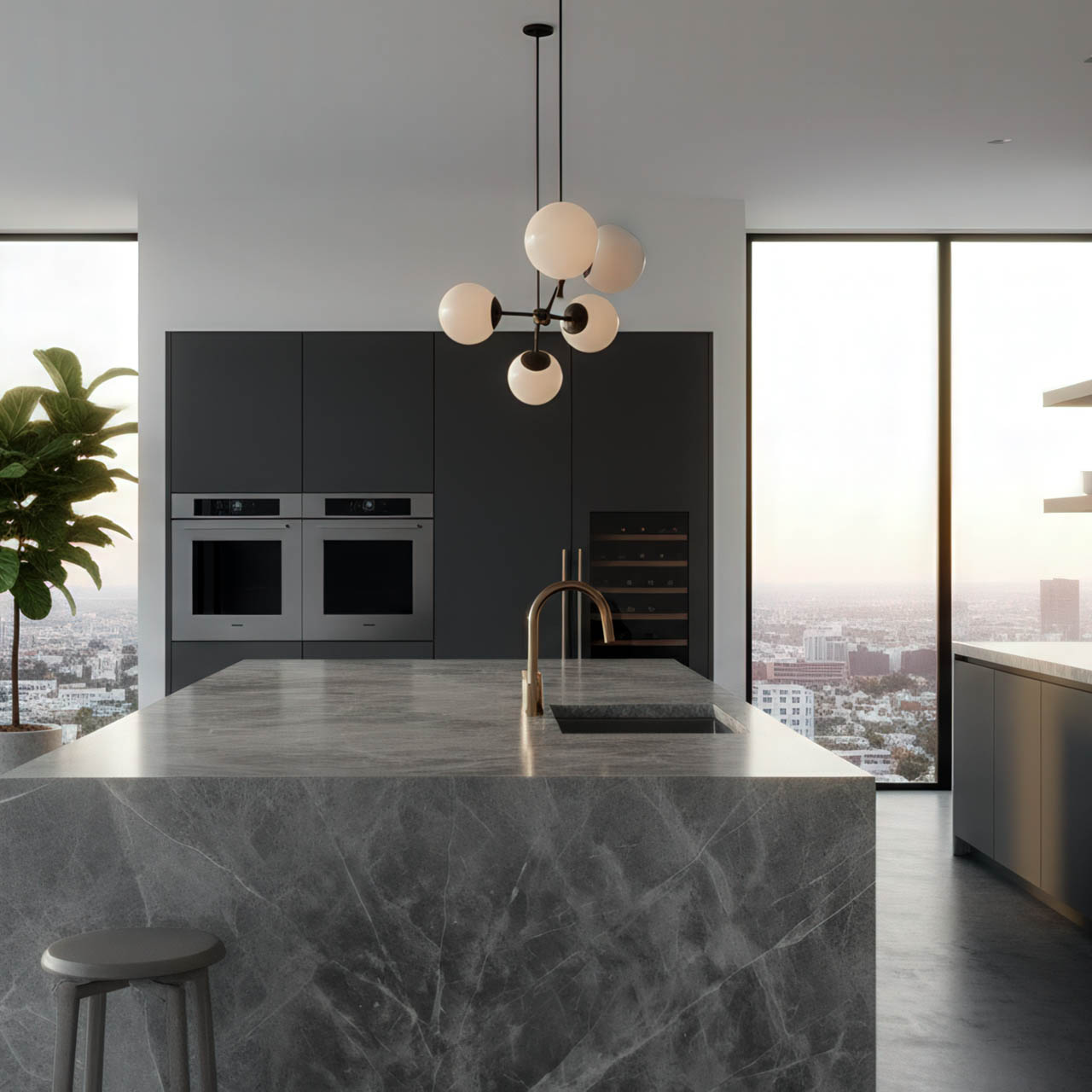
Monolithic Kitchen Islands: Using a thick-slab Space Gray marble for an island creates a sculptural element in the center of the kitchen.
-
Integrated Sinks and Vanities: The stone is often carved into custom basins. In a bathroom, this creates a sophisticated, spa-like atmosphere, especially when paired with brushed gold or matte black hardware.
4. Staircases and Architectural Transitions
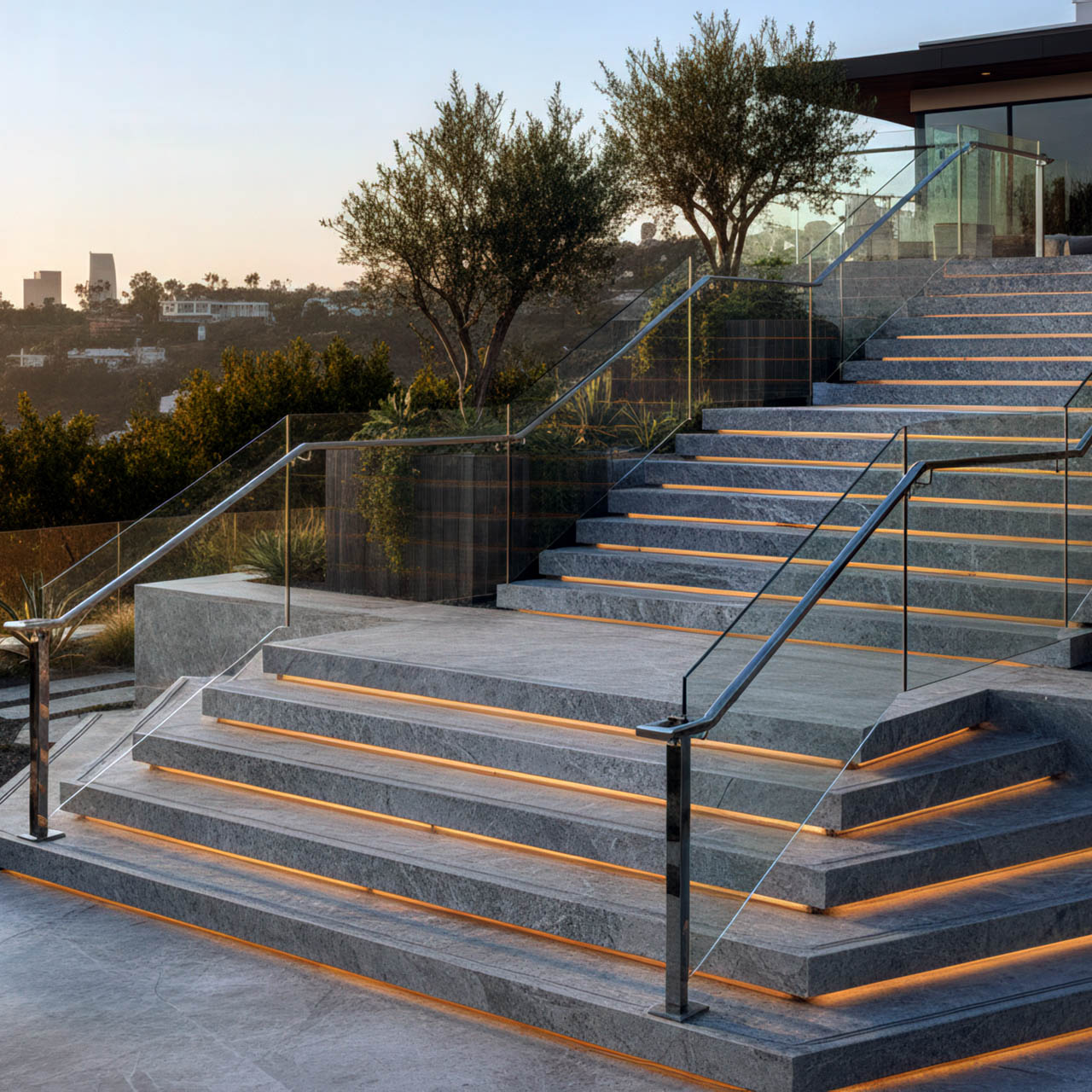
The structural integrity of Space Gray Marble allows it to be used for heavy-duty architectural elements like staircases.
-
Cantilevered Treads: For modern, minimalist homes, Space Gray slabs are used for “floating” stairs. The dark color makes the stairs appear heavy and solid, while the cantilevered design makes them seem to defy gravity.
-
Thresholds and Borders: It is often used as a border material to frame lighter stones or hardwoods, acting as a visual “anchor” for a room’s layout.
5. Exterior Facades and Landscaping
While many marbles are reserved for the interior, certain varieties of Space Gray are hardy enough for external use when treated with the correct finish.
-
Modern Facades: Large honed panels can be used to clad the exterior of a building, providing a sleek, weather-resistant skin that ages gracefully.
-
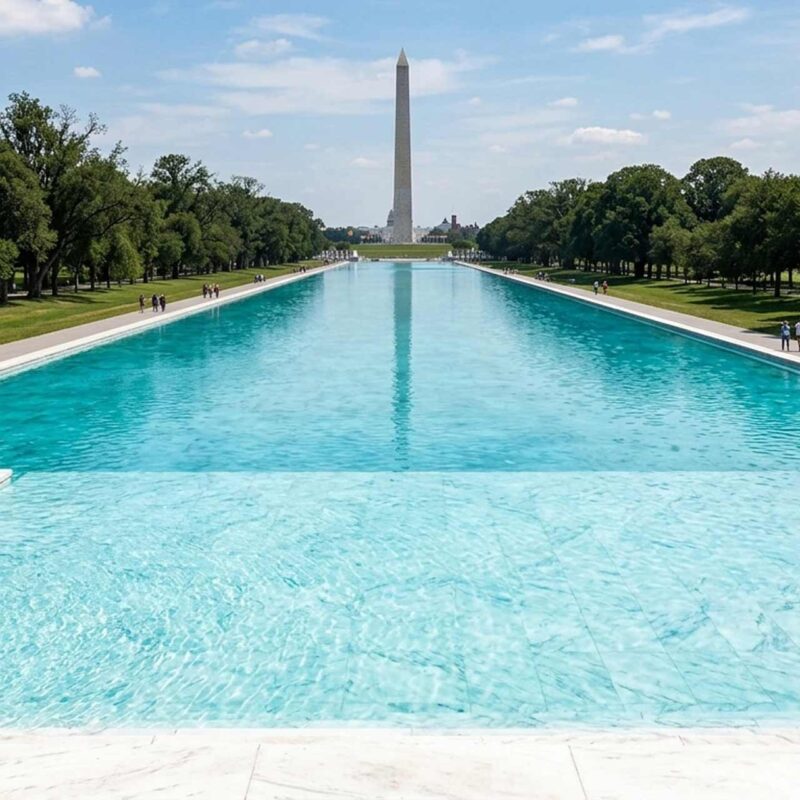
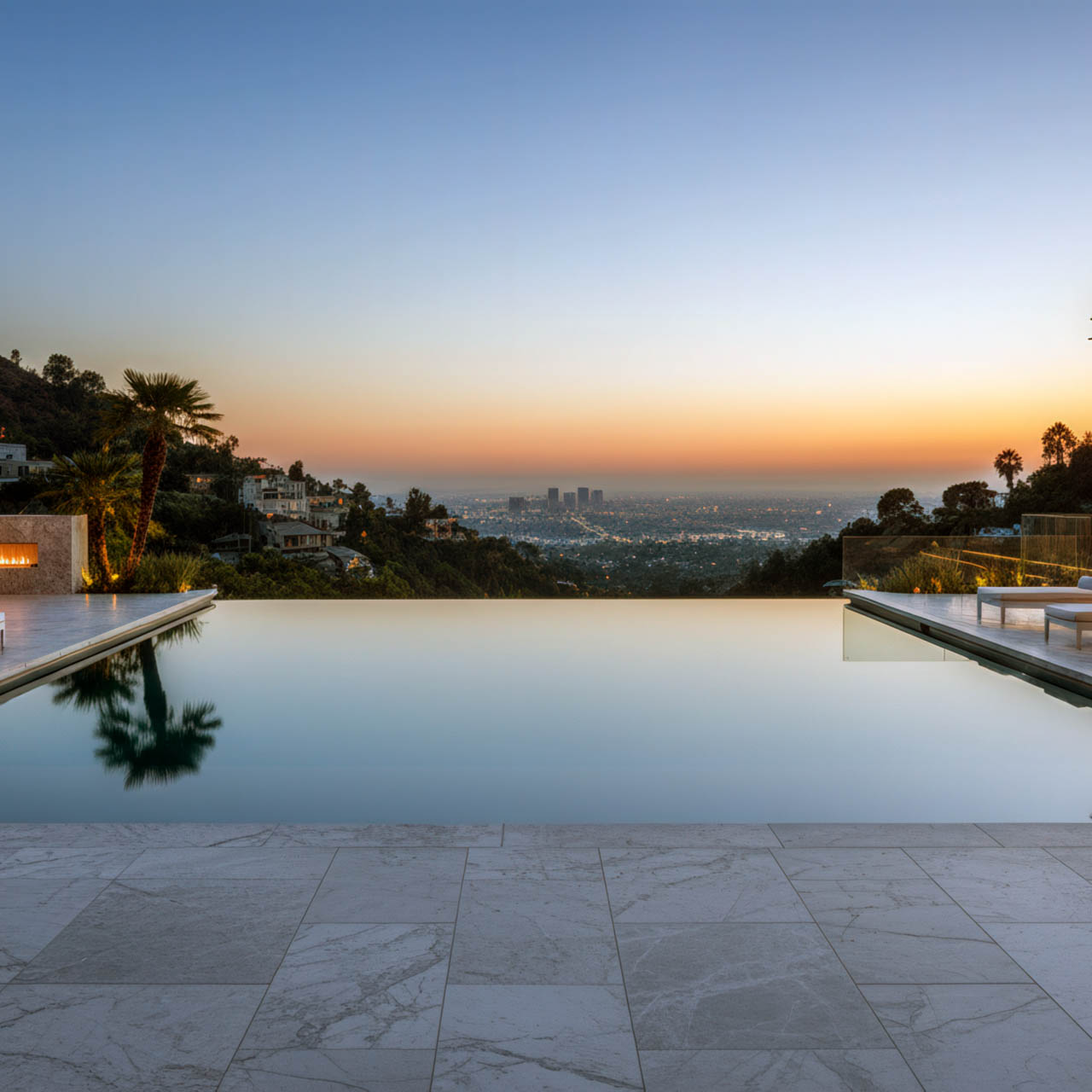
Water Features: The dark color of the marble enhances the reflective quality of water, making it a top choice for luxury fountains and infinity-edge pool borders.
Technical Comparison of Finishes
| Finish | Best Application | Visual/Tactile Result |
| Polished | Countertops, Feature Walls | A glass-like shine that intensifies the charcoal color. |
| Honed | Flooring, Bathrooms | A smooth, matte finish that is less slippery and more contemporary. |
| Leathered | Outdoor, High-Touch Areas | A textured, “dimpled” surface that feels organic and hides water spots. |
Conclusion
Space Gray Marble is a testament to the fact that dark materials don’t have to feel “heavy” or “gloomy.” Through its intricate veining and various finishing options, it provides architects with a sophisticated tool to create spaces that feel both futuristic and deeply rooted in the natural world.