Technical Color Analysis Report Dark Emperador Marble
Technical Color Analysis Report Dark Emperador Marble
-
Visual Characterization
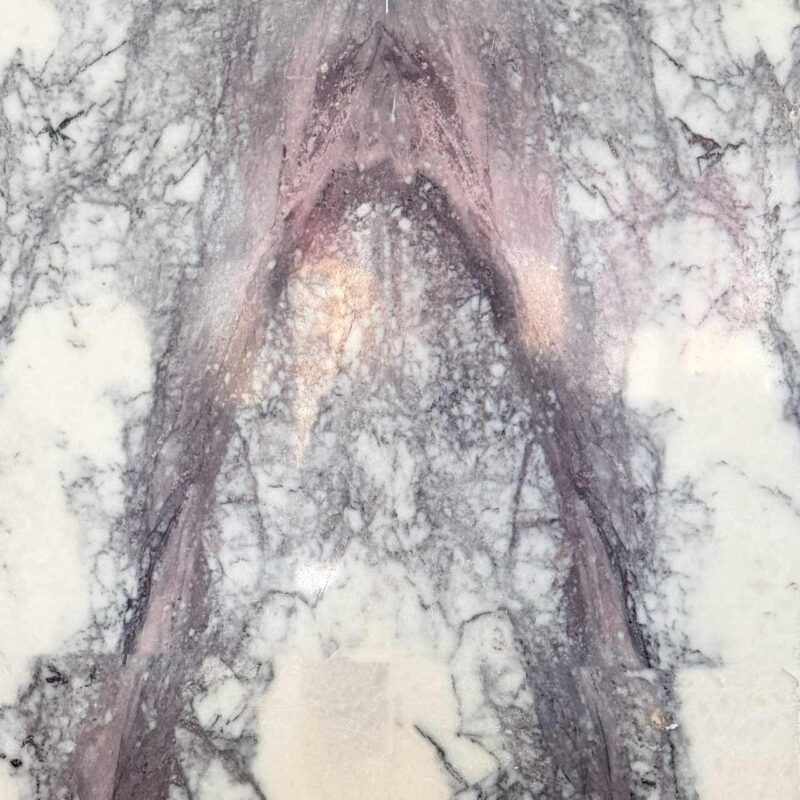
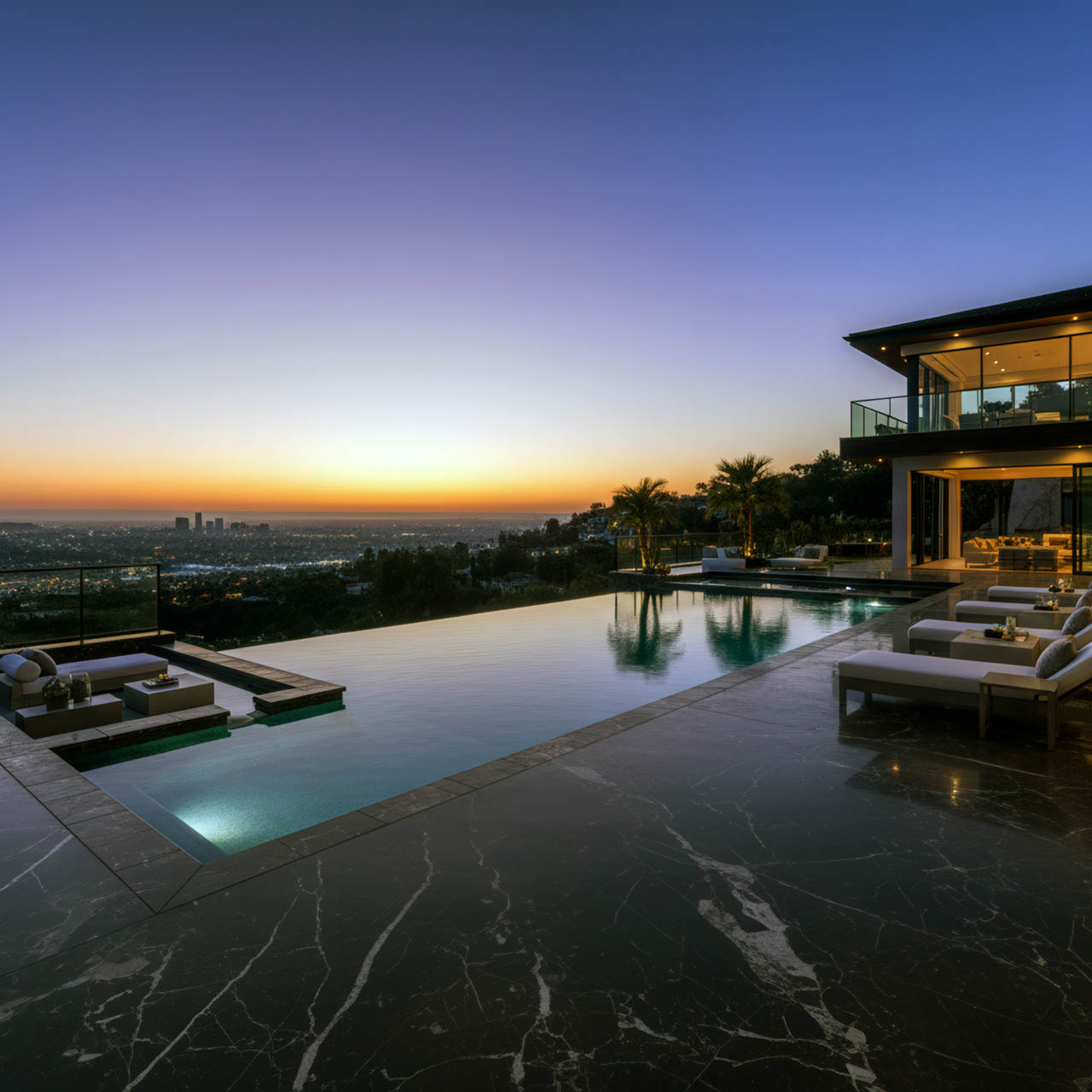
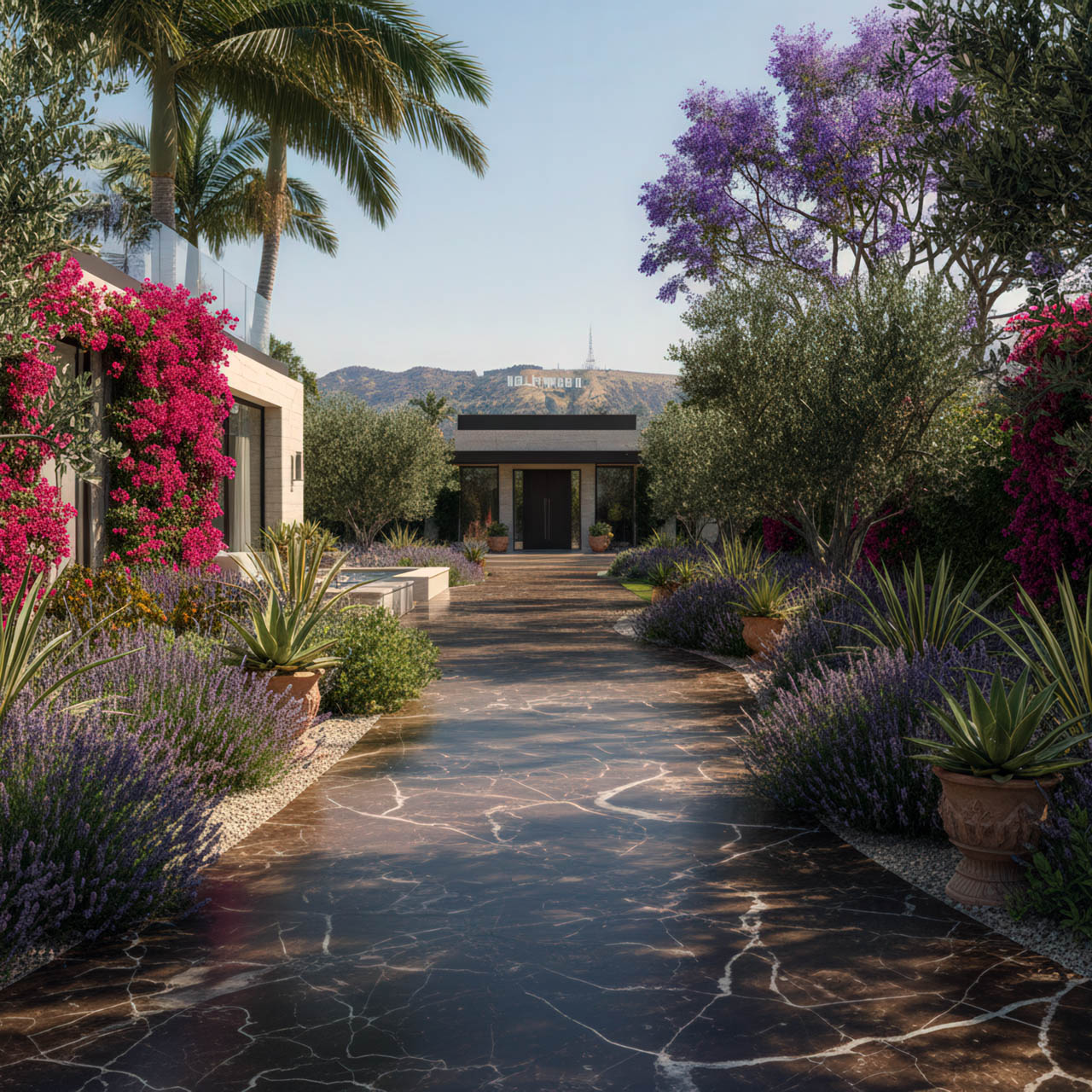
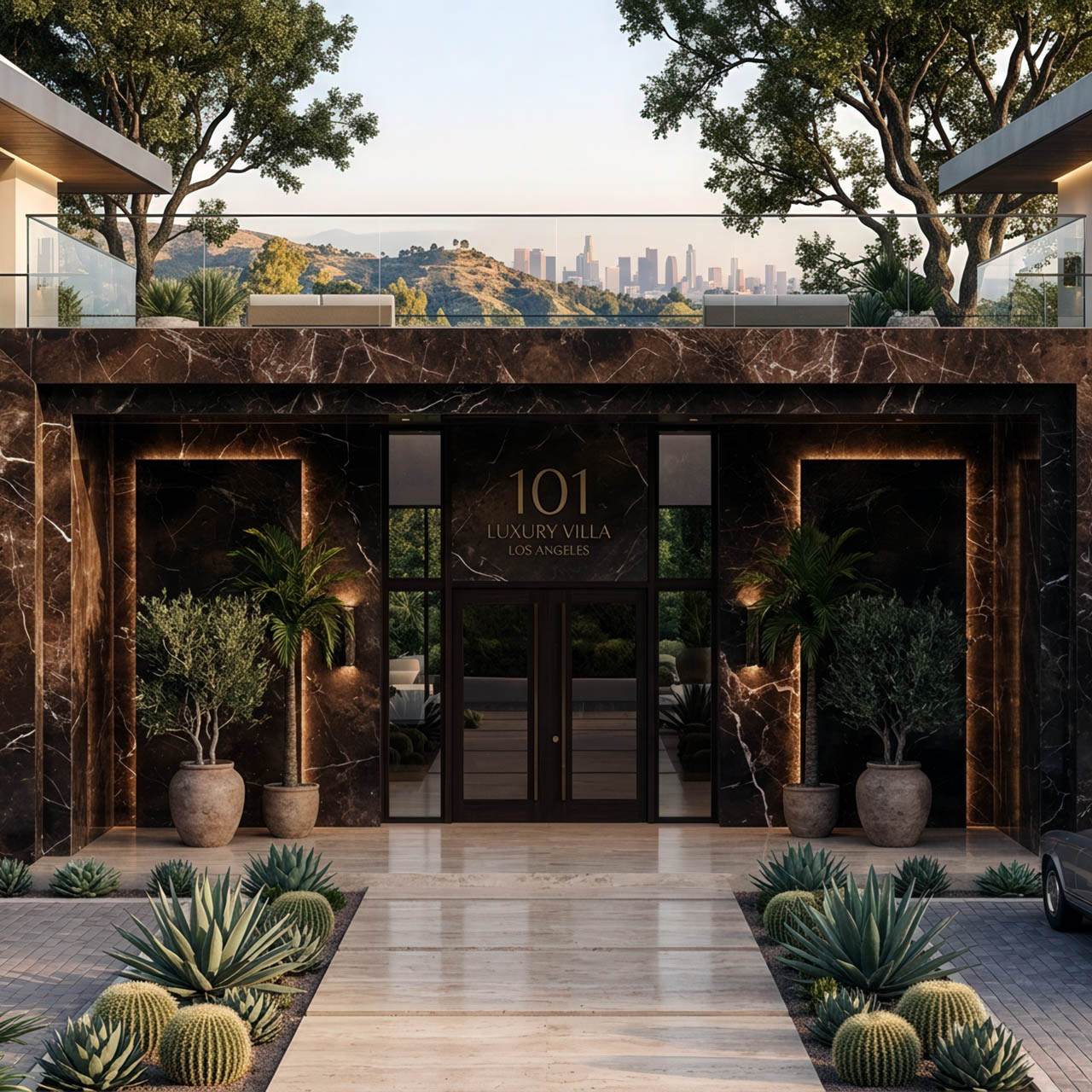
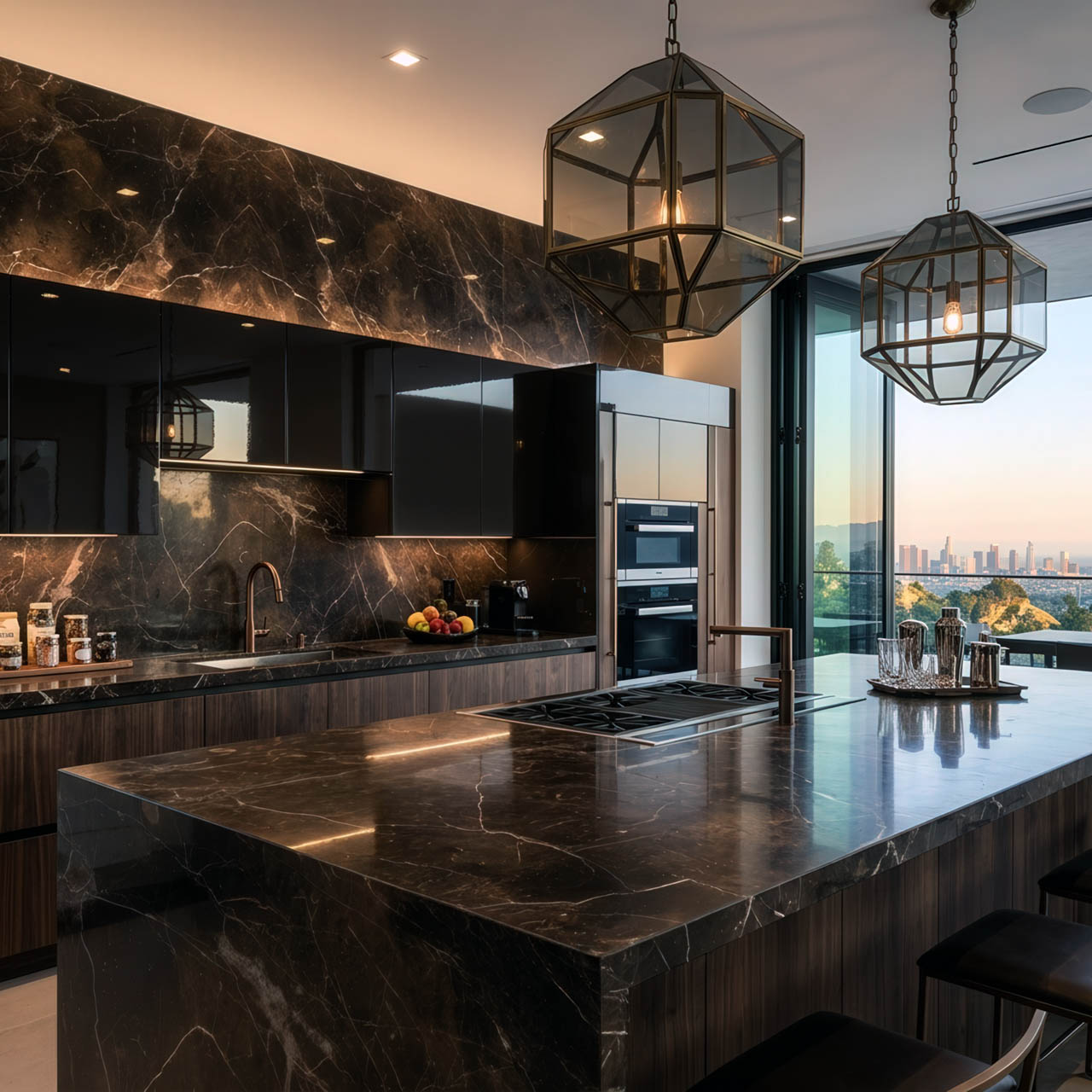
The specimen exhibits a polychromatic brecciated structure. The primary aesthetic value is derived from the high contrast between the dark, muddy tobacco-colored ground and the crystalline white-to-beige calcite veins. The distribution is non-uniform, following natural geological fractures (striae).
-
Color Composition & Area Ratios
The following table breaks down the dominant color signatures identified via digital sampling.
| Color Segment | Hex Code | RGB Values | Estimated Area Coverage | Technical Role |
| Primary Base | #3E2B23 | (62, 43, 35) | ~65% | Deep “Tobacco” brown; provides the depth. |
| Secondary Base | #5C4638 | (92, 70, 56) | ~25% | Lighter brown/umber transition zones. |
| Primary Veining | #DED3C1 | (222, 211, 193) | ~7% | Major “Spider-web” calcite veins. |
| Micro-veining | #B8A99A | (184, 169, 154) | ~3% | Subtle grey-beige hairlines and clouds. |
-
Chromatic Parameters
- Dominant Wavelength: Primarily in the warm spectrum (Orange-Red hues with very low saturation).
- Luminance (L):* Low overall luminance (approx. 15% – 25%), placing it in the “Dark” category of architectural stones.
- Saturation (Cromacity): Low to Moderate. The browns are “earthy,” achieved through high black (K) content in the CMYK model.
-
Technical Observations for Architectural Use
- Consistency: The specimen shows significant variation in “vein density.” While the primary base color is consistent, the percentage of #DED3C1 (White) can fluctuate between batches, affecting the perceived brightness of the slab.
- Complementary Pairings: The #3E2B23 base creates a high-contrast relationship with cream-colored stones (e.g., Crema Marfil) or metallic accents in the gold/brass family.
- Reflectivity: In its polished state, the dark base acts as a mirror, but the high percentage of micro-veining acts as a “diffuser” that can soften sharp light reflections.
Known globally as the “King of Brown Marbles,” Dark Emperador (or Emperador Oscuro) is the definitive material for creating a sense of gravity, tradition, and profound luxury. While the light and gray variants offer softer transitions, Dark Emperador is defined by its deep chocolate-to-ebony base and dramatic, high-contrast white “calcite” veining.
In 2026, as architects move toward “Deep-Tone Opulence,” Dark Emperador has seen a significant comeback as a structural and decorative anchor in high-end design.
1. Grand Scale Flooring and Contrast Borders
Dark Emperador is the most popular “frame” in architectural stone design. Its dark tones are used to define the boundaries of a space.
-
Border Inlays: In luxury hotels and palace-style residences, Dark Emperador is used to frame lighter stones like Crema Marfil or Muğla White. This “rug effect” eliminates the need for physical carpets and provides a permanent, regal floor layout.
-
Checkered Dynamics: Paired with a pure white marble, it creates the classic high-contrast checkerboard floor, a timeless aesthetic that remains a staple for luxury corridors in 2026.
2. High-Impact Feature Walls and Portals
Due to its rich, dark color, this marble acts as a “visual anchor” in expansive rooms.
-
The “Portal” Entrance: Architects use Dark Emperador to clad the deep reveals of doorways and elevator banks. This creates a psychological transition from one space to another, signaling a move into a more private or prestigious area.
-
TV and Fireplace Surrounds: The stone’s heat resistance and deep color make it a preferred choice for modern fireplaces. The white veins catch the flickering light of the fire, creating a dynamic, living texture in the room.
3. The “Modern Library” and Executive Office Desk
A major 2026 trend involves using natural stone as furniture surfaces rather than just cladding.
-
Monolithic Desks: Large slabs are mitered to create “block” desks for executive offices. The dark chocolate tones pair perfectly with leather chairs and walnut paneling, conveying a sense of heritage and permanence.
-
Conference Tables: Because of its high compressive strength (115 MPa), it can be used in large, heavy spans for boardroom tables, often integrated with brass cable management systems.
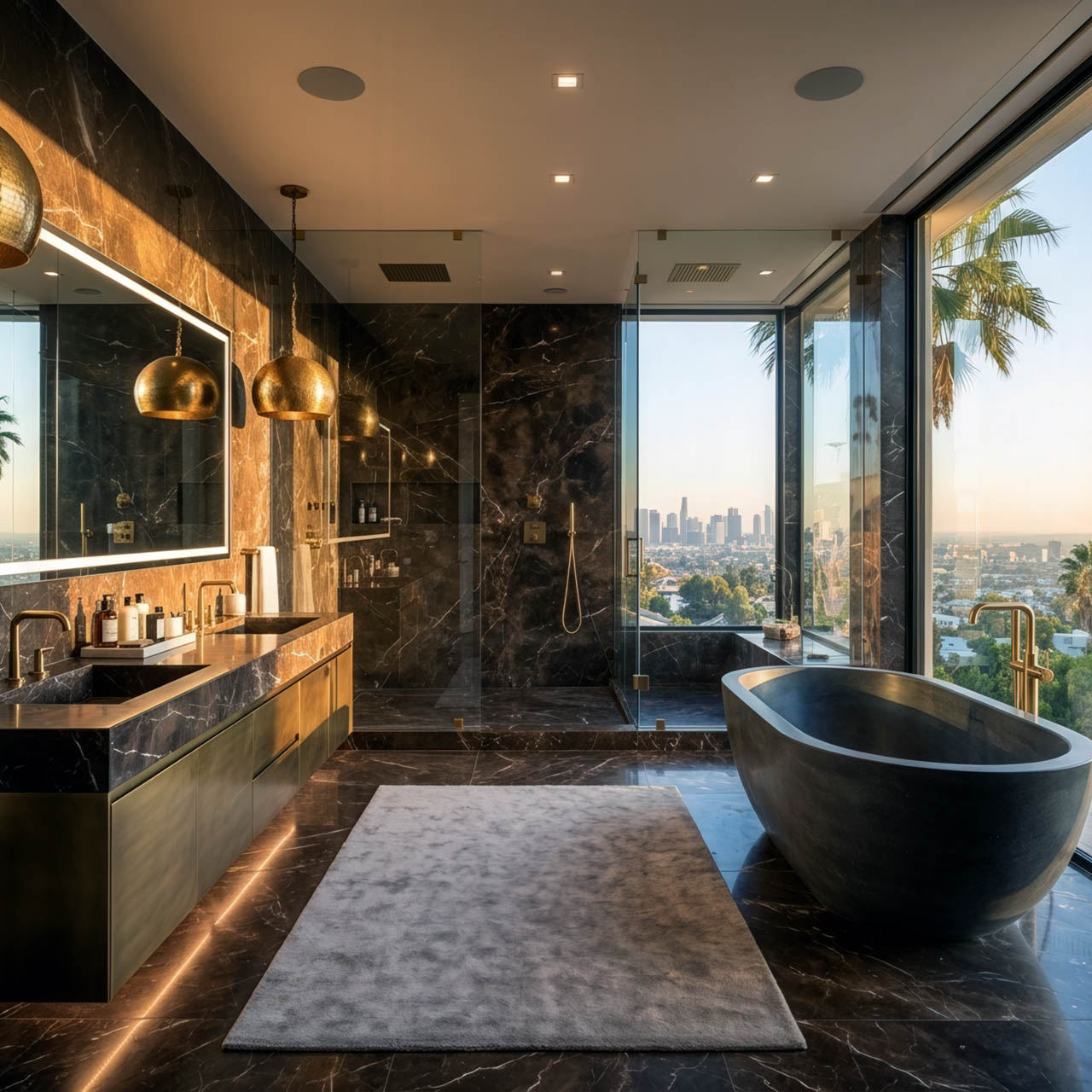
4. Luxurious Spa and “Wet-Look” Bathrooms
Dark Emperador takes on a special quality when wet; the chocolate tones deepen, and the white veins become even more vibrant.
-
Integrated Sinks: Carving a “block” vanity from Dark Emperador creates a striking focal point in a powder room.
-
Steam Room Seating: Its thermal properties make it excellent for heated benches in hammams. The stone retains heat efficiently, and its variegated pattern is excellent at hiding the water spots that often plague lighter stones.
Technical Specification Table
| Property | Value (Average) |
| Density | 2.73 g/cm3 |
| Compressive Strength | 115.0–140.0 MPa |
| Water Absorption | 0.15% (By Weight) |
| Flexural Strength | 14-16 MPa |
2026 Design Pairing Guide: “Deep-Tone Opulence”
To ensure Dark Emperador looks modern and not “dated,” architects recommend these 2026 styling tips:
-
Metal Pairing: Use Brushed Brass or Antique Gold. The yellow-gold contrast against the deep brown is the height of “Quiet Luxury.”
-
Lighting Strategy: Avoid flat, overhead lighting. Use grazing light (lights placed close to the wall) to emphasize the 3D texture of the white veins.
-
Wood Species: Pairs best with Dark Walnut, Ebony, or Mahogany. Avoid light-colored woods like pine, which can look “cheap” next to such a heavy stone.
Expert Note: Dark Emperador is a brecciated stone, meaning it has a complex, fragmented structure. In 2026, it is standard practice for high-quality suppliers to apply a vacuum-sealed resin to every slab. This reinforces the stone’s integrity, ensuring the intricate white veins remain stable for decades.