Technical Color Analysis Report Muğla Antelope
Technical Color Analysis Report Muğla Antelope
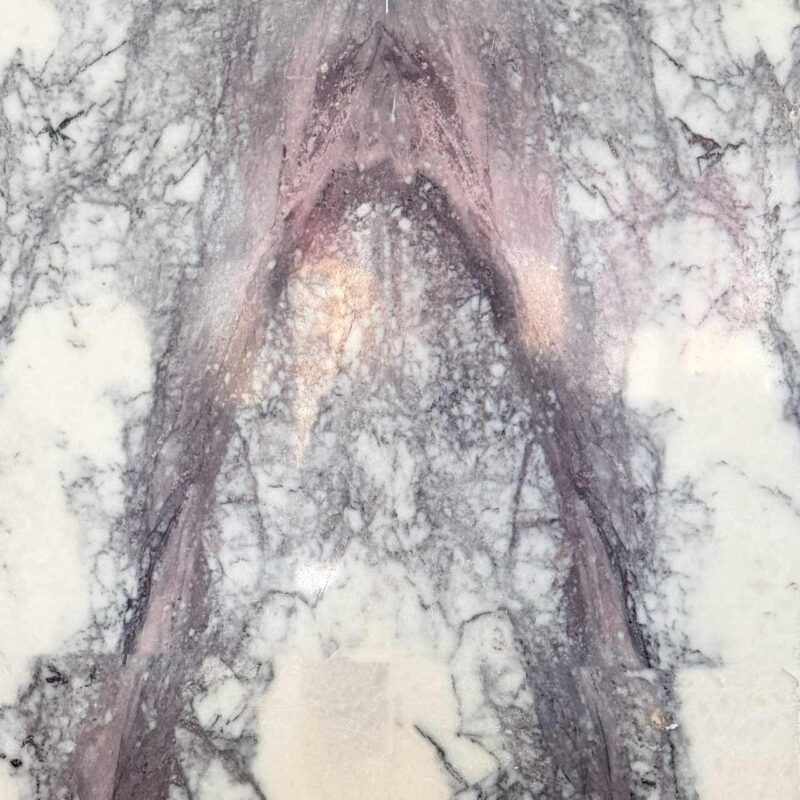
The surface composition is a high-contrast distribution between a crystalline calcitic base and mineral-rich veins. The color profile is dominated by high-reflectance whites and neutral-to-cool grays.
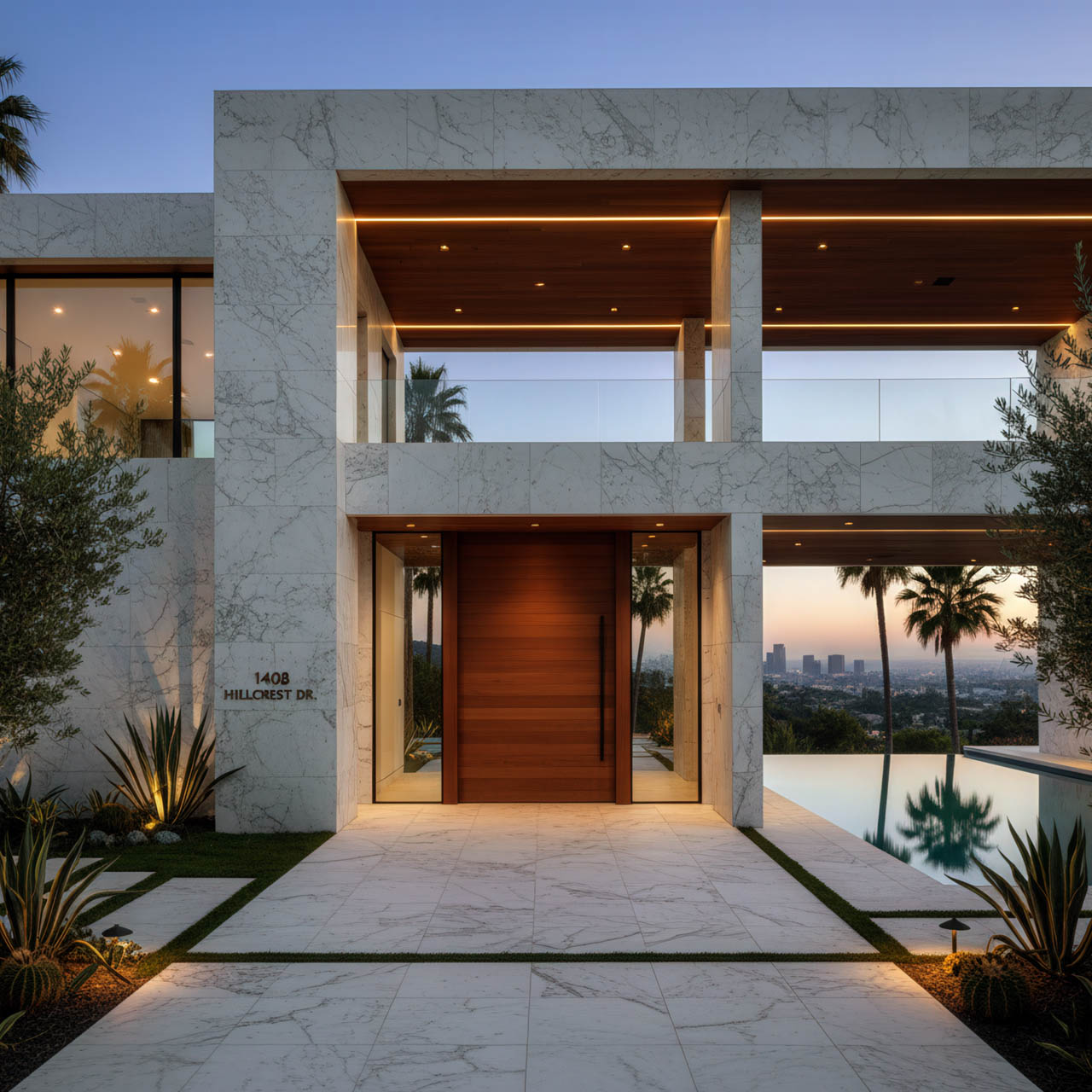
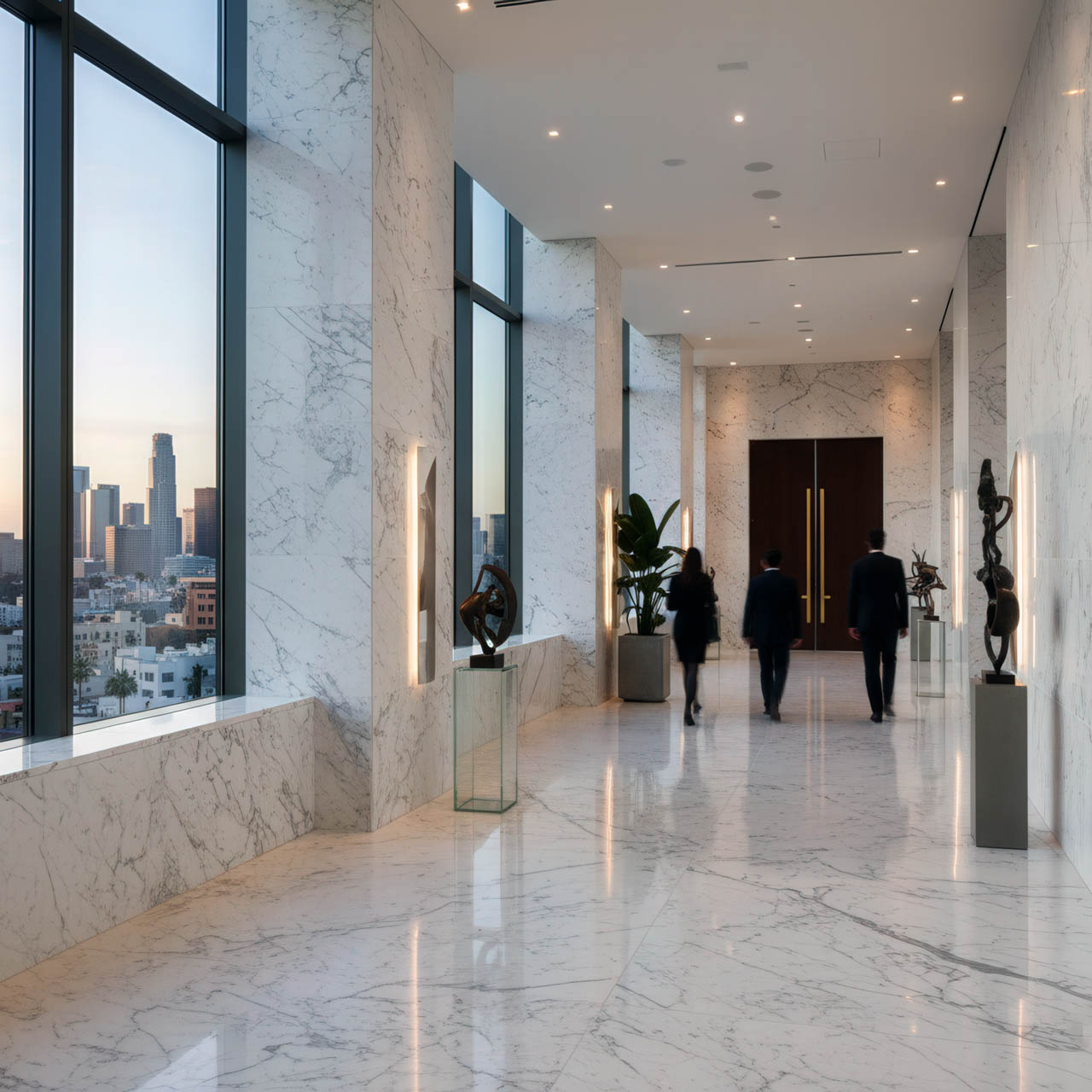
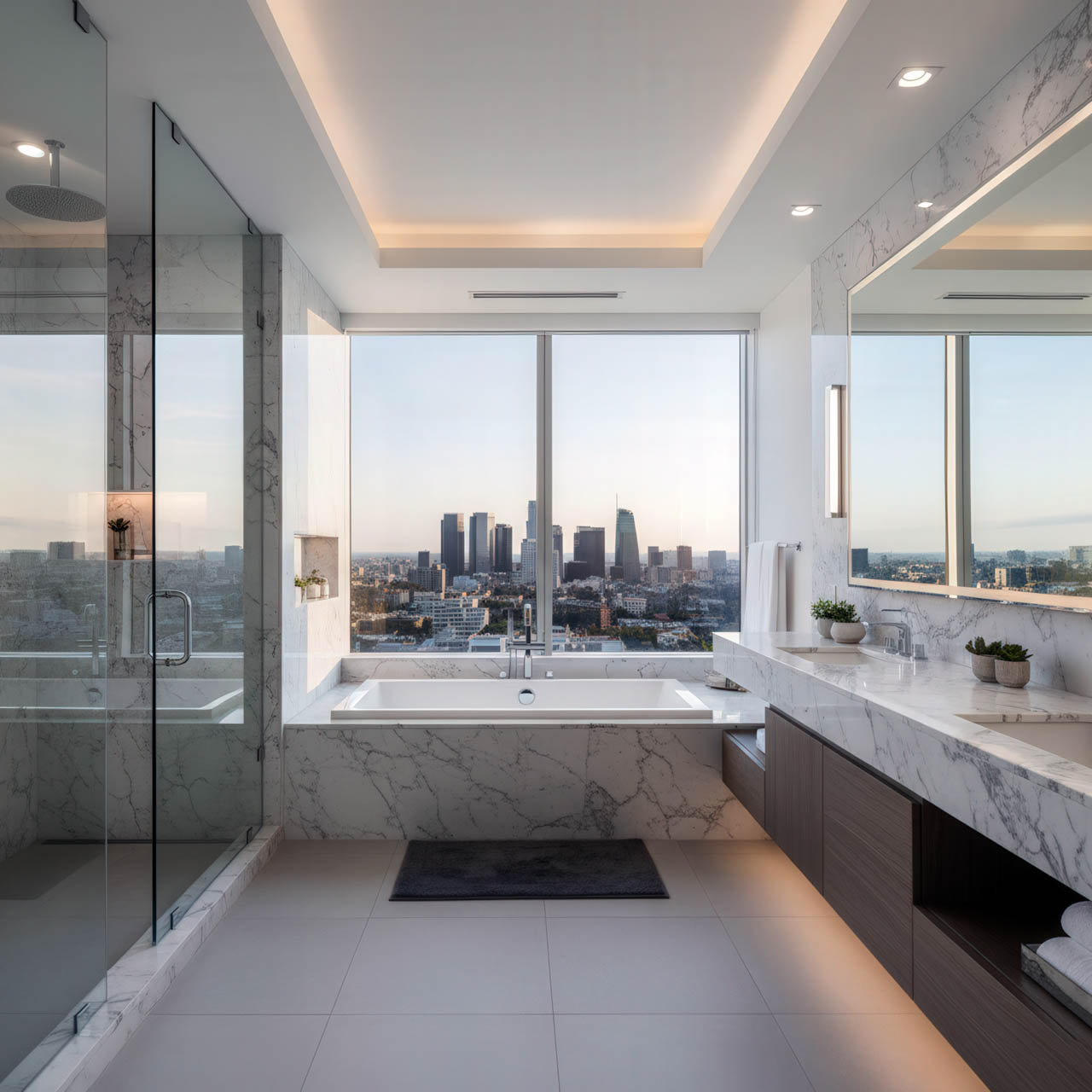
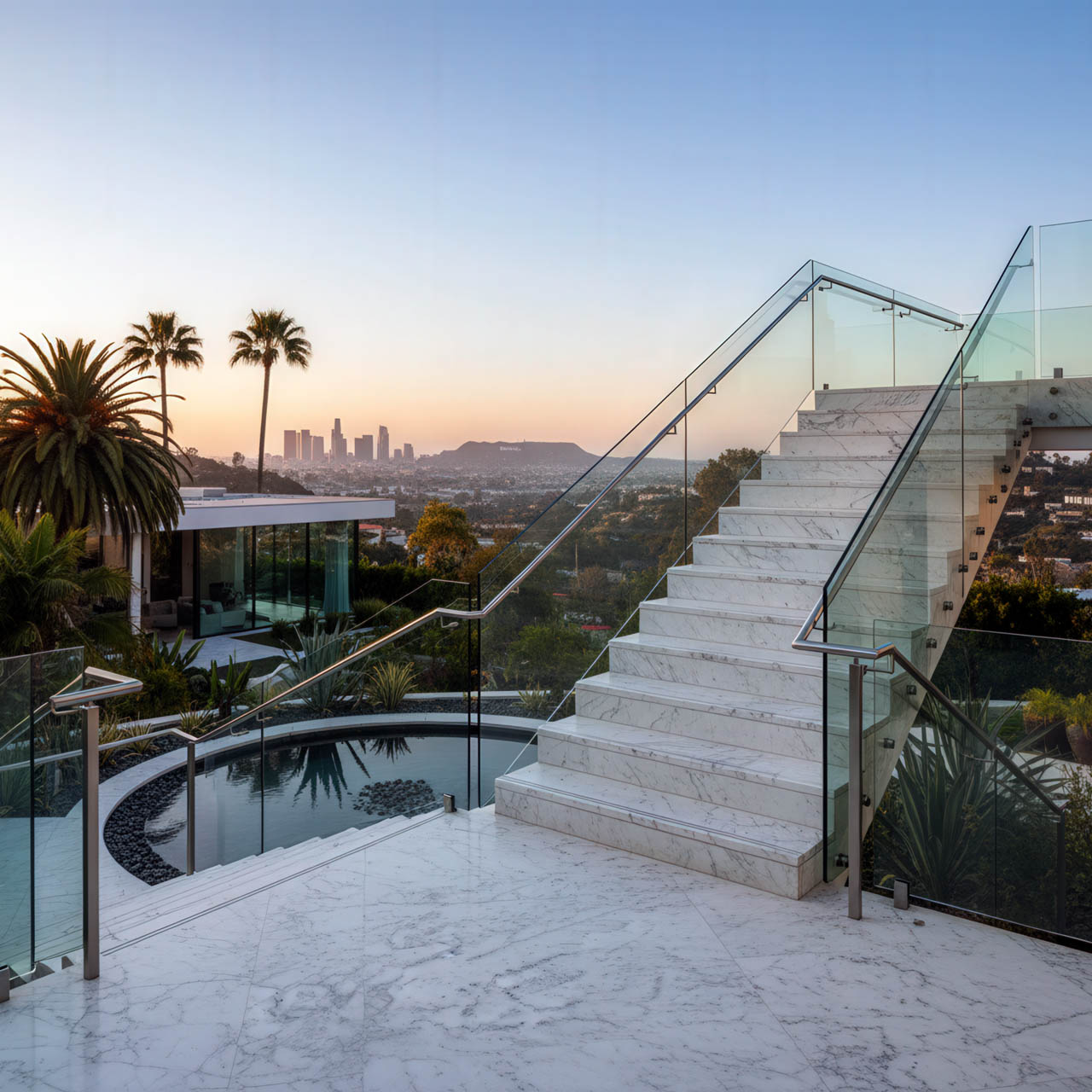
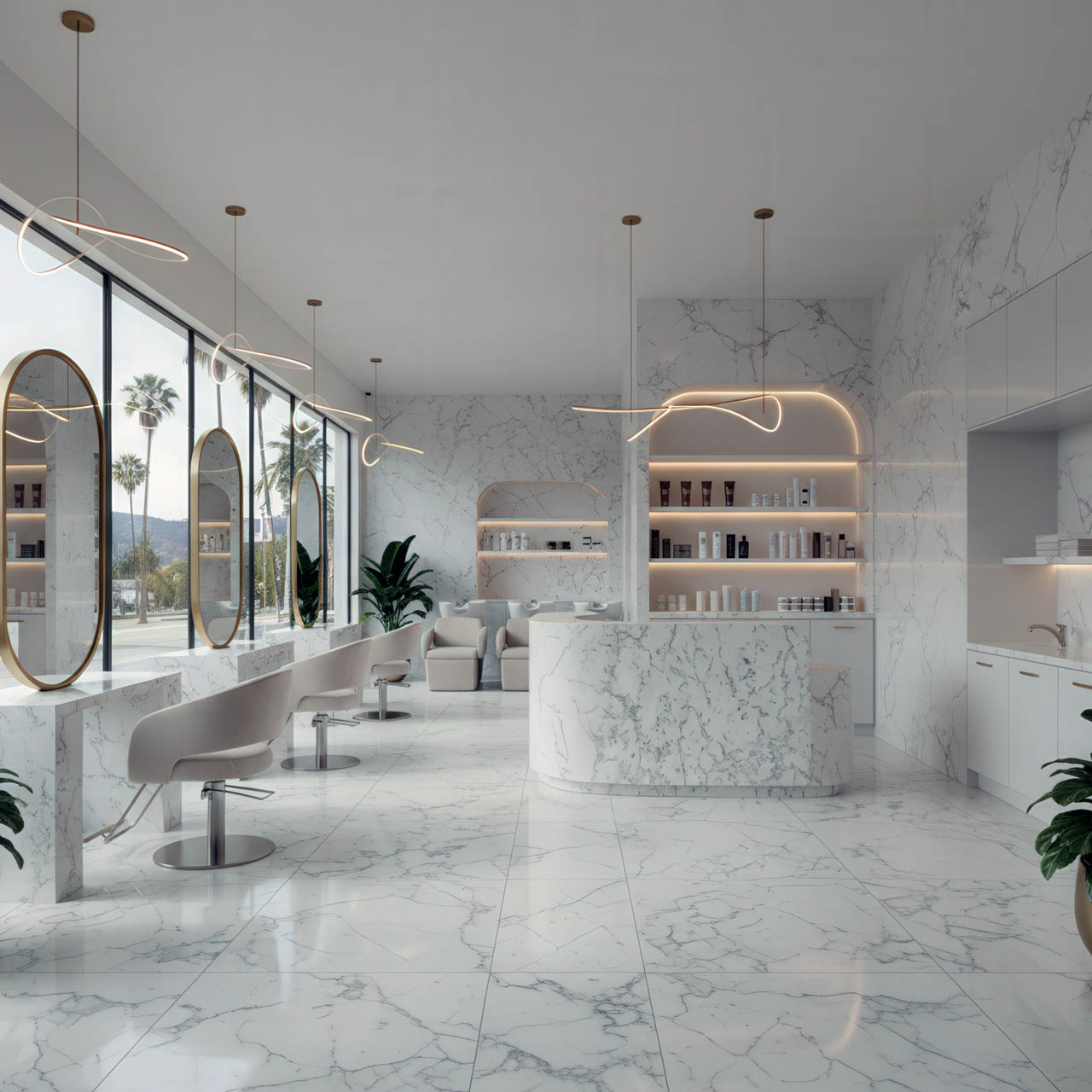
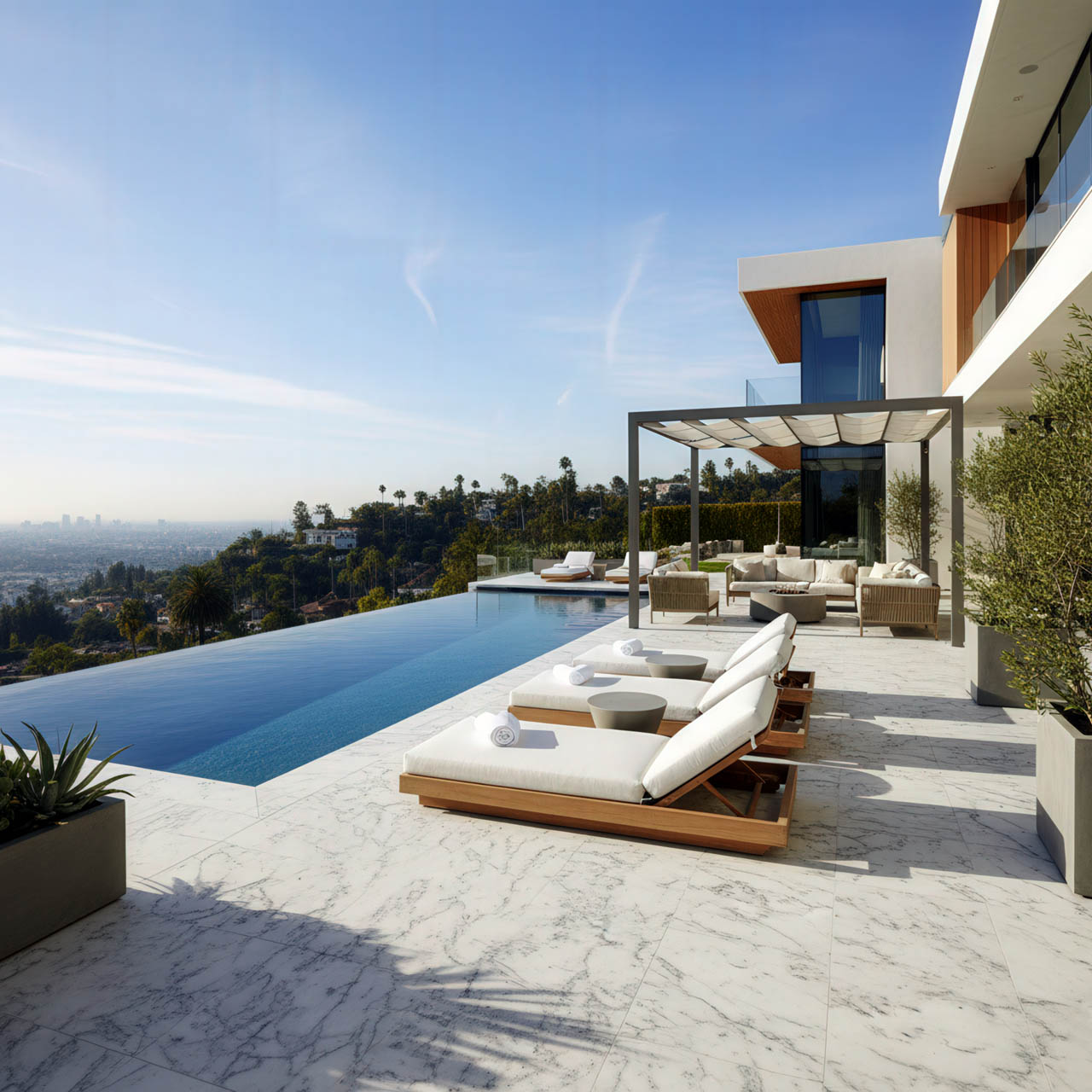
-
Color Composition & Surface Area Ratio
The following table breaks down the estimated surface area coverage and the corresponding hexadecimal and RGB values for the primary color groups identified in the slab.
| Component | Visual Description | HEX Code | RGB Value | Area Ratio (%) |
| Primary Base | Crystalline Stark White | #F2F4F7 | (242, 244, 247) | 65% |
| Secondary Base | Soft Ash / Pearl Gray | #D1D5DB | (209, 213, 219) | 20% |
| Primary Veining | Deep Charcoal / Slate | #4B5563 | (75, 85, 99) | 12% |
| Deep Accents | Graphite / Obsidian | #1F2937 | (31, 41, 55) | 3% |
-
Chromatic Characteristics
- Base Tone (Ground): The background exhibits a high Light Reflectance Value (LRV), roughly estimated at 82–85%. It is a “true white” with minimal yellow or beige undertones, leaning slightly toward a cool blue-gray bias.
- Vein Morphology: The “Antelope” pattern is characterized by fine-to-medium thickness veins that do not follow a linear path but rather a “spider-web” or dendritic distribution.
- Color Saturation: The saturation is extremely low across all zones (< 5%), classifying the material as achromatic. This makes it highly versatile for modern architectural applications where neutral palettes are required.
-
Technical Observations
- Contrast Level: High. The transition between the #F2F4F7 base and the #1F2937 accents creates sharp visual definition, which is a hallmark of premium Muğla varieties.
- Consistency: The distribution of the 15% dark mineral content (veining) is relatively uniform across the specimen, indicating a “Commercial Extra” or “First Choice” selection grade with no significant “dry veins” or large color blotches.
- Luster Potential: Given the high percentage of white crystalline structure, this material is capable of achieving a high-mirror polish, which would further enhance the perceived “whiteness” of the primary base.
The Muğla region of Turkey is globally renowned for its high-quality white marbles, and Muğla Antelope (often referred to as Antilop) stands out as a premier sub-variety. While it shares the pure, crystalline base of traditional Muğla White, it is distinguished by its unique “cloudy” ice-white background, delicate grey shading, and signature tiny black flecks that resemble the dappled coat of an antelope.
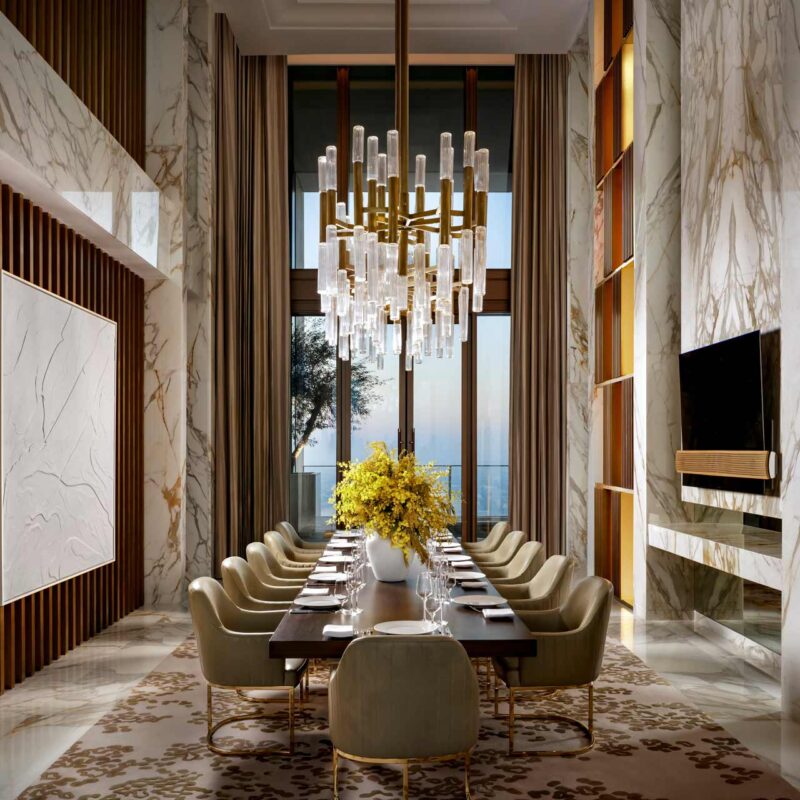
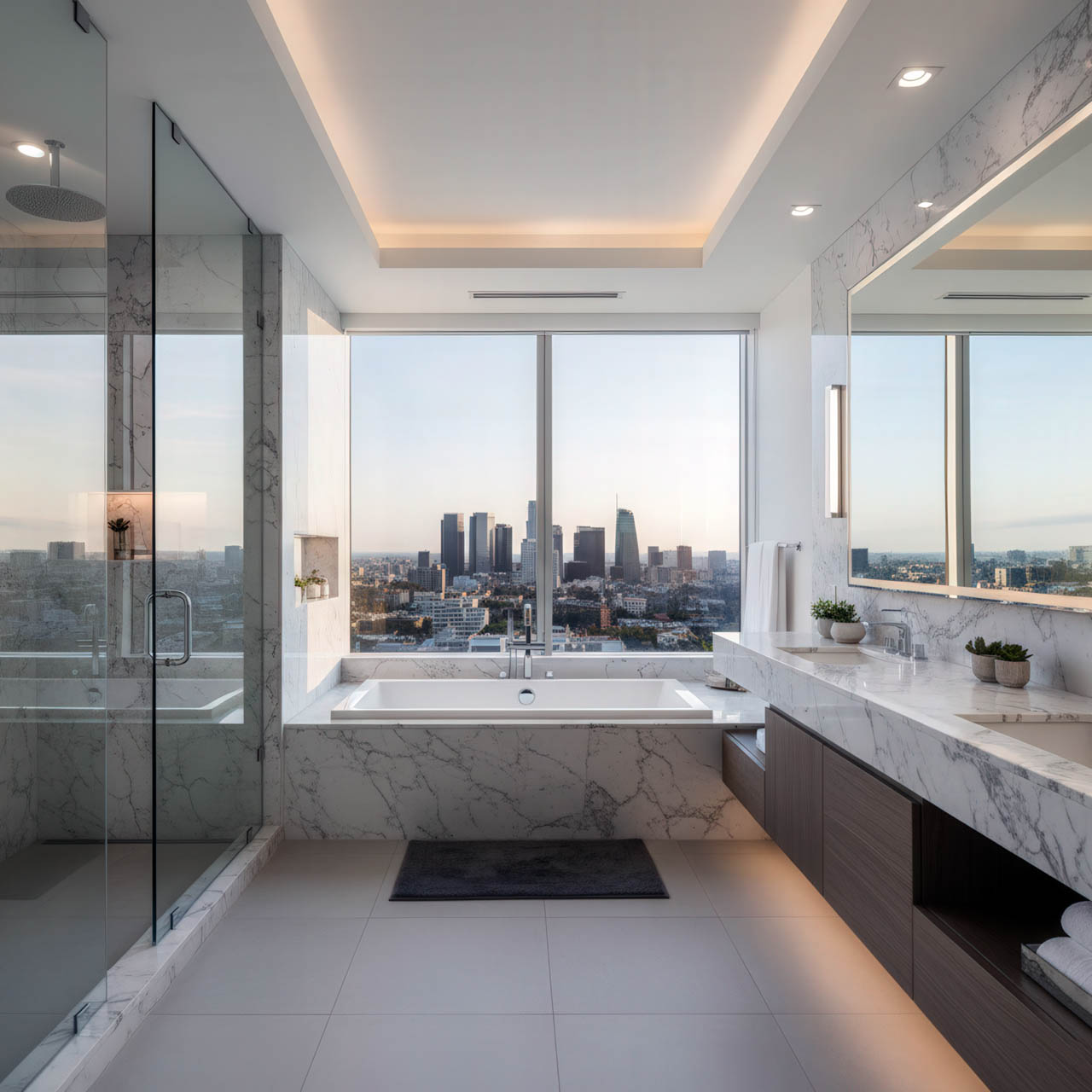
In the 2026 architectural landscape—where the trend has shifted toward “quiet luxury” and natural textures—Muğla Antelope Marble has become a staple for designers seeking a balance between clinical minimalism and organic warmth.
1. High-Traffic Flooring and Grand Entrances
Muğla Antelope is a dolomitic marble, meaning it possesses a higher density (2717 kg/m3) and lower water absorption rate (approximately 0.20%) than many other white marbles. This makes it exceptionally durable for high-traffic areas.
-
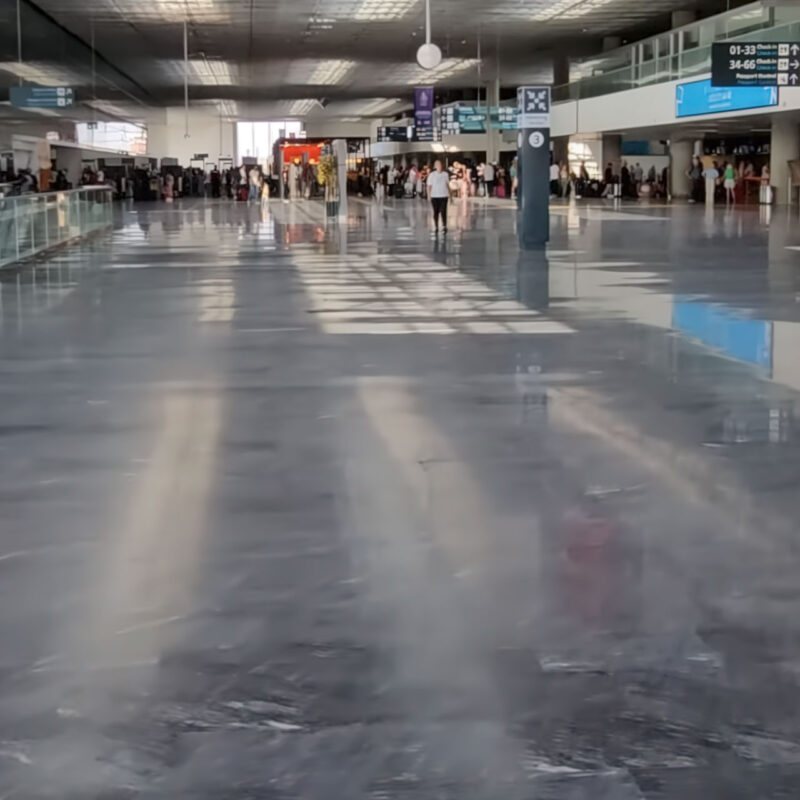
Commercial Lobbies: Its light-reflecting properties brighten expansive spaces, while the subtle grey veining hides minor foot traffic marks better than a stark, pure white stone.
-
Residential Foyers: Large-format tiles (60 times 120 cm or larger) are frequently used to create a seamless, expansive feel in modern villa designs.
2. Feature Walls and Vertical Cladding
Architects increasingly use Muğla Antelope for “stone drenching”—a 2026 design technique where the same material covers both floors and walls to create a monolithic, immersive environment.
-
Bookmatching: Because the veining in Antelope marble is often linear or “cloudy,” it is ideal for bookmatching (mirroring two slabs). This creates a symmetrical, Rorschach-like art piece on living room or boardroom walls.
-
Textured Finishes: Beyond high-polish, “split-face” or “chiseled” Muğla Antelope is popular for exterior accent walls, providing a rugged, tactile contrast to glass and steel.
3. Culinary and Sanitary Surfaces
Due to its low porosity, Muğla Antelope is a preferred choice for “wet” areas.
-
Kitchen Island Worktops: The stone’s heat resistance and density allow it to function as a durable countertop. The tiny black flecks provide a sophisticated “speckled” look that pairs perfectly with matte black hardware.
-
Integrated Sinks and Vanities: A major trend this year is the monobloc sink, where the basin is carved directly from a single block of Antelope marble, ensuring color continuity throughout the bathroom.
4. Staircases and Transition Elements
The structural integrity of Muğla Antelope allows for the production of thick, solid treads (3–4 cm) without the need for extensive reinforcement.
-
Floating Stairs: Architects utilize the stone’s flexural strength to create cantilevered steps that appear to grow out of the wall.
-
Windowsills and Thresholds: Its resistance to UV yellowing makes it an excellent choice for interior window parapets that face direct sunlight.
Technical Profile for Architects
| Property | Value (Average) |
| Density | 2.72 g/cm3 |
| Water Absorption | 0.17% – 0.34% |
| Compressive Strength | 60.00 MPa |
| Common Finishes | Polished, Honed, Brushed, Sandblasted |
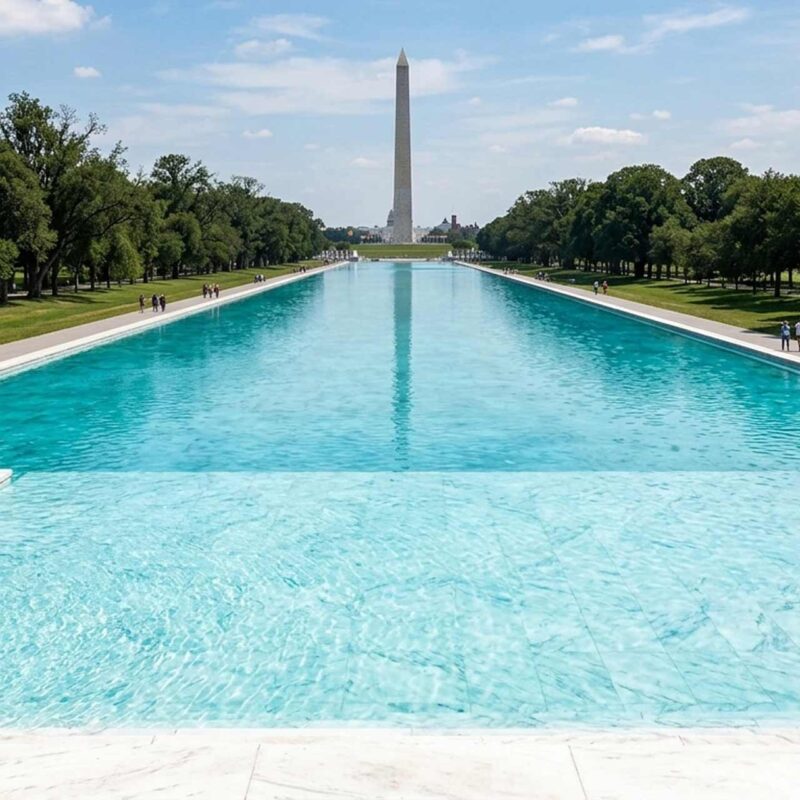
Pro-Tip for 2026: When specifying Muğla Antelope for outdoor patios or poolside applications, opt for a honed or sandblasted finish. This preserves the stone’s elegant grey tones while significantly increasing the coefficient of friction to prevent slips.