Technical Color Analysis Report Milas Pearl
Technical Color Analysis Report Milas Pearl
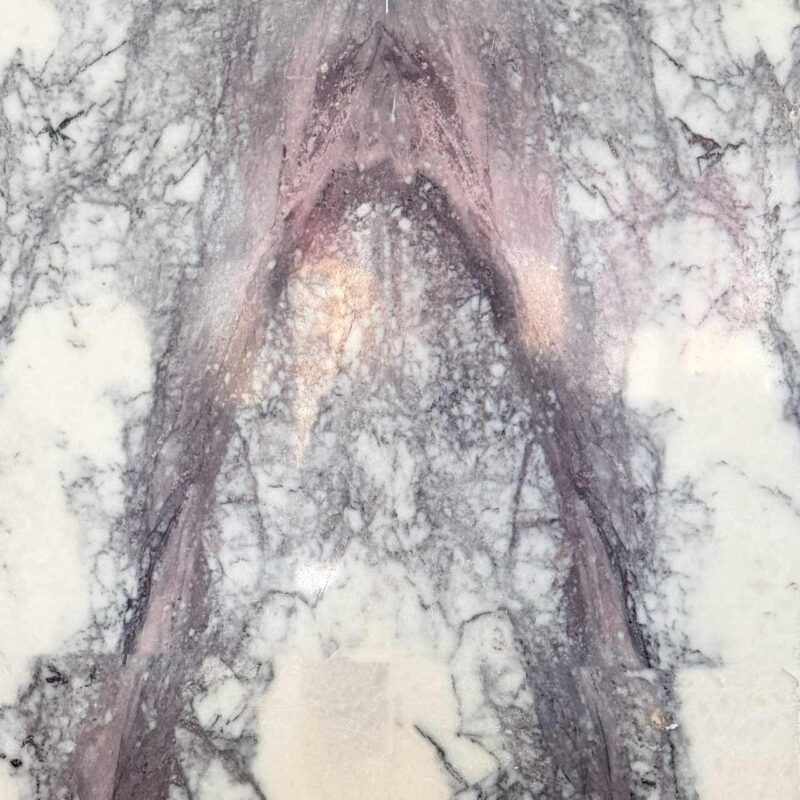
The sample exhibits a high-reflectance, cool-toned palette. Unlike veined marbles that rely on sharp linear contrast, Milas Pearl’s aesthetic value comes from its homogeneous yet granular distribution of whites and light greys.
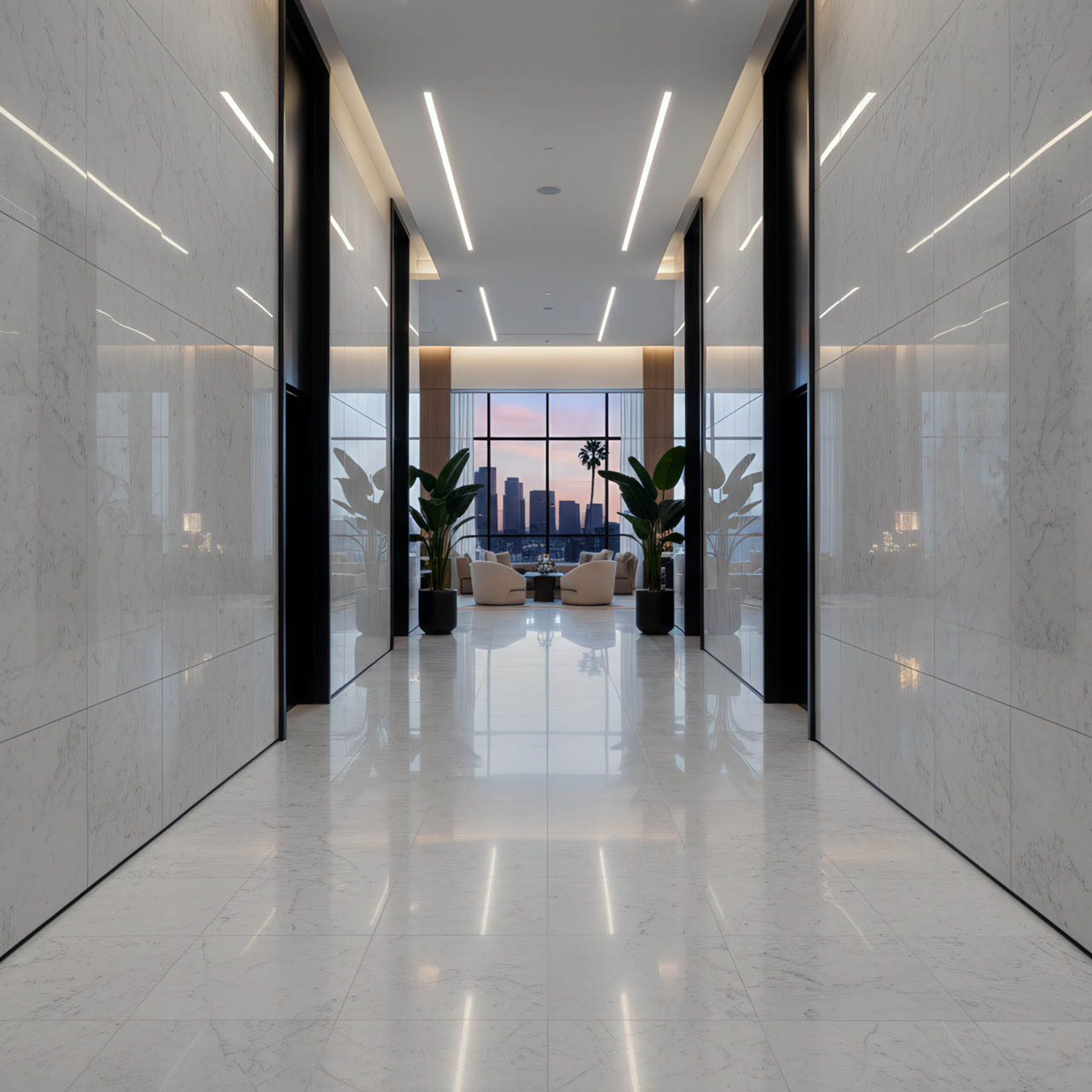
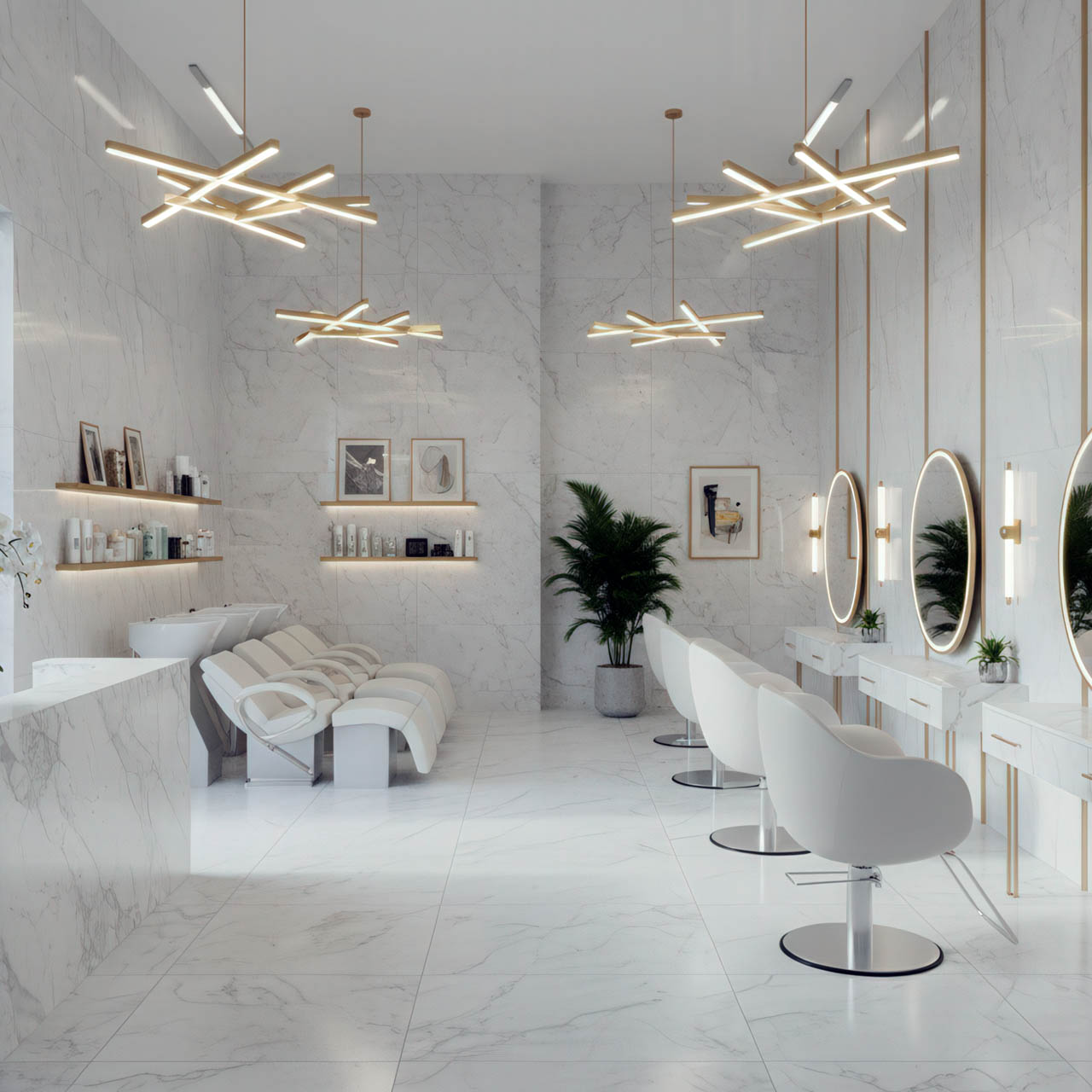
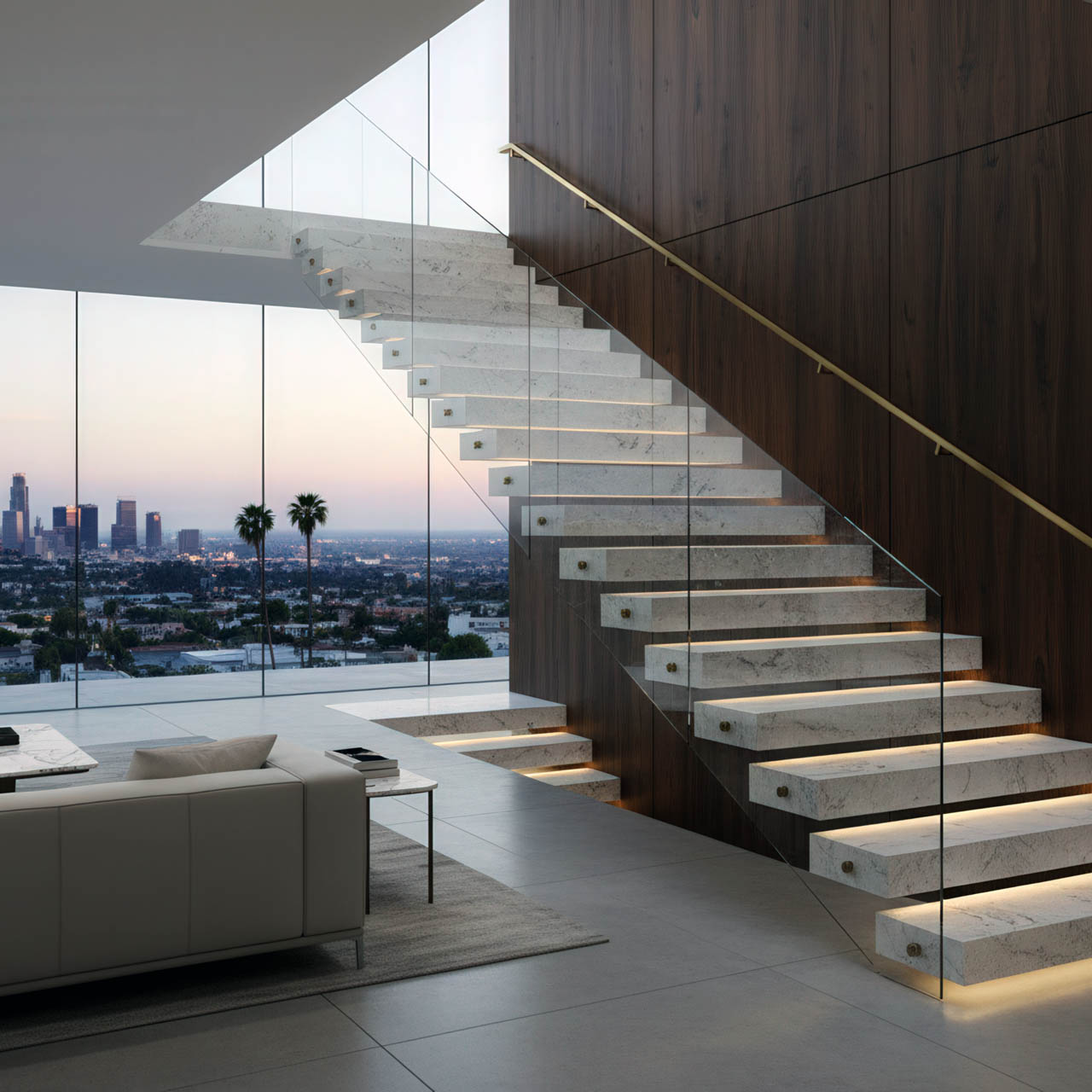
Color Composition & Distribution
Based on a digital analysis of the surface area, the following color breakdown defines the visual character of this specific slab:
| Visual Component | Dominant Hex Code | Estimated Area Coverage | Description |
| Primary Base (Crystalline White) | #F2F4F7 | 65% | The fundamental “pearl” body of the stone; bright and highly reflective. |
| Secondary Shading (Cool Grey) | #D1D5DB | 25% | Soft, cloud-like transitions that provide depth and a misty texture. |
| Shadow Highlights (Medium Grey) | #A9AFB7 | 8% | Deeper tones found within the crystalline interstices and grain boundaries. |
| Micro-Crystalline Brights | #FFFFFF | 2% | High-intensity “sparkle” points where light hits pure calcite crystals. |
Technical Characteristics
- Chroma: Low. The stone maintains a near-neutral saturation, leaning slightly toward the cool blue/grey spectrum. This makes it highly versatile for modern architectural applications where neutral backgrounds are required.
- Luminance (Brightness): Very High. The dominant shades reside in the upper L* values of the CIELAB color space, meaning the stone will significantly contribute to “brightening” an interior space through light bounce.
- Texture-Color Interaction: The “color” is not a flat pigment but a result of subsurface scattering. Light penetrates the surface crystals and reflects back, creating the “Pearl” effect that gives the stone its name.
- Pattern Consistency: The ratio of white to grey is exceptionally balanced, indicating a “First Quality” or “Select” grade with minimal impurity-driven discoloration (such as yellowing or oxidation spots).
Recommendations for Use
Given this color profile, the stone pairs best with:
- Metals: Polished chrome, brushed nickel, or “cool” silver tones.
- Contrast: High-contrast dark marbles (e.g., Nero Marquina) or deep charcoal cabinetry.
- Lighting: 4000K–5000K (Cool White) lighting will accentuate the crispness of the grey undertones.
While it hails from the same geological cradle as Muğla White, Milas Pearl Marble (often called Madreperla or Sedef) offers a distinct aesthetic that bridges the gap between classic stone and ethereal gemstone. Known for its “shell-like” structural movement and a pearly white base, it is a favorite for designers who want the luminosity of white marble without the starkness of linear veining.
In 2026, as architectural trends move toward “Cloud Dancer” palettes (shady, warm whites) and high-tactility surfaces, Milas Pearl has emerged as a top-tier material for high-end residential and hospitality projects.
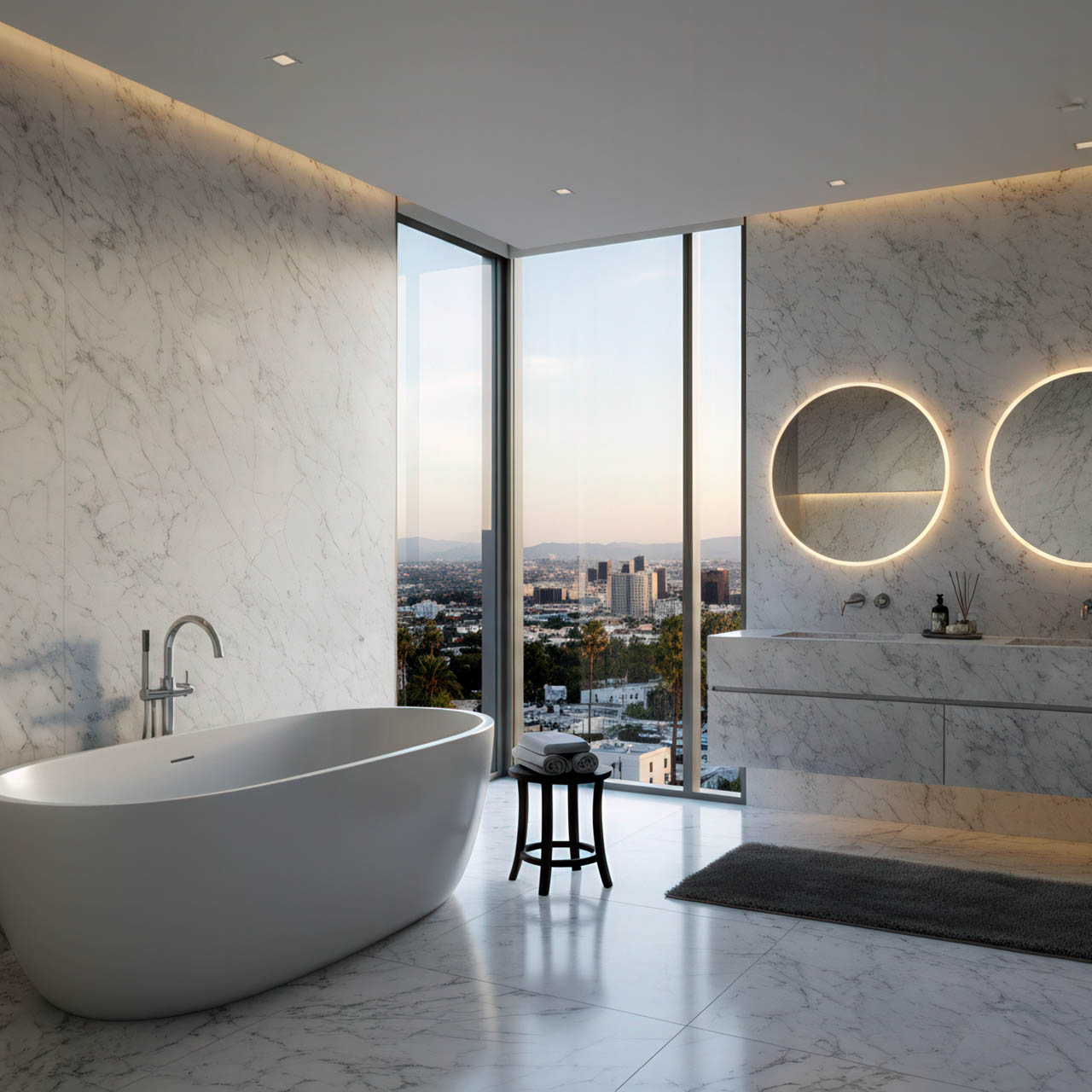
1. “Stone Drenched” Luxury Bathrooms
The most prominent application for Milas Pearl in 2026 is Stone Drenching—the practice of covering the floor, walls, and even the ceiling in a single material.
-
Illumination Effects: Because of its unique crystal structure, Milas Pearl is semi-translucent. When used for shower walls or back-lit vanities, it takes on an onyx-like glow.
-
Integrated Basins: Designers are carving monolithic, seamless sinks directly from Milas Pearl blocks to maintain the “pearl” flow from the countertop into the basin.
2. Hospitality Flooring and Public Spaces
Milas Pearl is a calcitic marble with a high compressive strength (approx. 100 MPa), making it more resilient than many soft whites.
-
Hotel Lobbies: Its neutral, “mother-of-pearl” base creates a bright, welcoming atmosphere that feels spacious.
-
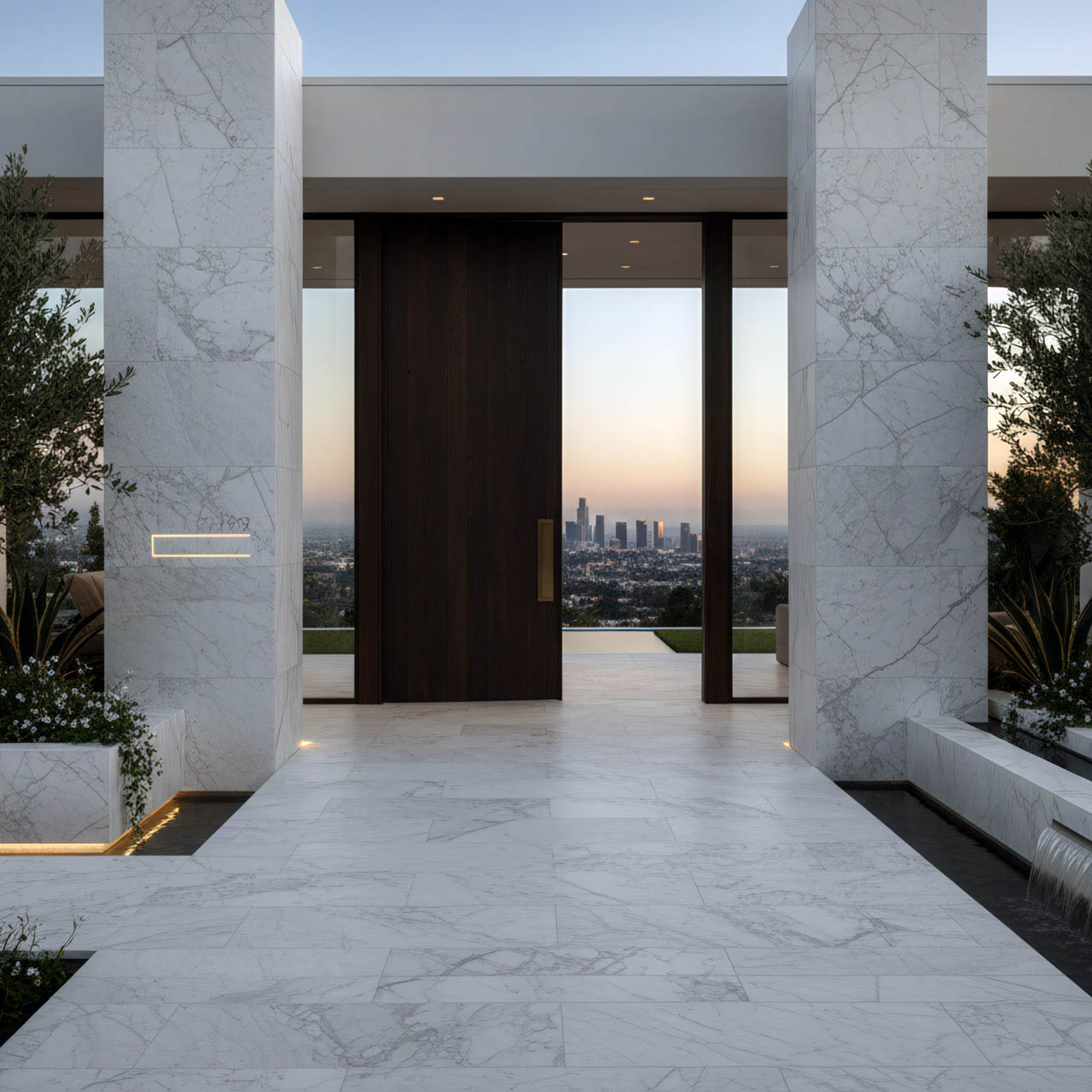
Waterjet Inlays: Because of its consistent texture, it is the primary choice for intricate waterjet patterns. Architects often pair it with darker stones like Nero Marquina to create custom floor “rugs” or medallions in villa entrances.
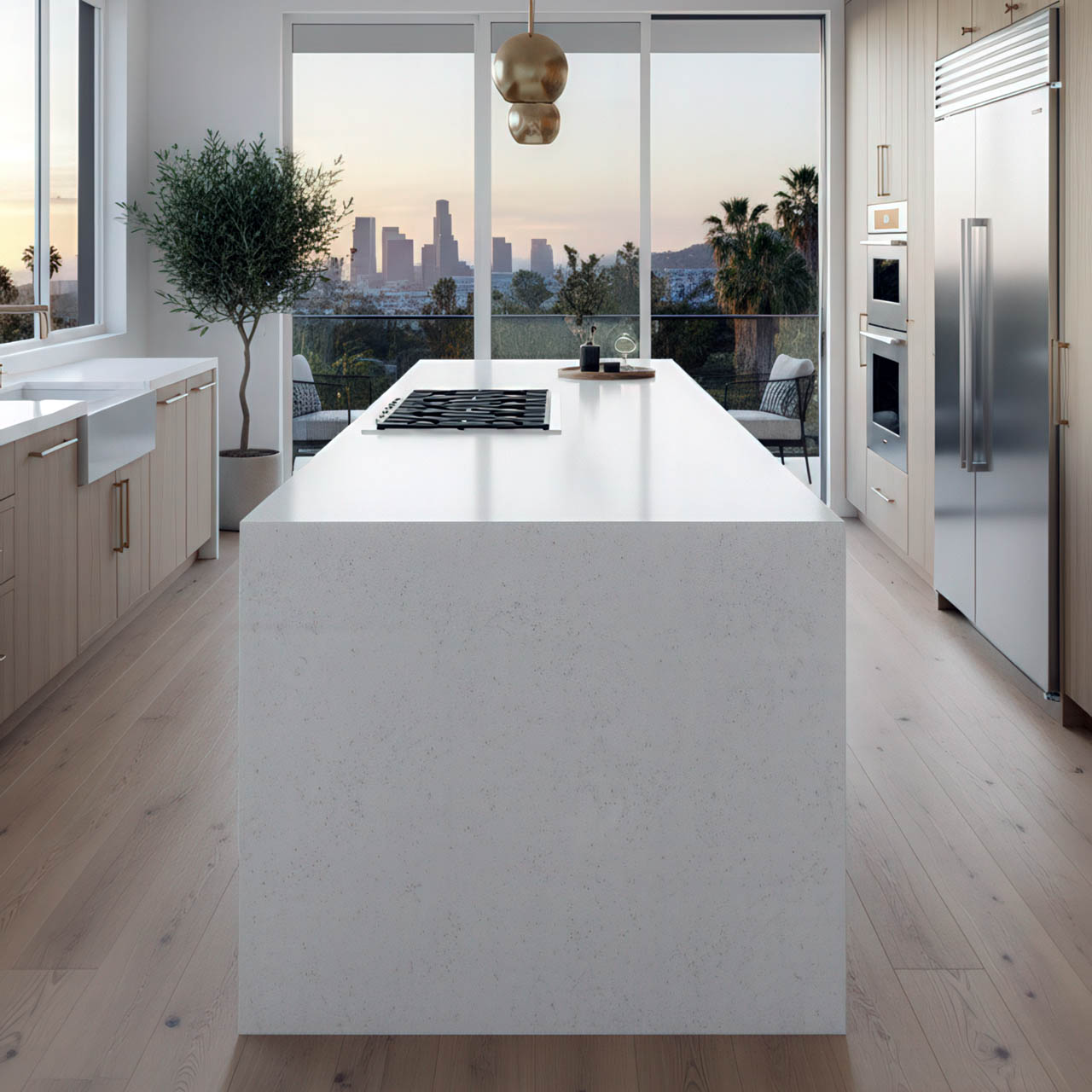
3. High-Contrast Kitchen Architecture
In 2026 kitchen design, the “all-white” kitchen has evolved into High-Contrast Minimalism.
-
The “Waterfall” Island: Milas Pearl slabs are used to create waterfall edges where the pearly patterns flow vertically to the floor.
-
Cabinetry Pairing: It is increasingly paired with Navy Blue or Sage Green cabinetry. The subtle grey and pinkish relief figures in the marble complement these earthy tones far better than a standard cool-toned Carrara.
4. Exterior Cladding and “Split-Face” Accents
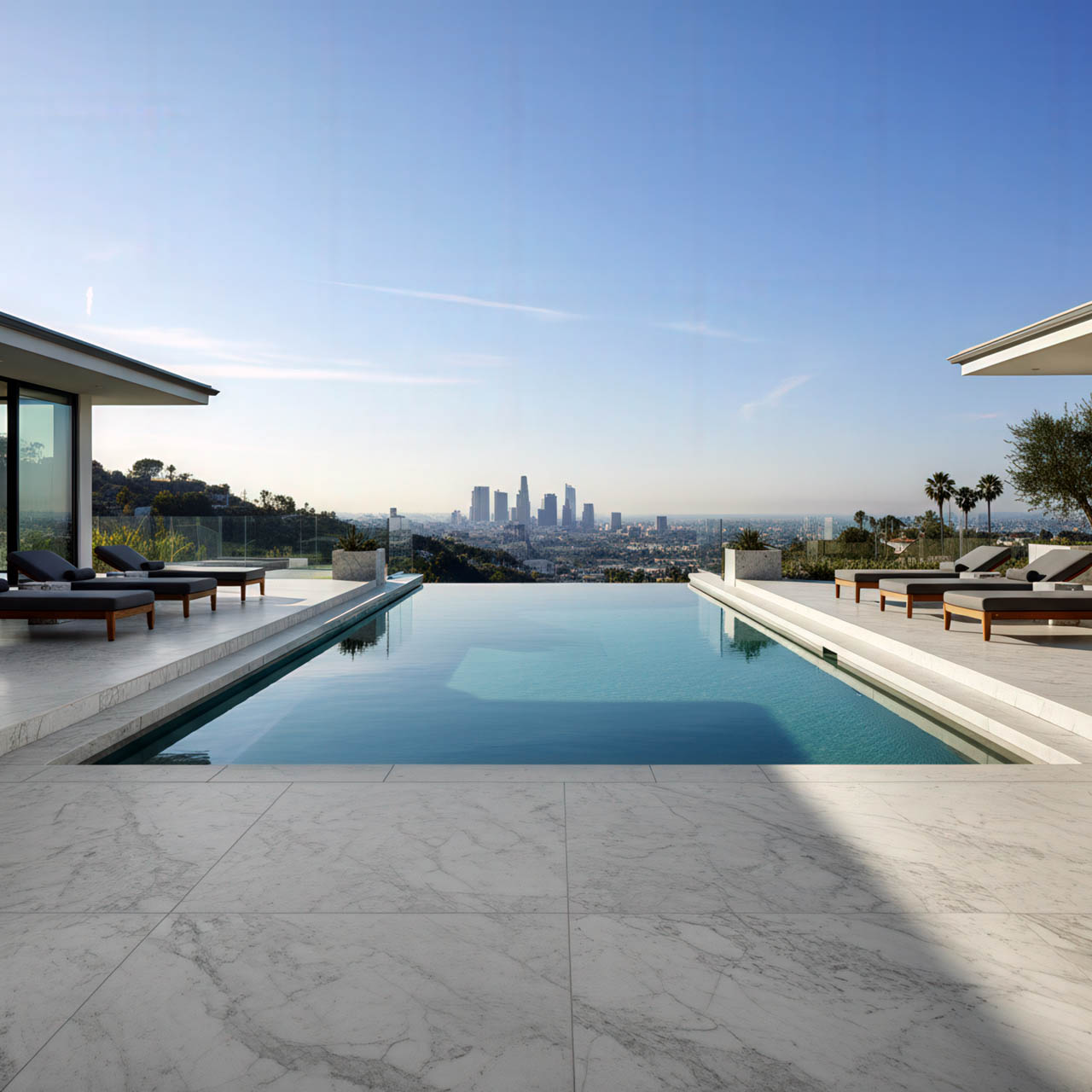
Unlike many marbles that are restricted to interiors, Milas Pearl’s low water absorption (0.1\% – 0.2\%) allows it to perform well in exterior applications.
-
Façade Cladding: Used in large-scale panels, it reflects sunlight to reduce the “heat island” effect of buildings.
-
Feature Walls: “Split-face” or chiseled Milas Pearl is used for TV unit walls or garden feature walls, providing an authentic, rugged texture that plays with shadows throughout the day.
Comparison: Milas Pearl vs. Muğla Antelope
Architects often choose between these two based on the desired “vibe”:
| Feature | Milas Pearl (Madreperla) | Muğla Antelope (Antilop) |
| Primary Aesthetic | Pearly, shell-like, “soft” movement. | Cloudy white with black “antelope” flecks. |
| Best For | Immersive spas, glowing feature walls. | Modern commercial floors, edgy kitchens. |
| Durability | High (100 MPa compressive strength). | Moderate-High (60 MPa range). |
| Light Interaction | High translucency (Onyx-like). | High reflectivity (Bright & Sharp). |
Technical Specification Table
| Property | Value |
| Density | 2720 kg/m3 |
| Compressive Strength | 99.96 MPa |
| Hardness | 3 Mohs |
| Porosity | 0.1% |
Architect’s Note for 2026: To align with current trends, specify a honed or “leathered” finish for Milas Pearl. While polished surfaces are traditional, the matte texture of a honed finish emphasizes the “mother-of-pearl” depth of the stone without the distracting glare of high-gloss reflections.