
Common name marble refers to the commercial or traditional nomenclature used to identify natural stone in the global marketplace. While geologists use strict petrographic classifications, the architectural and design industries rely on “common names” to categorize stone by its geographical origin, visual character, or intended application.
In the 2026 landscape, common names are often regulated by international standards like UNI EN 12440, which ensures that a stone’s market name is paired with its scientific and geographical identity to provide transparency for architects and developers.
Types of Common Naming Conventions
| Naming Logic | Definition | Examples |
| Geographic | Named after the specific region or city where the quarry is located. | Muğla White, Carrara, Burdur Beige, Milas Lilac. |
| Descriptive | Focuses on the primary color and the movement of the veins. | Spider Gray, Snow White, Silver Travertine, Ayhan Black. |
| Historical/Functional | Named after a historical use or a specific figure. | Statuario (for statuary), Breccia Medicea (after the Medici family). |
| Marketing/Evocative | Creative names used to evoke a mood or enhance luxury appeal. | Moon Stone, Space Gray, Tundra Gray, Ocean Stone. |
The Strategic Role of Common Names
Common names serve as the primary communication tool in BIM (Building Information Modeling) and global procurement:
-
Identification: They allow architects to specify a consistent aesthetic across large-scale projects, ensuring that “Ushak White” sourced for a hotel in New York matches the “Ushak White” intended for a lobby in Dubai.
-
Branding: For premium producers like Yükselen Marbles and Miamivit, common names act as a brand promise. A name like Milas Pearl represents a specific level of crystalline purity and translucency.
-
Global Sourcing: In the US and UAE markets, common names help bridge the gap between regional Turkish quarry names and international design specifications. For example, Muğla White is frequently marketed globally as Blanco Ibiza due to its established visual similarity and market recognition.
Engineering with Named Varieties
Common names often imply certain technical properties that are critical for weight-efficient and high-tech builds:
-
Calcitic Groups: Names like Afyon Sugar or White Sivec imply a high-calcium, high-purity composition, making them the primary candidates for ultra-thin (0.5 mm) veneers used in backlit feature walls.
-
Durability Groups: A name like Toros Black or Diyarbakır Black often signals a denser, harder stone suitable for high-traffic flooring and precision aspect ratios.
-
Substrate Compatibility: When specifying a stone for an aluminum honeycomb laminate, designers select by common name to ensure the stone’s known structural grain is compatible with the bonding resins used in ultralight cladding.
By mastering the common names of premium Turkish marbles, designers can move beyond simple aesthetics and leverage the specific geological and engineering heritage that each name represents in the 2026 global architectural market.
Filter by brand

Noche Travertine Marble Block Marble
Noche Travertine Marble: Timeless Depth for Modern Architecture
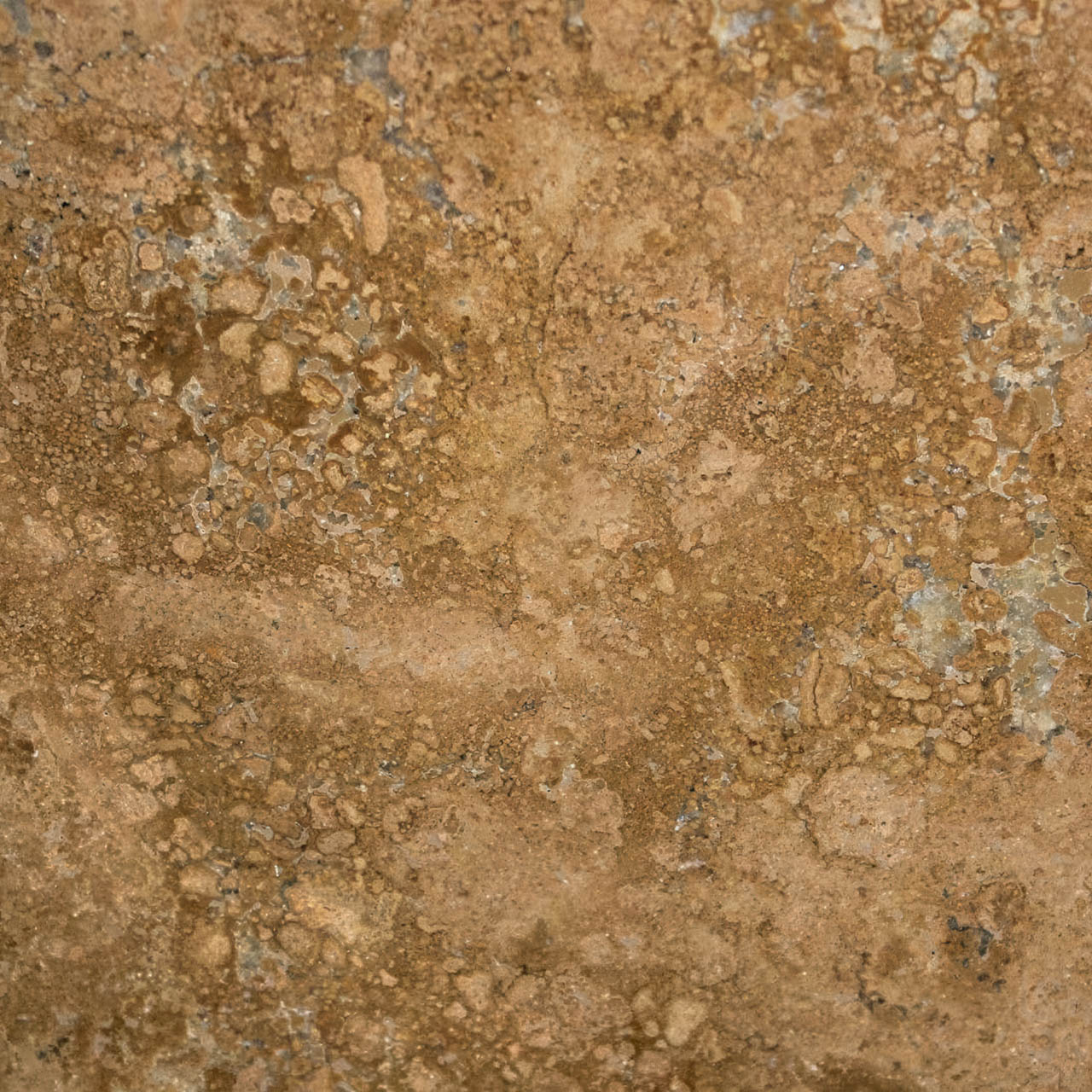
Noche Travertine is the premier choice for designers seeking to infuse spaces with warmth, character, and a sense of history. Characterized by its deep, earthy chocolate tones and rich coffee hues, this natural stone offers a sophisticated alternative to lighter travertines, providing a bold foundation for both classic and contemporary aesthetics.
Noche Travertine Marble Laminate Marble
Noche Travertine Marble: Timeless Depth for Modern Architecture
Noche Travertine is the premier choice for designers seeking to infuse spaces with warmth, character, and a sense of history. Characterized by its deep, earthy chocolate tones and rich coffee hues, this natural stone offers a sophisticated alternative to lighter travertines, providing a bold foundation for both classic and contemporary aesthetics.
Noche Travertine Marble Mosaic Marble
Noche Travertine Mosaics: Timeless Depth in Intricate Detail
Noche Travertine is the premier choice for designers seeking to infuse spaces with warmth, character, and a profound sense of history. Characterized by its deep, earthy chocolate tones and rich coffee hues, transforming this natural sedimentary stone into precision-cut mosaic tiles provides a bold, highly textural foundation for both classic and contemporary aesthetics. It offers a sophisticated, intricate alternative to lighter travertines, grounding any interior with its dark, organic palette.
Noche Travertine Marble Slab Marble
Noche Travertine Marble: Timeless Depth for Modern Architecture
Noche Travertine is the premier choice for designers seeking to infuse spaces with warmth, character, and a sense of history. Characterized by its deep, earthy chocolate tones and rich coffee hues, this natural stone offers a sophisticated alternative to lighter travertines, providing a bold foundation for both classic and contemporary aesthetics.
Noche Travertine Marble Tile Marble
Noche Travertine Tiles: Timeless Depth for Modern Architecture
Noche Travertine tiles are the premier choice for designers and architects seeking to infuse spaces with warmth, character, and a profound sense of history. Characterized by deep, earthy chocolate tones and rich coffee hues, these natural stone tiles offer a sophisticated, high-contrast alternative to lighter travertines, providing a bold foundation for both classic physical builds and high-fidelity digital architectural models.