
Standard formats in the marble industry refer to the pre-calibrated dimensions and shapes used to streamline architectural design, manufacturing, and global logistics. While custom engineering allows for unique geometries, standard formats provide a reliable framework for ensuring weight efficiency, structural stability, and cost-effective installation across residential and commercial projects.
Common Architectural Formats
The industry categorizes formats based on their intended application and scale:
-
Modular Tiles: These follow a strict grid logic, typically in 10 mm to 12 mm thicknesses. Common sizes include:
-
Square: 305×305mm, 457×457mm, and 600×600mm.
-
Rectangular: 305×610mm and 600×1200 mm.
-
-
Grand Scale Slabs: Large, continuous panels used for monolithic feature walls and “waterfall” islands. Standard heights often reach 2400 mm to 3000 mm, with widths ranging from 1200 mm to 1600 mm.
-
Architectural Planks: Elongated formats (ratios of 1:4 or higher) used to create linear “pinstripe” aesthetics in lobbies or to wrap custom cabinetry.
Format Performance Guide
| Format Type | Typical Dimensions | Thickness | Best Use Case |
| Standard Grid | 600 x 600 mm | 10–20 mm | High-traffic flooring and modern bathrooms. |
| Large Format | 1200 x 1200 mm | 12–20 mm | Open-plan living areas; reduces grout lines. |
| Ultralight Panel | 1200 x 2400 mm | 3–5 mm (Stone) | Exterior facades, elevators, and luxury yachts. |
| Bespoke Veneer | Custom up to 3000 mm | 0.5–3 mm | Furniture “skins” and backlit feature walls. |
Strategic Integration for 2026
-
BIM & Digital Twins: In 3D BIM catalogs, standard formats are essential for “clash detection” and material quantification. Architects use these pre-set dimensions to ensure the stone integrates perfectly with a building’s mechanical systems and structural grid.
-
Logistics Optimization: For global exports to markets like the US or UAE, standard formats are designed to maximize shipping container volume. Reinforced lightweight builds allow more square footage to be transported per shipment, reducing the total carbon footprint.
-
Aesthetic Balance: Using standard ratios (like the 1:2 rectangle) helps highlight the unique character of premium Turkish stones like Milas Pearl or Ayhan Beige without the visual distraction of irregular seams.
By utilizing standard formats, premium brands like Yükselen Marbles and Miamivit provide architects with a “modular luxury” that is both easy to specify and engineered for high-performance global application.
Filter by brand

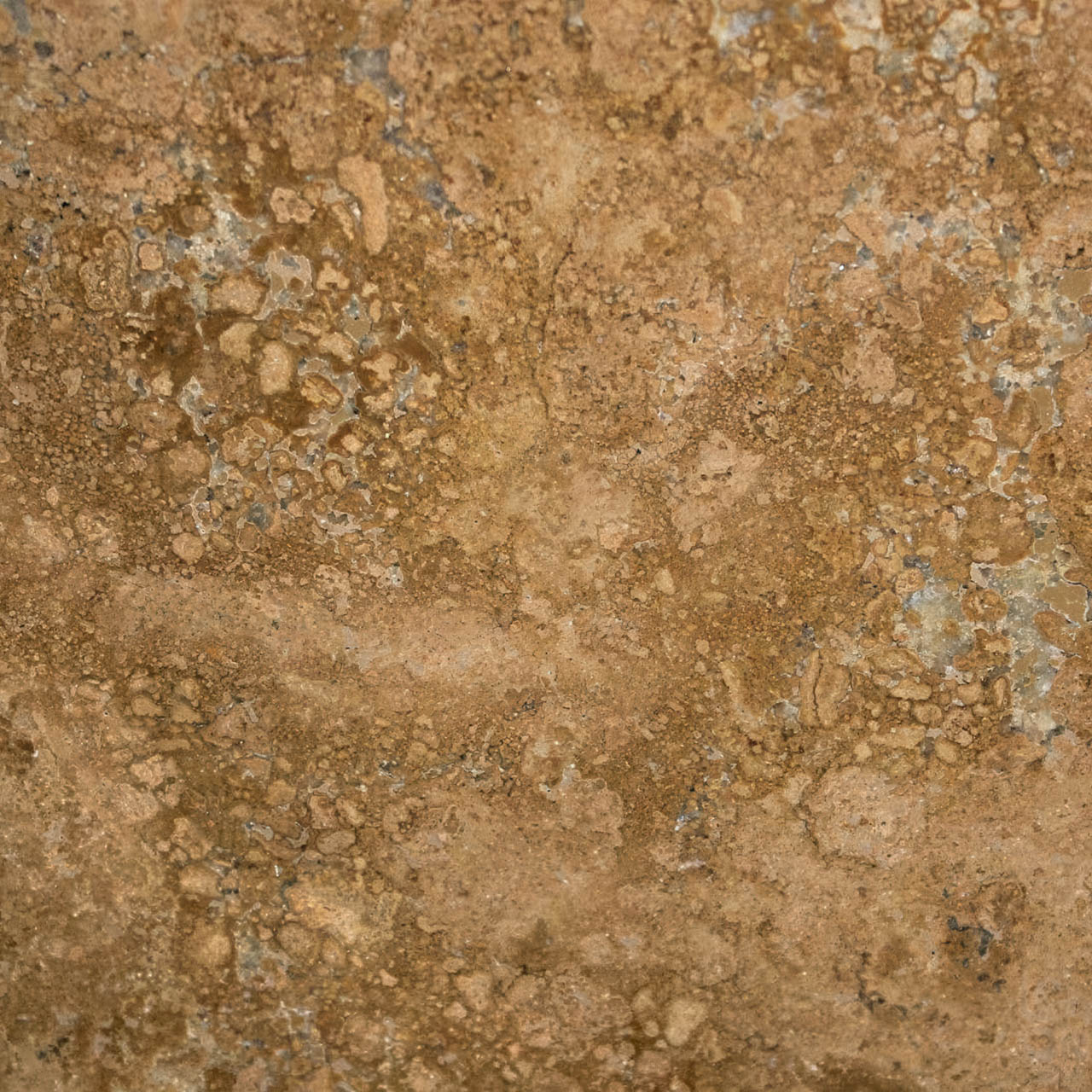
Noche Travertine Marble Block Marble
Noche Travertine Marble: Timeless Depth for Modern Architecture
Noche Travertine is the premier choice for designers seeking to infuse spaces with warmth, character, and a sense of history. Characterized by its deep, earthy chocolate tones and rich coffee hues, this natural stone offers a sophisticated alternative to lighter travertines, providing a bold foundation for both classic and contemporary aesthetics.
Noche Travertine Marble Laminate Marble
Noche Travertine Marble: Timeless Depth for Modern Architecture
Noche Travertine is the premier choice for designers seeking to infuse spaces with warmth, character, and a sense of history. Characterized by its deep, earthy chocolate tones and rich coffee hues, this natural stone offers a sophisticated alternative to lighter travertines, providing a bold foundation for both classic and contemporary aesthetics.
Noche Travertine Marble Mosaic Marble
Noche Travertine Mosaics: Timeless Depth in Intricate Detail
Noche Travertine is the premier choice for designers seeking to infuse spaces with warmth, character, and a profound sense of history. Characterized by its deep, earthy chocolate tones and rich coffee hues, transforming this natural sedimentary stone into precision-cut mosaic tiles provides a bold, highly textural foundation for both classic and contemporary aesthetics. It offers a sophisticated, intricate alternative to lighter travertines, grounding any interior with its dark, organic palette.
Noche Travertine Marble Slab Marble
Noche Travertine Marble: Timeless Depth for Modern Architecture
Noche Travertine is the premier choice for designers seeking to infuse spaces with warmth, character, and a sense of history. Characterized by its deep, earthy chocolate tones and rich coffee hues, this natural stone offers a sophisticated alternative to lighter travertines, providing a bold foundation for both classic and contemporary aesthetics.
Noche Travertine Marble Tile Marble
Noche Travertine Tiles: Timeless Depth for Modern Architecture
Noche Travertine tiles are the premier choice for designers and architects seeking to infuse spaces with warmth, character, and a profound sense of history. Characterized by deep, earthy chocolate tones and rich coffee hues, these natural stone tiles offer a sophisticated, high-contrast alternative to lighter travertines, providing a bold foundation for both classic physical builds and high-fidelity digital architectural models.