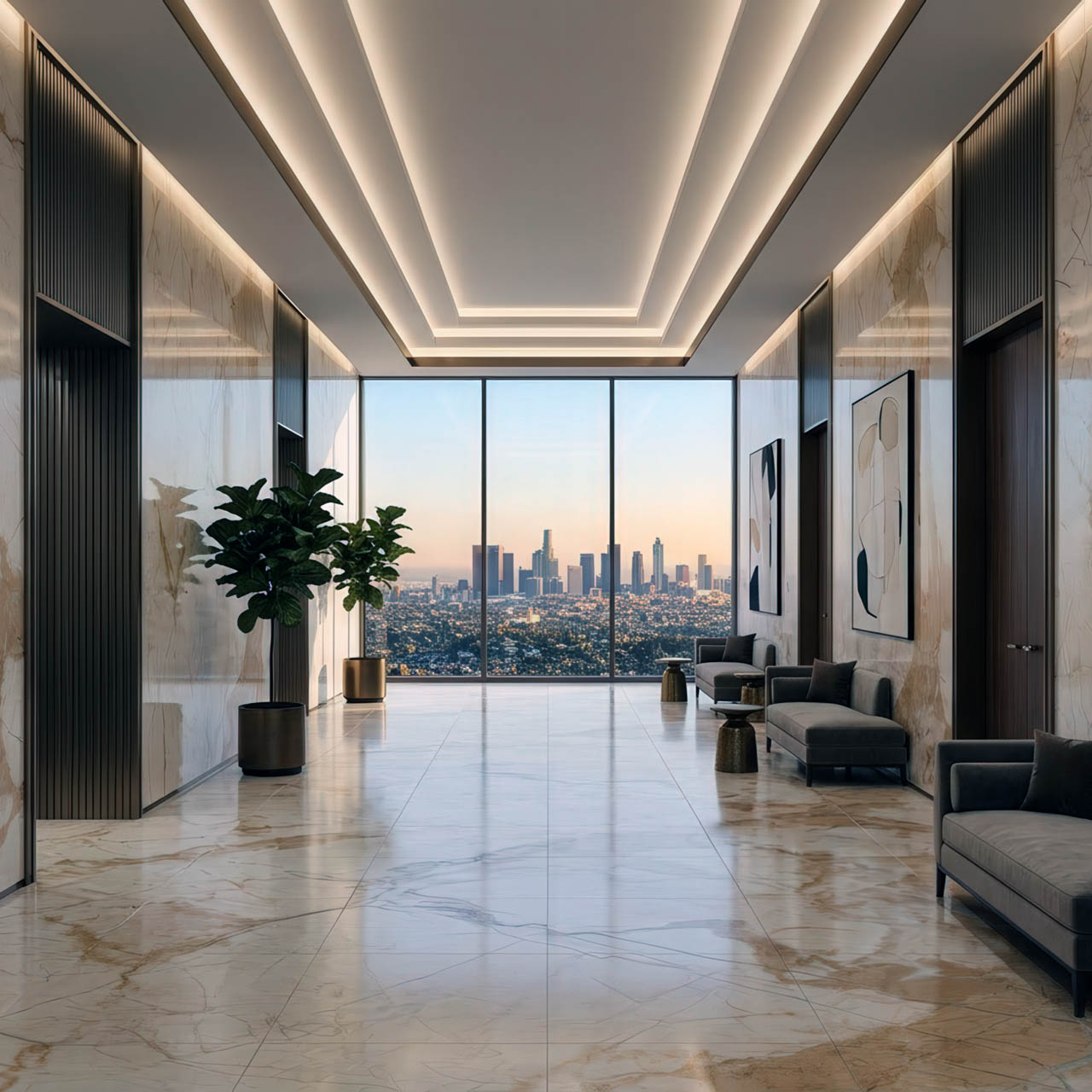
Ultra-light cladding refers to high-performance architectural wall systems that utilize ultra-thin marble veneers bonded to advanced structural backings. This technology allows for the prestigious look of solid stone facades while reducing the weight of the cladding by up to 80%, making it suitable for high-rise buildings, interior partitions, and retrofit projects.
Technical Composition
The efficiency of ultra-light cladding is achieved through a “sandwich” panel construction:
The Stone Face: A precision-cut veneer of premium marble (such as Ushak White or Tavas Grey) usually between 3 mm and 5 mm thick.
The Core: Typically aluminum honeycomb or high-density expanded polymers that provide rigid structural integrity with minimal mass.
The Bonding Layer: High-strength, aerospace-grade resins that ensure substrate compatibility and resist delamination under thermal stress.
Key Performance Advantages
Feature Impact on Architecture
Weight Efficiency Reduces “dead load” on the building’s frame, often allowing for smaller structural columns and foundations.
Installation Speed Panels are lightweight enough to be handled by two people, often utilizing “interlocking” or “clip” fixing systems for rapid assembly.
Thermal & Acoustic Insulation The honeycomb or foam core provides better insulation values than a solid 2-cm stone slab.
Safety Unlike solid stone, which can be brittle, the composite backing prevents the marble from shattering and falling in the event of an impact or earthquake.
Strategic Use Cases
High-Rise Facades: Enables the use of luxurious stones like Rosso Laguna at heights where the weight of traditional stone would be structurally prohibitive.
Elevator Interiors: A primary use case for weight-critical environments, allowing for a full marble aesthetic without exceeding mechanical load limits.
Renovations: The ultra-thin profile and lightness allow these panels to be installed over existing facades or interior walls without the need for structural reinforcement.
BIM Integration: In 3D BIM catalogs, ultra-light cladding is used to accurately simulate the building’s exterior envelope, providing engineers with precise data for wind load and thermal expansion calculations.
By utilizing ultra-light cladding, modern designers can achieve the “grand scale” aesthetic of natural stone while meeting the strict efficiency and safety standards of contemporary global construction.
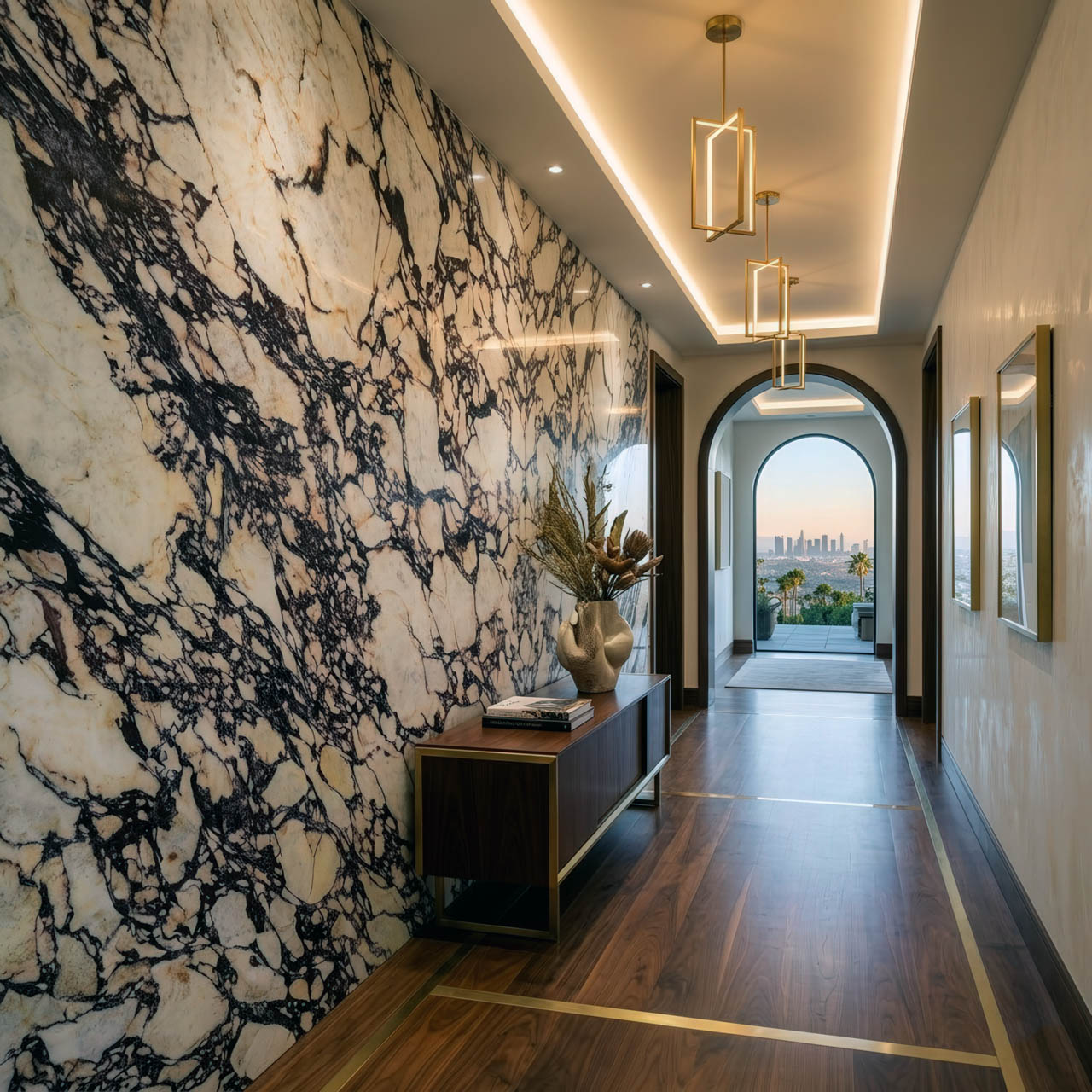
Technical Color Analysis Report Calacatta Viola marble
Primary Color Palette
The surface is composed of four distinct tonal groups. The interplay between these colors creates the "Viola" ...
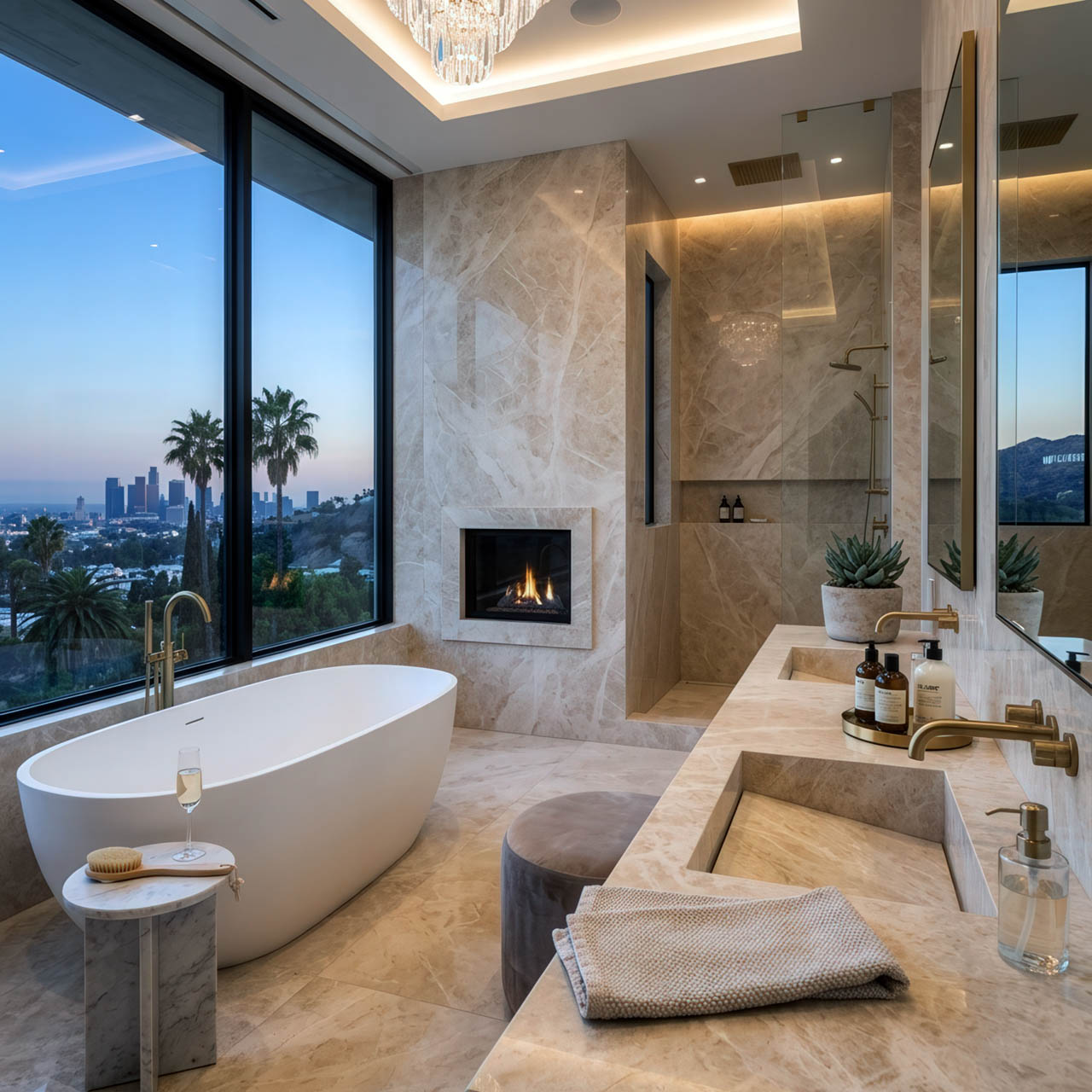
Technical Color Evaluation Report: Burdur Beige Marble
This report provides a technical breakdown of the chromatic composition for the provided sample of Burdur Beige Marble (Ref: SL004). This specif...
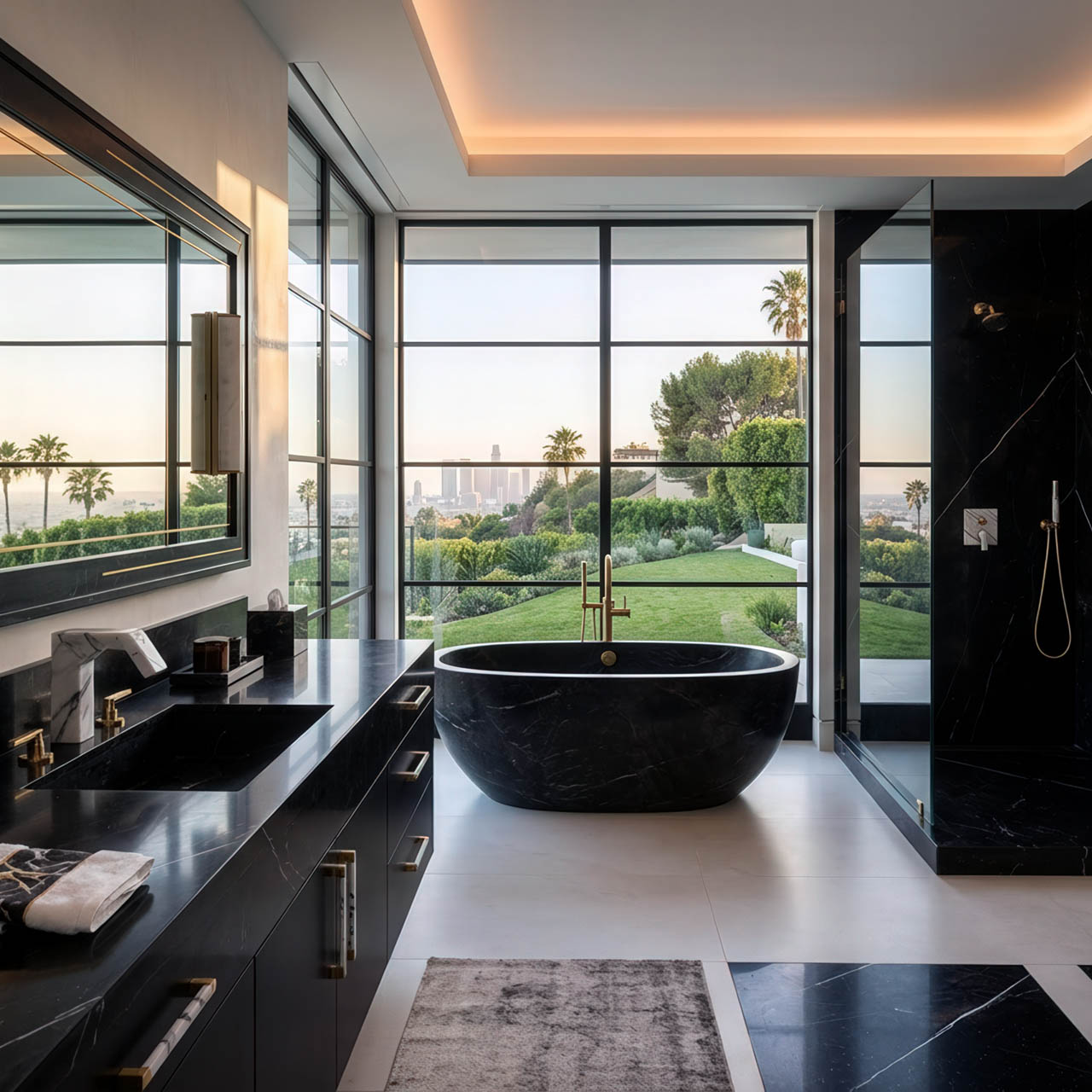
Technical Color Report: SL003 Black Pearl Marble
This report provides a quantitative breakdown of the chromatic composition of the "Black Pearl" marble sample. The analysis identifies the primary and...
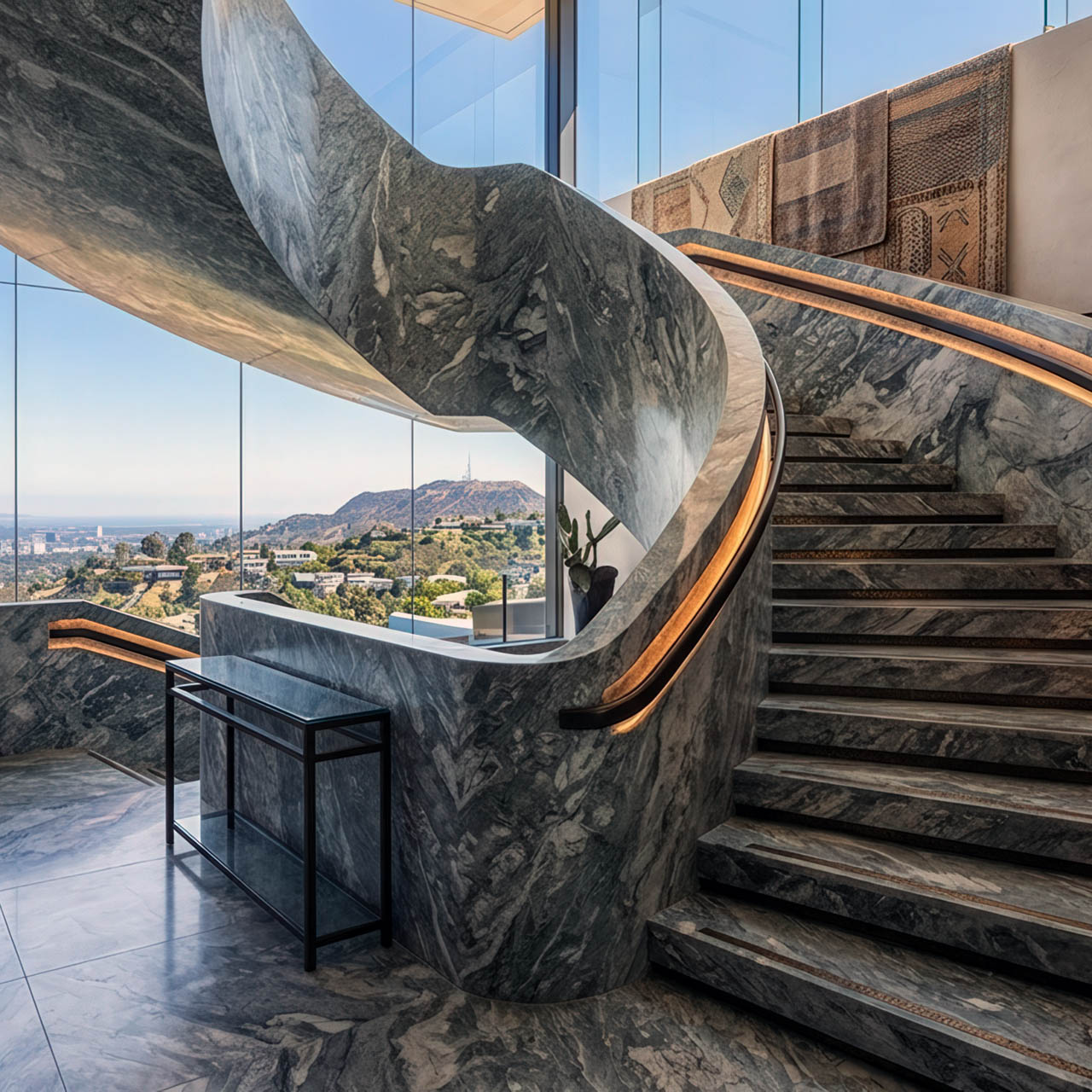
Technical Color Evaluation Report: Aegean Silver Marble
This report provides a technical analysis of the chromatic composition and surface characteristics of the Aegean Silver marble sample provide...
Technical Color Analysis Report: Aegean Cloudy Beige Marble
This report provides a technical breakdown of the surface color characteristics for the specimen identified as Aegean Cloudy Beige. The s...
The Return of Natural Luxury: Marble Accents in Modern Homes
As the "back to nature" movement gains momentum in interior design, marble—an ancient and storied material—is taking center stage. Once tr...