Technical Color Analysis Report: Aegean Cloudy Beige Marble
Technical Color Analysis Report: Aegean Cloudy Beige Marble
This report provides a technical breakdown of the surface color characteristics for the specimen identified as Aegean Cloudy Beige. The stone exhibits a complex brecciated structure with a palette ranging from cool ivories to warm, ferruginous ochres.
- Surface Color Composition
The specimen’s visual field is divided into three primary color zones: the dominant matrix, the secondary “cloud” formations, and the high-contrast veining.
| Color Zone | Visual Description | HEX Code | Estimated Area Coverage |
| Primary Matrix | Pale cream to ivory background with subtle grayish undertones. | #E8E1D5 | 65% |
| Cloud Formations | Warm beige and muted sandy tones forming “cloudy” patches. | #D4B997 | 25% |
| Oxidized Accents | Deep ochre and sienna brown veins/concentrations. | #A67E56 | 8% |
| Crystalline Veins | Fine, sharp grey and white hairline fractures. | #BDB7AB | 2% |
- Technical Evaluation of Characteristics
- Chroma and Saturation: The stone is characterized by low-to-medium saturation. The majority of the surface maintains a high-key value (lightness), which contributes to its “cloudy” aesthetic.
- Color Distribution: The distribution is non-uniform and stochastic. The transition between the primary matrix (#E8E1D5) and the cloud formations (#D4B997) is soft and diffused, whereas the contact points with the oxidized accents (#A67E56) show sharper tonal gradients.
- Geological Color Indicators: The presence of warm brown and ochre hues suggests iron oxide inclusions within the limestone/marble matrix. The fine grey lines indicate silicates or carbonaceous material present during the stone’s metamorphic formation.
- Light Reflectance Value (LRV): Based on the dominant light cream tones, this material possesses a high LRV (approx. 60-70%), making it highly effective for maximizing ambient light in architectural applications.
- Visual Summary
The “Aegean Cloudy Beige” presents a sophisticated neutral palette. Its primary strength lies in the 7:3 ratio between the cool light base and the warm beige clusters, providing a balanced temperature that avoids appearing overly “yellow” or “cold.”
Note: Color codes are representative of the digital sample provided and may vary slightly under different lighting temperatures (e.g., 3000K vs. 5000K) or finishing processes (honed vs. polished).
Aegean Cloudy Beige Marble—quarried from the rich geological veins of Western Turkey—is the architectural embodiment of “Soft Minimalism.” While its relative, Burdur Beige, is known for its flat uniformity, Aegean Cloudy Beige is celebrated for its ethereal, smoke-like transitions and “cloudy” mineral structures that drift across a warm, sandy-cream base.
In 2026, as the “Quiet Luxury” movement prioritizes organic depth over polished perfection, this marble has become the preferred choice for architects seeking a neutral palette that still possesses a distinct, natural soul.
1. Large-Format Living and Hospitality Flooring
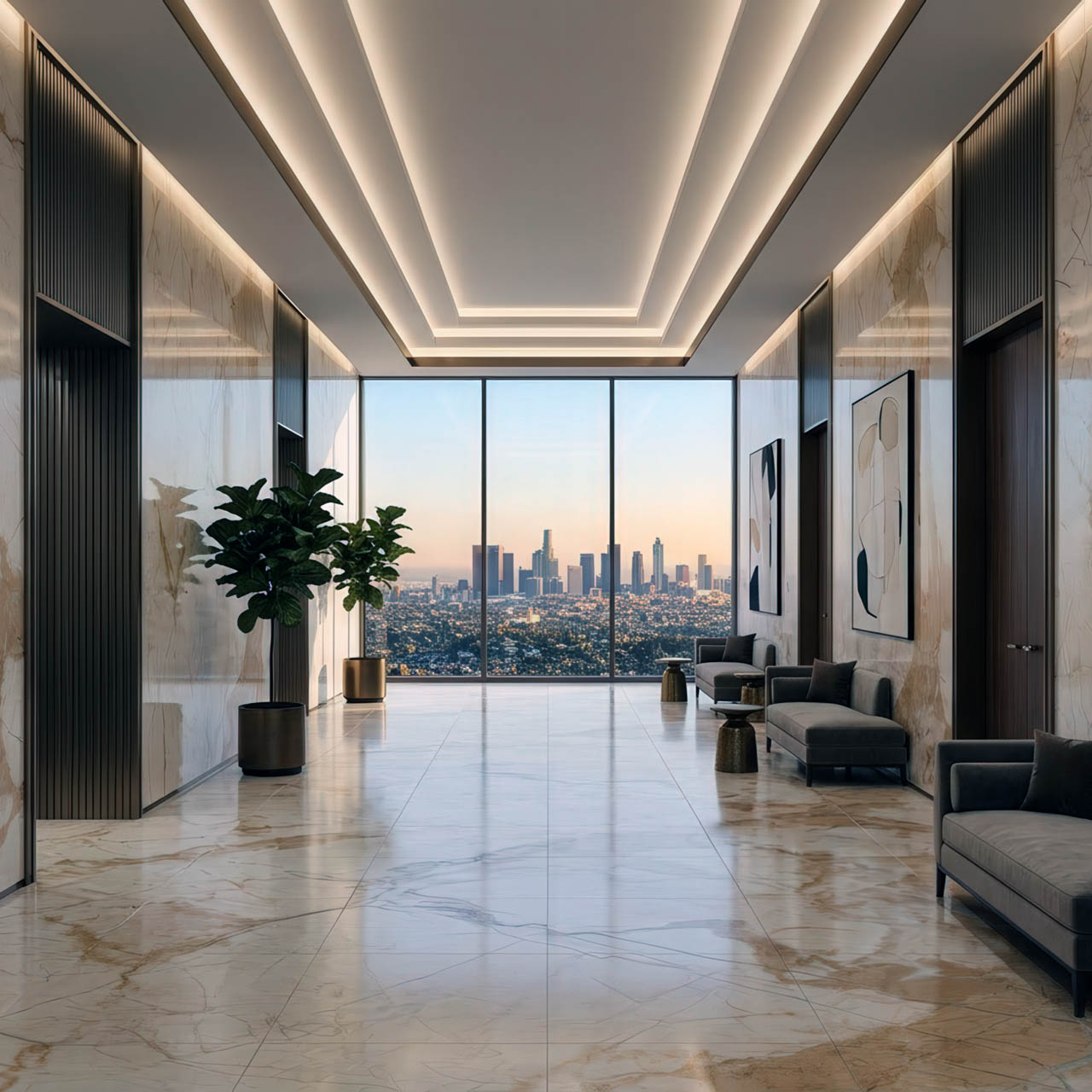
The primary strength of Aegean Cloudy Beige is its ability to cover massive floor areas without feeling repetitive or clinical.
-
The “Cloud” Effect: Unlike stones with sharp, linear veins, the “cloudy” patterns in this marble are non-directional. This makes it much easier to install in large open-plan lobbies and residential halls, as the installer doesn’t need to “match” the veins perfectly to achieve a cohesive look.
-
Warm Atmosphere: Its beige-to-taupe undertones provide a natural warmth that balances the coldness of modern glass and steel skyscrapers.
2. Integrated “Stone-Drenched” Spa Environments
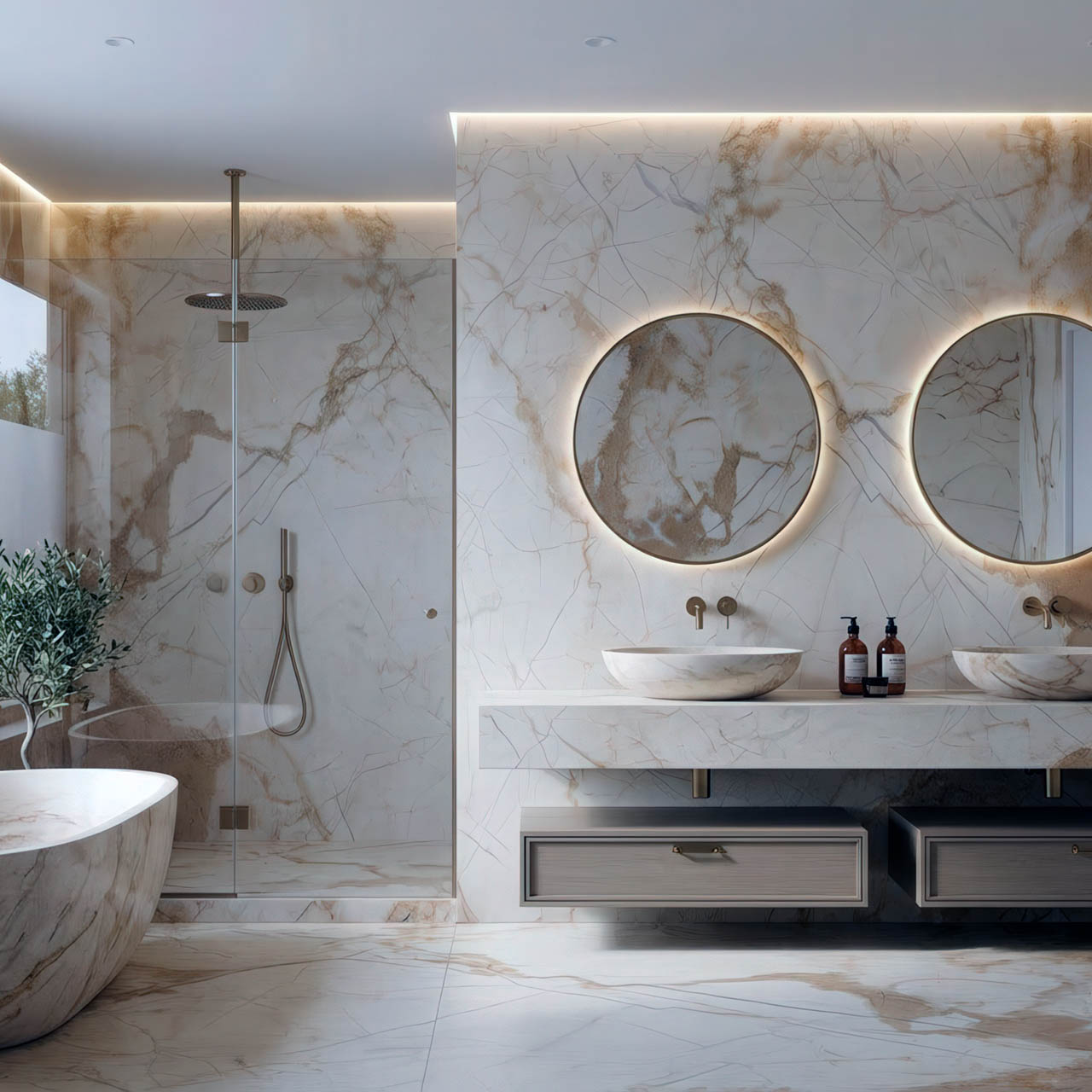
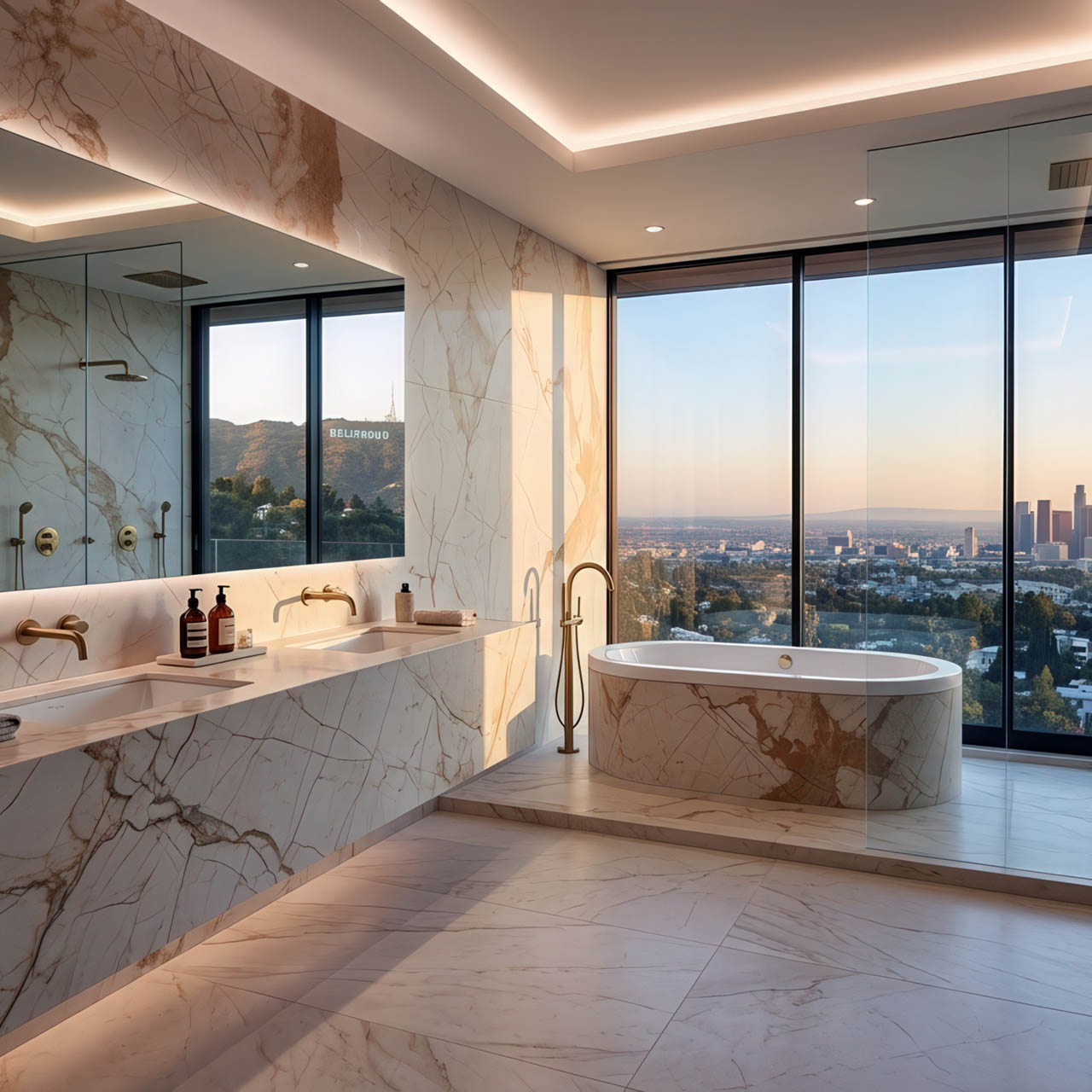
In luxury 2026 wellness design, architects are moving toward “Monolithic Calm.” Aegean Cloudy Beige is often used to clad every surface of a bathroom or spa to minimize visual noise.
-
Floor-to-Wall Transitions: Using 60 x 120 cm tiles for both floors and walls creates a seamless “cocoon.” The stone’s low water absorption (0.18\%) ensures that high-moisture areas remain pristine without the darkening common in more porous limestones.
-
Integrated Vanities: Because it is a compact, fine-grained marble, it can be CNC-milled into seamless, integrated sinks. The “cloudy” pattern hides soap scum and water spots significantly better than pure white or dark stones.
3. High-Traffic Retail and Public Atriums
Aegean Cloudy Beige is a highly durable calcitic marble, making it functional for spaces that see thousands of visitors daily.
-
Luxury Boutiques: Its neutral tone allows the focus to remain on the merchandise while providing a high-end, tactile foundation. It is frequently paired with Aged Brass or Brushed Bronze fixtures.
-
Reception Portals: Architects often use the stone to “frame” elevators or reception desks. The subtle movement in the “clouds” provides a sense of prestige and history that flat, synthetic materials cannot replicate.
4. Exterior Cladding and “Cool” Hardscaping
Thanks to its light color and dense mineral structure, Aegean Cloudy Beige is an excellent performer in exterior architectural applications.
-
Ventilated Façades: Its cream-beige base reflects high levels of UV radiation, reducing the cooling load of the building. The “cloudy” texture is also remarkably forgiving at hiding urban dust and environmental pollution.
-
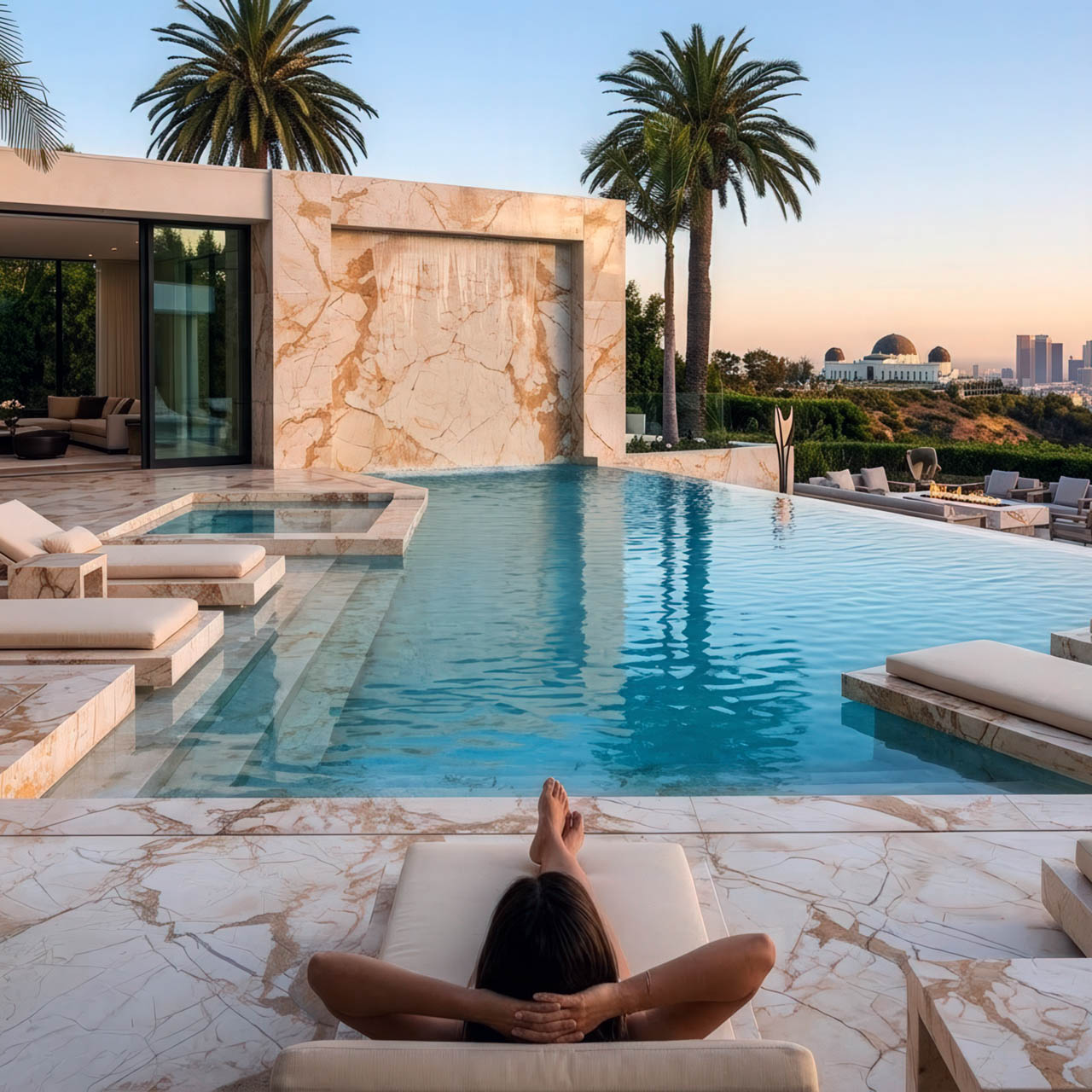
Pool Decks: In a sandblasted or “tumbled” finish, the stone provides excellent slip resistance (R11) while remaining cool to the touch, making it a favorite for Mediterranean-style villa terraces.
Technical Specification Table
| Property | Value (Average) |
| Density | 2710 kg/m3 |
| Compressive Strength | 105.0–120.0 MPa |
| Water Absorption | 0.15% – 0.20% |
| Flexural Strength | 10.5 MPa |
| Abrasion Resistance | Moderate-High |
2026 Architectural Pairings: The “Soft Minimalist” Look
To achieve a contemporary aesthetic with Aegean Cloudy Beige, architects recommend the following pairings:
-
Metal Pairing: Use Champagne Gold or Satin Nickel. Avoid high-chrome finishes, which can look too industrial against the soft, organic clouds of the stone.
-
Wood Pairing: Pairs perfectly with Natural White Oak, Sand-Blasted Teak, or Light Walnut. The wood grain and the marble “clouds” create a beautiful interplay of organic textures.
-
Lighting Strategy: Use Warm-to-Neutral White (3000K to 3500K). This emphasizes the creaminess of the beige without turning it yellow or making the grey “clouds” look cold.
Design Tip: To highlight the “cloudy” nature of the stone, specify a “Honed” or “Matte” finish. While polished marble is classic, a matte finish allows the viewer to see the depth of the mineral structures without the distraction of light reflections.