The Digital Twin of Nature: How AI and BIM are Redefining the Future of Marble
For centuries, the marble industry was defined by its “analogue” nature—a world of heavy blocks, manual dry-lays, and the unpredictable whims of geology. But as we move through 2026, the intersection of Artificial Intelligence (AI) and Building Information Modeling (BIM) has sparked a digital renaissance.
No longer is marble just a static finishing material; it has evolved into a high-performance, data-rich architectural asset. For firms like DLR Group and members of the AIA, this shift from “stone” to “smart material” is changing the very fabric of global procurement.
From “Static Slab” to “Intelligent Object”
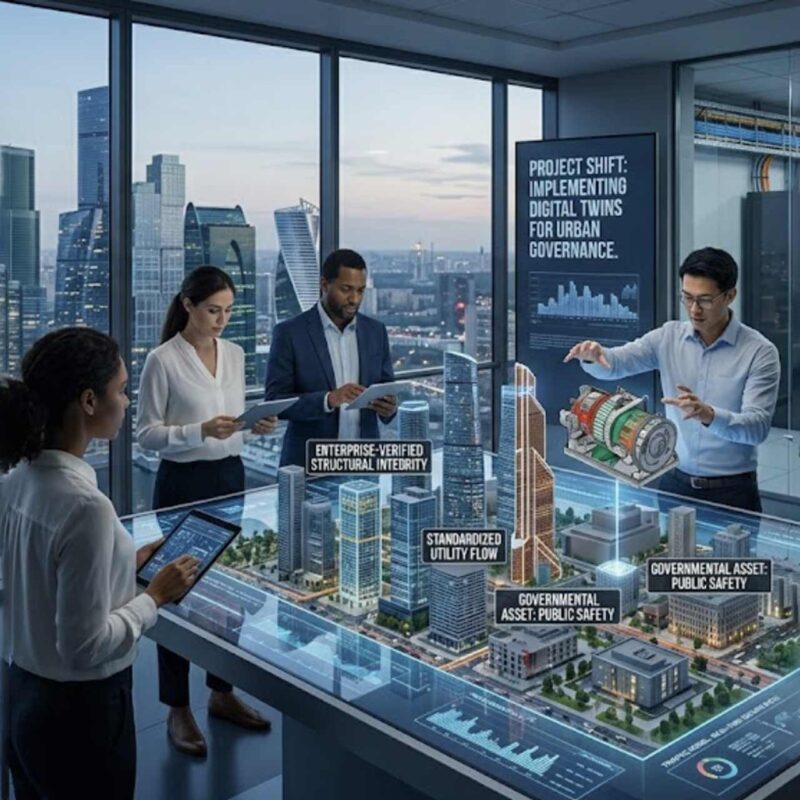
In the traditional workflow, specifying marble was a gamble of samples and site visits. Today, we bridge this gap through Digital Twins. By creating high-resolution, photorealistic BIM objects with LOD (Level of Development) 400 detail, we provide architects with more than just a texture.
Our digital marble assets include embedded metadata:
-
Physical Properties: Precise density thermal conductivity, and compressive strength.
-
Environmental Data: Real-time carbon footprint tracking and LEED v4.1 compliance markers.
-
Geological Origin: A “Digital Birth Certificate” linking the slab directly back to its coordinates in our Muğla Yatağan quarry.
AI-Driven “Virtual Dry-Lays”
The most significant pain point in luxury stone installation has always been vein continuity. Traditionally, this required physical space to lay out slabs—a process prone to human error and logistical delays.
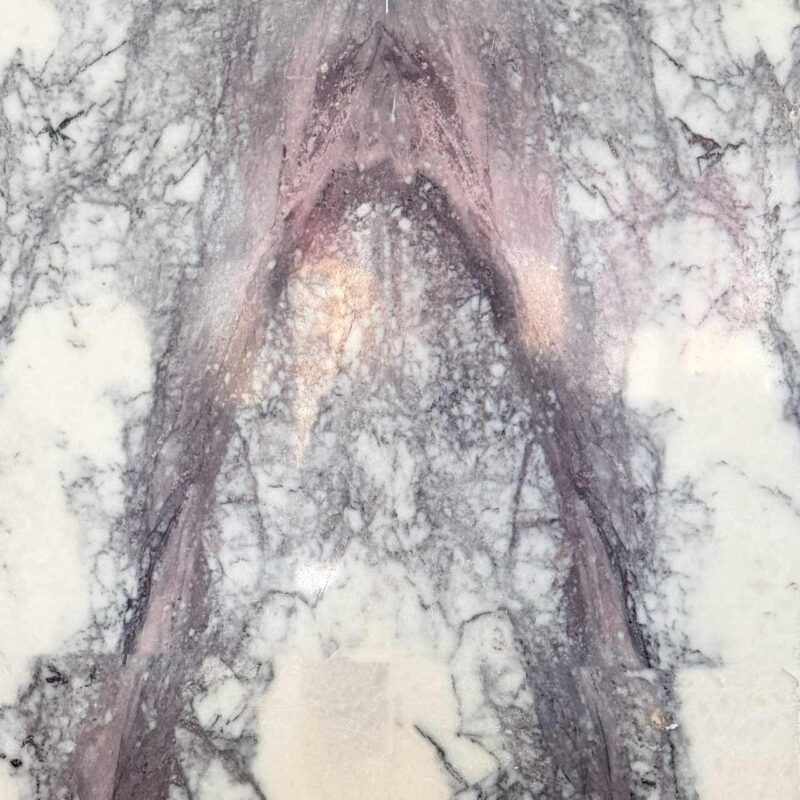
By utilizing AI-powered Computer Vision (CV), we now perform “Virtual Dry-Lays.” AI algorithms analyze thousands of high-definition slab scans to predict how veins will flow across a three-dimensional space. Architects can now visualize a seamless Calacatta Viola feature wall or a monolithic Aegean Silver floor in a virtual environment before a single blade touches the stone. This reduces lead times by up to 40% and virtually eliminates material waste on-site.

The Structural Revolution: Ultra-Thin and Data-Driven
One of the most exciting breakthroughs in 2026 is the synergy between BIM and Ultra-Thin Veneers (0.3–0.5 mm). In high-rise architecture, “dead load” is the enemy. By utilizing AI-optimized cutting and composite backings, we are providing the aesthetic of solid marble at a fraction of the weight.
Within a BIM environment, these lightweight systems allow structural engineers to recalculate load-bearing requirements in real-time. This “Democratization of Luxury” means marble can now be specified for elevator cabs, modular interior partitions, and even luxury maritime interiors where weight constraints previously made natural stone impossible.
SAP Consolidation: The Transparent Supply Chain
Technology is not limited to the factory floor; it is the backbone of the entire supply chain. By consolidating our 12 eCommerce systems through SAP Business One and Logosoft TR infrastructure, we offer unprecedented transparency.
For a developer in Florida or Toronto, this means real-time inventory visibility. When an architect selects a stone in their BIM software, the system automatically verifies stock levels in our Turkish manufacturing facility and calculates the most efficient logistical path to our North American hubs. This is “Just-In-Time” manufacturing applied to the world of natural stone.
The Bottom Line: Precision Meets Poetry
The future of the marble industry does not lie in choosing between tradition and technology. It lies in the integration of the two. By digitizing the geological heritage of Turkey, we are empowering the world’s leading designers to build with more confidence, less waste, and greater creative freedom.
In 2026, we aren’t just selling marble; we are providing the data that makes sustainable luxury possible.
Keywords: BIM, Artificial Intelligence, Marble Industry, Sustainable Architecture, Digital Twin, SAP Business One, Turkish Exports, Construction Tech, PropTech.