Technical Color Evaluation Report: Burdur Beige Marble
Technical Color Evaluation Report: Burdur Beige Marble
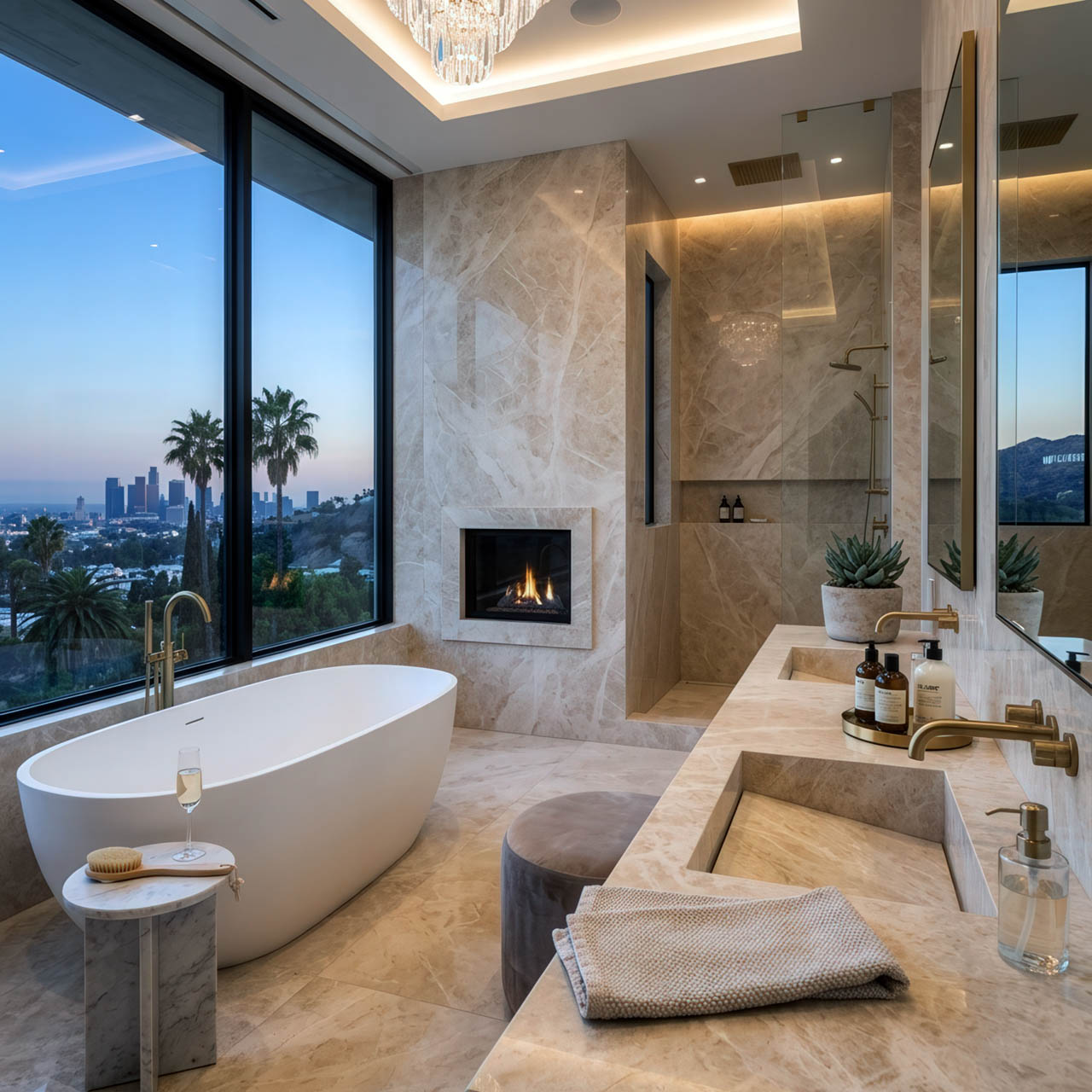
This report provides a technical breakdown of the chromatic composition for the provided sample of Burdur Beige Marble (Ref: SL004). This specific variety is a premium calcareous stone known for its soft, creamy aesthetic and high degree of homogeneity.
-
Visual Overview
The specimen exhibits a high-clast, micritic texture with a primary warm cream-beige base. The surface is characterized by a subtle “cloudy” distribution of mineral concentrations, with very fine, non-linear capillary veins and light crystalline flecks.
-
Chromatic Distribution & Area Ratio
The color palette is composed of four primary tonal bands. The ratios below represent the estimated surface area coverage based on the tonal density of the sample:
| Tonal Category | Description | HEX Code | Estimated Area % |
| Primary Base | Light Cream / Pale Ivory | #F2E9DB | 60% |
| Secondary Transition | Warm Sandy Beige | #E8D9C5 | 25% |
| Mineral Concentration | Muted Taupe / Grey-Beige | #D6C7B4 | 10% |
| Highlight / Vein | Off-White / Pearl | #F9F4ED | 5% |
-
Technical Color Characteristics
- Luminance (Brightness): The stone possesses a high reflectance value, making it ideal for interior spaces requiring light amplification. The dominant tones sit in the upper quartile of the lightness scale.
- Saturation: The saturation levels are extremely low (chroma < 15%), ensuring a neutral profile that avoids aggressive yellow or pink undertones.
- Color Temperature: The overall profile is Warm-Neutral. The presence of subtle iron oxide traces provides a warm “honeyed” glow without shifting into a gold spectrum.
- Consistency Index: High. The delta-E variance across the majority of the surface is minimal, indicating a “First Quality” selection with uniform color distribution.
-
Architectural Application Notes
Due to the #F2E9DB dominant base, this material pairs optimally with:
- Cooler Accents: To create contrast against darker grey stones or metal finishes.
- Tone-on-Tone: For seamless architectural transitions in large-scale floorings or wall claddings where a monolithic appearance is desired.
Known as the “Golden Standard” of Turkish limestone, Burdur Beige Marble (often marketed as Crema Royal or Moonstone Cream) is a world-class material that has successfully rivaled the famous Spanish Crema Marfil in the 2026 architectural market. Its appeal lies in its extreme homogeneity—a creamy, uniform base with minimal veining—making it the top choice for architects who require consistency across massive surface areas.
In the current design landscape of “Sensory Architecture,” Burdur Beige is favored for its ability to create “quiet” spaces that feel both expansive and warm.
1. Large-Scale Commercial Flooring and Atriums
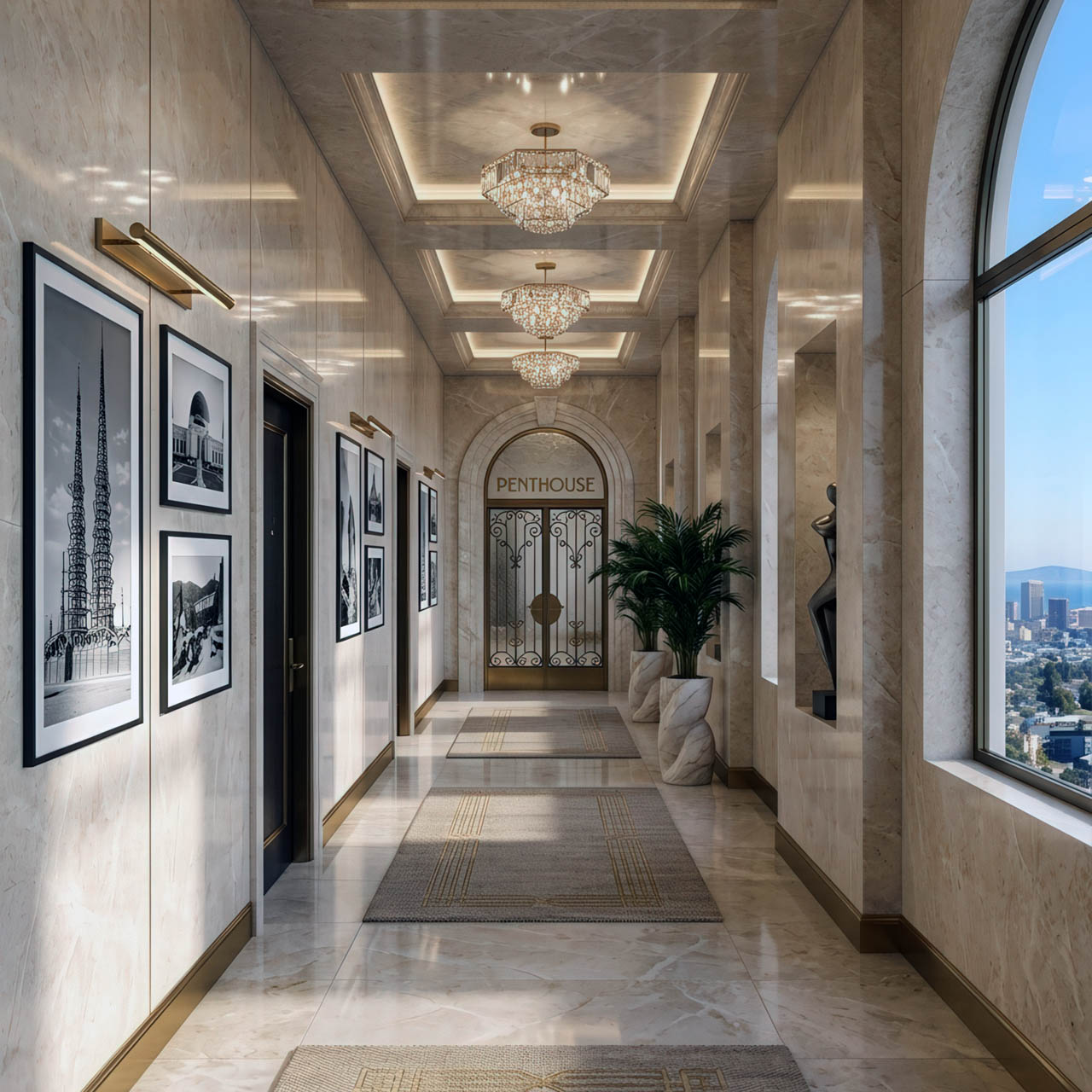
Burdur Beige is the “workhorse” of luxury commercial architecture. Because the stone is quarried in massive, consistent blocks, it is ideal for projects requiring thousands of square meters of identical stone.
-
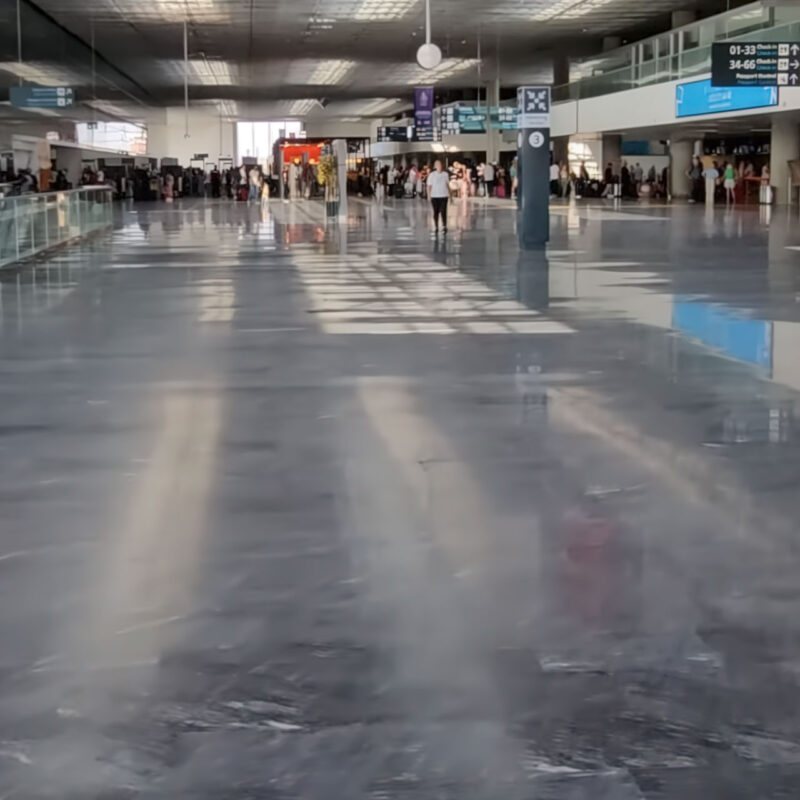
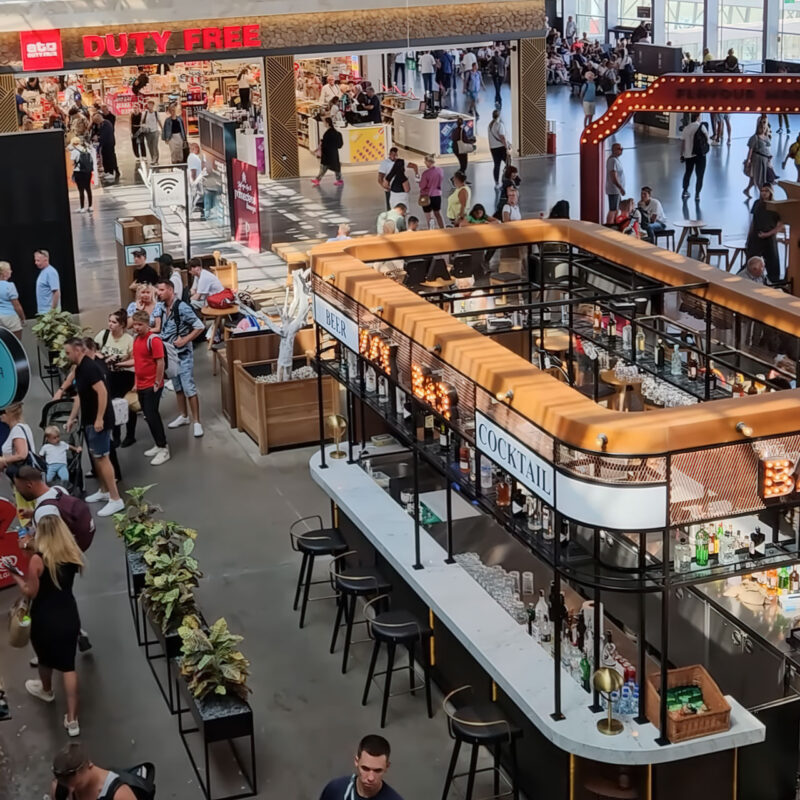
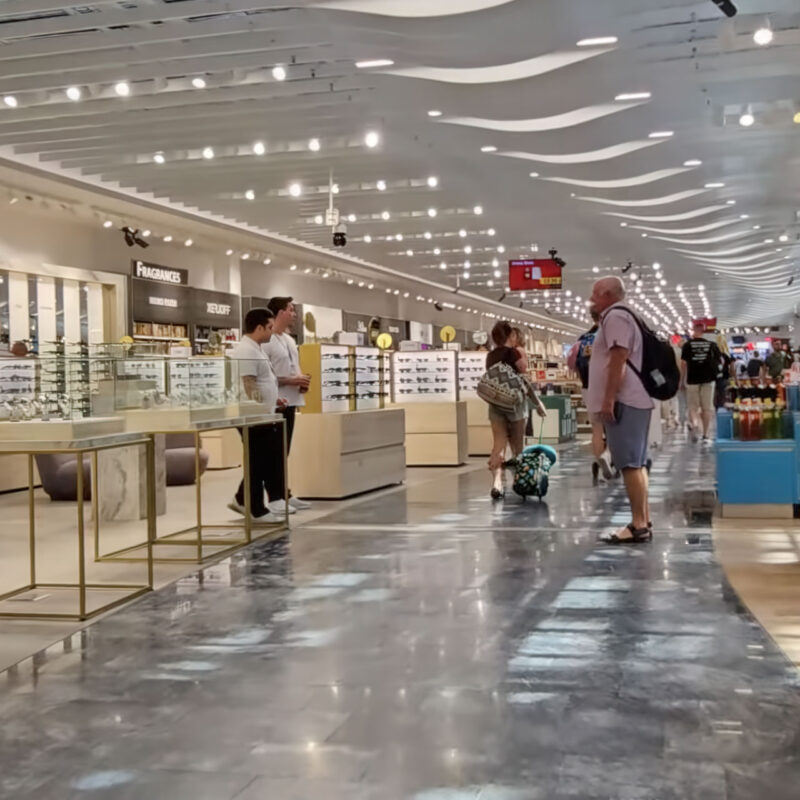
Airport and Mall Terminals: Its high compressive strength (112.0 MPa) and remarkable resistance to abrasion make it suitable for environments with constant foot traffic.
-
Seamless Gridding: Architects frequently specify 80 x 80 cm or 100 x 100 cm tiles. Because the background color is so stable, the transition between tiles is nearly invisible, creating a monolithic “cream lake” effect.
2. Exterior Ventilated Façades
Unlike many beige marbles that are prone to fading or weathering, Burdur Beige has an incredibly low water absorption rate (0.1%). This technical advantage has made it a favorite for exterior cladding in 2026.
-
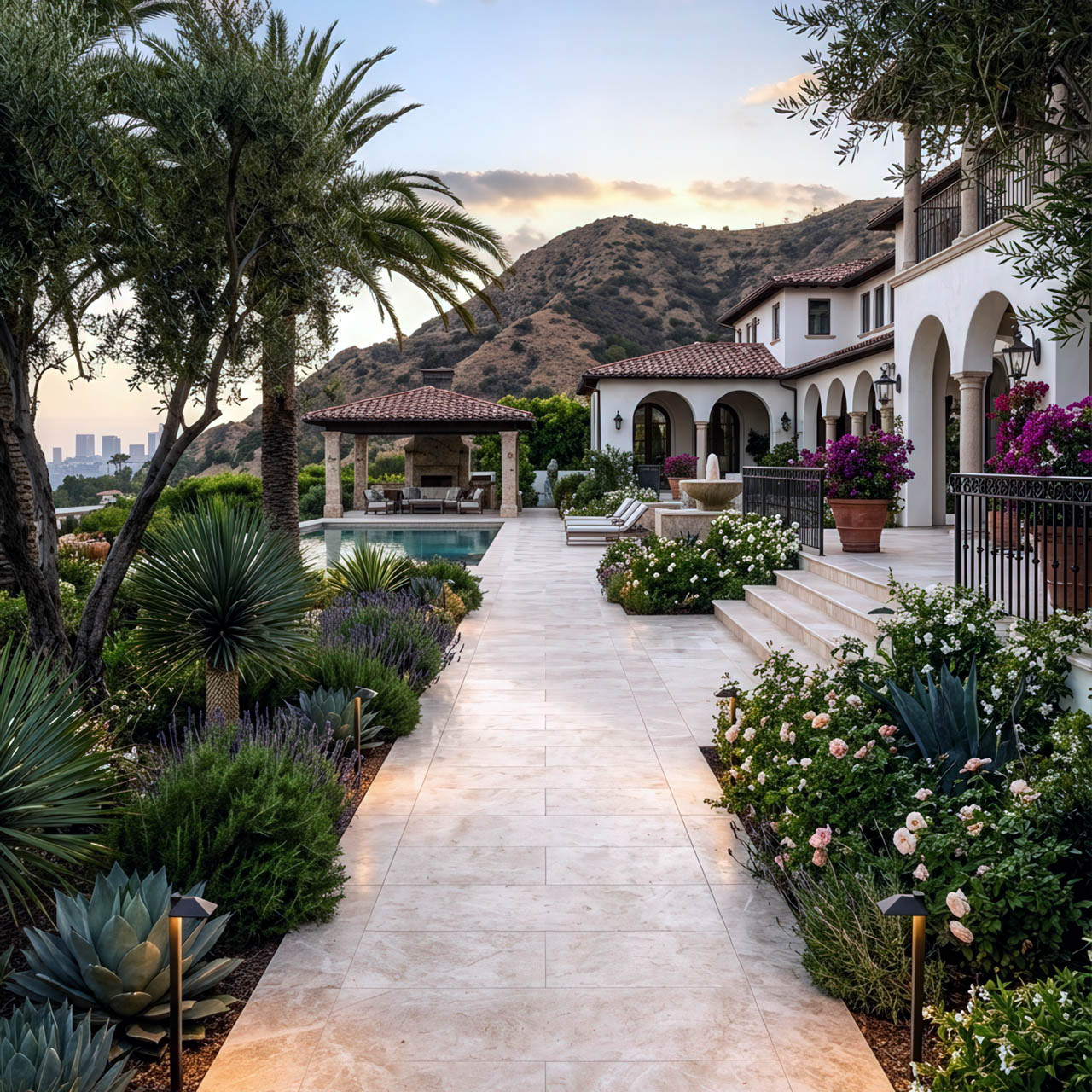
Reflective Envelopes: Its light cream color reflects solar radiation, helping to reduce the “heat island” effect in urban environments and keeping building interiors naturally cooler.
-
Texture Variations: For façades, architects often mix honed panels with sandblasted or bush-hammered accents to create a subtle play of light and shadow without changing the material’s color palette.
3. High-Traffic Stairs and Thresholds
The density of Burdur Beige (2682 kg/m3) allows it to be cut into thick, solid treads for public staircases without the need for extensive structural reinforcement.
-
Public Monuments and Museums: It is often used for grand “sweep” staircases. Its uniform color allows the architect to focus on the geometry of the stairs rather than being distracted by busy veining.
-
Custom Carvings: Because of its tight grain, it is an excellent medium for CNC-carved architectural elements like balustrades, columns, and intricate moldings.
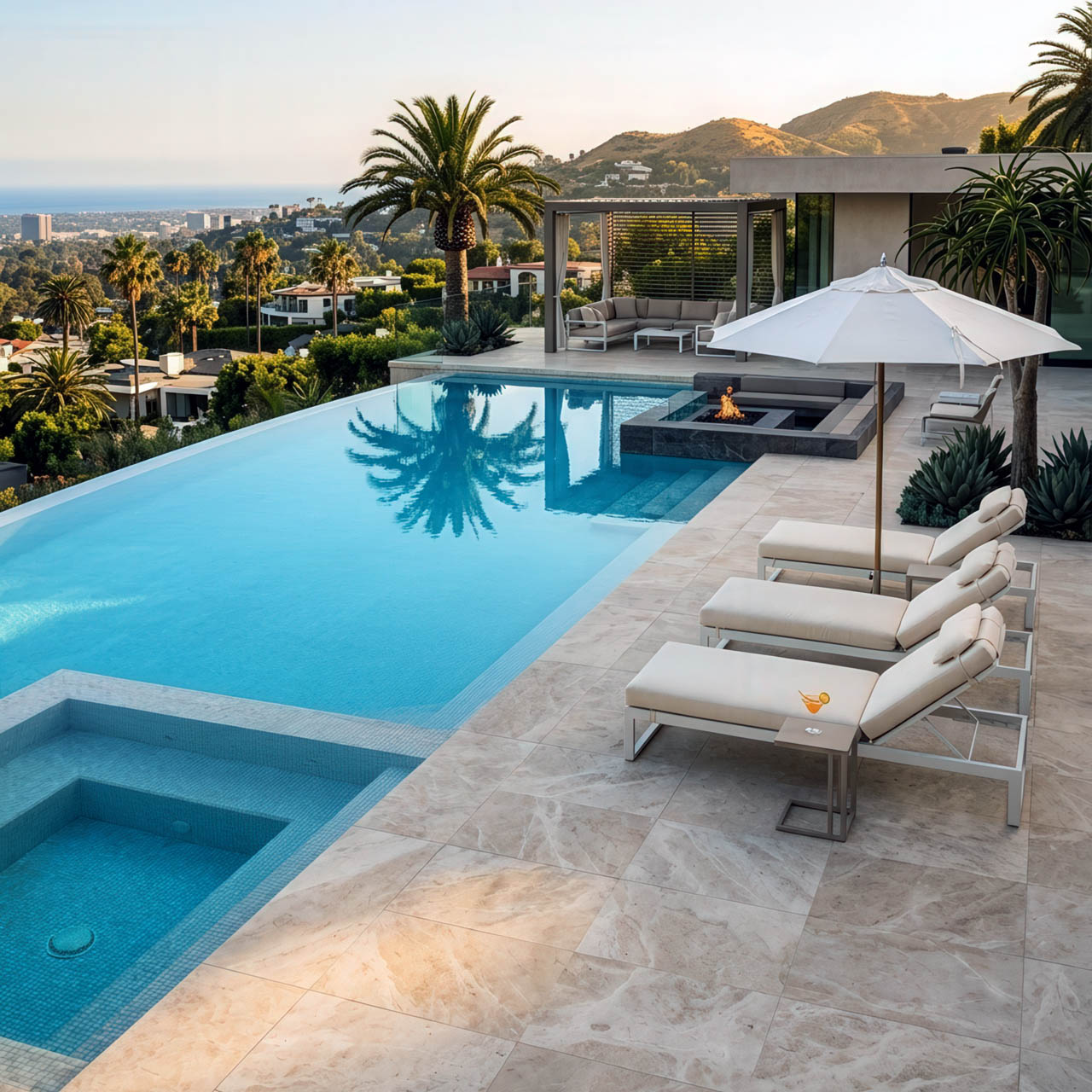
4. Hospitality Bathrooms and Wellness Centers
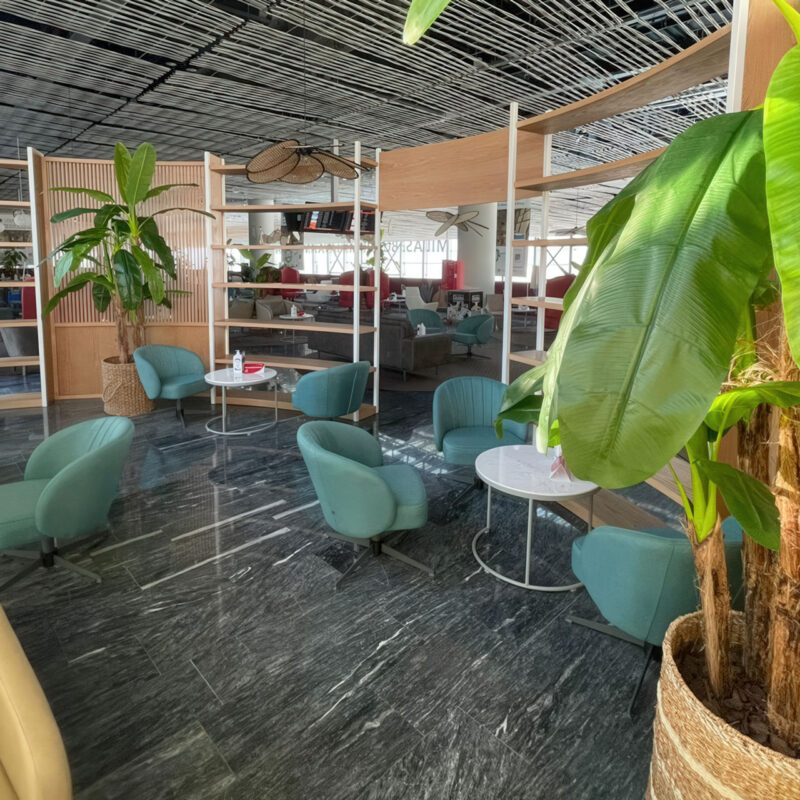
In 2026, the trend in luxury hotels has shifted away from “flashy” marble toward “Skin-Tone Warmth.” Burdur Beige perfectly mimics the warm, soft light of a spa environment.
-
Floor-to-Ceiling Cladding: Using Burdur Beige for all bathroom surfaces creates a “cocoon” effect. Its neutral tone makes it the perfect backdrop for high-contrast fixtures in Matte Black or Polished Copper.
-
Integrated Vanities: Many 2026 boutique hotels feature “monobloc” sinks carved directly from Burdur Beige slabs, ensuring that the stone’s soft cream color flows uninterrupted from the counter into the basin.
Technical Specification Table
| Property | Value (Average) |
| Density | 2682 kg/m3 |
| Compressive Strength | 112.2 MPa |
| Water Absorption | 0.10% (By Weight) |
| Flexural Strength | 7.2 MPa |
| Hardness | 4–5 Mohs |
2026 Architectural Pairings
To achieve a contemporary look with Burdur Beige, architects suggest the following:
-
The “Transition” Stone: Use Burdur Beige as a neutral base to bridge the gap between high-contrast materials like Dark Emperador or Milas Lilac.
-
Metal Pairing: It is arguably the best marble for Rose Gold or Champagne Brass pairings. The warm undertones of the stone and metal elevate one another.
-
Lighting Recommendation: Use 3500K (Neutral to Warm) lighting. Very cool lights (5000K+) can make the beige look slightly “flat” or clinical.
Sustainability Note: Burdur Beige is prized in 2026 for its durability-to-maintenance ratio. Its high density means it rarely requires the chemical resins or epoxy treatments common in more fragile marbles, making it a “cleaner” material for LEED-certified and green-building projects.