Technical Color Analysis Report Light Emperador Marble
Technical Color Analysis Report: Light Emperador Marble
This report provides a technical breakdown of the chromatic composition for the provided marble sample, identifying the primary and secondary color profiles and their estimated surface coverage.
-
Visual Characterization
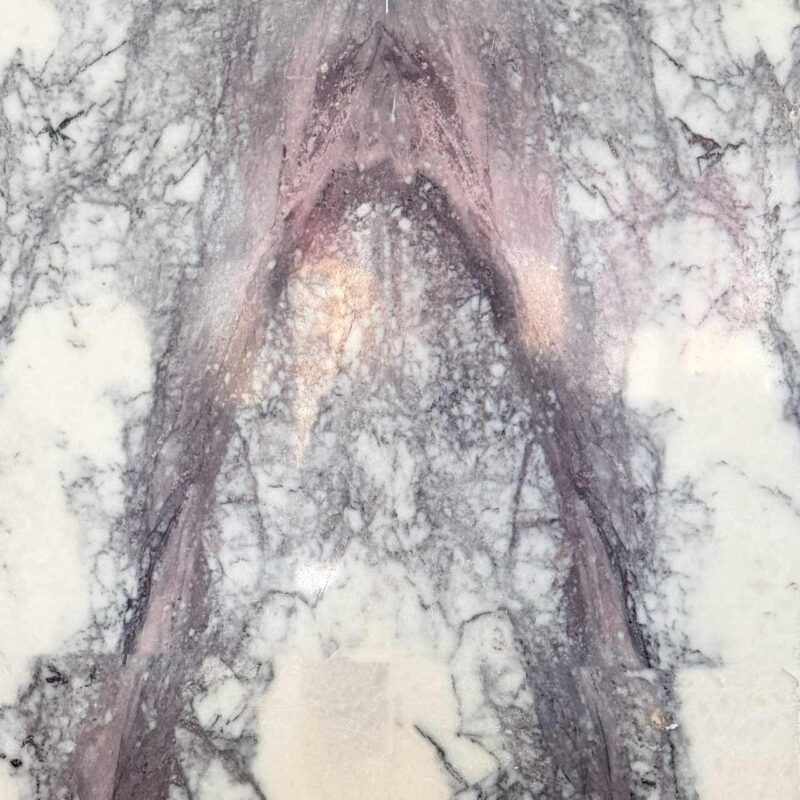
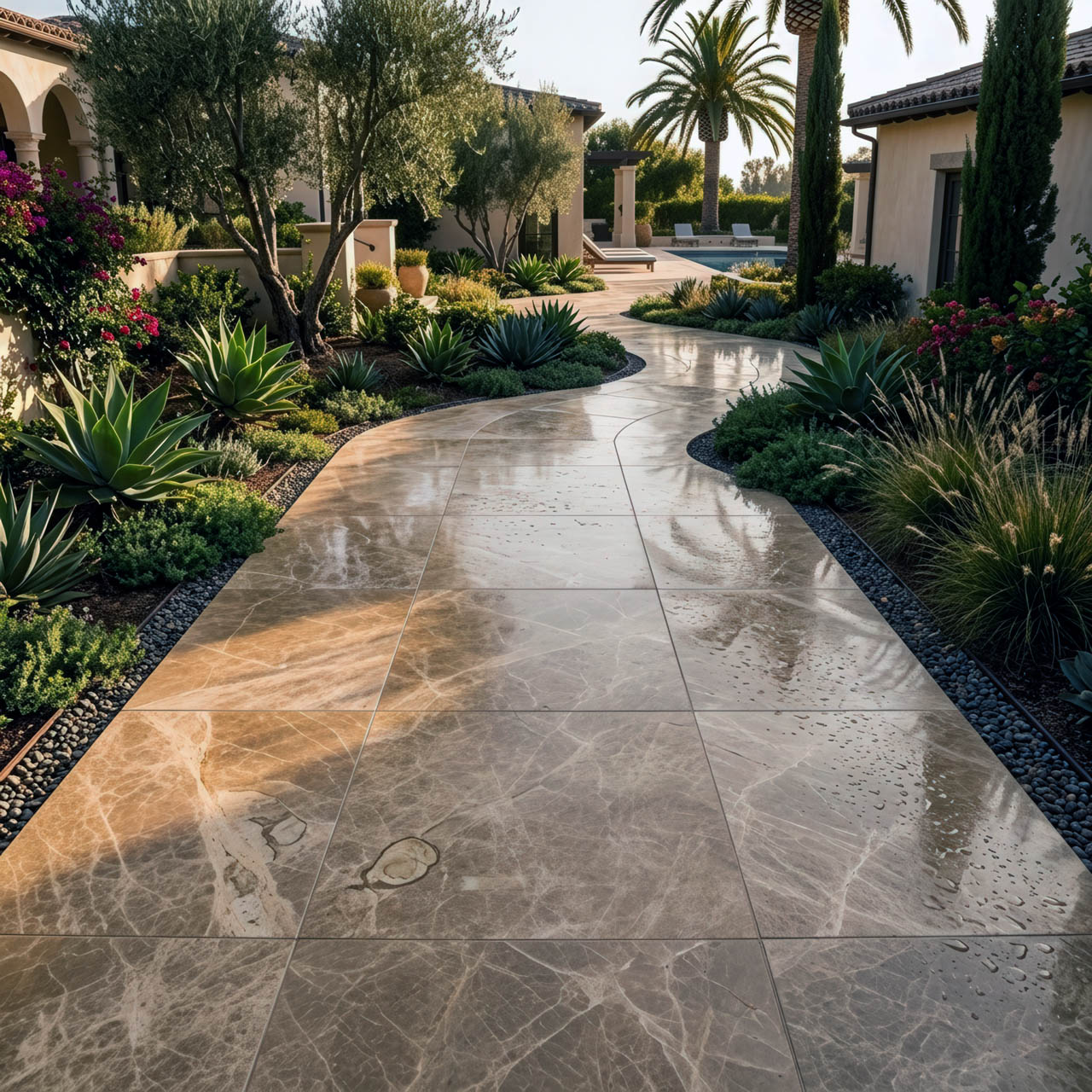
The specimen exhibits a classic brecciated structure typical of Light Emperador. The background is characterized by a warm, creamy-latte base, interwoven with a dense network of calcitic veins and occasional “spider-web” patterns. The overall aesthetic is one of soft warmth with high tonal variation.
-
Chromatic Composition & Area Ratios
| Color Segment | HEX Code | RGB Value | Estimated Area (%) | Technical Description |
| Primary Base | #C5A675 | (197, 166, 117) | 65% | A mid-tone “Warm Taupe” or “Honey Beige” that forms the matrix of the stone. |
| Secondary Light | #D9C5A3 | (217, 197, 163) | 20% | Light cream patches and broader calcitic clusters that provide depth. |
| VeinShadow | #A68B5E | (166, 139, 94) | 10% | Darker “TanBistre” lines that define the fragmented breccia edges. |
| Highlight Vein | #EDE1CD | (237, 225, 205) | 5% | Sharp, thin “Ivory” calcite veins that provide high-contrast focal points. |
-
Technical Observations
- Tonal Value: The stone sits primarily in the Medium-Light range of the Y-scale (Luminance).
- Saturation: Low to moderate saturation (Neutral-Warm). The dominance of earth tones ensures a high degree of versatility for architectural cladding and interior flooring.
- TexturePattern Influence: The “color” is not monolithic; the perceived hue shifts depending on the density of the white calcitic veining. In areas of high vein concentration, the marble appears significantly lighter (closer to #D9C5A3).
- Uniformity: The sample displays moderate-to-high variation, which is a hallmark of natural Light Emperador. This ensures that large-scale installations avoid a repetitive, “printed” appearance.
Technical Note: These values are based on the digital rendering of the provided image. Real-world values may shift slightly under different Kelvin lighting (e.g., 3000K warm vs. 5000K daylight).
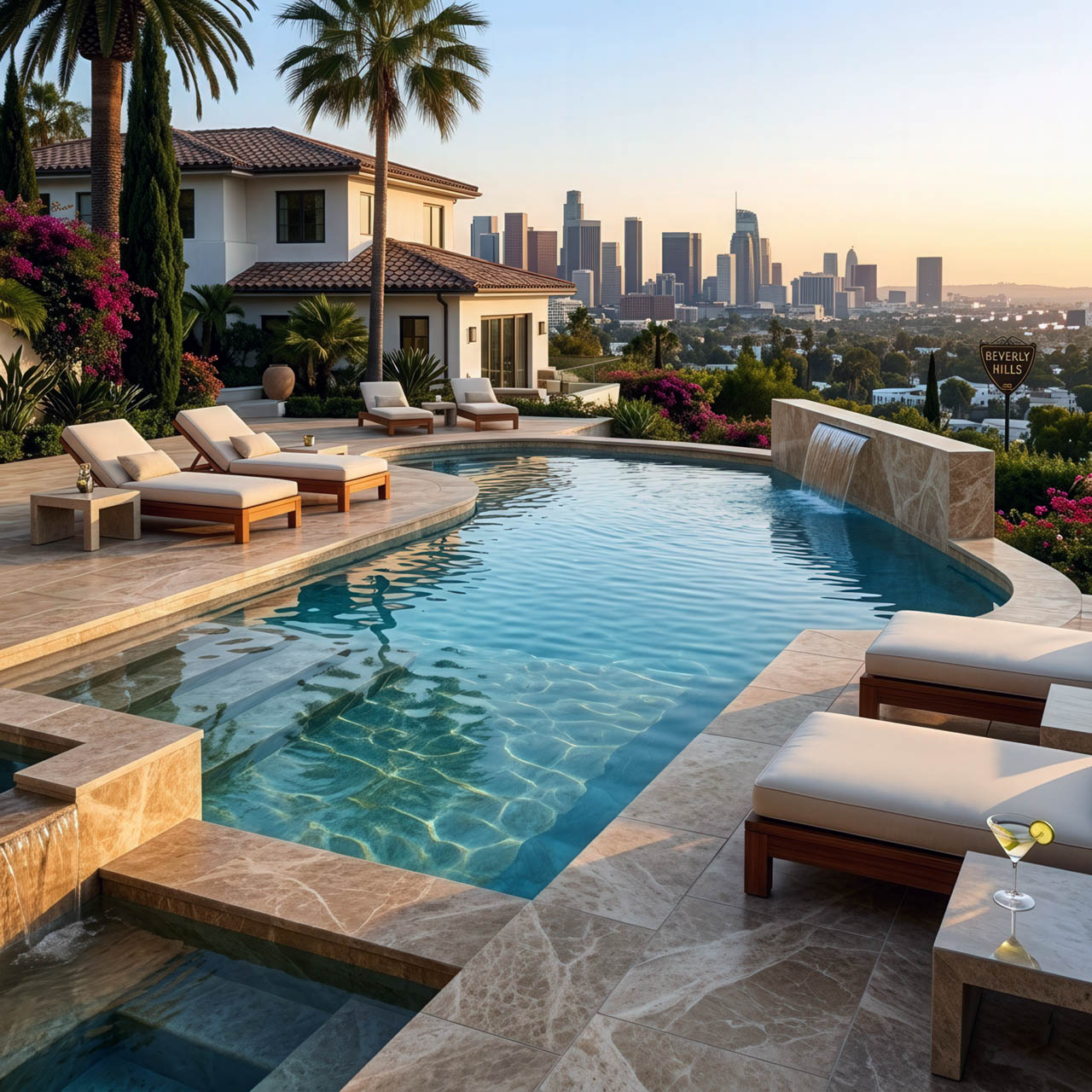
While Muğla and Milas varieties dominate the white and lilac palettes, Light Emperador Marble (also known as Emperador Light or Bursa Light) provides the architectural foundation for “Earth-Tone Luxury.” Originally famous as a Spanish stone, the Turkish variety from the Bursa region has become a 2026 global standard due to its high density, warm honey-to-tan base, and iconic “spider-web” white veining.
In the current design cycle, Light Emperador is the primary material used to transition away from the “grey-scale” era toward warmer, more welcoming residential and commercial environments.
1. High-Contrast Flooring and Inlays
Light Emperador is rarely used in isolation for large floors; instead, it is the premier “partner stone” for complex flooring designs.
-
The “Checkerboard” Evolution: In 2026, designers are moving away from black-and-white floors toward Cream and Coffee palettes. Light Emperador is paired with Crema Marfil or Burdur Beige to create a softer, more sophisticated geometric floor.
-
Waterjet Medallions: Due to its fine grain and high compressive strength (113.0 MPa), it is the most common material for intricate CNC-cut floor inlays in hotel lobbies and luxury elevator banks.
2. Dynamic Feature Walls and Cladding
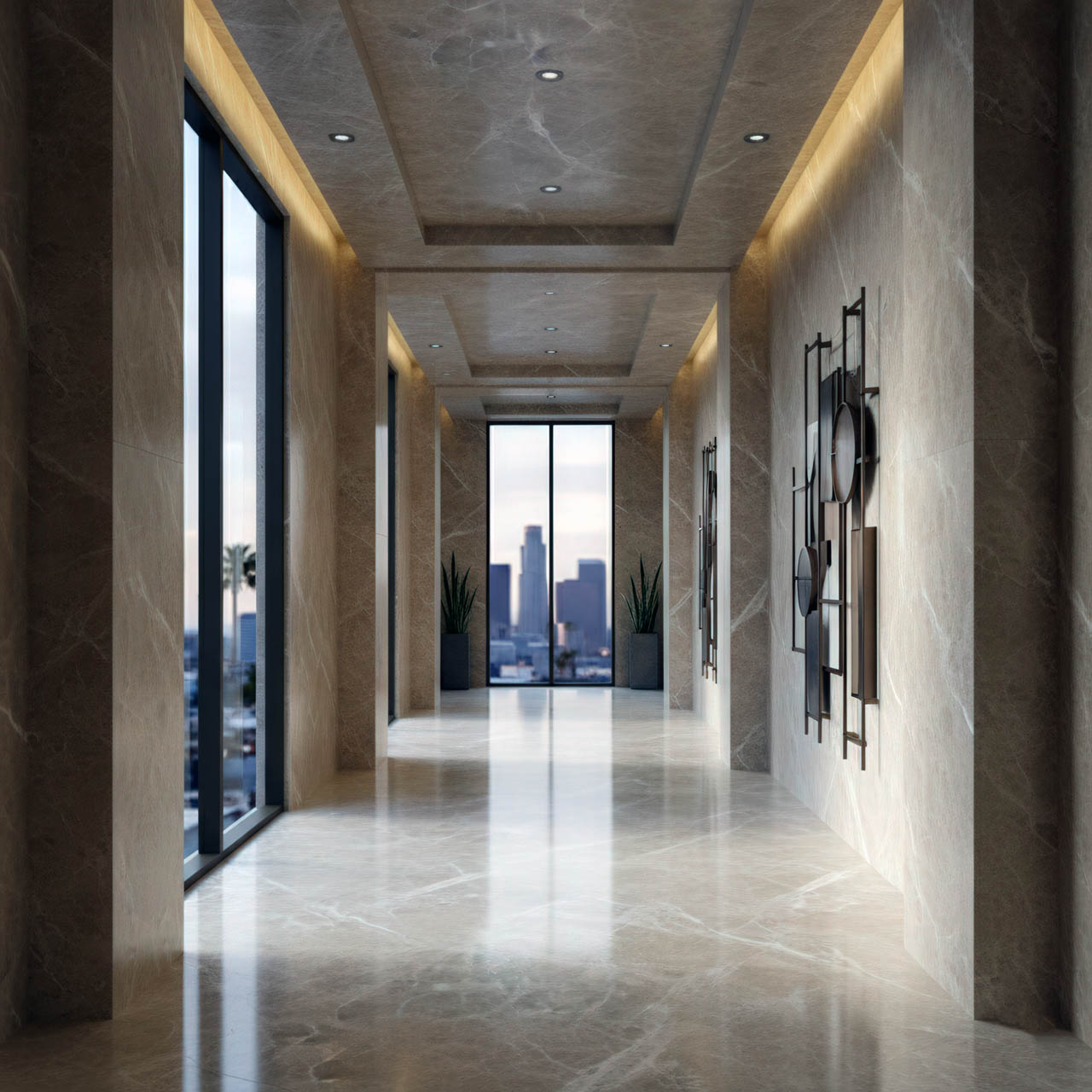
The “spider-web” veining of Light Emperador creates a three-dimensional effect that adds depth to vertical surfaces.
-
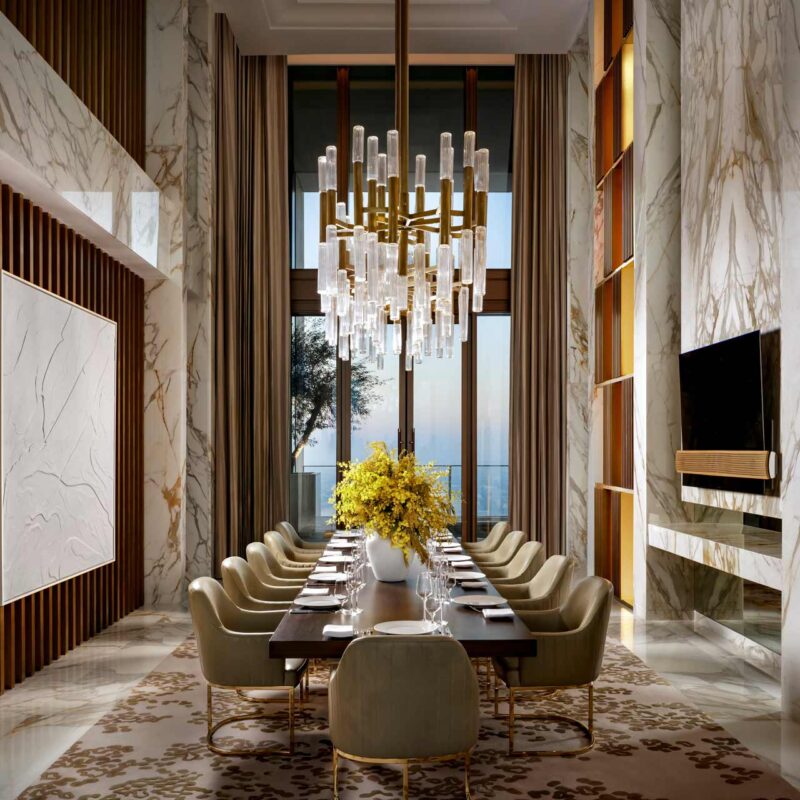
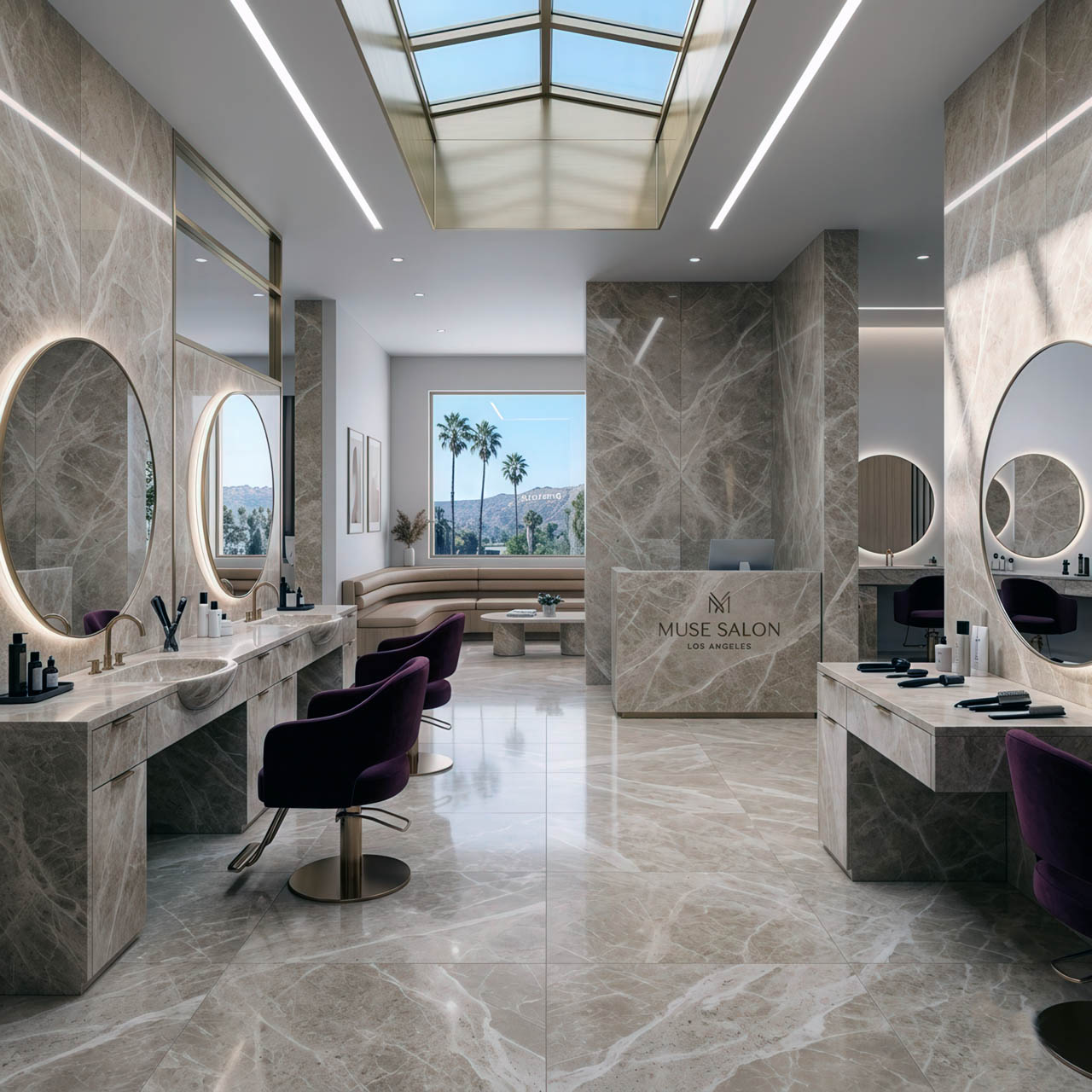
Accent Walls: Unlike busier marbles, Light Emperador has a “quiet” complexity. It is used in executive boardrooms and master bedrooms as a full-height wall covering that provides texture without overwhelming the space.
-
Reception Desks: Architects often specify polished Light Emperador for the “front-facing” slabs of reception counters. Its warm tone is perceived as more approachable and less “clinical” than white marble in service-oriented hospitality.
3. High-Traffic Stairs and Transition Zones
Light Emperador is physically tougher than many white marbles, making it a functional choice for vertical circulation.
-
Treads and Risers: Its ability to hide dust and minor scratches (thanks to the variegated brown tones) makes it ideal for stairs in commercial buildings.
-
Door Architraves: A recurring 2026 trend is the use of Light Emperador to frame doorways. The stone acts as a visual “anchor,” separating different zones of a home with a sense of weight and permanence.
4. Kitchen and Bath “Luxe” Surfaces
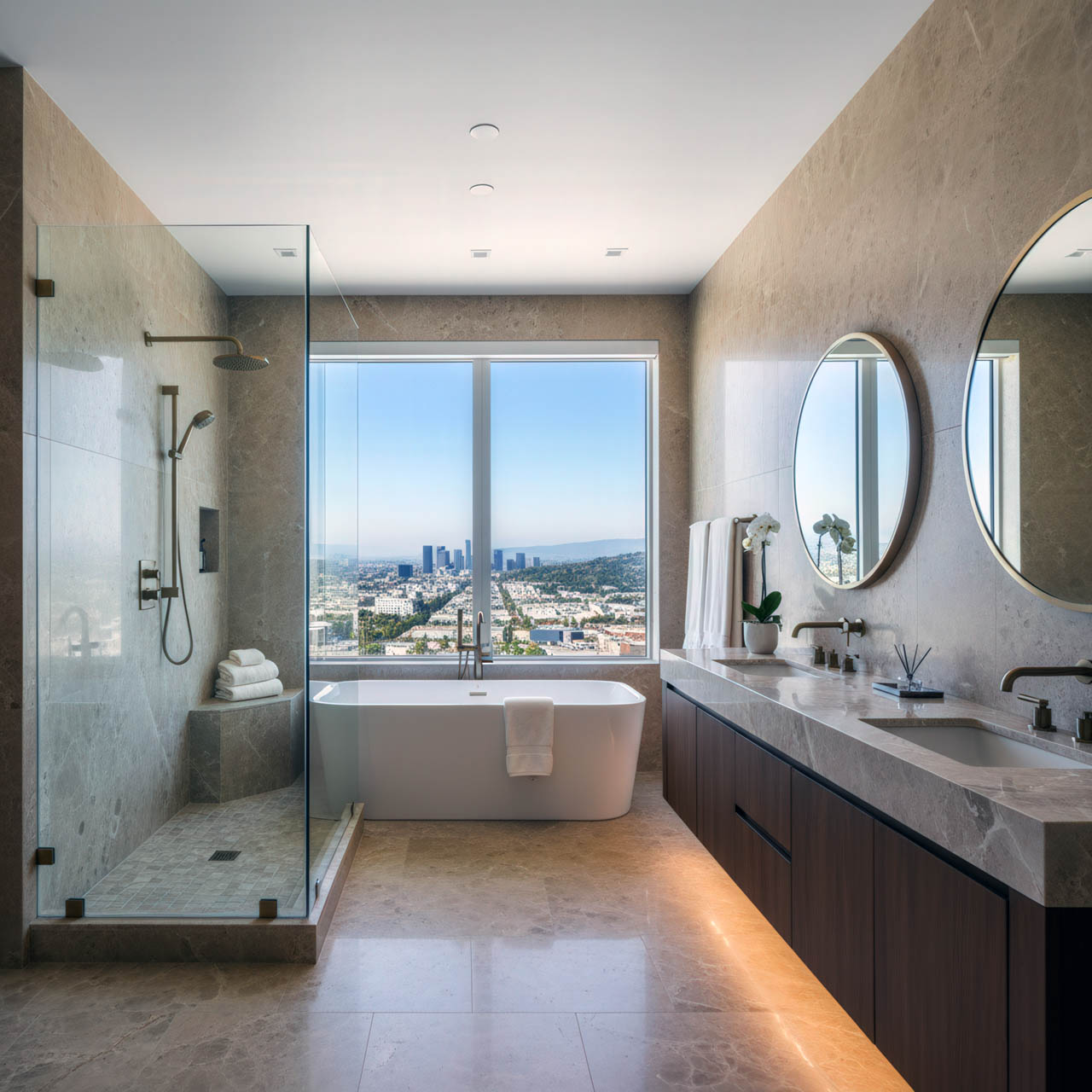
While its darker sibling (Dark Emperador) can sometimes make small rooms feel cramped, Light Emperador reflects enough light to keep bathrooms feeling airy.
-
Dual-Tone Vanities: A popular application is using Light Emperador for the vanity top and Dark Emperador for the splashback or base, creating a monochromatic brown gradient.
-
Islands with Wood Pairing: It pairs exceptionally well with Dark Walnut or Teak cabinetry. The honey-colored veins in the stone pull out the natural warmth of the wood.
Technical Specification Table
| Property | Value (Average) |
| Density | 2710\ kgm3 |
| Compressive Strength | 113.0-141.0 MPa |
| Water Absorption | 0.20% – 0.50% |
| Hardness | 3.5 Mohs |
2026 Style Guide: The “Warm Minimalist” Palette
To keep Light Emperador looking contemporary in 2026, architects avoid high-gloss “over-polishing” and instead focus on:
-
Brushed Finishes: A “brushed” or “leathered” finish gives the stone a tactile, velvet-like feel that is very popular in modern spa designs.
-
Metal Pairing: Use Champagne Gold or Aged Copper. Avoid chrome, as the cool blue tones of chrome can clash with the warm yellowbrown base of the marble.
-
Color Pairing: It is the perfect companion to “Greige” (Grey-Beige) paints and Terracotta accents.
Expert Note for 2026: Light Emperador is a breccial stone, meaning it contains natural micro-fissures that are part of its character. When specifying this stone for high-moisture areas, ensure the slabs have been factory-treated with high-quality epoxy resin to ensure a lifetime of waterproof performance.