Technical Color Analysis Report Medium Travertine
Technical Color Analysis Report Medium Travertine
The specimen displays a classic vein-cut orientation, showcasing horizontal sediment layers. The palette is a sophisticated range of warm neutrals, categorized by the following primary color components:
Color Composition & Distribution
| Visual Component | Dominant Hue | Estimated Area Coverage | Hex Code (Approx.) |
| Primary Base | Warm Cream / Pale Beige | 65% | #E8D1B3 |
| Secondary Bedding | Golden Ochre / Tan | 25% | #C79F73 |
| Accent / Pitting | Dark Umber / Coffee | 7% | #6F523E |
| Crystalline Deposits | Off-White / Ivory | 3% | #F5F1E6 |
Key Visual Characteristics
- Chroma and Saturation: The stone exhibits low-to-medium saturation. The “Medium” classification refers to this specific depth of color—it is darker than “Light” or “Ivory” travertine but lacks the heavy brown saturation found in “Noce” varieties.
- Veining Pattern: The movement is linear and rhythmic. The darker tan bands (#C79F73) create a sense of horizontal motion, which is ideal for expansive wall cladding or flooring to elongate a space.
- Porosity & Surface Texture: The specimen shows significant natural vughs (pitting). In high-end architectural applications, these are often “filled” with a color-matched resin (typically matching the #E8D1B3 base) or left “unfilled” for a more organic, rustic aesthetic.
- Tonal Consistency: The transition between the cream base and the golden tan bedding is soft and blended, indicating a high-grade material with consistent mineral sedimentation.
Architectural Application Note
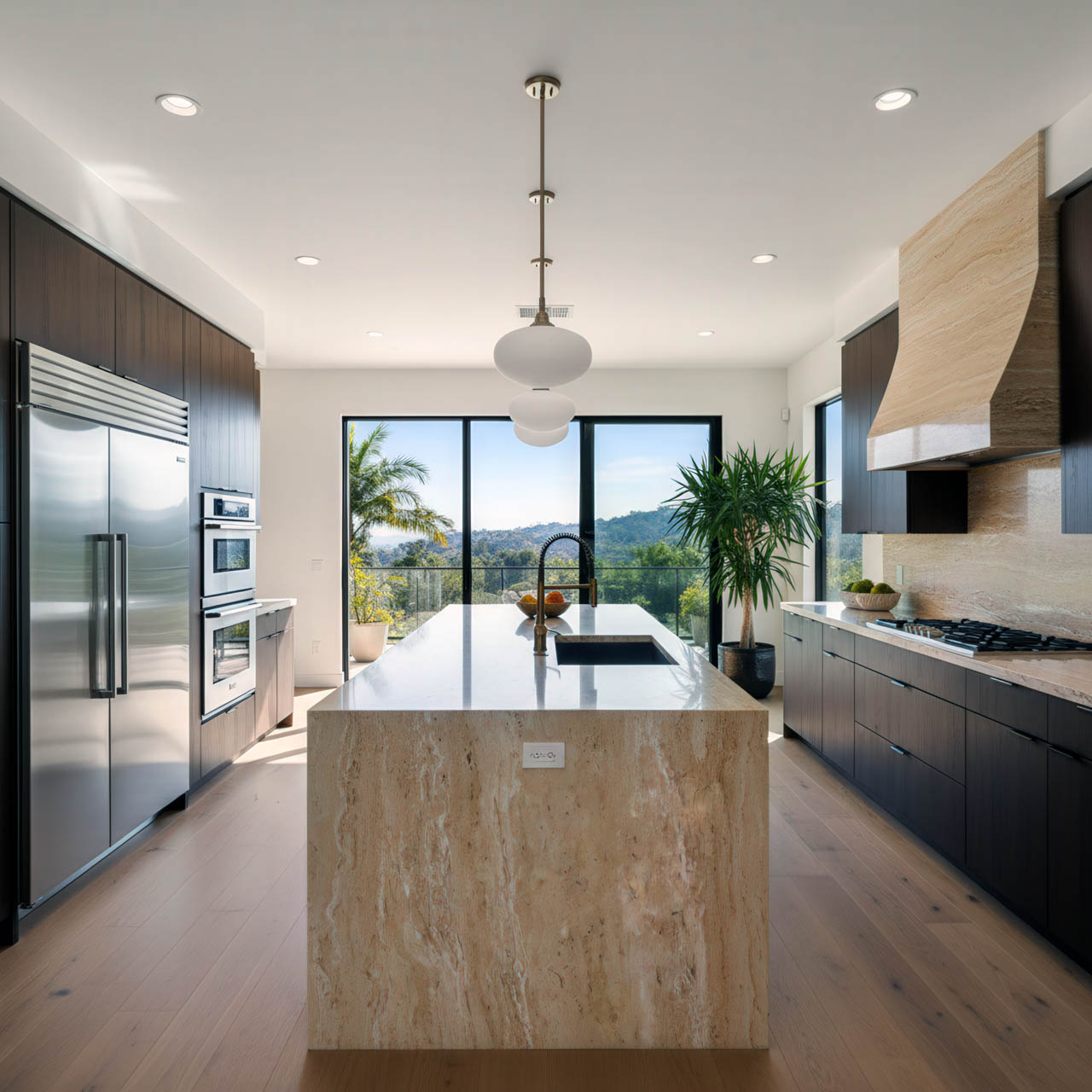
The neutral warmth of this specific palette makes it highly versatile. It pairs exceptionally well with bronze or matte black hardware, and its reflective properties in the cream sections help maintain brightness in large-scale residential projects.
While technically a limestone formed by mineral springs rather than a metamorphic marble, Medium Travertine is often categorized alongside marbles in the architectural world due to its luxury status and versatility. Characterized by its warm, walnut-to-honey tones and distinctive “pitted” surface, Medium Travertine offers a rustic yet sophisticated “Old World” charm that has seen a massive resurgence in 2026.
As designers move away from sterile, synthetic materials, Medium Travertine has become the hallmark of the “New Mediterranean” and “Organic Brutalism” movements.
1. Exterior Cladding and “Living” Façades
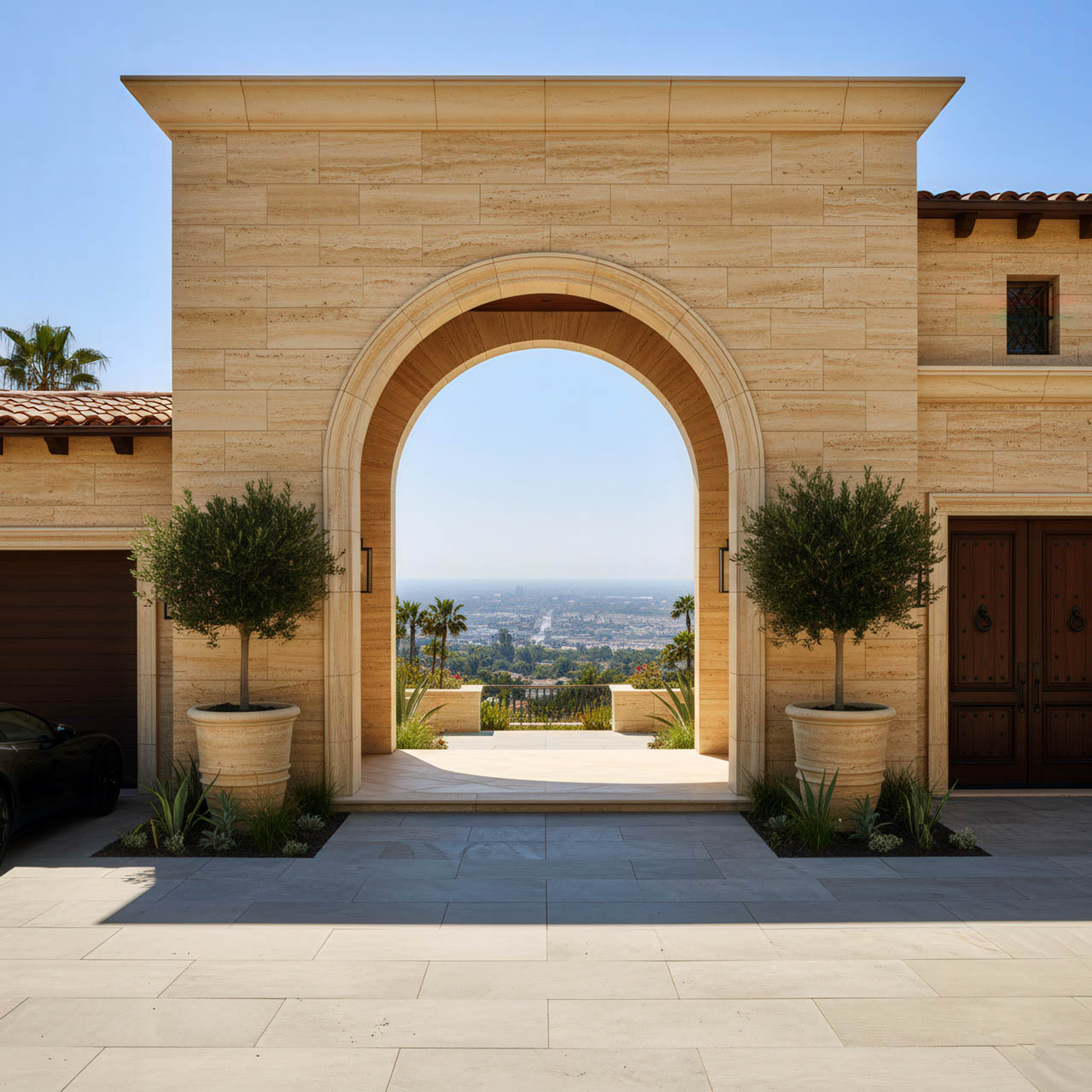
Medium Travertine is one of the few natural stones that actually improves with age and exposure to the elements. Its thermal inertia makes it a favorite for energy-efficient building envelopes.
-
Ventilated Façades: In 2026, architects are using Medium Travertine panels in ventilated wall systems. The stone’s natural cavities provide a unique texture that changes throughout the day as shadows move across the building.
-
Thermal Regulation: Because it stays cool under direct sunlight, it is the primary choice for exterior walls in arid or Mediterranean climates, helping to reduce cooling costs.
2. Seamless Indoor-Outdoor Flooring
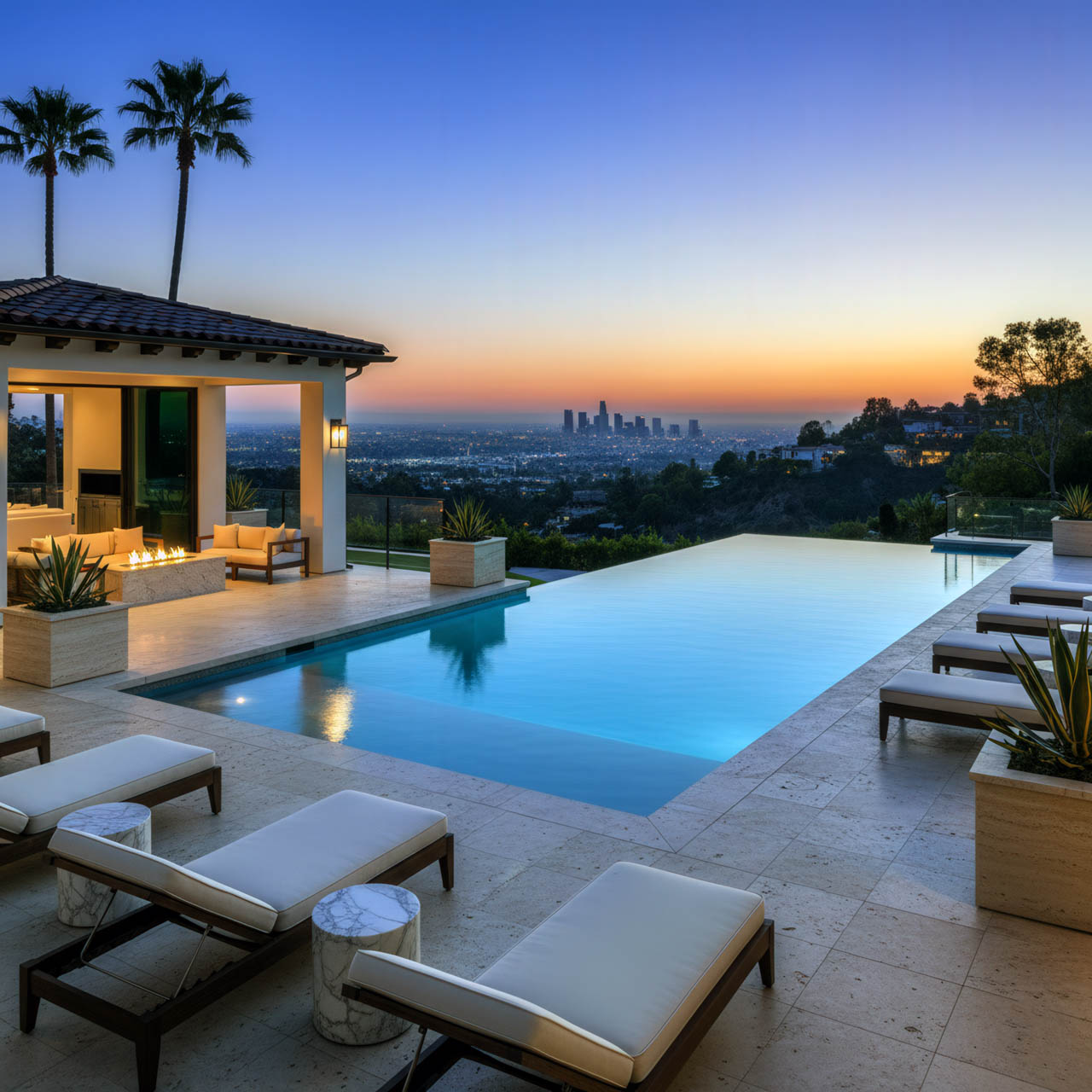
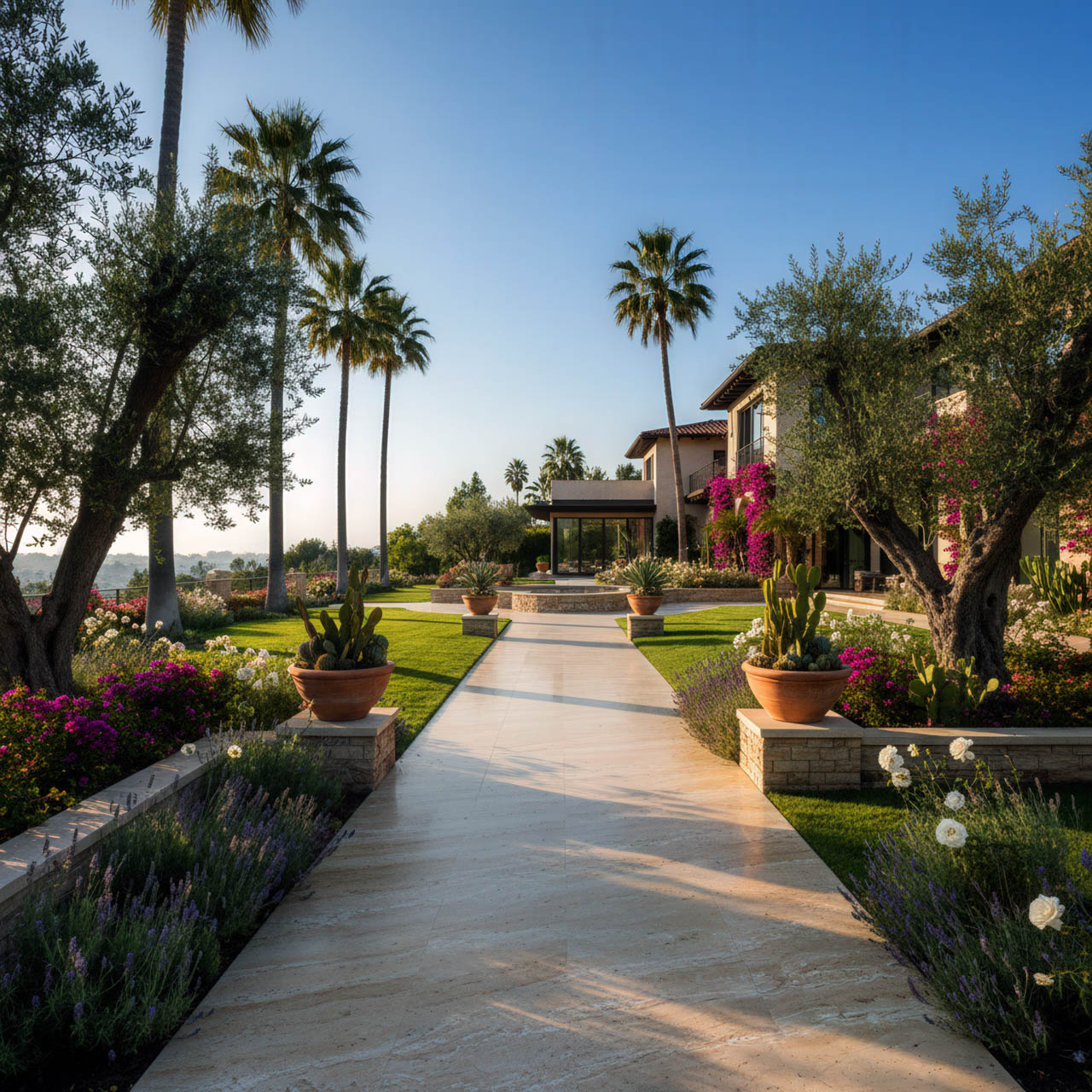
The “Blurred Boundary” trend remains dominant in 2026, where the same material flows from the living room out to the pool deck.
-
Tumbled and Unfilled: For outdoor patios, the stone is often used in a “tumbled” finish with the holes left open. This provides natural slip resistance (R11 or higher) and a rugged, ancient aesthetic.
-
Honed and Filled: For interiors, the “pits” are filled with a color-matched resin and honed to a smooth matte finish. This creates a durable, easy-to-clean floor that retains the visual depth of the stone without the maintenance of open holes.
3. High-End Bathroom Sanctuaries
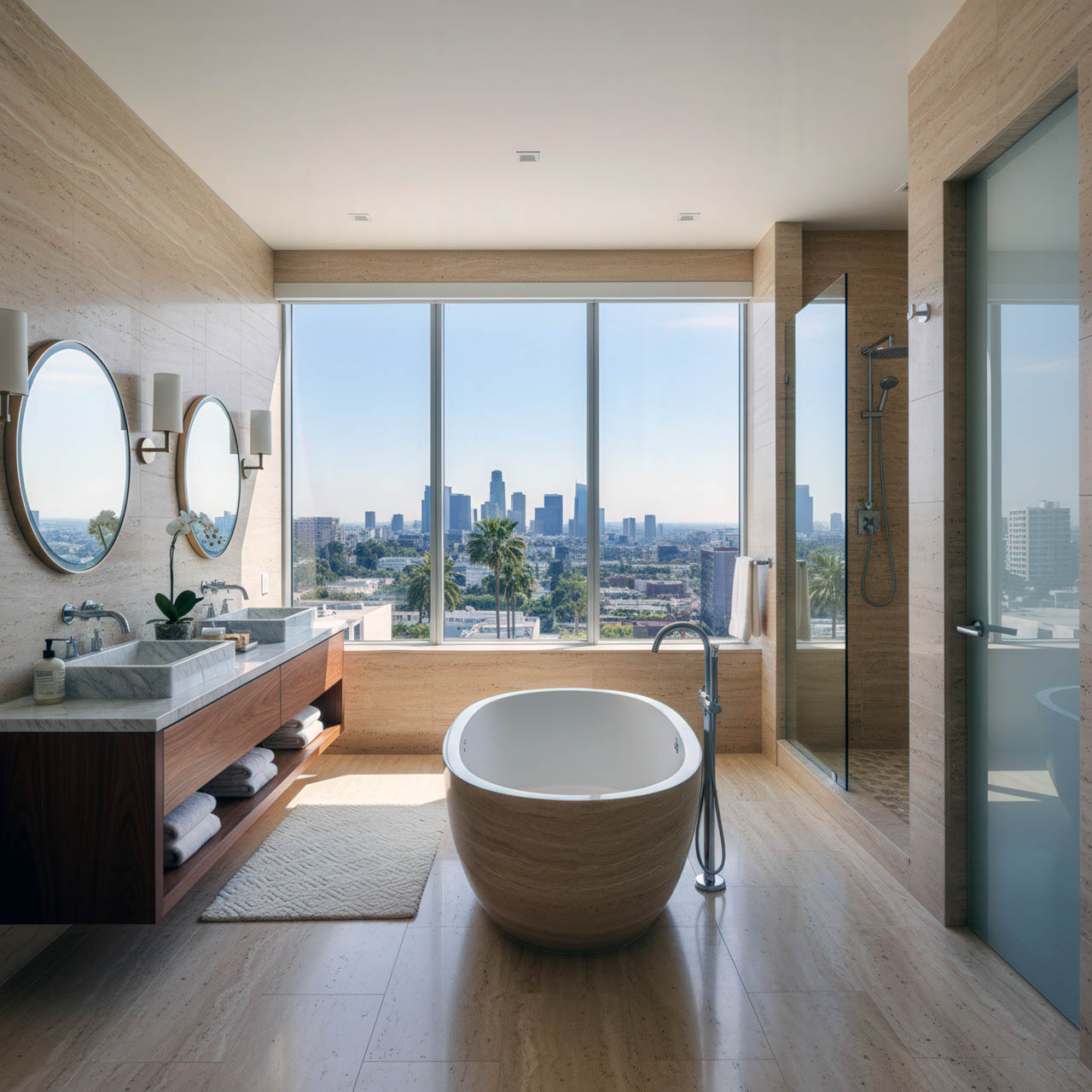
Medium Travertine’s earthy palette is perfect for creating spa-like environments that feel grounded and warm.
-
Feature Bathtubs: Carving “soaking tubs” out of a single massive block of Medium Travertine is a signature move in ultra-luxury 2026 residential design.
-
Cross-Cut vs. Vein-Cut: * Vein-Cut: Sliced parallel to the bedding plane, showing linear, wood-like “grain.”
-
Cross-Cut: Sliced across the bedding, showing a flowery, “cloudy” pattern. Architects use Vein-Cut on walls to add height and Cross-Cut on floors for a sense of expansive space.
-
4. Modern Fireplace Mantels and Hearths
The heat resistance of Travertine makes it an ideal candidate for fireplace surrounds.
-
Floating Hearths: Long, thick slabs of Medium Travertine are used to create cantilevered hearths that act as both a fire safety feature and a sculptural seating element.
-
Textural Contrast: Designers often pair the “Medium” (beige/tan) shade with dark charcoals or blackened steel to create a striking contemporary focal point.
Technical Specification Table
| Property | Value (Average) |
| Density | 2450-2550 kg/m3 |
| Water Absorption | 0.5% – 1.5% (Varies by filling) |
| Compressive Strength | 50-60 MPa |
| Porosity | 8% – 15% (Unfilled) |
2026 Style Pairings: The “Organic Brutalist” Look
To style Medium Travertine in a modern context, architects suggest the following:
-
Hardware: Use Oil-Rubbed Bronze or Matte Black. These provide a sharp, modern “anchor” to the stone’s soft, sandy tones.
-
Textiles: Pair with Bouclé fabrics, Linen, and Jute. The interplay of these natural textures emphasizes the “organic” nature of the travertine.
-
Lighting: Use Warm LEDs (2700K). The yellow and brown minerals in Medium Travertine respond beautifully to warm light, making the space feel cozy and inhabited.
Maintenance Note: While durable, Medium Travertine is sensitive to acids. In 2026, the use of Nano-Sealers is standard practice, allowing the stone to be used in kitchens while protecting it from stains without altering its natural, matte appearance.