Technical Color Analysis Report Muğla Gray Marble
Technical Color Analysis Report: Muğla Gray Marble
This report provides a technical breakdown of the color distribution and characterization for the marble sample identified as Muğla Gray. This variety is a quintessential Turkish marble known for its soft, cloud-like transitions and crystalline structure.
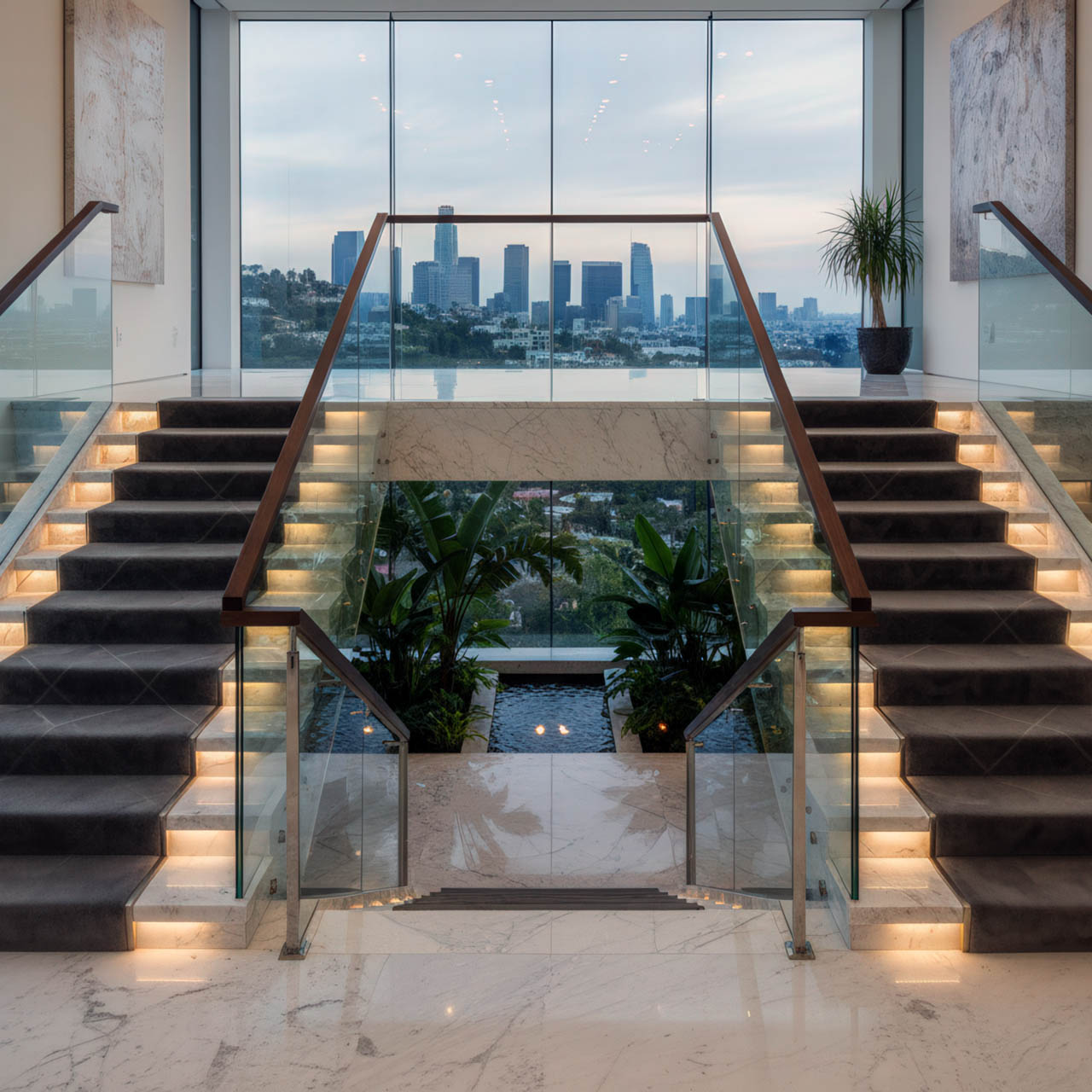
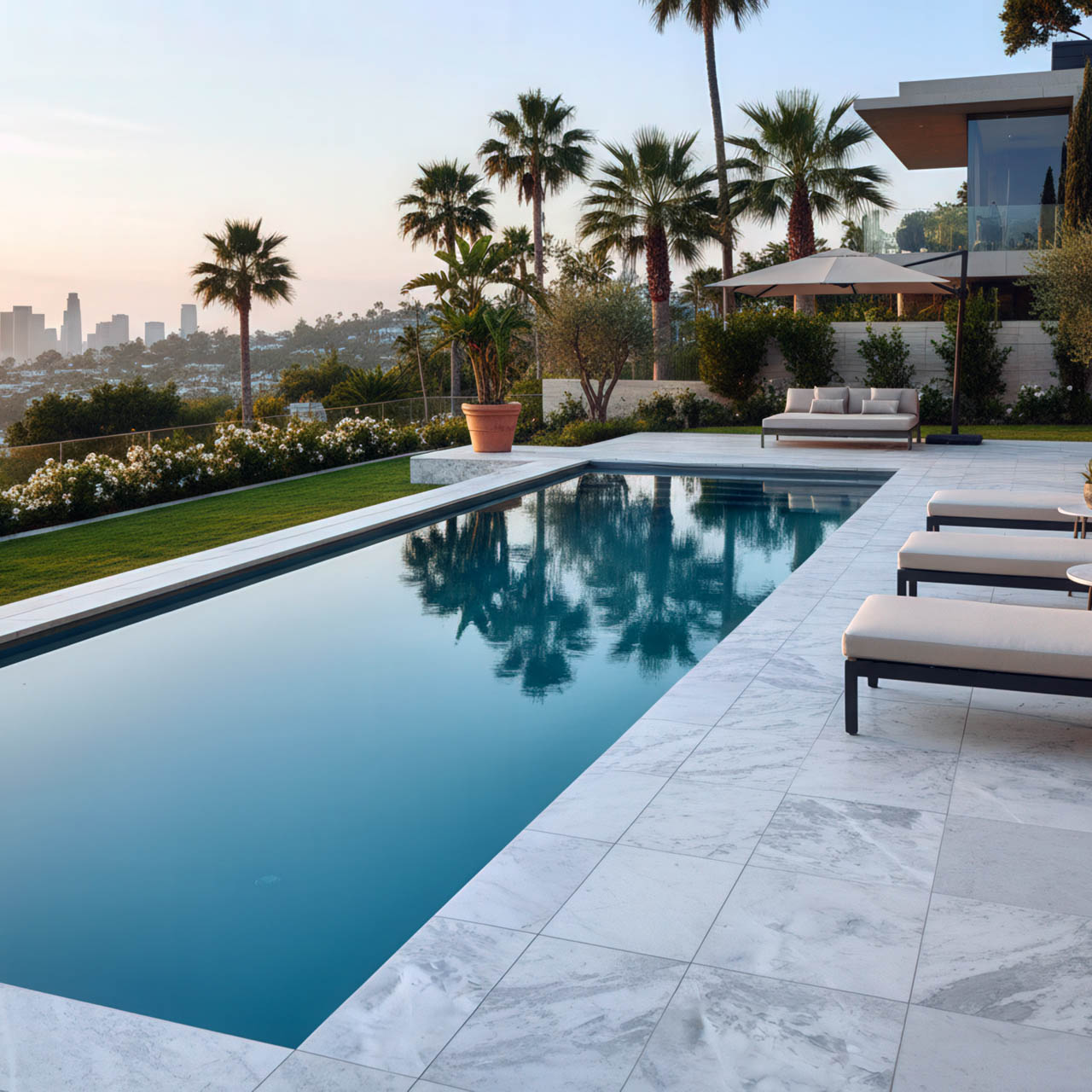
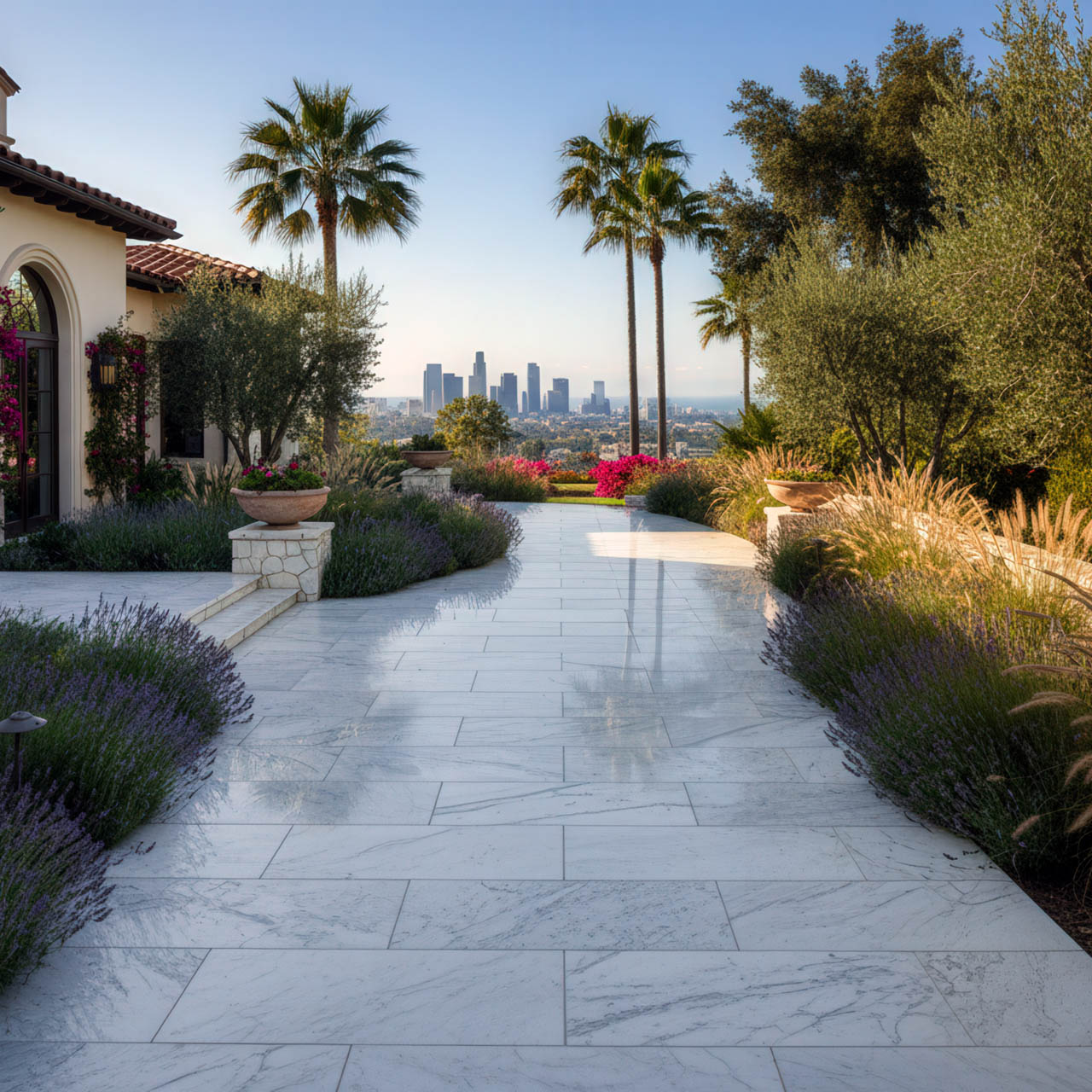
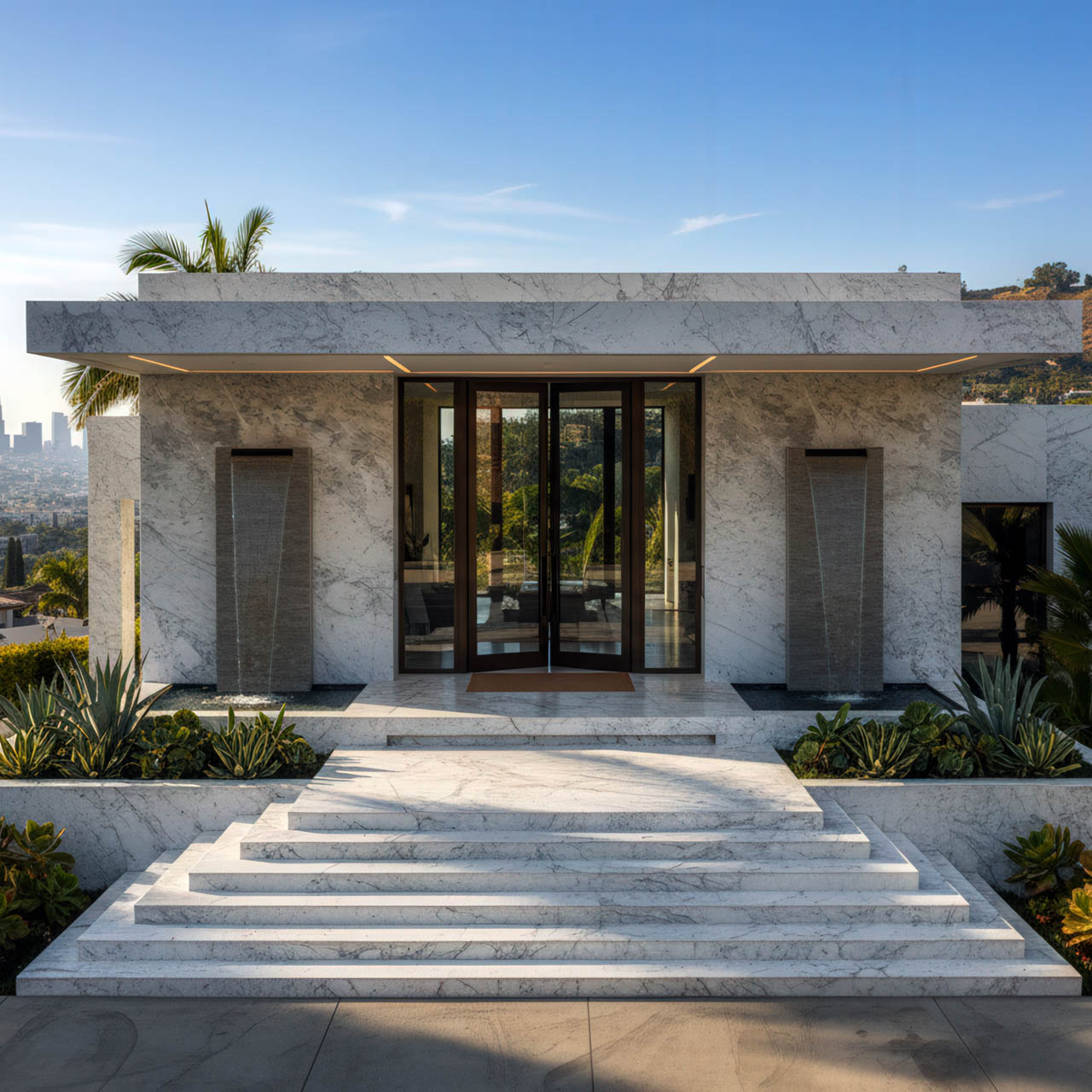
-
Visual Characterization
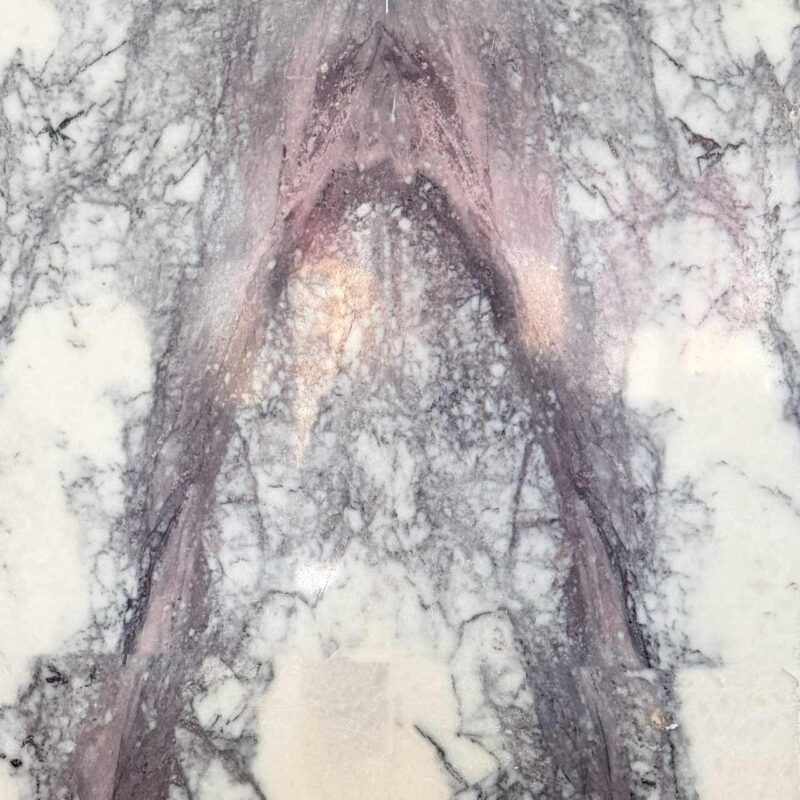
The specimen exhibits a brecciated and flow-like morphology. The background is primarily a cool-toned white-to-light-gray matrix, interspersed with medium-gray “smoke” veining and occasional sharp, linear white calcite streaks. The texture is homogeneous in its distribution of minerals, providing a balanced visual weight across the slab.
-
Chromatic Distribution & Area Ratio
Based on a digital pixel-area analysis of the provided reference, the color composition is categorized into four primary zones:
| Color Component | Description | HEX Code | Est. Area Ratio |
| Primary Matrix | Pale Ash / Off-White | #E2E4E5 | 55% |
| Secondary Veining | Misty Gray / Smoke | #BCC0C4 | 30% |
| Deep Accents | Charcoal / Steel Gray | #8A8E92 | 10% |
| Calcite Streaks | High-Luminance White | #F2F3F4 | 5% |
-
Technical Color Metrics
- Dominant Base: The base sits in the Cool Neutral spectrum. It lacks significant yellow or beige undertones (low “creamy” factor), making it ideal for contemporary architectural applications.
- Contrast Ratio: Low to Medium. The transitions between the #E2E4E5 matrix and #BCC0C4 veining are blurred, creating a “soft-focus” effect rather than high-contrast jagged patterns.
- Luminance (Y): High. The overall high reflectance of the slab indicates a high calcium carbonate content, which translates to a bright appearance under both 3000K (Warm) and 5000K (Daylight) lighting.
-
Summary of Aesthetic Impact
The Muğla Gray presents a sophisticated, monochromatic palette. The high percentage of the Primary Matrix (55%) ensures that the stone remains bright in large-scale floor or wall installations, while the 30% Secondary Veining provides enough movement to mask minor surface dust or wear.
The Modernist Appeal of Mugla Gray Marble in Contemporary Architecture
Mugla Gray Marble, also known as Mugla Grey or Emperador Gray, is a high-density natural stone extracted from the Aegean region of Turkey. While its cousin, Mugla White, is celebrated for its purity, Mugla Gray is prized for its “stormy” aesthetic. It features a sophisticated smoky-gray background often characterized by light-gray clouds and fine, spider-like white veining.
For architects, Mugla Gray represents a transition from the starkness of white marble to the moody, grounded feel of industrial materials, all while maintaining the luxurious texture of natural stone.
1. High-Traffic Interior Flooring
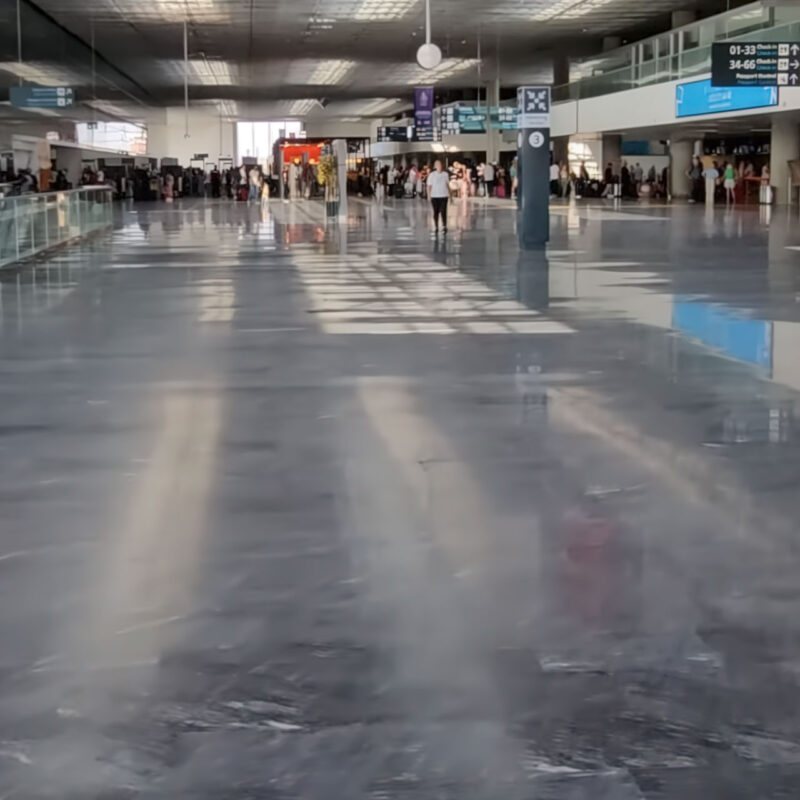
Mugla Gray is one of the most practical marbles for high-traffic environments. Its medium-to-dark gray tones are exceptionally efficient at masking minor dust, footprints, and wear, which can be more visible on white or black stones.
-
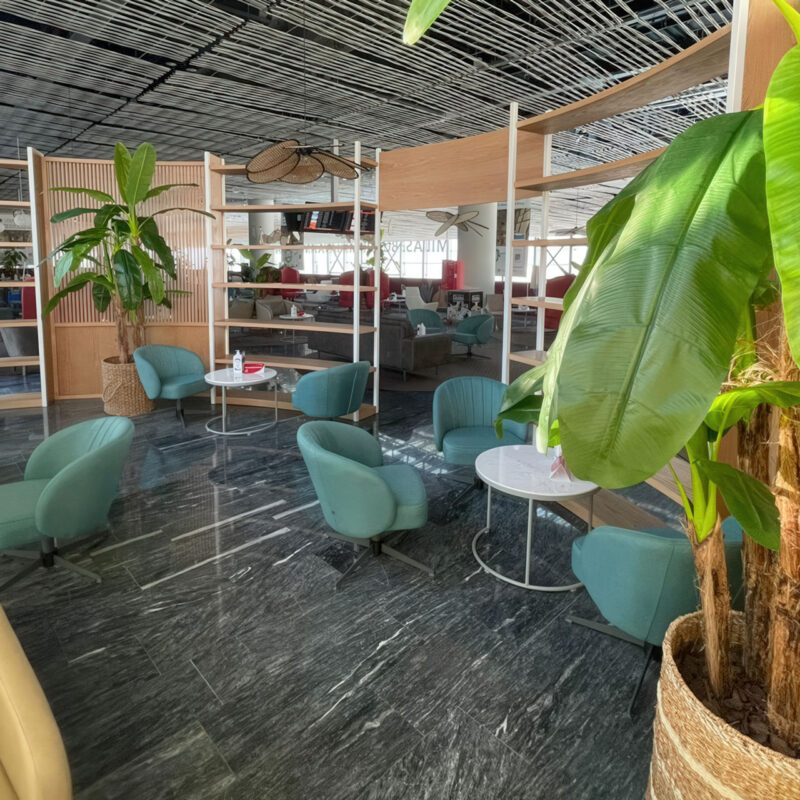
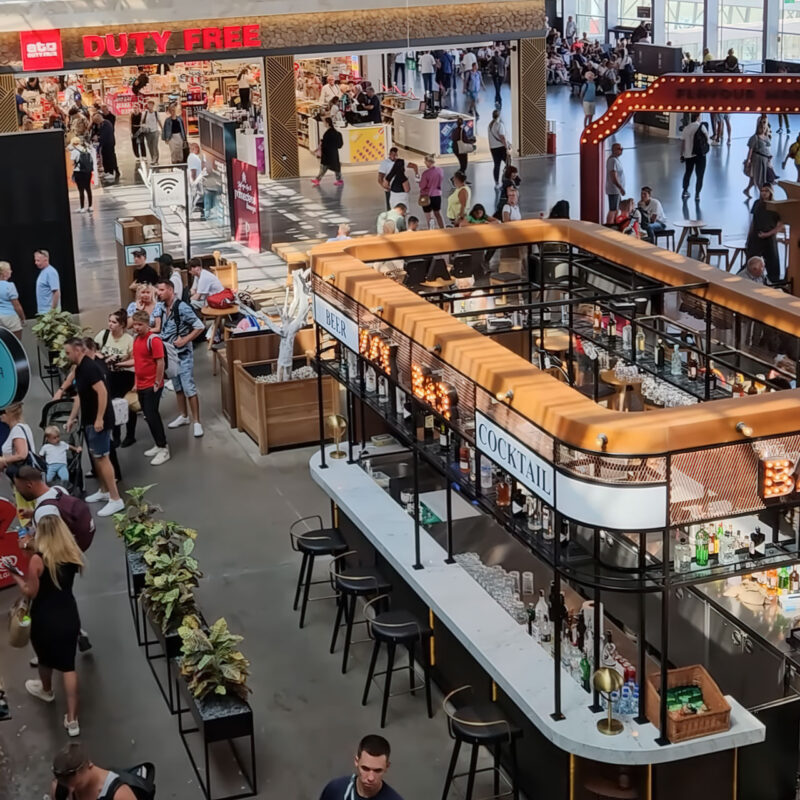
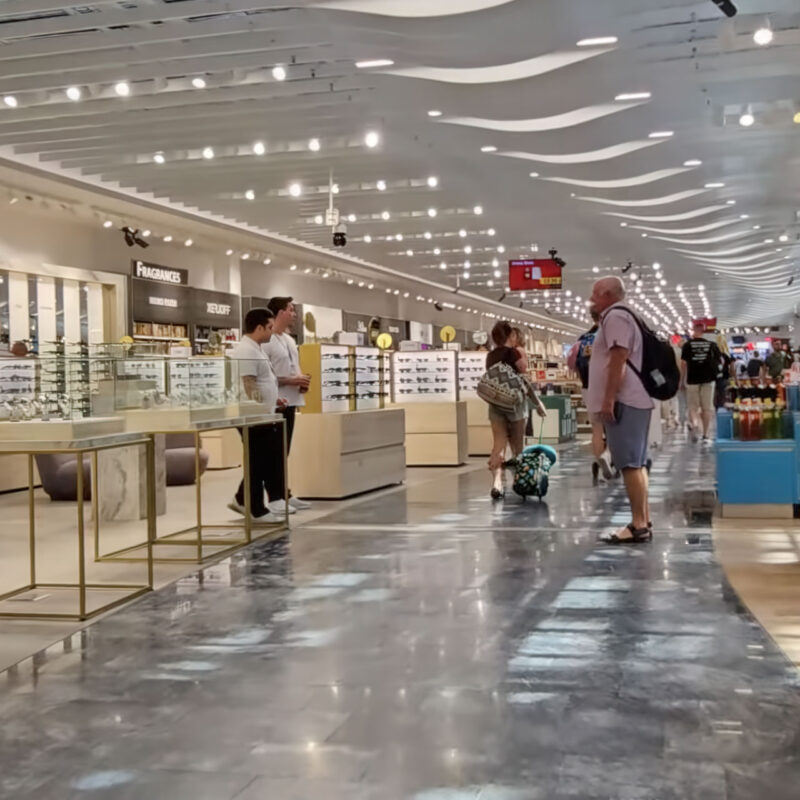
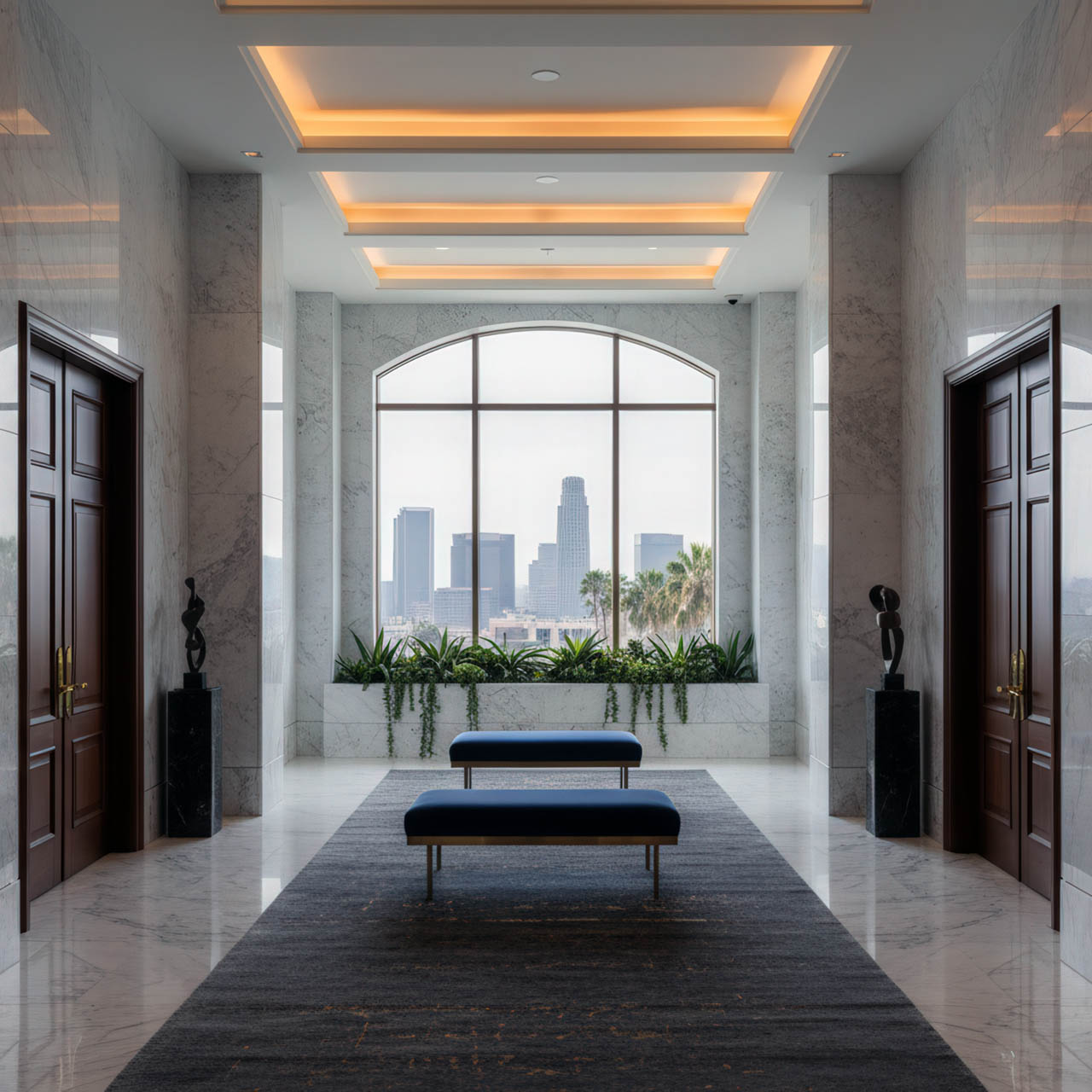
Commercial Atriums: Architects often specify Mugla Gray for airport lounges and shopping centers because it maintains a polished, “executive” look with lower maintenance requirements.
-
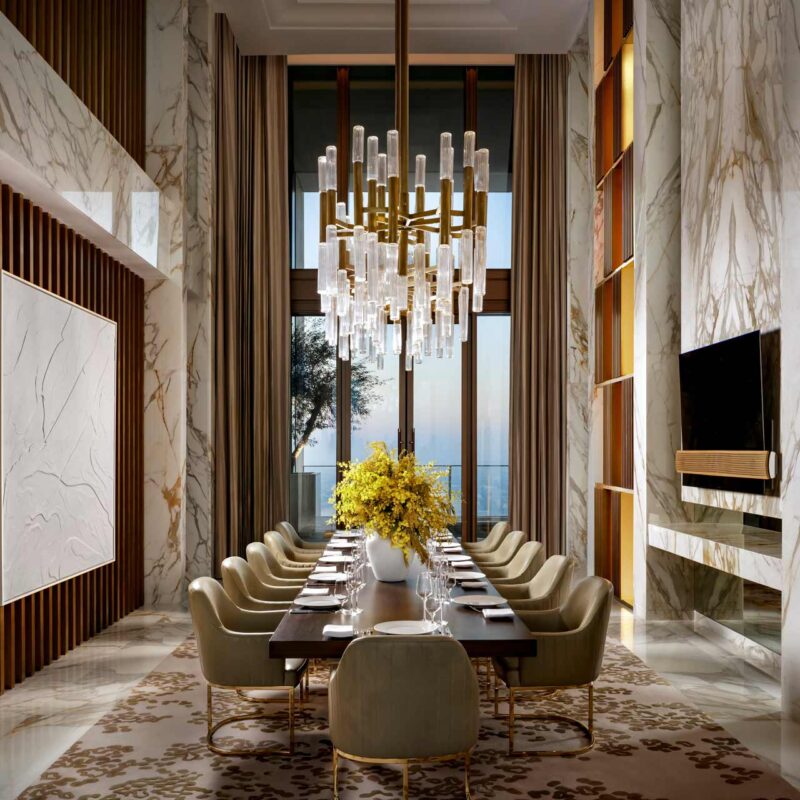
Open-Plan Residential: In modern homes, it provides a neutral, cool-toned foundation that anchors bright furniture and expansive glass walls.
2. Dynamic Wall Cladding and Feature Panels
The visual movement in Mugla Gray is more chaotic and organic than linear stones, making it a favorite for vertical surfaces that require texture.
-
Book-Matched Lobbies: When slabs are book-matched, the swirling gray veins create a dramatic “Rorschach” effect that can serve as the primary artwork in a luxury hotel reception.
-
External Ventilated Facades: Because it is a dense, frost-resistant stone, Mugla Gray is increasingly used as a facade material. It offers a sleek, monolithic appearance that mimics the look of concrete but with the prestigious depth of marble.
3. Culinary and Bar Applications
Mugla Gray’s smoky palette makes it a premier choice for “moody” kitchen and bar designs.
-
Kitchen Islands: A polished Mugla Gray island acts as a bold centerpiece, especially when paired with light wood cabinetry or matte black fixtures.
-
Bar Tops: In hospitality design, this marble is favored for bar tops because its busy pattern and darker color are more forgiving of the occasional citrus spill or glass ring compared to lighter marbles.
4. Sophisticated Bathroom Sanctuaries
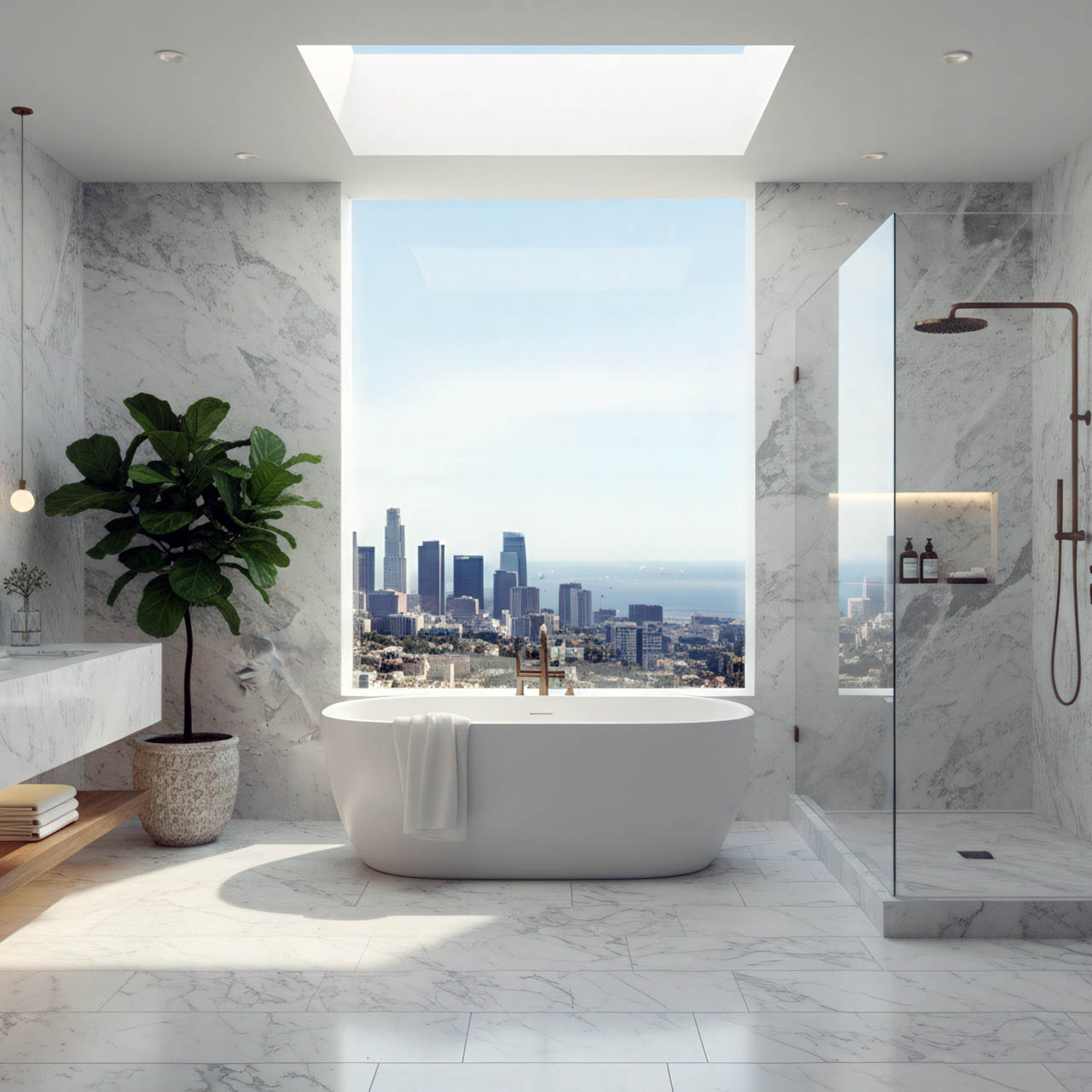
Designers use Mugla Gray to move away from the “all-white” bathroom trend toward a more spa-like, masculine aesthetic.
-
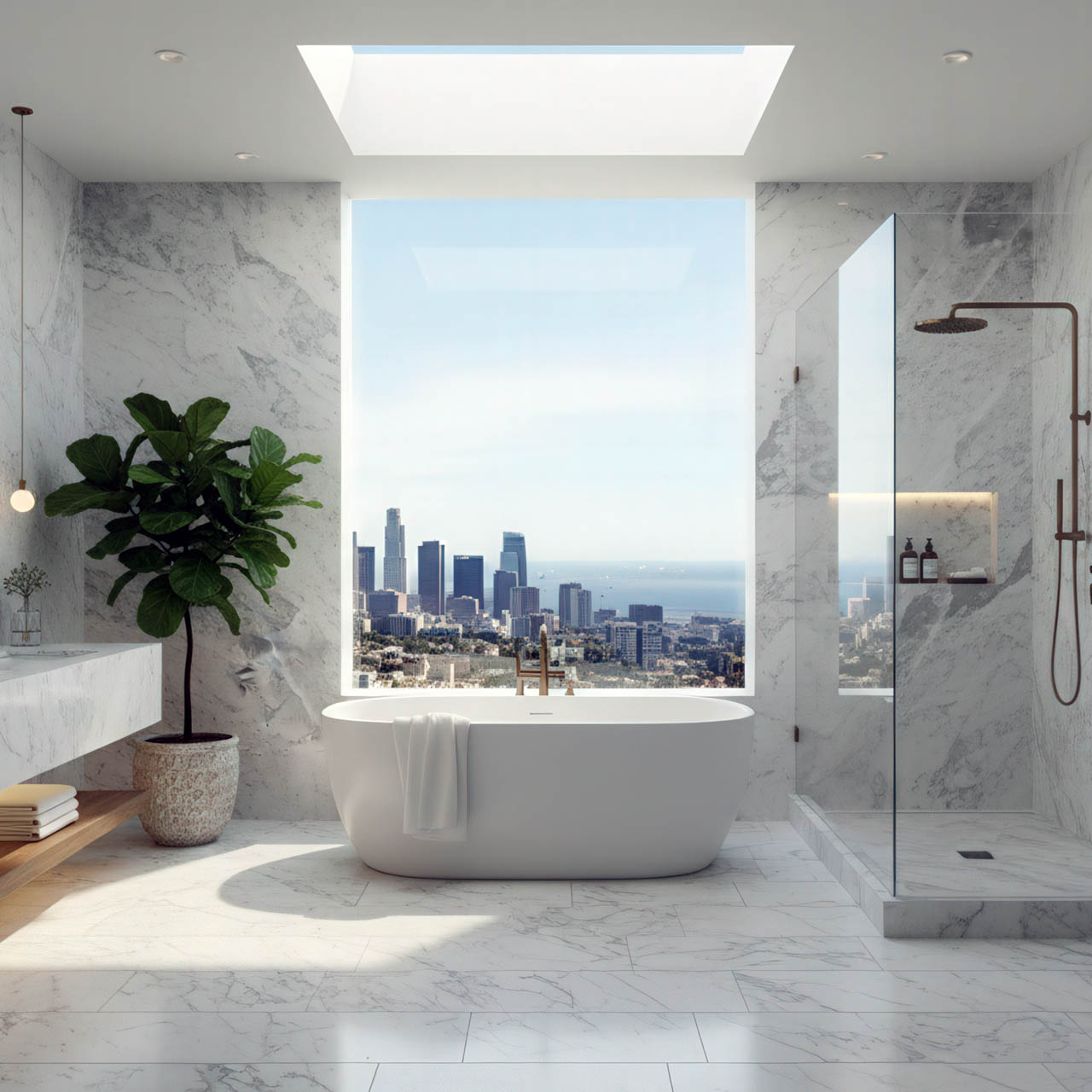
Integrated Wet Rooms: The stone’s low water absorption makes it suitable for full-wall shower cladding. When used in a honed finish, it provides a velvet-like texture that feels warm to the touch.
-
Carved Basins: Its structural integrity allows for the creation of heavy, rectangular block sinks that highlight the stone’s solid, permanent nature.
5. Architectural Accents and Staircases
Mugla Gray is often used to define the “circulatory system” of a building—its stairs and hallways.
-
Monolithic Stairs: Thick slabs of Mugla Gray used as stair treads create a sense of solidity. When the edges are polished, the white veins wrap around the corners, emphasizing the 3D volume of the stone.
-
Fireplace Surrounds: The heat-resistant properties of Mugla Gray make it ideal for modern, minimalist hearths where a sleek, non-combustible material is required.
Technical Specifications at a Glance
| Property | Value/Characteristic | Architectural Advantage |
| Density | 2730 kg/m3 | Higher density than many white marbles; extremely durable. |
| Water Absorption | 0.15% | Low porosity; resists staining and frost damage. |
| Compressive Strength | 110 MPa | Ideal for heavy load-bearing flooring and structural steps. |
| Common Finishes | Polished, Honed, Leathered | Leathered finishes provide a unique, “antique” tactile feel. |
Conclusion
Mugla Gray Marble is the ideal choice for architects seeking a “middle ground” in their palette. It offers the timeless prestige of marble but with a contemporary, industrial color profile that complements the steel, glass, and concrete found in 21st-century design. Its resilience and ability to mask the traces of daily life make it as functional as it is beautiful.