Technical Color Evaluation Spider Gray Marble
Technical Color Evaluation Spider Gray Marble
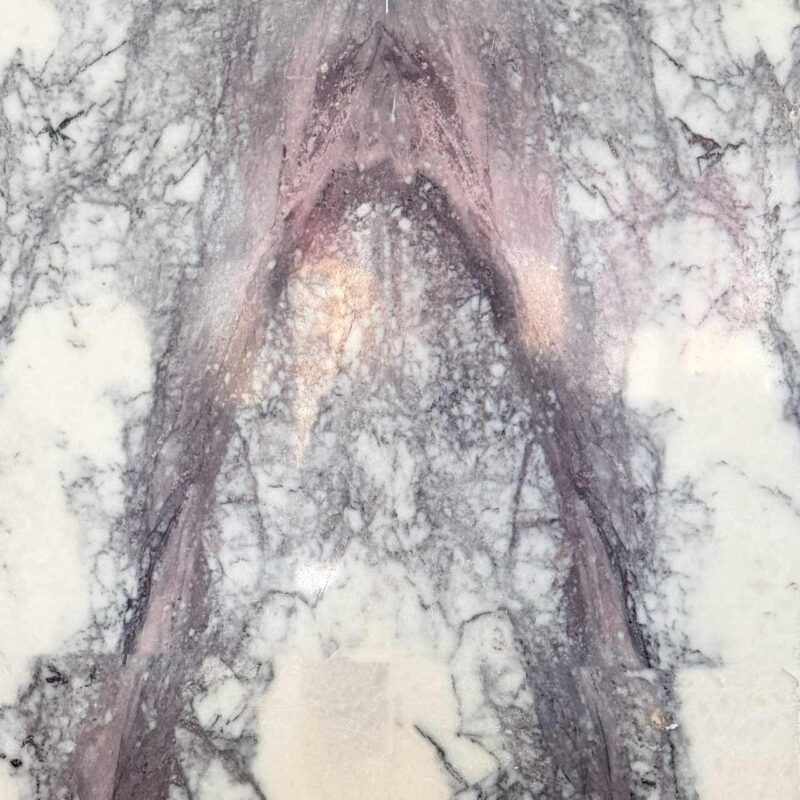
This technical report analyzes the chromatic composition and surface characteristics of the “Spider Gray” marble specimen provided in the reference image. This variety is characterized by a sophisticated interplay between a dominant calcitic base and a secondary network of crystalline venation.
Chromatic Composition Analysis
The surface displays a medium-to-high level of color consistency with a “clouded” or “smoky” distribution. The palette is strictly neutral, ranging from desaturated taupe-grays to brilliant white silicates.
| Color Component | Hex Code | Tonal Description | Estimated Surface Area (%) |
| Primary Base | #91867D | Warm-toned Slate Gray / Taupe | 65% |
| Secondary Shading | #BDB5AD | Pale Ash / Light Stone | 25% |
| Venation/Accents | #E8E6E3 | Off-White / Silver-White | 10% |
Technical Surface Observations
- Background Matrix: The primary matrix consists of a dolomitic gray with subtle earthy undertones. The color transitions are soft, creating a depth effect often referred to as “depth of field” in polished stone.
- Vein Morphology: The “Spider” moniker is derived from the Linear Crystalline Veining. These veins are predominantly white and vary in thickness from hairline (0.5mm) to 3mm. They intersect at irregular angles, mimicking a web-like structure.
- Color Saturation: The stone exhibits very low saturation (Chroma), which is a desirable trait for architectural neutrality. This allows the material to adapt to both cool-toned (concrete/steel) and warm-toned (wood/brass) design environments.
- Light Reflectance Value (LRV): Based on the tonal distribution, the estimated LRV is approximately 35-40%. This places it in the “Medium-Light” category, providing good contrast against darker structural elements without absorbing excessive ambient light.
Architectural Application Notes
The balanced ratio of the taupe-gray base (65%) to the light accents (35% combined) makes this material particularly effective for large-scale cladding where visual fatigue must be avoided. The white venation provides the necessary “movement” to prevent the surface from appearing monolithic or synthetic.
The Versatility of Spider Gray Marble in Modern Architecture
Spider Gray Marble, primarily quarried in Turkey, has become a staple in high-end architectural design. Known for its earthy gray base and the intricate, “spiderweb” veining that dances across its surface, it offers a unique balance between industrial coolness and organic complexity.
While it is visually striking, its application is guided by its physical properties: a smooth, fine-grained texture and a hardness of approximately 3 on the Mohs scale. This makes it an ideal candidate for a variety of interior and exterior uses where elegance is the priority.
1. Interior Flooring and Large-Scale Surfaces
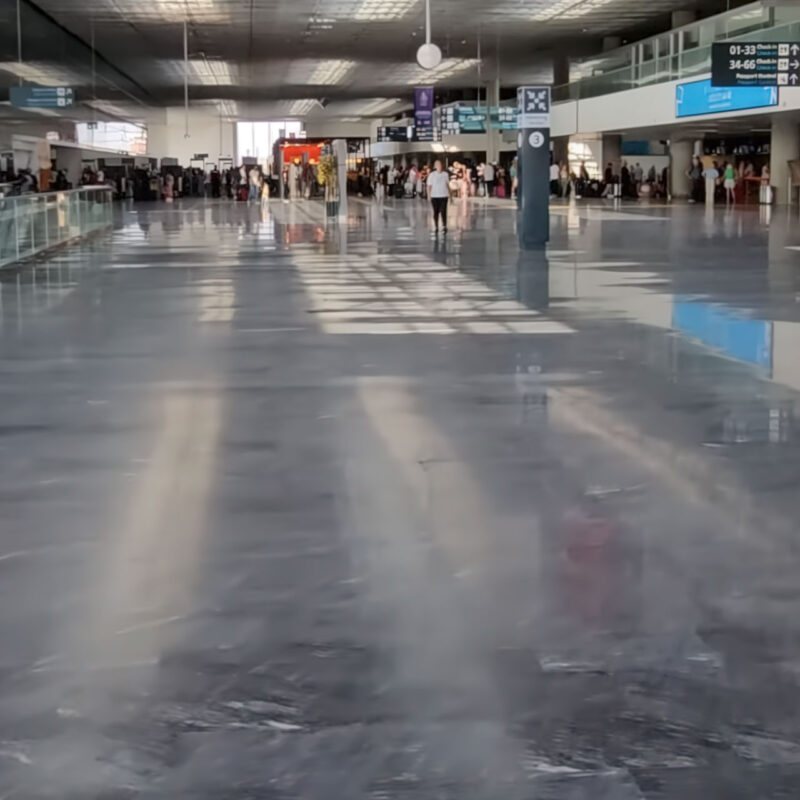
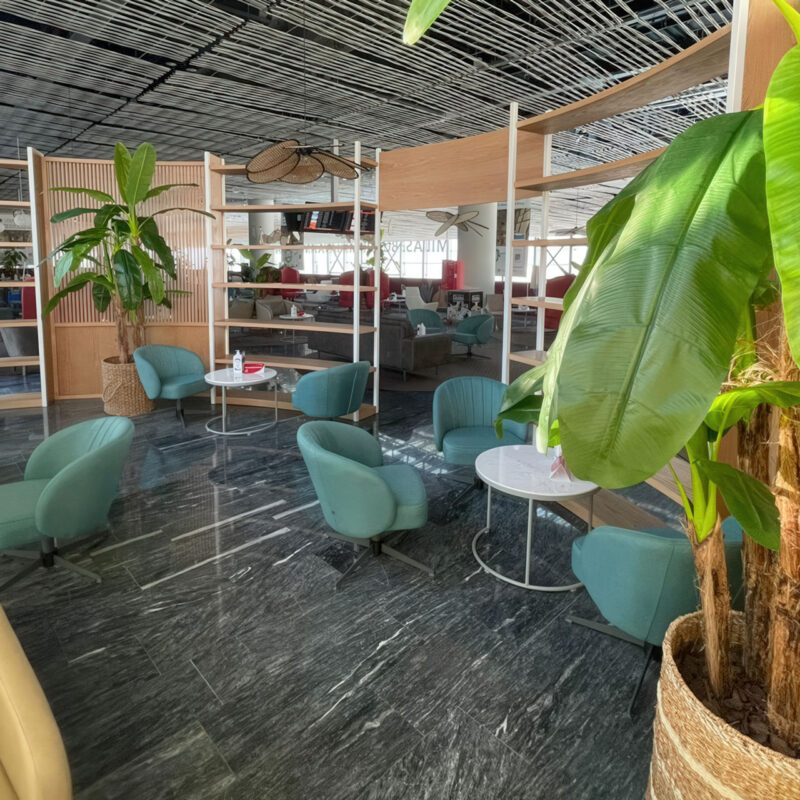
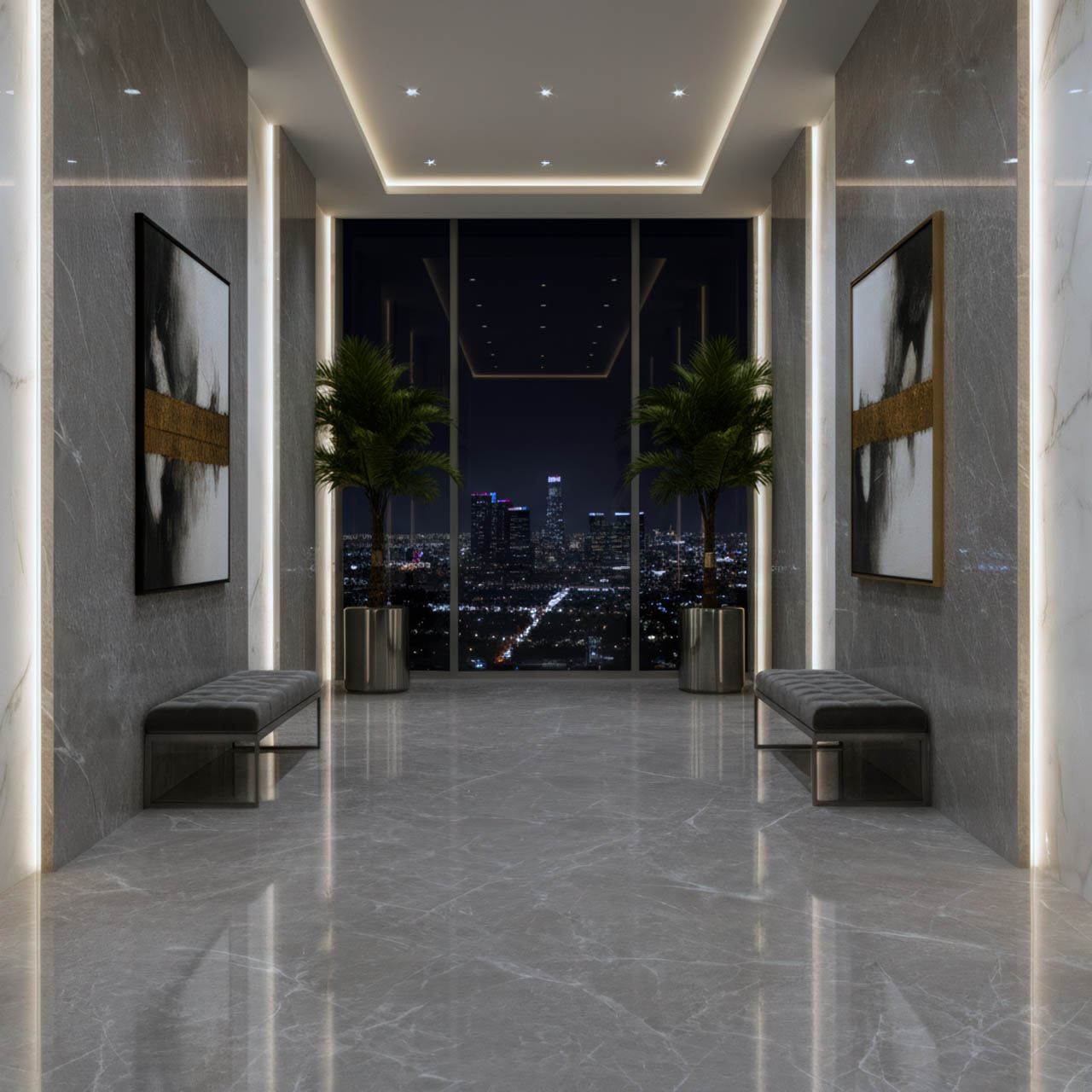
One of the most common applications for Spider Gray Marble is high-traffic interior flooring. Because the gray tones are neutral, they provide a sophisticated backdrop that doesn’t overwhelm other design elements.
-
Luxury Residential: Used in foyers and living areas to create a sense of continuity.
-
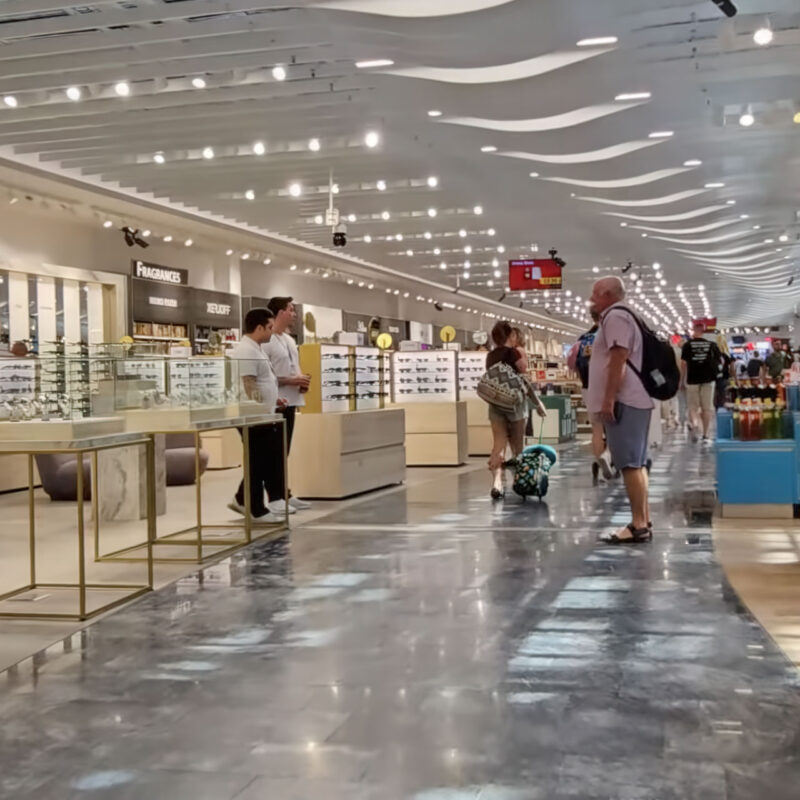
Commercial Lobbies: Its ability to take a high polish makes it a favorite for hotel lobbies and office buildings, where it reflects light and enhances the sense of space.
2. Wall Cladding and Feature Walls
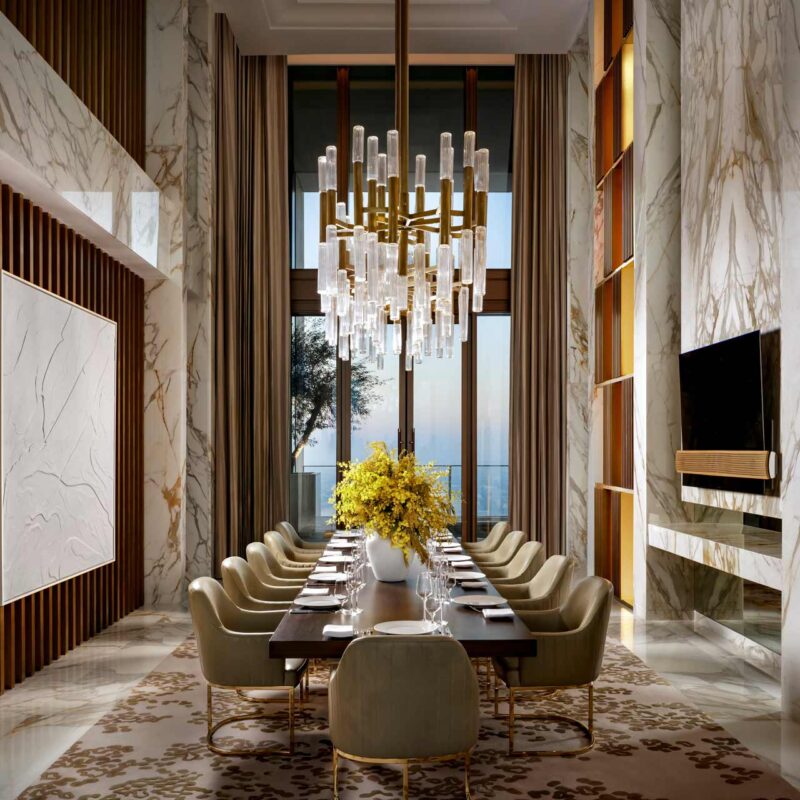
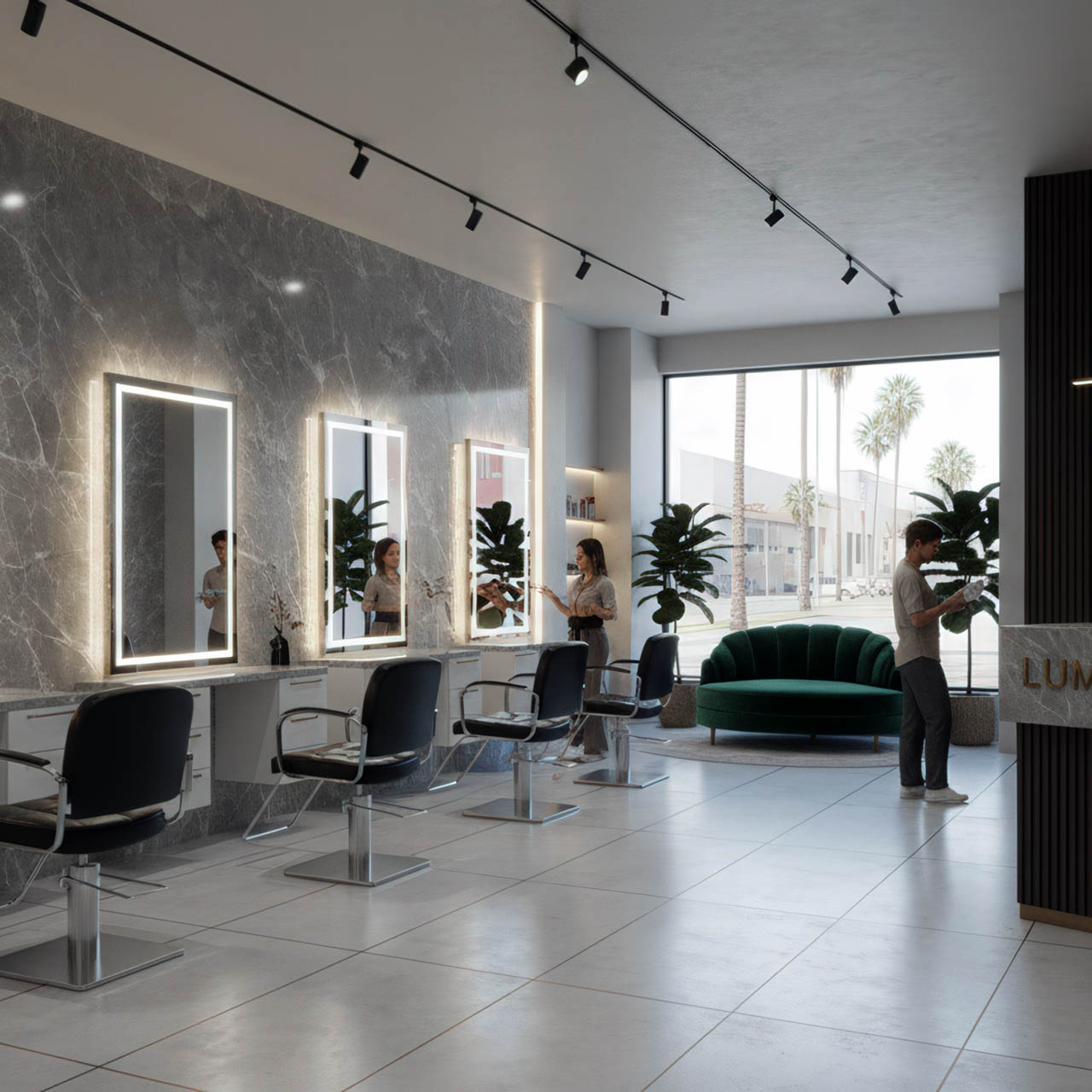
Architects frequently use Spider Gray Marble for vertical surfaces to highlight its dramatic veining.
-
Book-matching: Because the spiderweb patterns are so distinct, slabs can be “book-matched” (placed side-by-side to mirror each other), creating a symmetrical, Rorschach-like art piece on a feature wall.
-
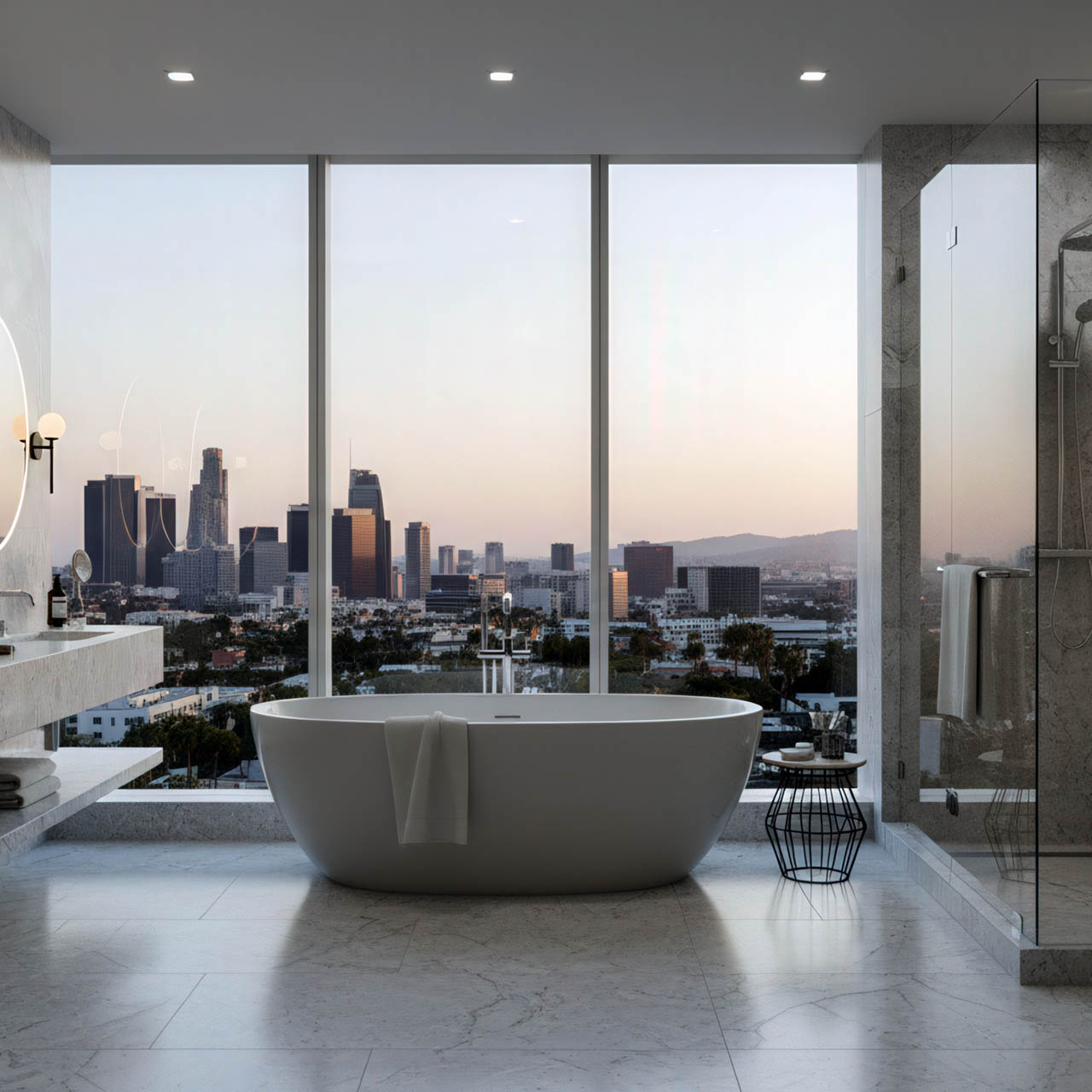
Bathroom Surrounds: It is a popular choice for full-height wall cladding in showers or behind vanities, offering a spa-like, minimalist aesthetic.
3. Culinary and Sanitary Surfaces
Despite being a softer stone than granite, Spider Gray is widely used for countertops and vanities when properly sealed.
-
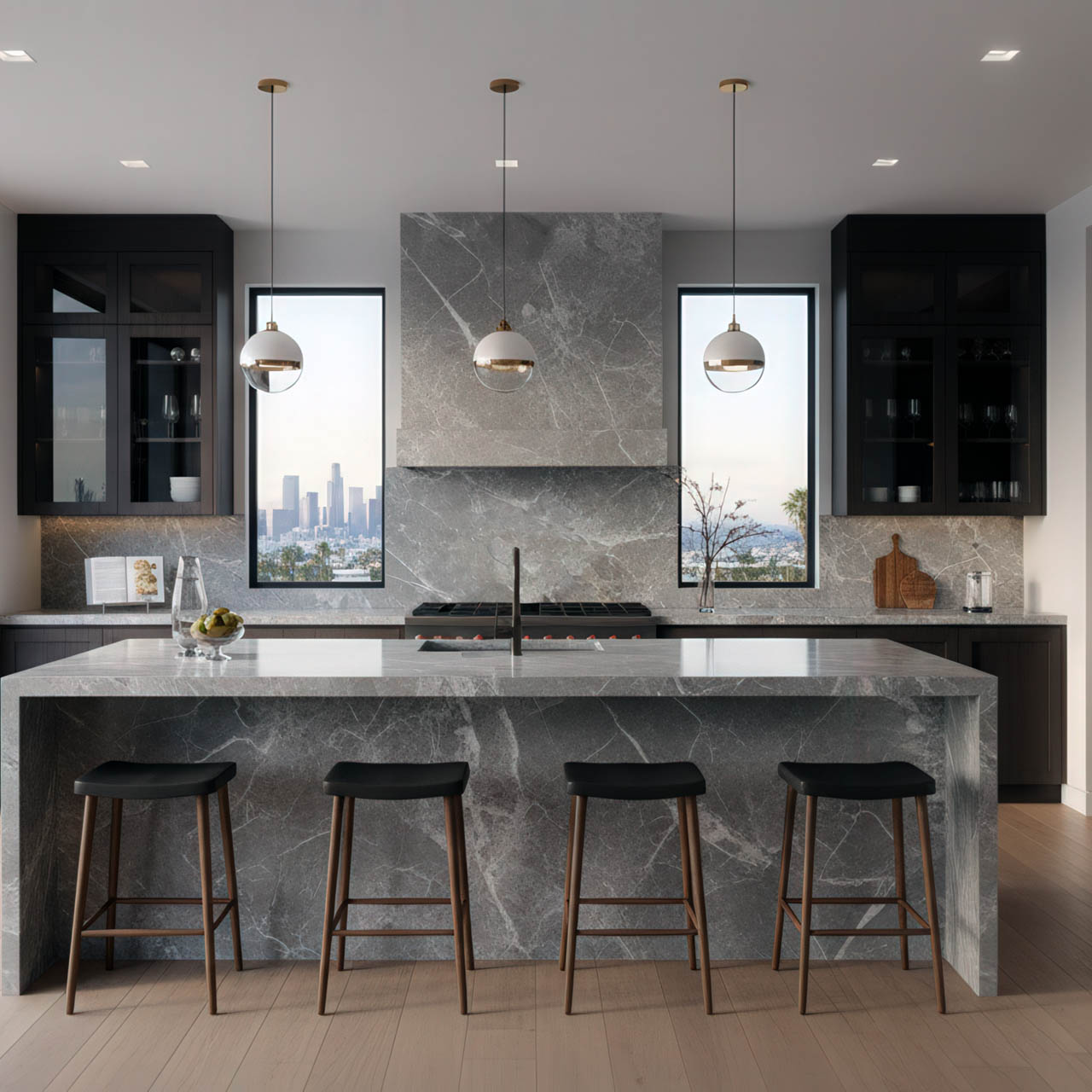
Kitchen Island Focal Points: The web-like patterns make a kitchen island look like a piece of sculpture.
-
Custom Sinks: Many modern designs involve carving the marble into integrated sinks for a seamless, monochromatic look in high-end bathrooms.
4. Exterior and Landscaping
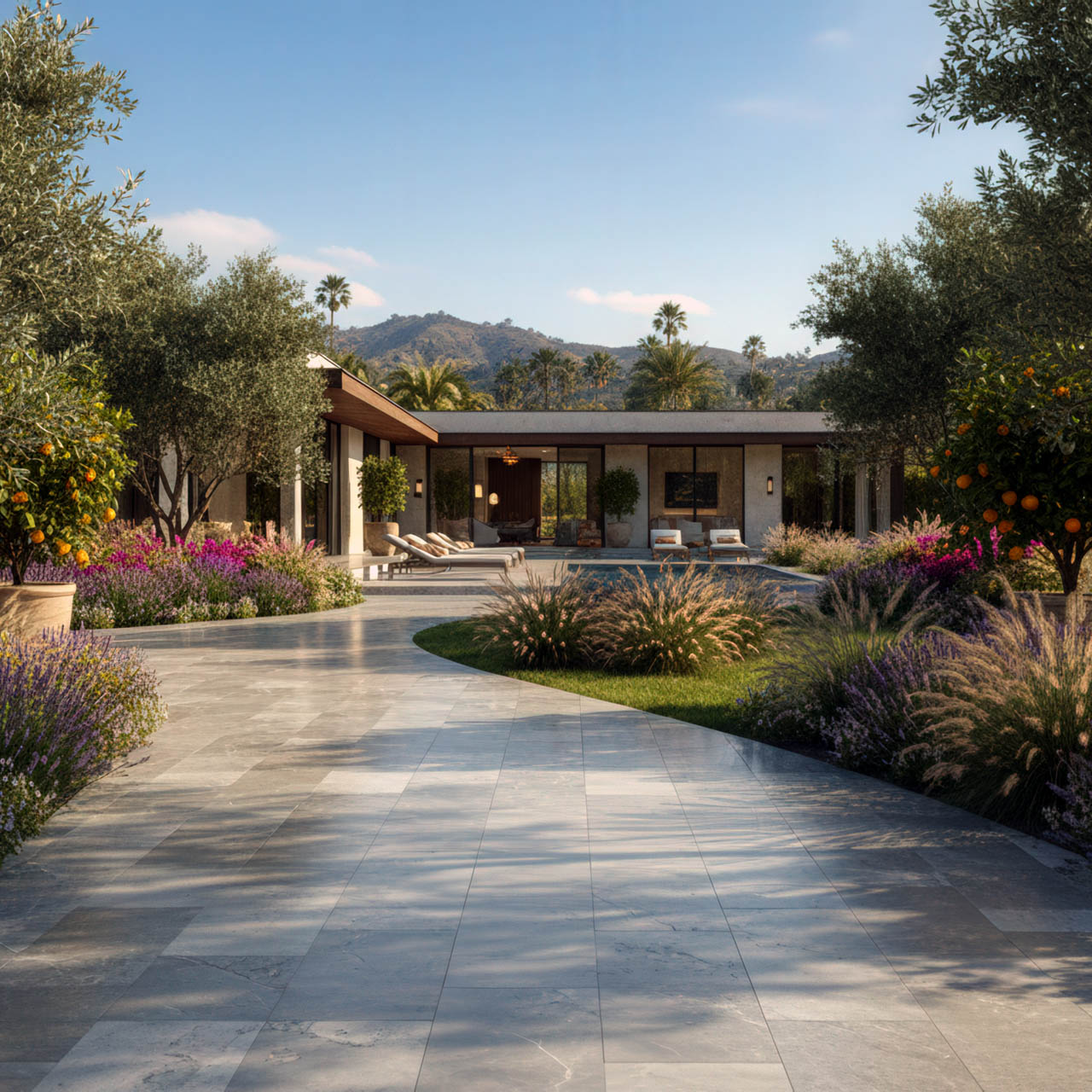
Unlike some more porous marbles, Spider Gray is remarkably resilient. It is often utilized in exterior settings, though it requires specific finishing (like honed or leathered) to prevent slipping.
-
Facade Accents: Used as exterior wall panels to give a building a prestigious, modern facade.
-
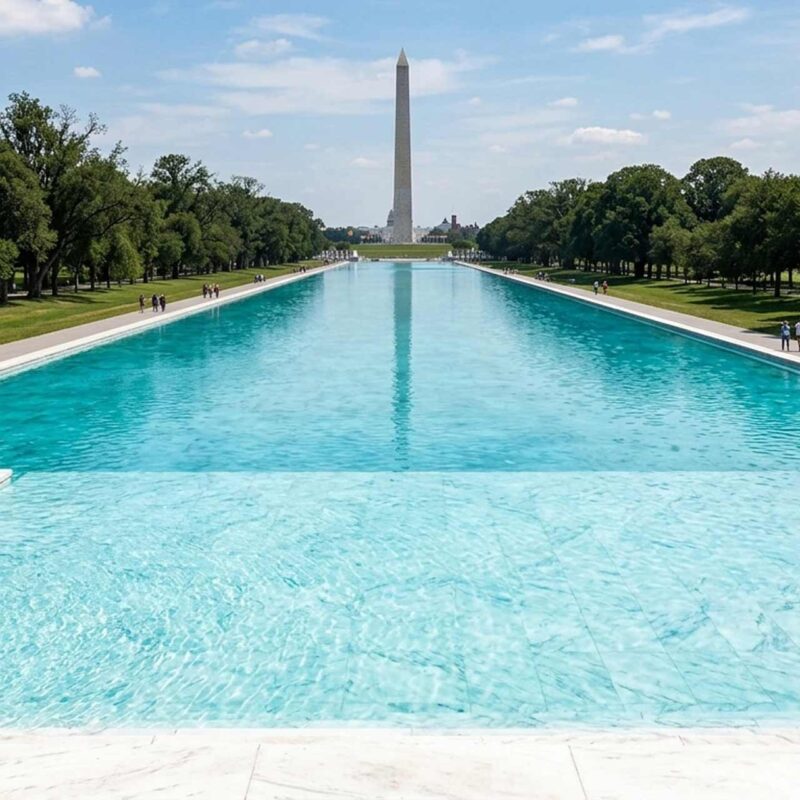
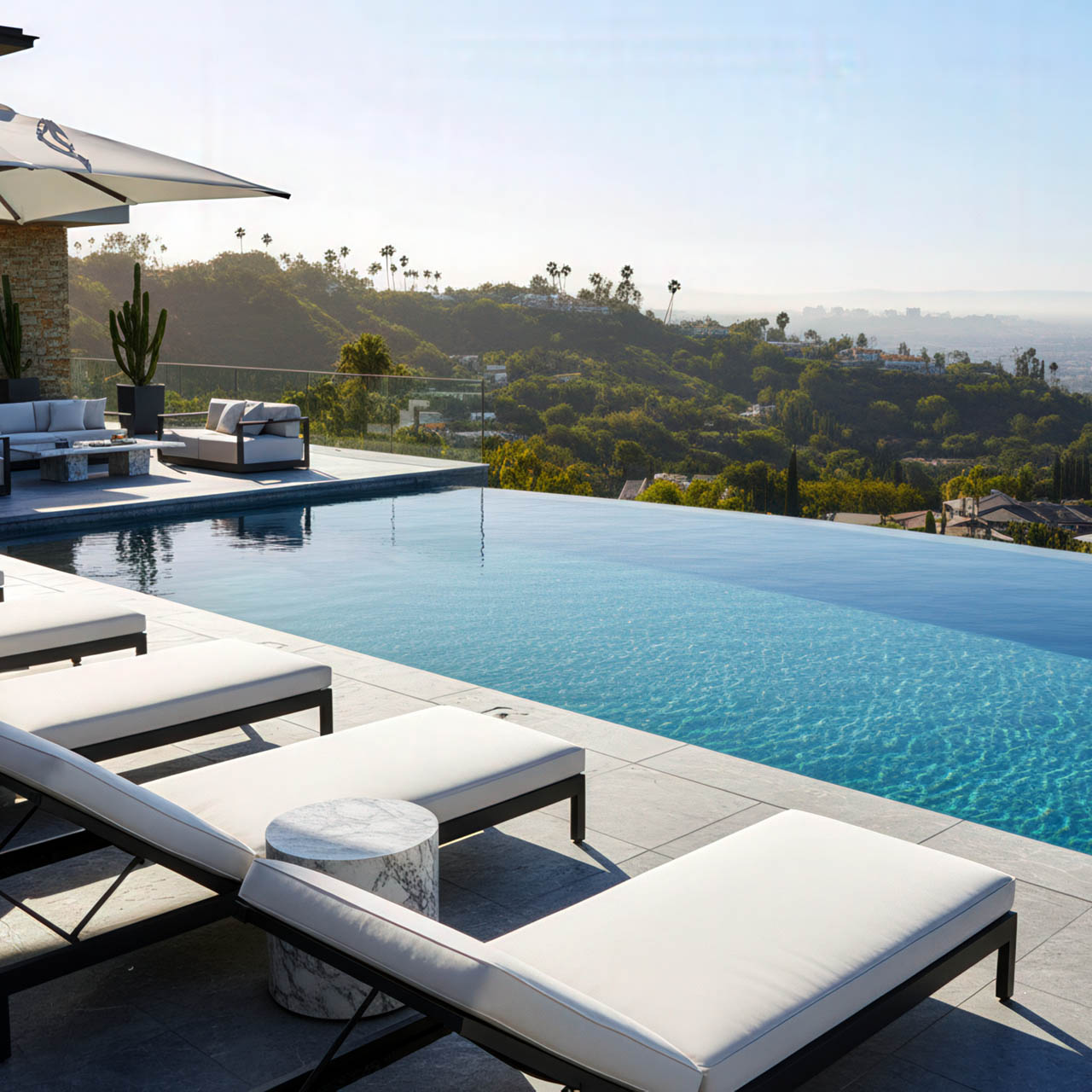
Pool Coping and Patios: Its natural resistance to heat makes it comfortable for bare feet, while its gray tones complement the blues of pool water perfectly.
-
Cold Climates: It can be used in exterior applications in colder regions, provided it is treated to handle freeze-thaw cycles.
5. Architectural Accents and Furniture
Beyond the structure itself, Spider Gray is a favorite for the “finishing touches” that tie a room together.
-
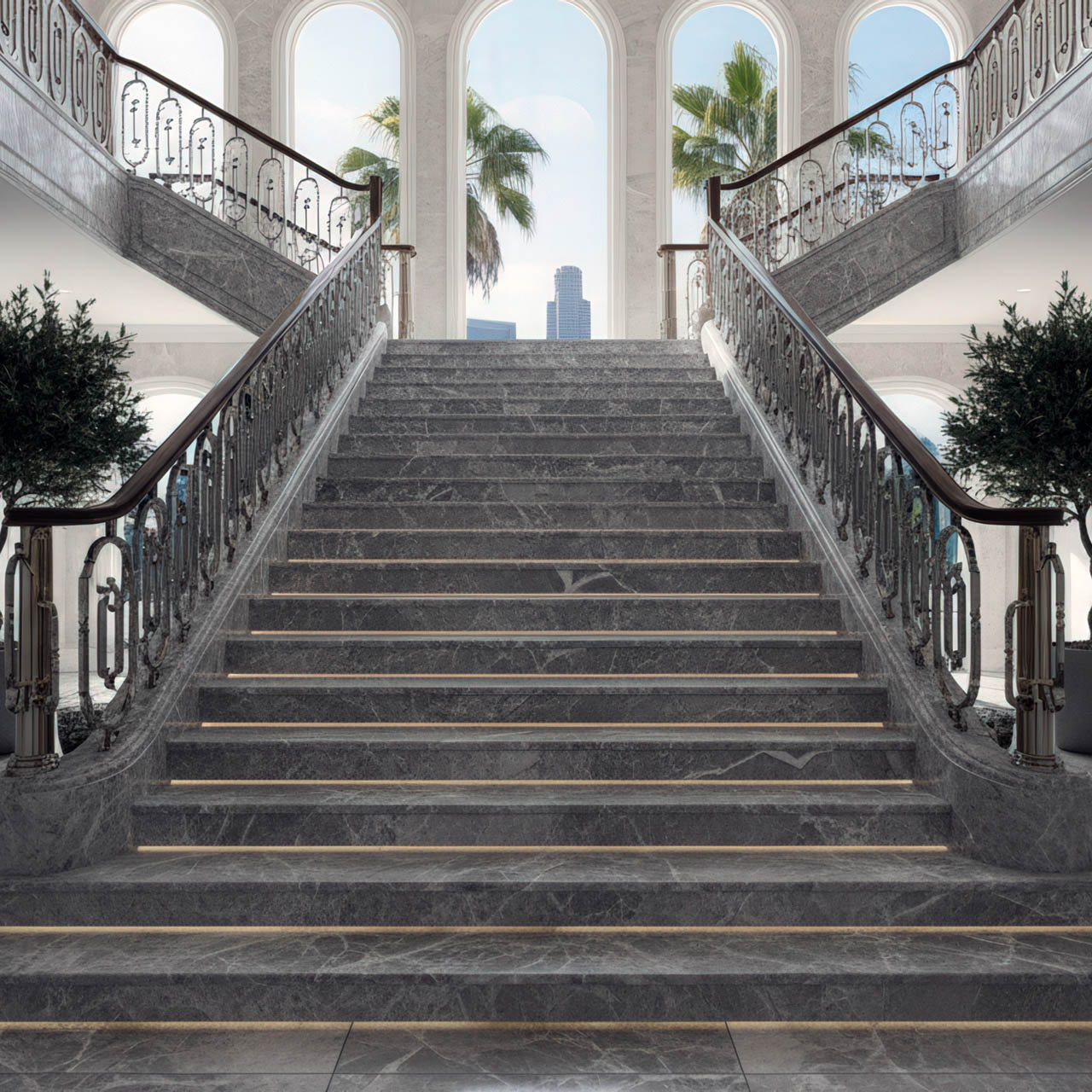
Staircases: Both indoor and outdoor staircases benefit from the stone’s durability and visual depth.
-
Fireplace Surrounds: The stone’s heat resistance and dramatic patterns make it a natural fit for hearths and mantels.
-
Furniture Design: It is increasingly common to see Spider Gray used for bespoke dining tables, coffee tables, and even ornamental monuments.
Comparison of Finishes
| Finish | Best Use Case | Aesthetic Effect |
| Polished | Interior Floors, Countertops | High shine, deepens the gray tones and makes veins pop. |
| Honed | Bathrooms, High-traffic areas | Matte finish, slip-resistant, offers a more contemporary look. |
| Leathered | Feature Walls, Outdoor Accents | Textured feel, hides fingerprints and water spots well. |
Conclusion
Spider Gray Marble is more than just a building material; it is a design tool. Whether it is used to anchor a room with a solid floor or to serve as a dramatic focal point on a wall, its unique webbed patterns ensure that no two installations are ever identical.