Technical Color Evaluation Report Tavas Gray Marble
Technical Color Evaluation Report Tavas Gray Marble
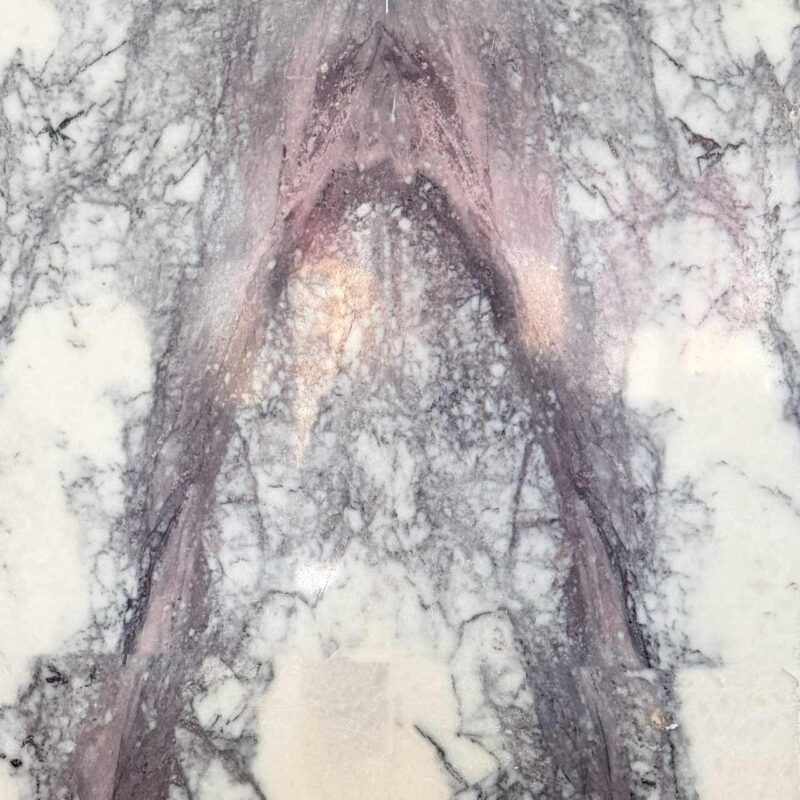
This report provides a technical breakdown of the chromatic composition and surface characteristics of the provided Tavas Gray marble sample. This stone is characterized by a high-degree of brecciation and a complex, clouded “smoke” texture.
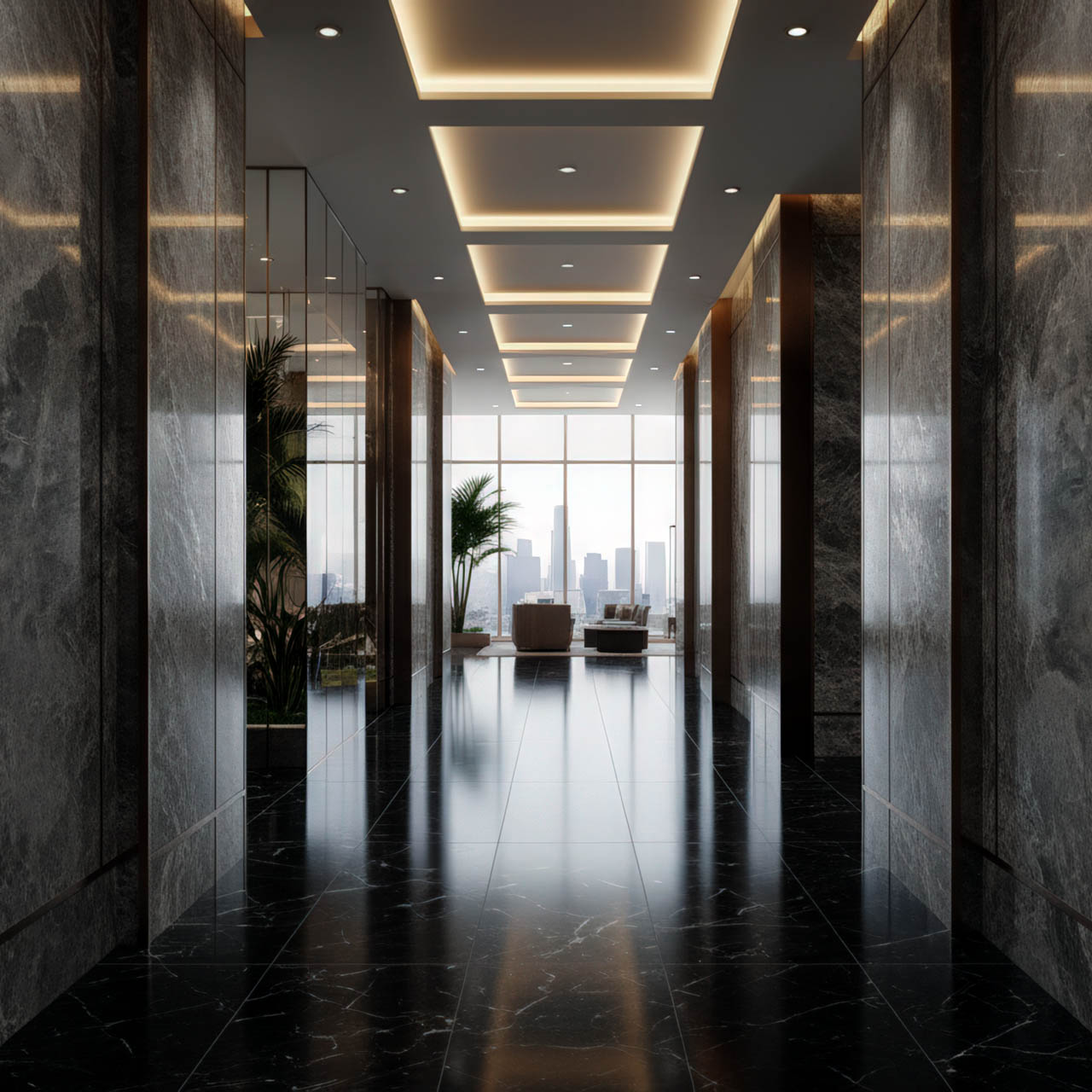
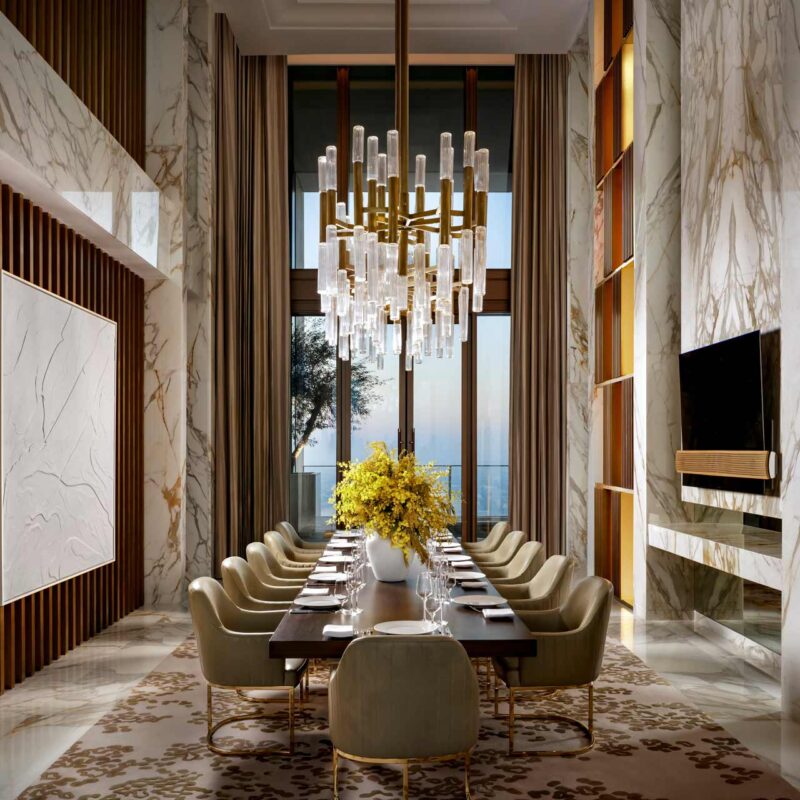
Tavas Gray Marble Luxury
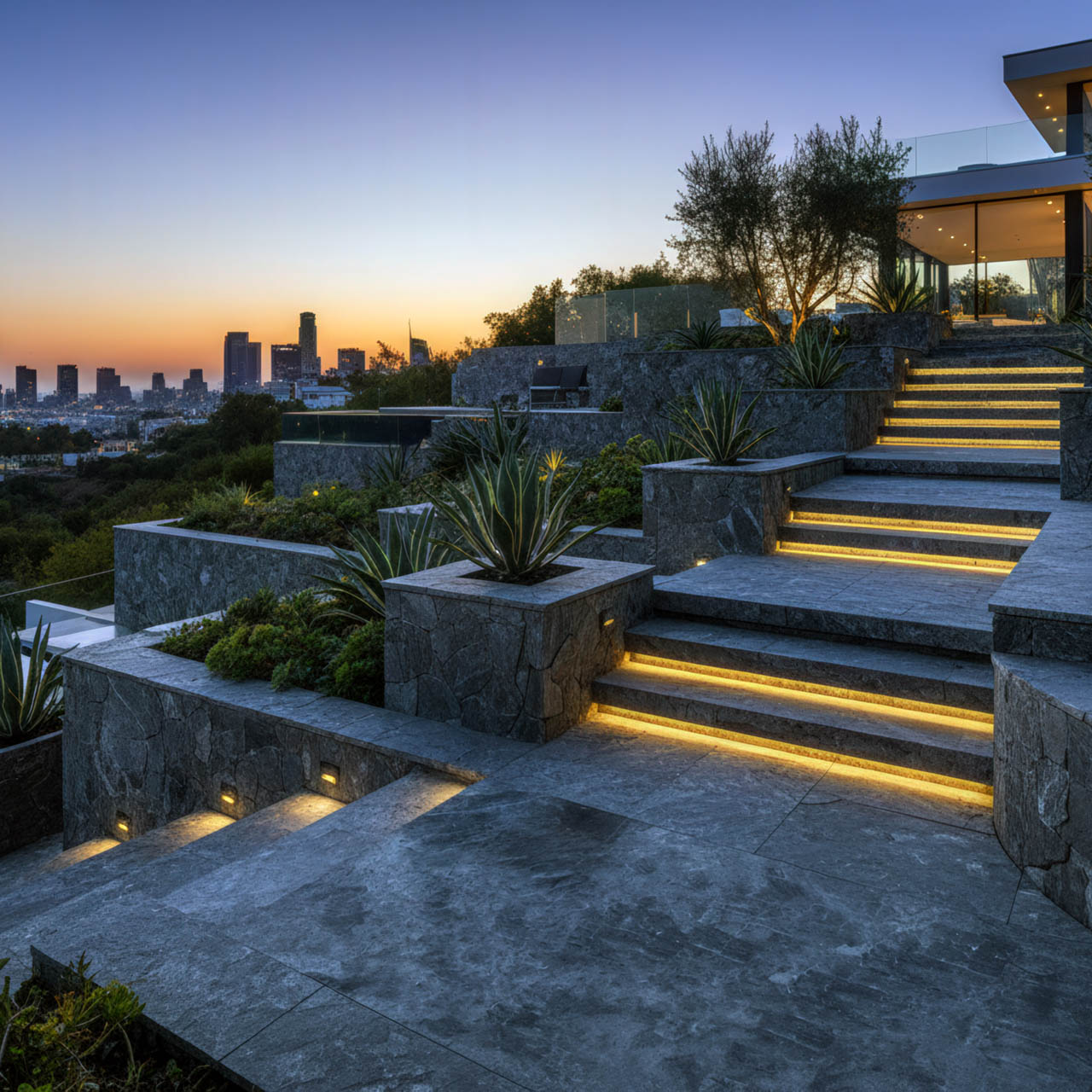
Tavas Gray Marble Luxury Stairs
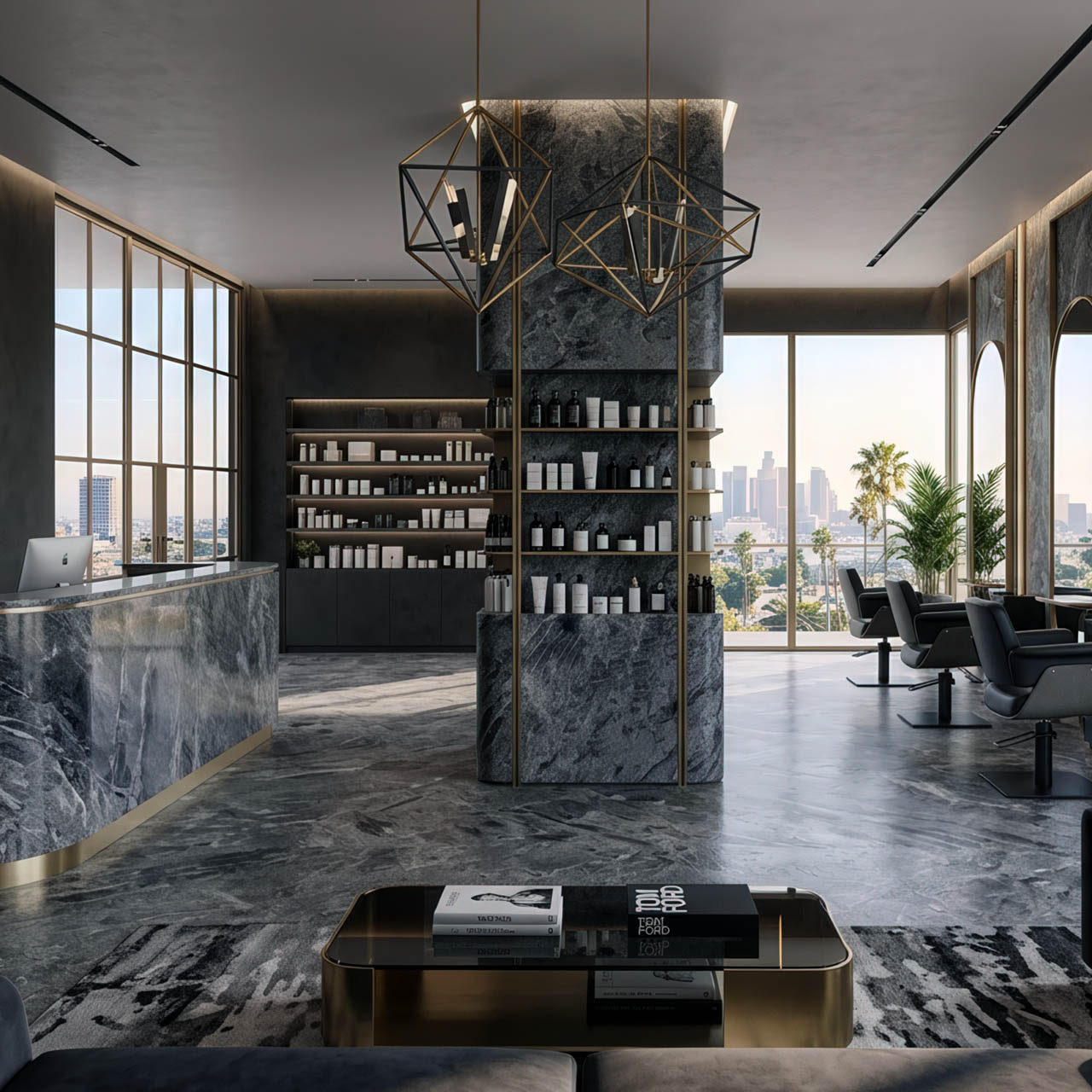
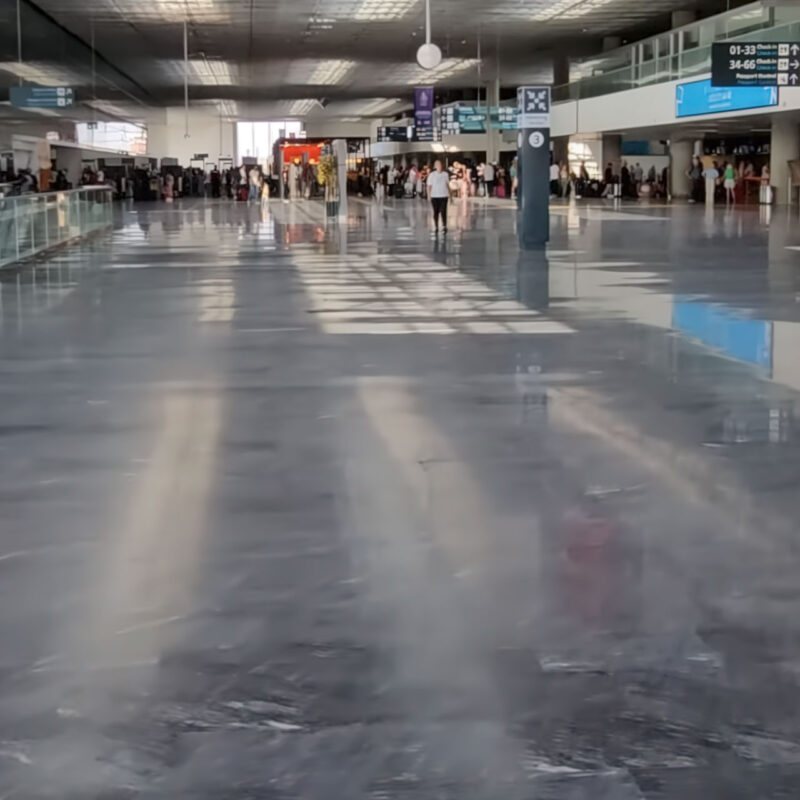
Tavas Gray Marble Luxury Commercial Use
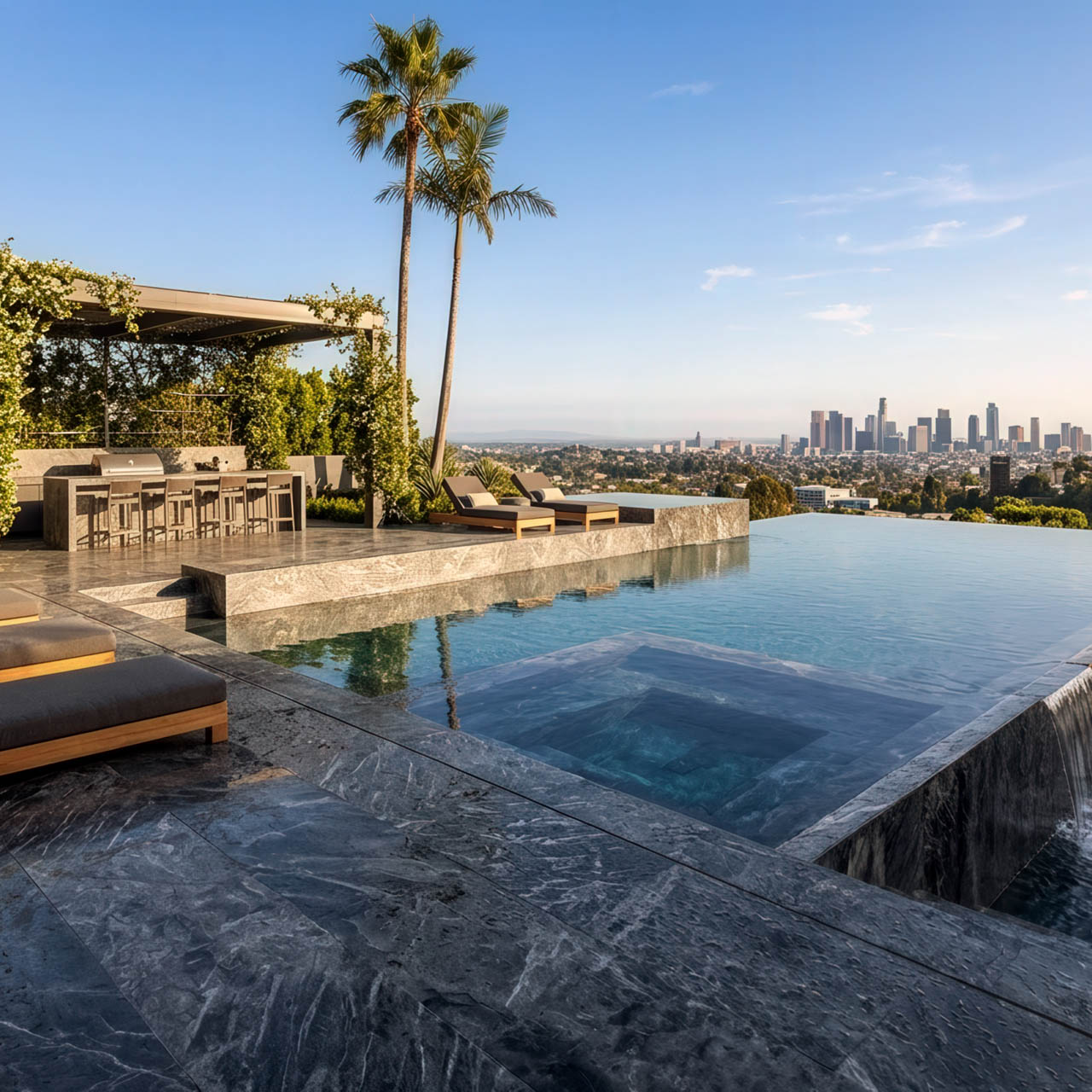
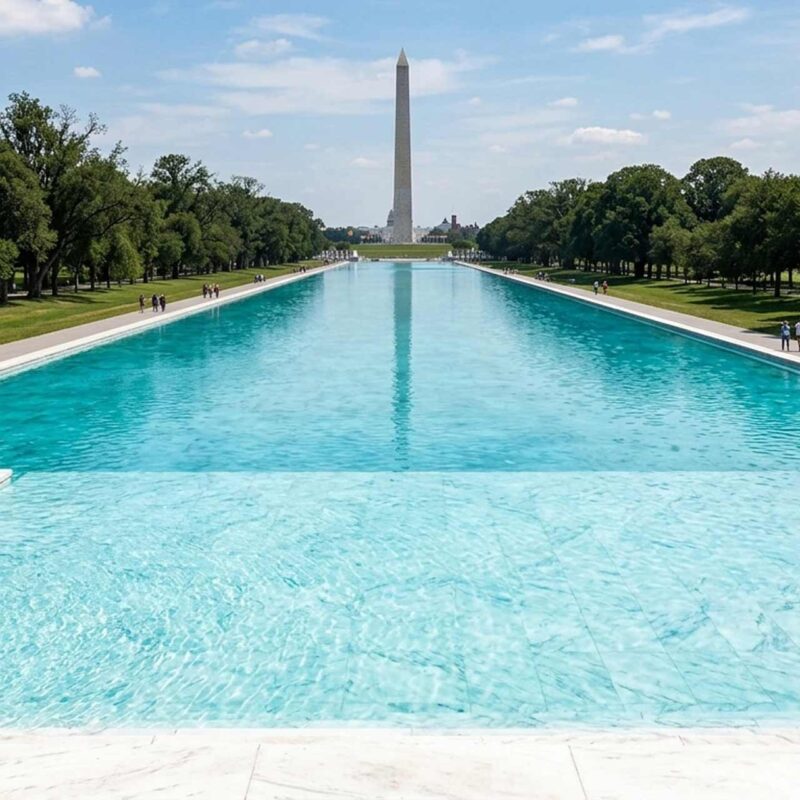
Tavas Gray Marble Luxury Swimming Pool
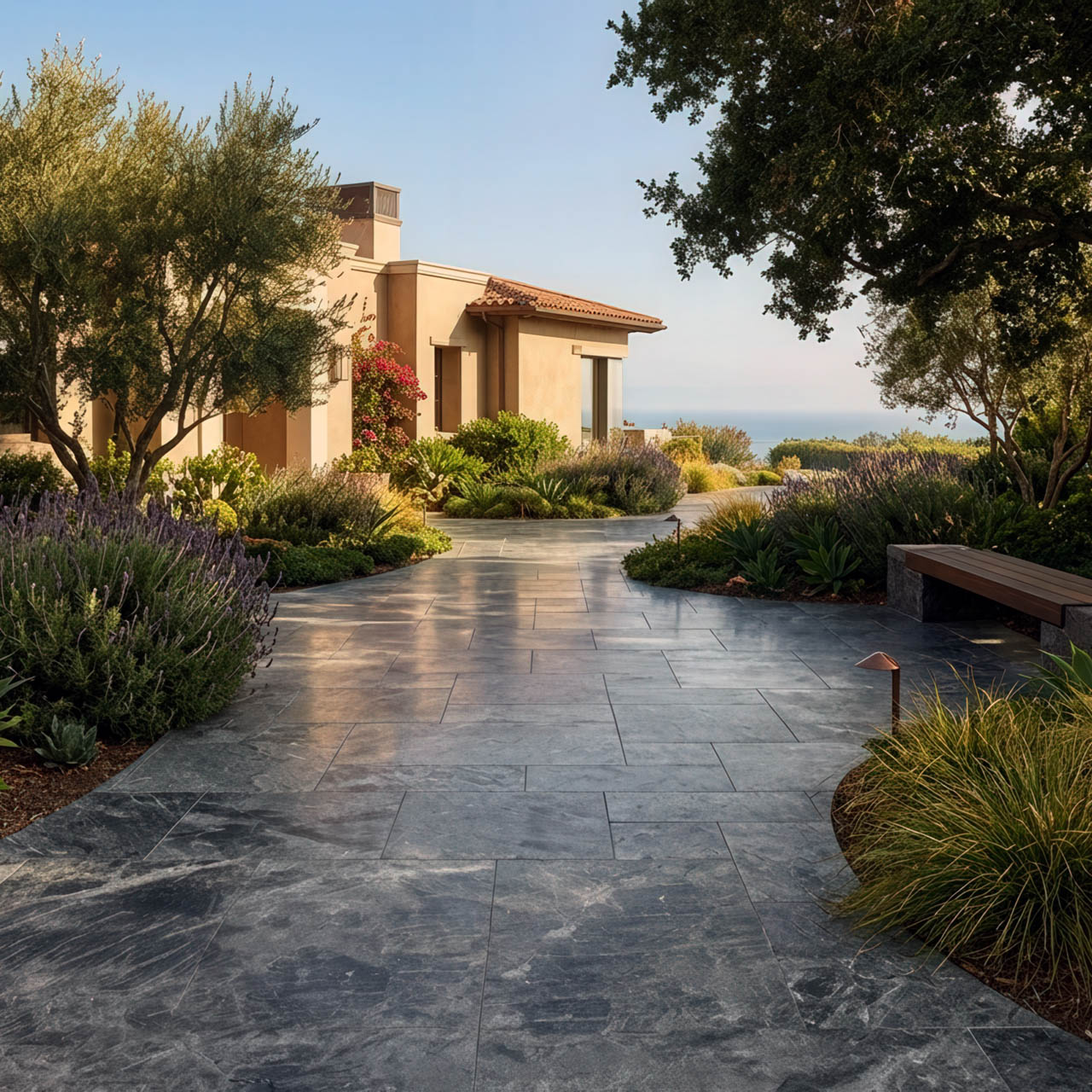
Tavas Gray Marble Luxury Garden
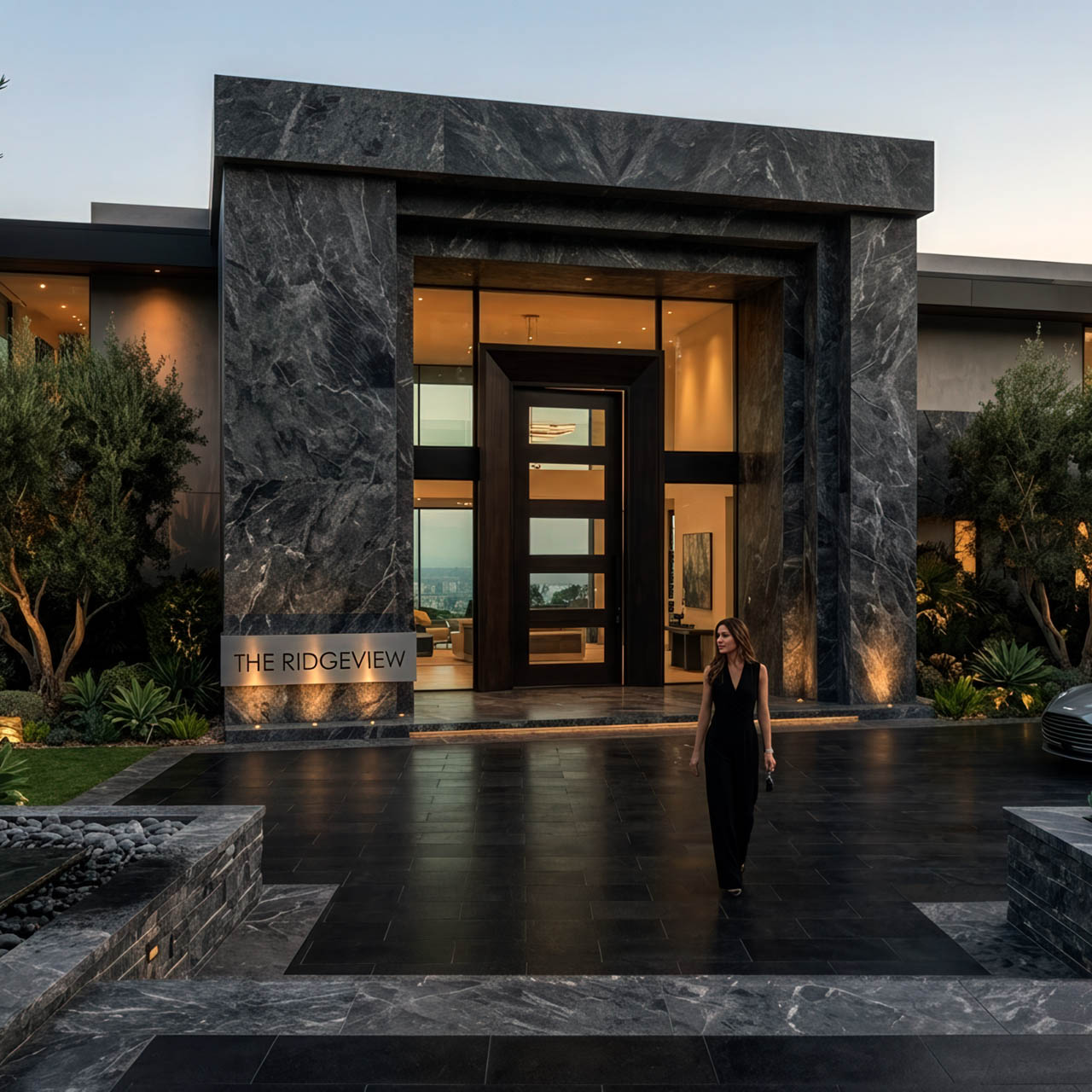
Tavas Gray Marble Luxury Door
-
Color Composition & Distribution
The surface is a heterogeneous mix of cool-toned grays and charcoal blacks, punctuated by fine calcite veining. The following table estimates the distribution of primary color zones based on surface area coverage:
| Color Component | Hex Code | Visual Description | Estimated Ratio |
| Primary Base (Mid-Gray) | #707372 | A neutral, medium-cool gray that serves as the connective “cloud” between darker fragments. | 55% |
| Dark Inclusions (Charcoal) | #3A3C3E | Deep, shadowy patches and brecciated fragments that give the stone its depth. | 30% |
| Highlight Tones (Silver/Light Gray) | #A1A5A7 | Lighter mineral clusters and surface reflections that provide texture. | 12% |
| Crystalline Veining (Cool White) | #D1D3D4 | Fine, hair-line fractures and quartz-like mineral deposits. | 3% |
-
Chromatic Characteristics
- Saturation: Low. The stone remains firmly within the achromatic to near-achromatic range, ensuring high versatility for architectural applications.
- Undertones: Substantial cool blue and slate undertones. There is a notable absence of warm (yellow/beige) tones, making it ideal for pairing with steel, glass, and cool-toned wood.
- Value Contrast: Moderate to High. The juxtaposition of the charcoal fragments against the mid-gray matrix creates a dynamic “movement” that prevents the surface from appearing flat under high-intensity lighting.
-
Surface Texture & Light Interaction
- Texture: The stone exhibits a crystalline, foliated structure. The grain size varies, with some areas showing a more granular, sugary texture typical of high-quality marble.
- Luster: Given the mineral density, this material is expected to take a high-gloss polish, which would deepen the charcoal sections and increase the contrast of the light-gray veins. In a honed finish, the color transitions would appear softer and more “cloud-like.”
- Pattern Type: Non-directional/Brecciated. Unlike linear-veined marbles, Tavas Gray offers a more organic, sporadic pattern that is excellent for large-scale book-matching or seamless floor installations.
-
Technical Summary for Design
The Tavas Gray presents a sophisticated, industrial aesthetic. Its dominant mid-gray profile (55%) provides a stable neutral base, while the significant presence of charcoal (30%) adds the necessary visual weight for statement pieces such as kitchen islands or feature walls.
Tavas Gray Marble (Tavas Grisi) is an increasingly popular choice for architects looking to bridge the gap between industrial “cool” and natural “warmth.” Sourced from the Denizli-Tavas region of Turkey, it is characterized by its sophisticated smoky base and delicate white calcitic veining.
Primary Architectural Applications
1. High-Traffic Flooring & Lobbies
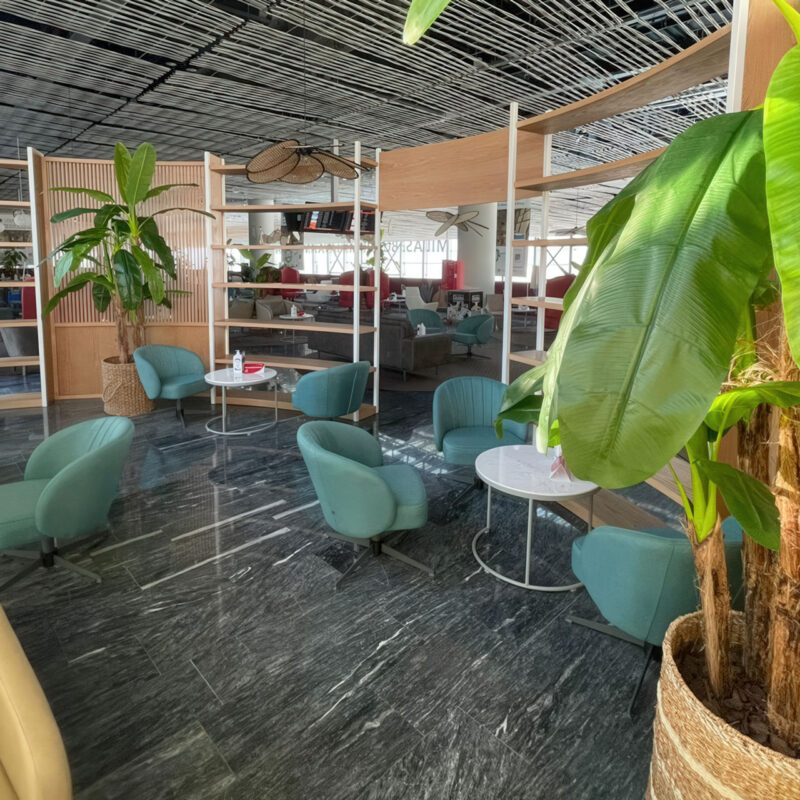
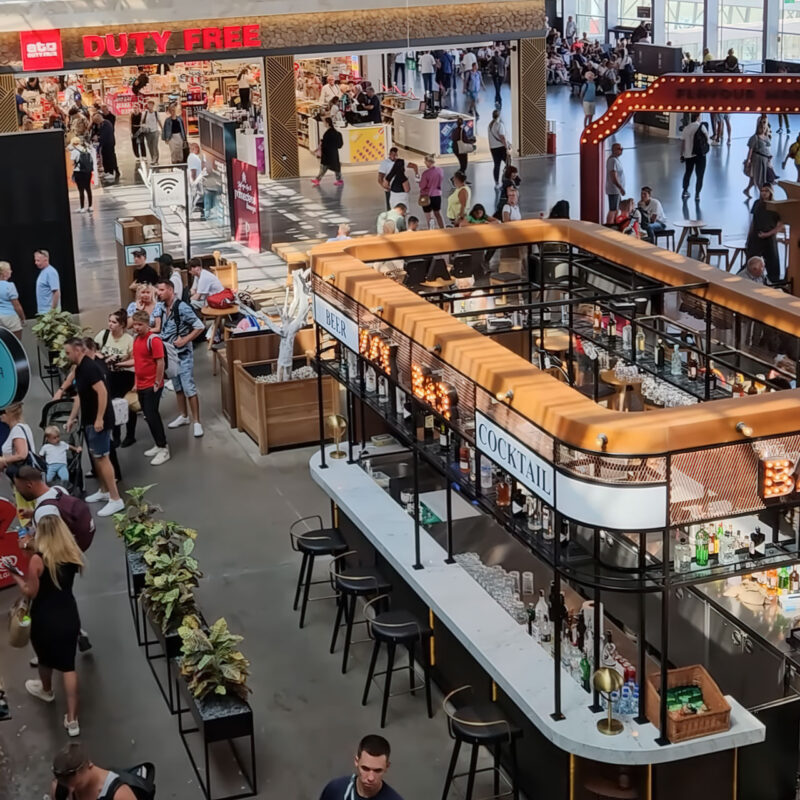
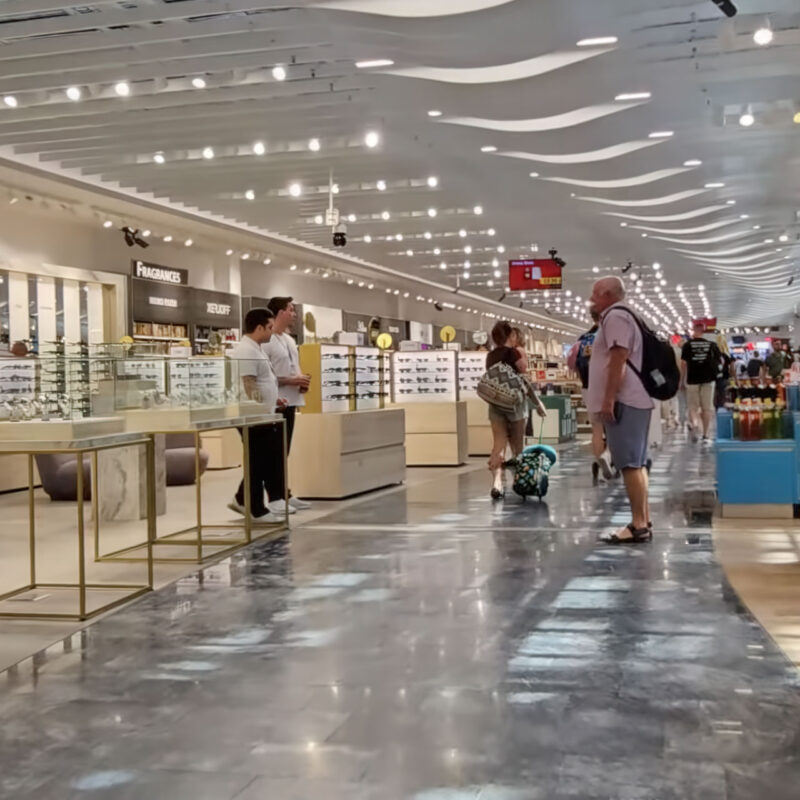
Tavas Gray is a “hard” marble, making it exceptionally resilient for commercial applications compared to softer whites. It is frequently used in malls, hotels, and airport terminals.
-
Architectural Tip: Its mid-tone gray is excellent for masking dust and footprints, making it a low-maintenance choice for high-volume pedestrian areas.
-
Finish: A honed finish is recommended for large floors to minimize glare from overhead architectural lighting.
2. Modern Minimalist Facades
The uniform texture of Tavas Gray allows it to mimic the look of high-end concrete but with the depth and durability of natural stone.
-
Application: Ideal for ventilated facade systems.
-
Design Note: The stone’s neutral palette provides a perfect backdrop for metallic accents (brass, copper, or matte black steel) in exterior architectural details.
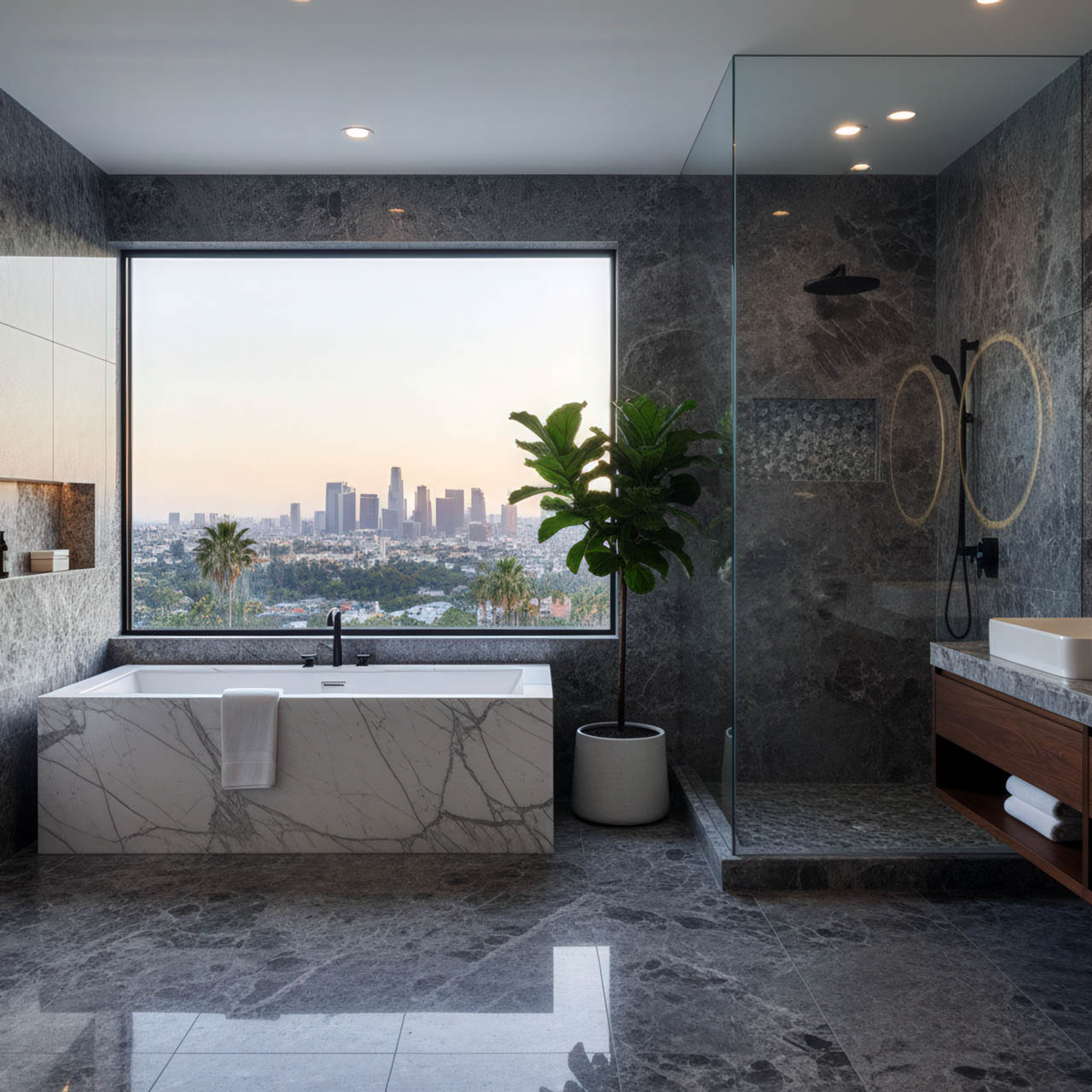
3. Monolithic Kitchen & Bath Elements
Architects often use Tavas Gray to create “monolithic” features where the material appears as a solid block.
-
Applications: Waterfall kitchen islands, integrated stone sinks, and solid-look vanity tops.
-
Joints: Use color-matched epoxy resin for mitered edges to maintain the illusion of a single, massive block of stone.
4. Landscaping & Urban Furniture
Because of its high density and resistance to environmental factors, it is a top-tier candidate for urban design.
-
Applications: Public benches, decorative retaining walls, and outdoor plazas.
-
Finish: A sandblasted or bush-hammered finish is essential here to provide texture and prevent slips in rain-prone environments.
Technical Data for Architects
| Property | Value (Average) |
| Water Absorption | 0.15% |
| Density | 2710 kg/m3 |
| Compressive Strength | 115 MPa |
| Abrasion Resistance | High (Suitable for commercial use) |
Strategic Design Considerations
-
Tonal Variation: Tavas Gray can range from “Light Smoke” to “Deep Charcoal.” When specifying for a large project, request range samples to define the acceptable degree of color shift and veining density.
-
The “Shadow” Effect: Because it is a gray stone, it absorbs more light than Ushak White. Architects should balance this by using integrated LED cove lighting or accent lighting to highlight the white veins and prevent the space from feeling too dark.
-
Sustainable Sourcing: For projects targeting LEED or BREEAM certification, emphasize its regional Turkish origin for projects in Europe and the Middle East to reduce the carbon footprint associated with logistics.
Recommended Finishes for Architects
-
Polished: Best for interior feature walls and hospitality furniture.
-
Honed: The “architect’s choice” for a modern, matte aesthetic on floors.
-
Leathered: Provides a tactile, “orange-peel” texture that hides fingerprints and adds a sophisticated depth to the gray tones.