
Standard thicknesses in the natural stone industry refer to the calibrated depths used to ensure the structural integrity of marble across different applications. While traditional masonry relies on thick, heavy slabs, modern engineering—particularly from premium Turkish producers like Yükselen Marbles—now offers a spectrum ranging from paper-thin veneers to heavy-duty architectural blocks.
The Thickness Spectrum
| Category | Thickness | Typical Application |
| Ultra-Thin / Nano | 0.5 mm – 3 mm | Furniture veneering, curved pillars, and backlit glass-backed panels. |
| Laminated / Composite | 3 mm – 5 mm | Ultralight cladding bonded to aluminum honeycomb for high-rise facades and yachts. |
| Standard Tile | 10 mm – 12 mm | Residential flooring, backsplashes, and interior wall cladding. |
| Traditional Slab | 20 mm – 30 mm | Kitchen countertops, “waterfall” islands, and heavy-duty thresholds. |
Engineering Context
-
Weight Efficiency: A 20 mm solid slab weighs approximately 60 kg/m², whereas a 3 mm veneer bonded to honeycomb (total 20 mm) weighs only 12–15 kg/m². This reduction is critical for elevators and maritime projects.
-
Structural Backing: As the stone gets thinner (below 10 mm), it requires a substrate for bending strength. Substrates like aluminum, glass, or fiberglass prevent the brittle marble from snapping.
-
Translucency: For high-purity calcites like Ushak White, thickness is the primary variable for light transmission. Reducing the thickness to 3 mm or less allows the stone to become semi-transparent for glowing feature walls.
Strategic Design Integration
-
BIM Catalogs: In 3D BIM (Building Information Modeling), thickness data is vital for “clash detection,” ensuring that the marble finish interfaces perfectly with door frames, cabinetry, and structural glazing.
-
Custom Banyo Solutions: For monolithic-looking washbasins and bathtubs, craftsmen often use 20 mm or 30 mm thicknesses for the base structure, while using ultra-thin profiles for the aesthetic cladding to manage the total weight.
-
Grand Scale Formats: To achieve a “seamless” look with massive 1500 x 3000 mm panels, the 3 mm – 5 mm thickness is mandatory to allow for safe handling and installation without the risk of the stone cracking under its own mass.
Filter by brand

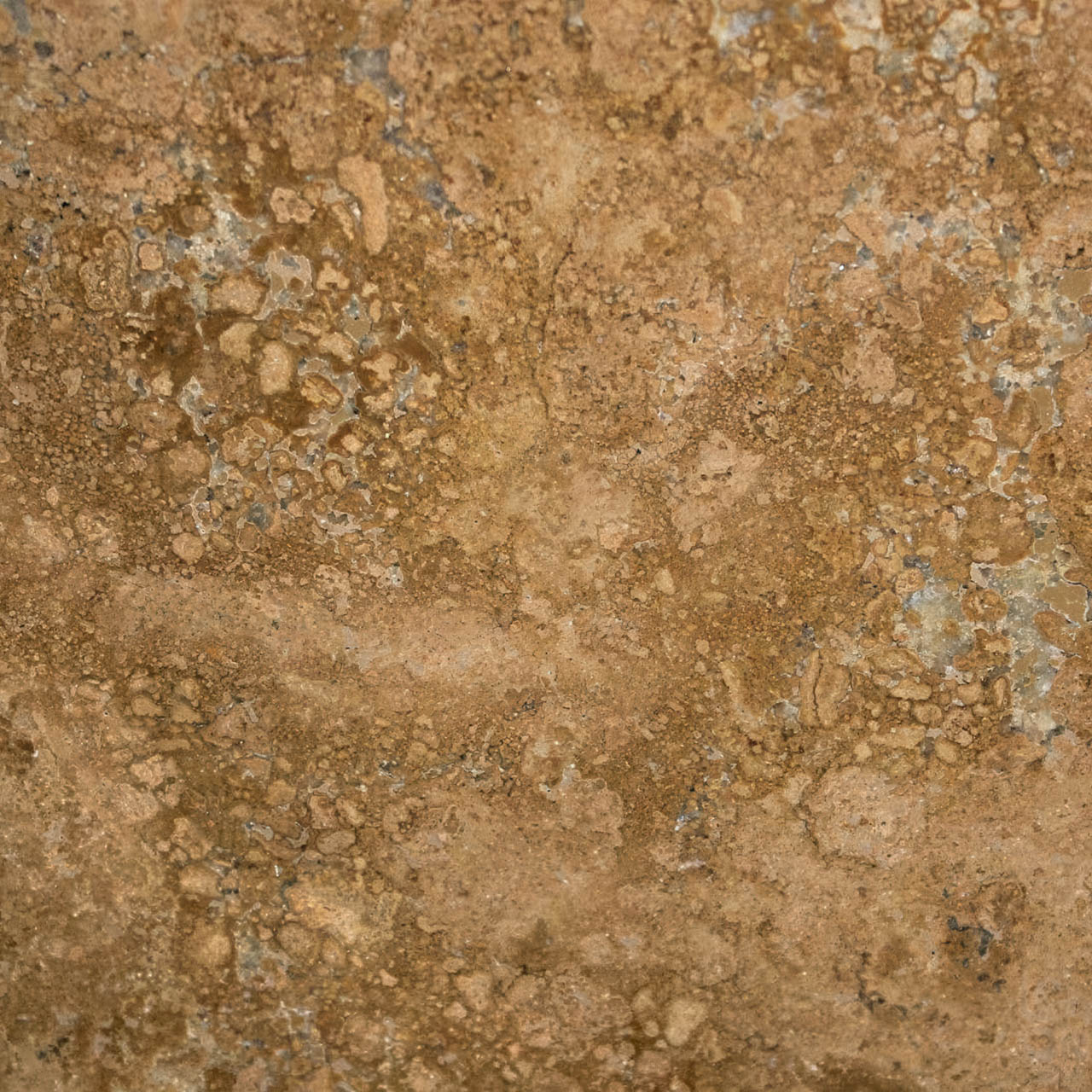
Noche Travertine Marble Slab Marble
Noche Travertine Marble: Timeless Depth for Modern Architecture
Noche Travertine is the premier choice for designers seeking to infuse spaces with warmth, character, and a sense of history. Characterized by its deep, earthy chocolate tones and rich coffee hues, this natural stone offers a sophisticated alternative to lighter travertines, providing a bold foundation for both classic and contemporary aesthetics.
Noche Travertine Marble Block Marble
Noche Travertine Marble: Timeless Depth for Modern Architecture
Noche Travertine is the premier choice for designers seeking to infuse spaces with warmth, character, and a sense of history. Characterized by its deep, earthy chocolate tones and rich coffee hues, this natural stone offers a sophisticated alternative to lighter travertines, providing a bold foundation for both classic and contemporary aesthetics.
Noche Travertine Marble Tile Marble
Noche Travertine Tiles: Timeless Depth for Modern Architecture
Noche Travertine tiles are the premier choice for designers and architects seeking to infuse spaces with warmth, character, and a profound sense of history. Characterized by deep, earthy chocolate tones and rich coffee hues, these natural stone tiles offer a sophisticated, high-contrast alternative to lighter travertines, providing a bold foundation for both classic physical builds and high-fidelity digital architectural models.
Noche Travertine Marble Mosaic Marble
Noche Travertine Mosaics: Timeless Depth in Intricate Detail
Noche Travertine is the premier choice for designers seeking to infuse spaces with warmth, character, and a profound sense of history. Characterized by its deep, earthy chocolate tones and rich coffee hues, transforming this natural sedimentary stone into precision-cut mosaic tiles provides a bold, highly textural foundation for both classic and contemporary aesthetics. It offers a sophisticated, intricate alternative to lighter travertines, grounding any interior with its dark, organic palette.
Noche Travertine Marble Laminate Marble
Noche Travertine Marble: Timeless Depth for Modern Architecture
Noche Travertine is the premier choice for designers seeking to infuse spaces with warmth, character, and a sense of history. Characterized by its deep, earthy chocolate tones and rich coffee hues, this natural stone offers a sophisticated alternative to lighter travertines, providing a bold foundation for both classic and contemporary aesthetics.