Milas Lemony Technical Color Analysis Report
Milas Lemony Technical Color Analysis Report
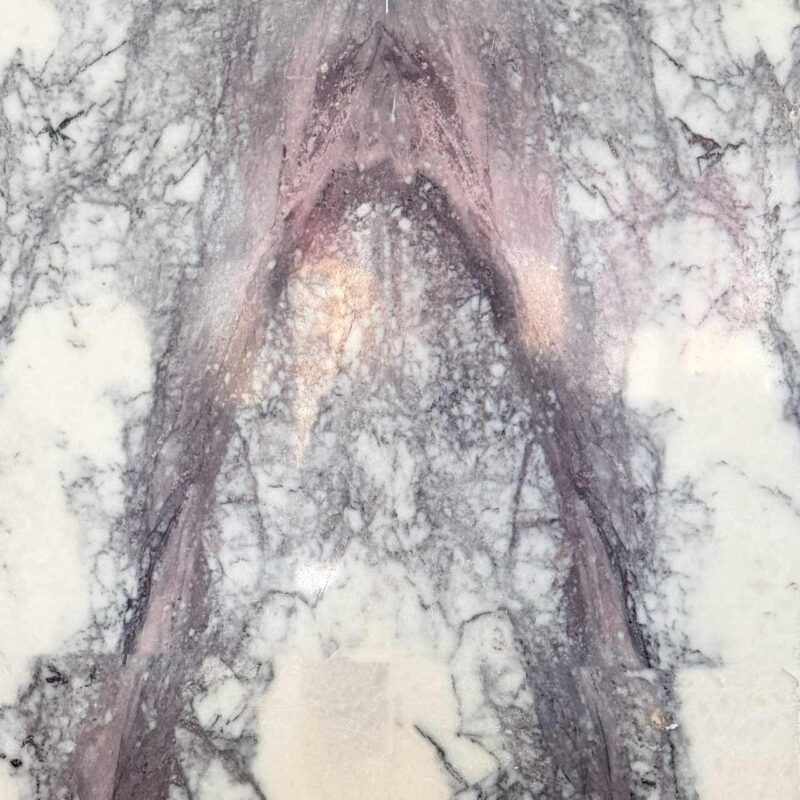
The surface presents a high-luminance background with a sophisticated interplay of cool and neutral tones. Unlike more aggressive brecciated marbles, this selection features a “cloudy” (nubulato) distribution of minerals, creating a soft, transitional aesthetic.
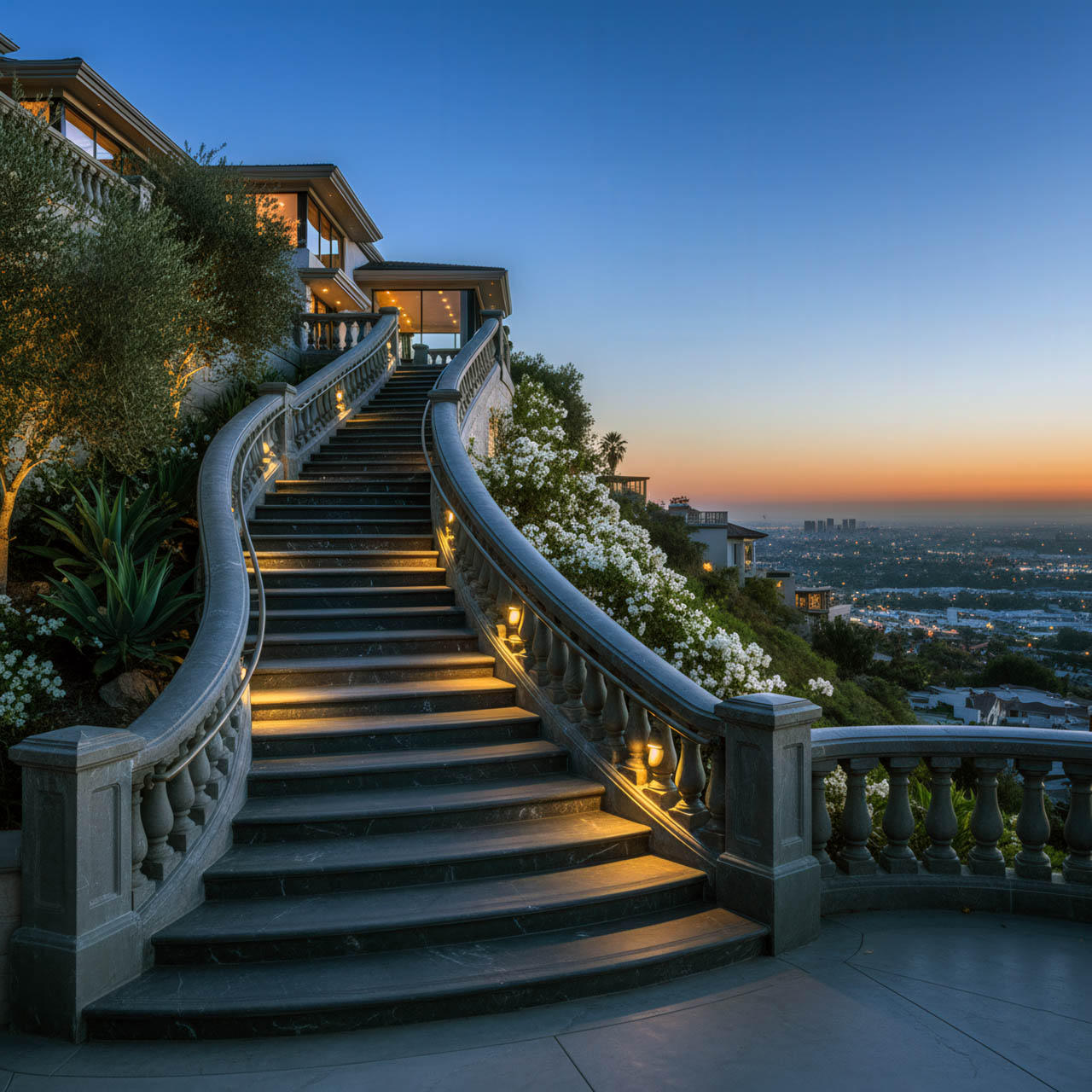
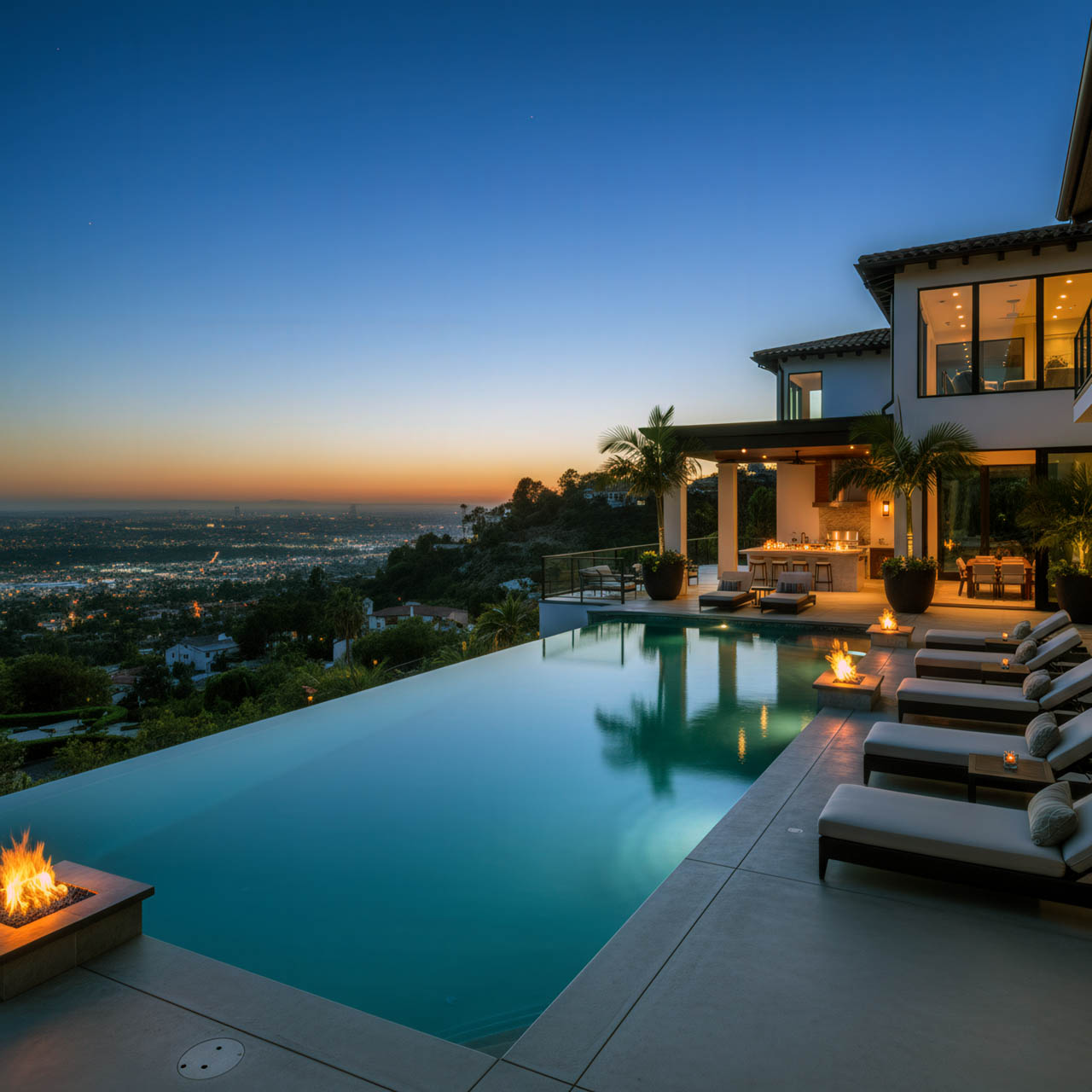
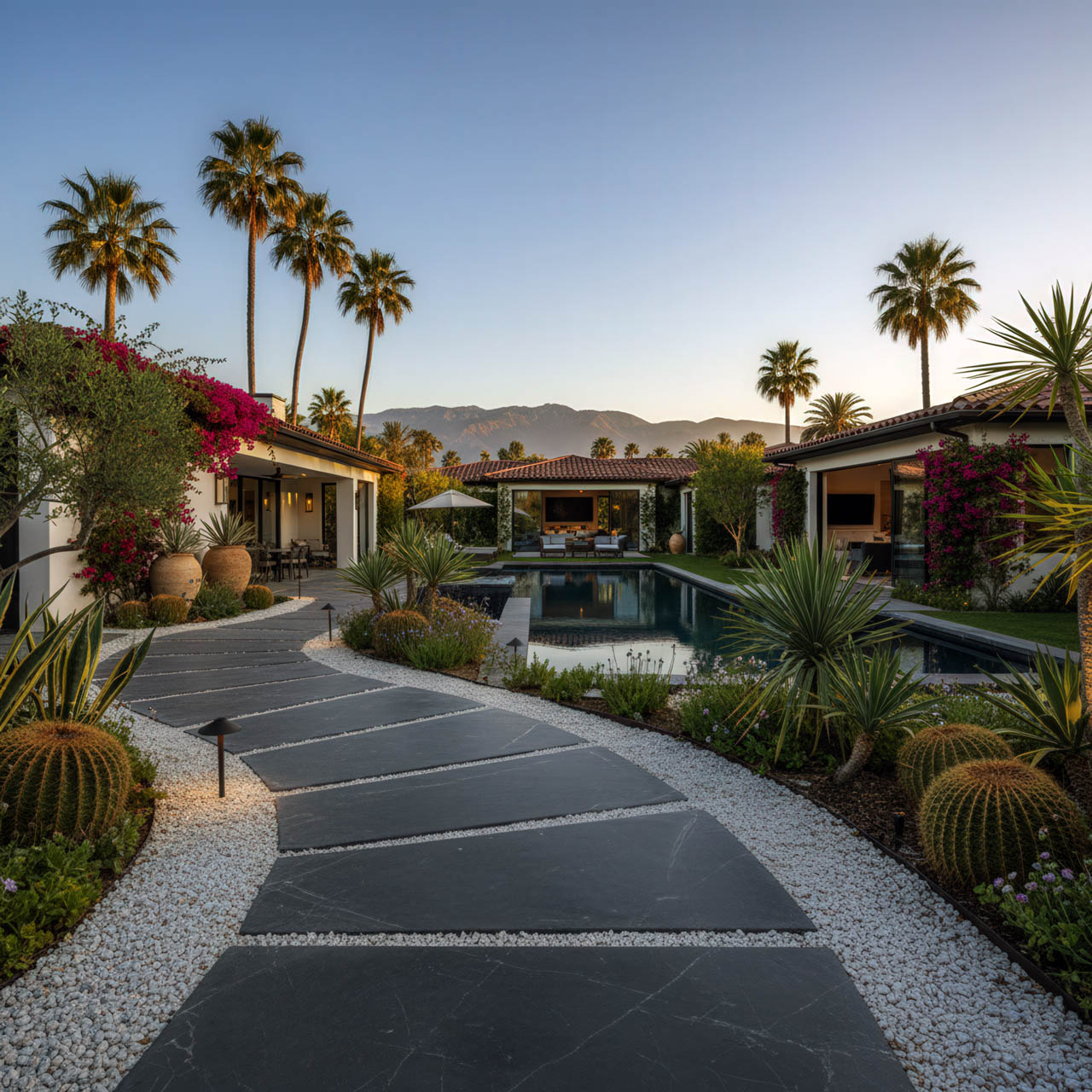
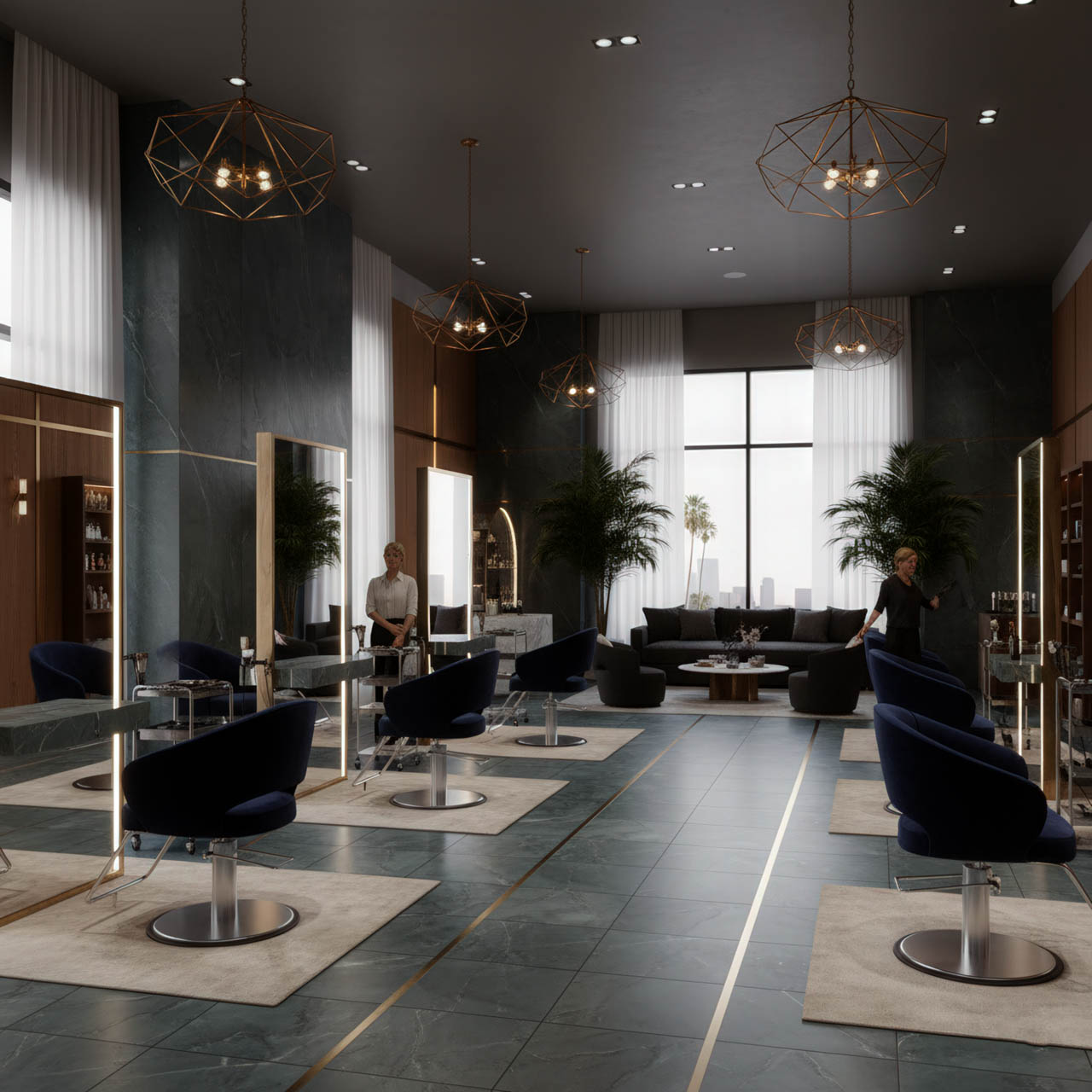
Color Distribution & Composition
The following table breaks down the primary color zones identified through digital chromatic analysis:
| Color Component | Visual Description | HEX Code | Estimated Area % |
| Primary Base | Bright, cool-toned white with high reflectivity. | #F2F4F5 | 65% |
| Secondary Shading | Soft, misty grey “clouds” providing depth. | #D1D5D8 | 25% |
| Deep Veining | Muted ash-grey accents and crystalline clusters. | #B0B5B9 | 8% |
| Warm Undertone | Subtle “Lemony” or pale cream highlights. | #E8E6D9 | 2% |
Morphological Characteristics
- Luminance (Brightness): The slab maintains a high Light Reflectance Value (LRV), likely in the 75–82% range. This makes it ideal for architectural applications requiring natural light enhancement.
- Saturation: Very low. The stone leans heavily toward the achromatic scale, with only a trace of warmth (the “Lemony” namesake) appearing in localized mineral pockets.
- Texture vs. Color: The color transitions are “soft-focus.” There are no sharp tectonic lines; instead, the #D1D5D8 grey bleeds into the #F2F4F5 white, suggesting a high degree of metamorphic homogenization.
Summary for Architectural Specification
The Milas Lemony is a versatile “neutral-bright” material. The dominant cool-white base ensures it pairs well with modern materials like polished chrome or cool-toned concrete. The minimal presence of warm undertones (2%) is critical for quality control, as it prevents the stone from appearing “yellowed” under high-Kelvin LED lighting.
Among the diverse marble varieties from Turkey’s Aegean region, Milas Lemony Marble (also known as Milas Lemon or Milas White Lemon) occupies a unique niche. While its cousins, the Lilac and the Pearl, lean into cool violets and shimmering whites, Milas Lemony is defined by its sun-kissed, pale yellow to golden-cream undertones and delicate, wispy veining.
In 2026, as the “Warm Minimalism” movement replaces the cold, grey palettes of the previous decade, Milas Lemony has emerged as the go-to stone for architects looking to inject “biophilic warmth” into contemporary structures.
1. Solar-Responsive Interior Flooring
Milas Lemony is highly prized for its “luminous” quality. Its crystalline structure allows light to penetrate the surface slightly before reflecting back, creating a soft glow.
-
Sunrooms and Atriums: Architects use Milas Lemony in spaces with high natural light exposure. Unlike stark white marbles that can create a blinding glare, the yellow-gold hues of Lemony marble soften the light, making the room feel permanently “golden hour” regardless of the time of day.
-
Seamless Transitions: Its density (2720 kg/m3) makes it durable enough for continuous flooring that runs from an indoor living area out onto a covered terrace.
2. The “Amber” Kitchen Aesthetic
A major shift in 2026 kitchen design is the move toward “Gourmet Earth Tones.” Milas Lemony fits this trend perfectly by providing a sophisticated alternative to beige.
-
Monolithic Islands: Designers are specifying large, 3 cm thick slabs of Milas Lemony for “cube” islands. The stone’s subtle yellow veining pairs exceptionally well with natural white oak cabinetry and brass fixtures.
-
Full-Height Backsplashes: Because the veining in Milas Lemony is often more understated than the dramatic Milas Lilac, it can be used across large vertical surfaces without overwhelming the eye.
3. Wellness and “Zen” Spa Design
The psychological impact of color in architecture is a key focus this year. Yellow tones are associated with optimism and energy, making Milas Lemony a strategic choice for wellness spaces.
-
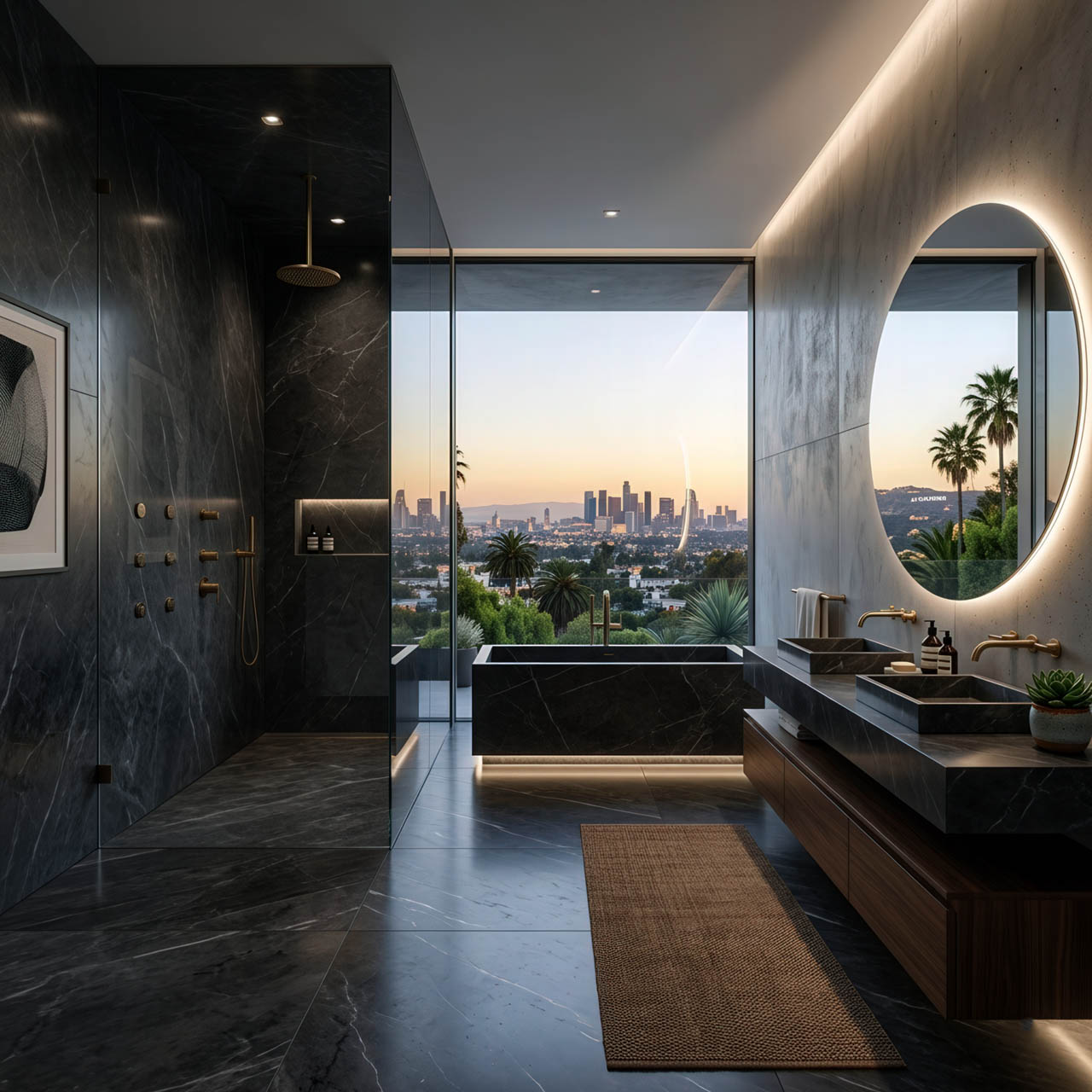
Therapeutic Bathrooms: In high-end residential projects, this marble is used for soaking tub surrounds and walk-in showers. The “lemon” tint provides a warmer, more “organic” feeling against the skin compared to traditional cool-toned stones.
-
Boutique Spas: When honed (matte finish), the stone takes on a buttery texture that is both slip-resistant and visually soothing, often paired with indoor greenery to enhance the biophilic aesthetic.
4. Sculptural Architectural Elements
Because Milas Lemony is a calcitic marble with excellent workability, it is frequently used for custom-carved architectural details.
-
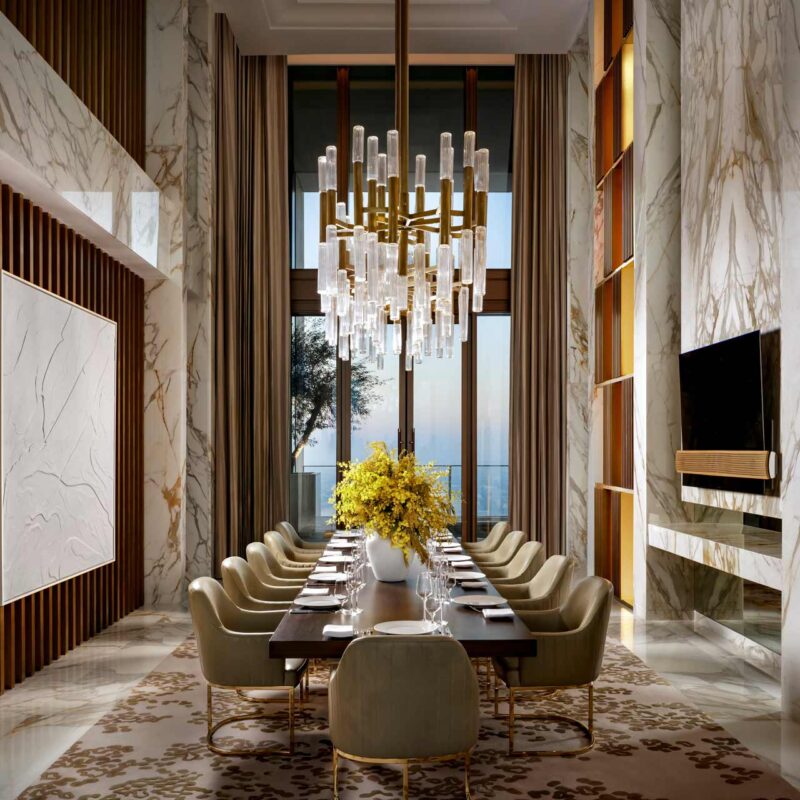
Fluted Wall Panels: A leading 2026 trend is CNC-carved stone. Milas Lemony is often ribbed or fluted to create texture on feature walls, where the shadows highlight the stone’s golden depth.
-
Custom Furniture: From pedestal dining tables to heavy, block-style coffee tables, the stone’s “Pearl-to-Lemon” gradient makes every piece a unique work of geological art.
Technical Profile for Architects
| Property | Value (Average) |
| Density | 2.72 g/cm3 |
| Compressive Strength | 99.96 MPa |
| Water Absorption | 0.10% (By Weight) |
| Hardness | 3 Mohs |
2026 Specification Guide: The “Warm Minimalist” Palette
To achieve the most modern look with Milas Lemony, architects recommend the following pairings:
-
Metal Accents: Avoid chrome or silver; instead, use Aged Bronze or Champagne Gold to harmonize with the yellow minerals.
-
Wood Species: Pairs beautifully with Light Walnut, Bleached Ash, or Natural Oak.
-
Finish Recommendation: While polished is classic, a “Satin” or “Velvet” finish is the 2026 standard for Milas Lemony, as it emphasizes the creaminess of the color over the reflection of the light.
Sustainability Tip: Milas Lemony is quarried in the same regions as the more famous Milas Lilac. Specifying “Lemony” grades—which were historically overlooked in favor of pure white—is considered an eco-conscious choice in 2026, as it promotes full-quarry utilization and reduces industrial waste.