
Polished marble is the most iconic and popular finish for natural stone, achieved through a mechanical process of grinding and buffing the surface with progressively finer diamond abrasives. This results in a high-gloss, mirror-like sheen that maximizes the stone’s visual depth.
Key Characteristics
-
Vibrancy: Polishing acts like a “magnifying glass” for the stone’s natural characteristics. It makes colors appear darker and more saturated while sharpening the detail of intricate veining.
-
Texture: The surface is perfectly smooth and non-reflective of touch, but highly reflective of light.
-
Reduced Porosity: While it doesn’t make the stone waterproof, the intense friction of the polishing process “closes” the surface pores more than a matte finish, providing a slight initial defense against liquid penetration.
Visual Impact
| Feature | Effect of Polishing |
| Color | Deepens “Wine-Red” or dark tones to their fullest intensity. |
| Veining | Makes white or gold veins “pop” against the background. |
| Luster | Provides a luxurious, formal aesthetic that brightens rooms by reflecting ambient light. |
Technical Considerations
-
Maintenance: Polished surfaces are more prone to showing “etching” (dull spots caused by acidic liquids like lemon or vinegar) and physical scratches compared to honed finishes.
-
Safety: When wet, polished marble becomes exceptionally slippery. For this reason, it is primarily recommended for wall cladding, countertops, and low-traffic indoor flooring.
-
Laminate Applications: In ultra-thin laminate marble production, a polished finish is often preferred for large-format panels (such as Rosso Laguna), as the reflective surface creates a seamless, “gemstone” appearance across vertical installations.
This finish is the gold standard for high-end architectural projects, especially when integrated into BIM models to simulate the lighting and reflection of a luxury interior.
Filter by brand

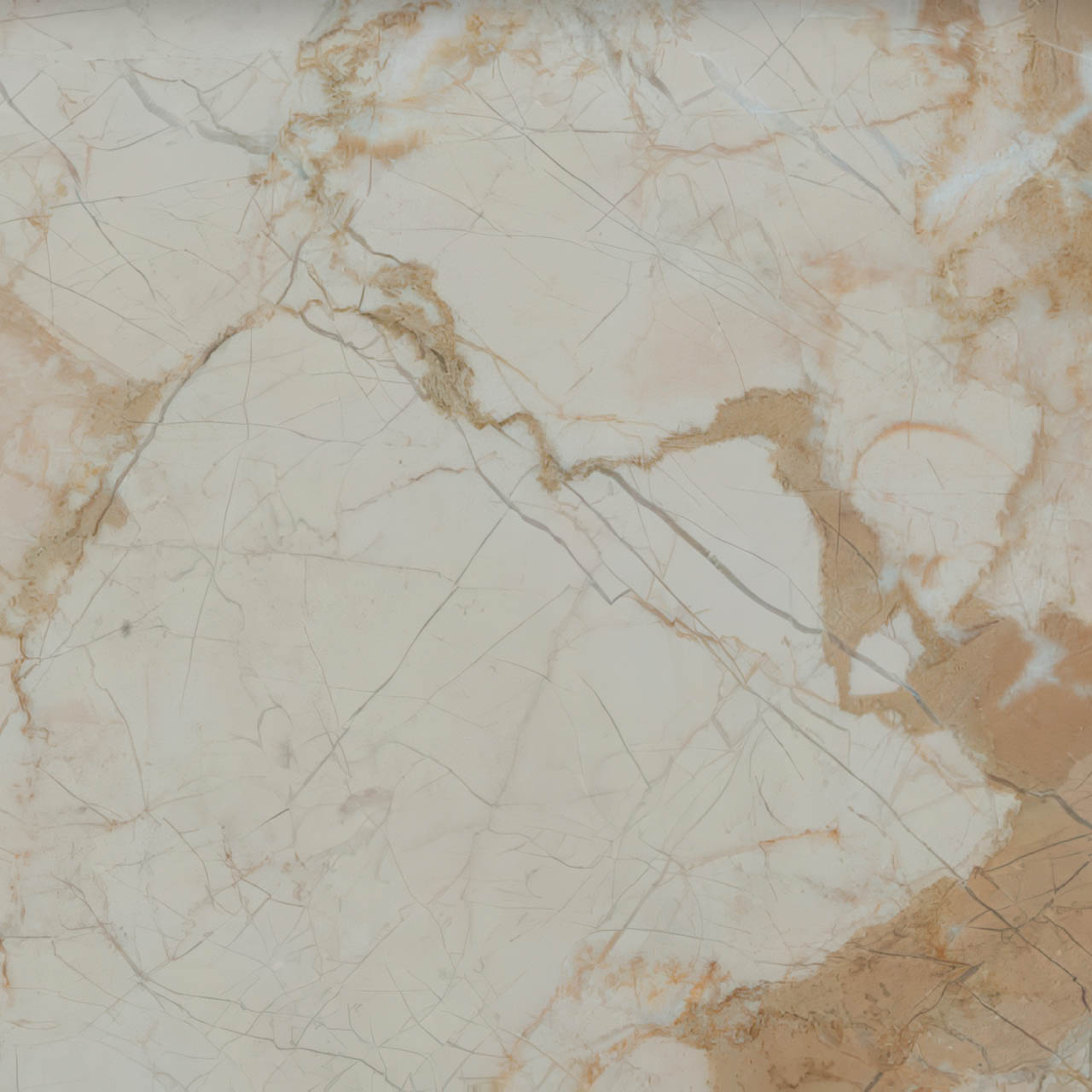
Aegean Cloudy Beige Marble Slab Marble
Aegean Cloudy Beige: The Timeless Elegance of Natural Stone
Experience the perfect harmony of nature and sophisticated design with Aegean Cloudy Beige marble. Characterized by its soft, cream-toned base and ethereal, cloud-like veining, this premium stone offers a warm, Mediterranean aesthetic that elevates any space from ordinary to extraordinary.
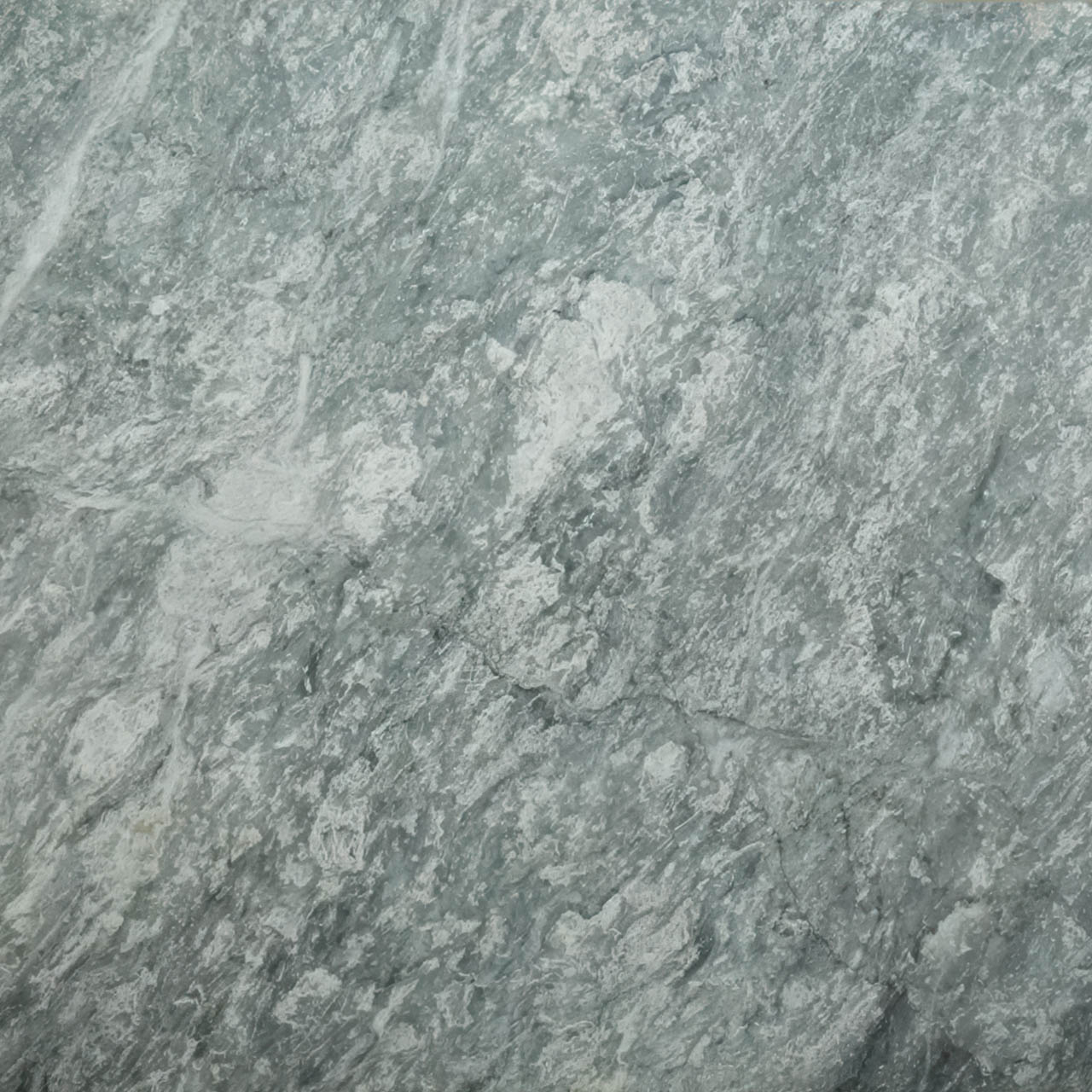
Aegean Silver Marble Slab Marble
Aegean Silver: The Epitome of Modern Elegance in Natural Stone
Aegean Silver marble represents a sophisticated fusion of timeless natural beauty and contemporary versatility. Characterized by its ethereal grey palette and intricate, cloud-like veining, this stone captures the cool, serene essence of the Mediterranean. Whether you are designing a high-traffic commercial space or a bespoke piece of luxury furniture, Aegean Silver offers a neutral yet striking foundation that elevates any architectural vision.
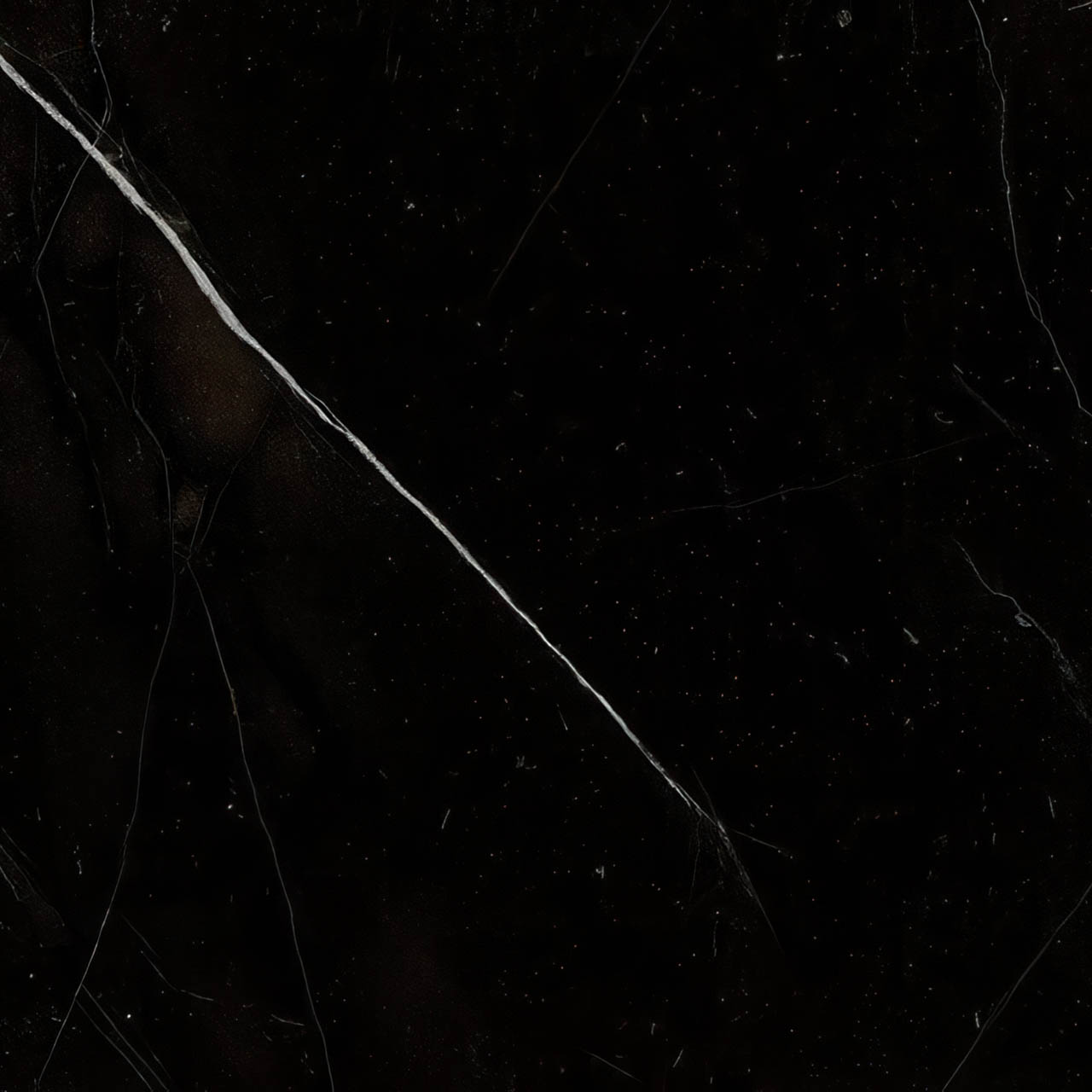
Black Pearl Marble Slab Marble
Black Pearl Marble: The Epitome of Dark Elegance and Versatility
Black Pearl Marble is a masterpiece of nature, characterized by its deep, obsidian-like backdrop and delicate, crystalline white veining. This natural stone offers a sophisticated aesthetic that serves as the perfect canvas for both classic and contemporary design. Whether used as a bold architectural statement or a refined furniture accent, Black Pearl brings an air of timeless luxury to any space.

Burdur Beige Marble Slab Marble
Burdur Beige Marble: Timeless Elegance in Every Grain
Burdur Beige marble is a hallmark of Turkish natural stone, celebrated globally for its creamy, warm undertones and sophisticated vein structure. It offers a perfect balance between classic luxury and modern minimalism, making it a favorite for architects and interior designers alike.
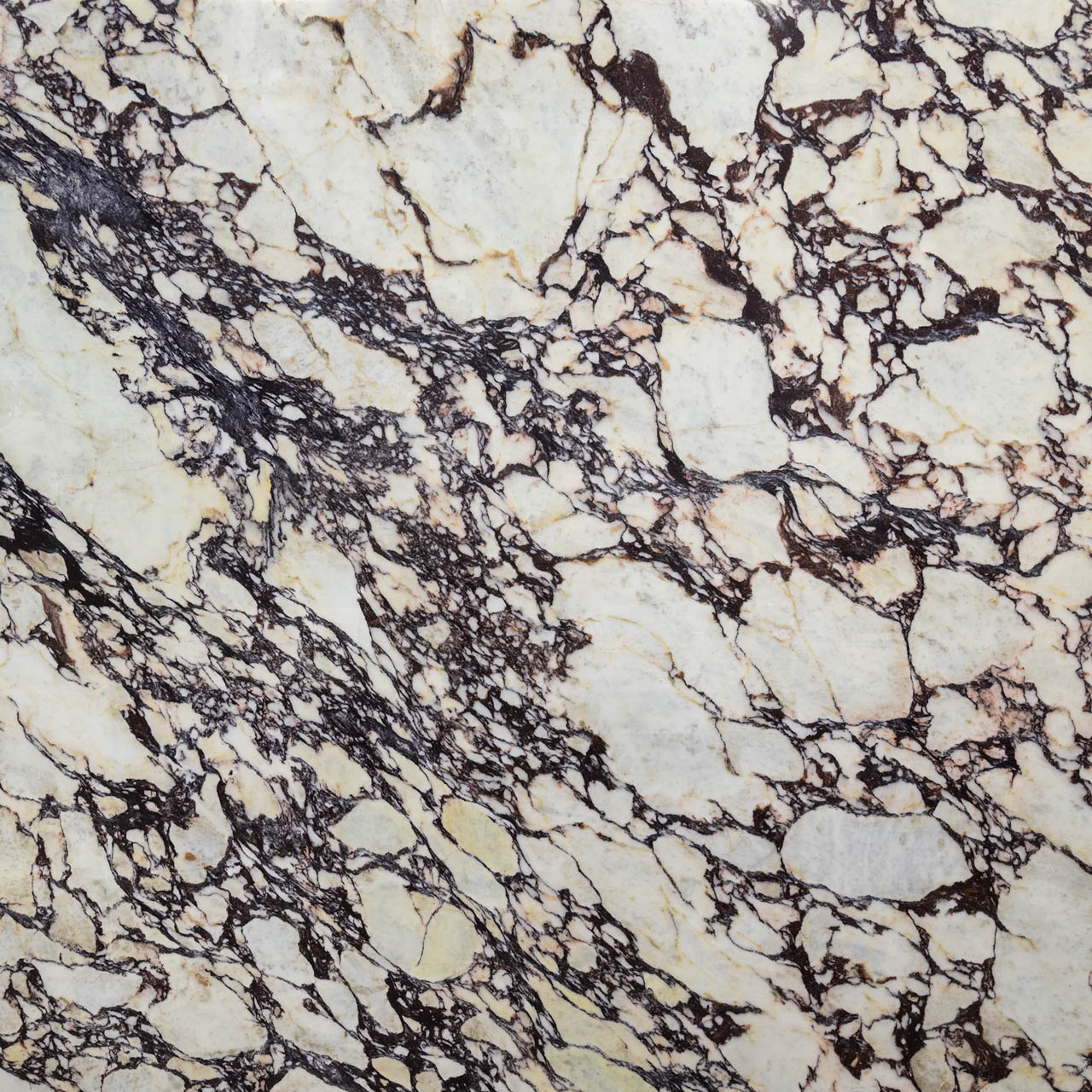
Calacatta Viola Marble Slab Marble
Calacatta Viola: The Masterpiece of Italian Elegance
Experience the breathtaking drama of Calacatta Viola, a marble that transcends simple surfacing to become a focal point of high-end architectural design. Known for its creamy white background interlaced with bold, deep burgundy and violet veining, this natural stone offers a sophisticated "brecciated" look that has been favored by designers since the Roman era.
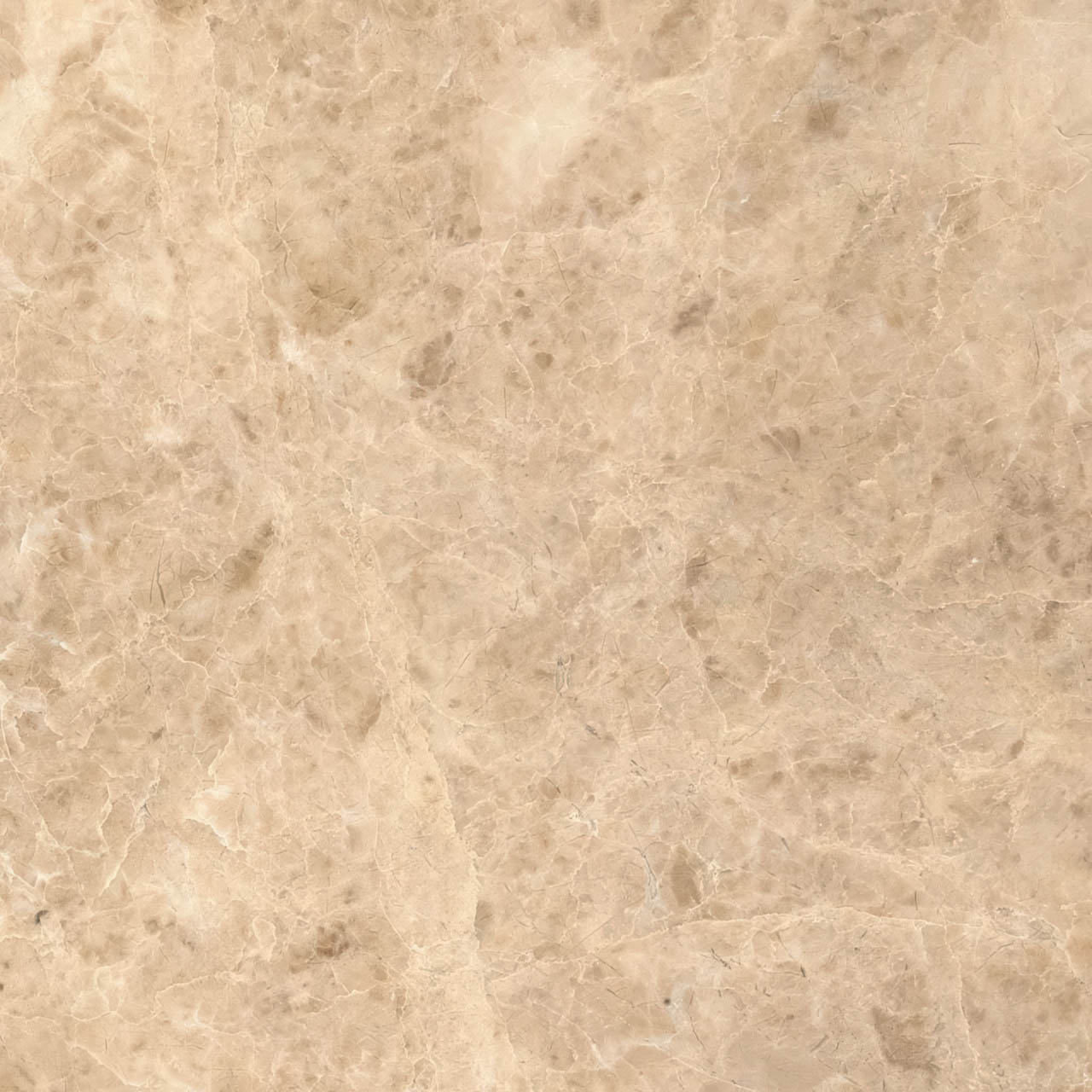
Cappuccino Beige Marble Slab Marble
Cappuccino Beige Marble: The Warmth of Nature, Reimagined
Elevate your architectural and interior design projects with Cappuccino Beige, a premium natural stone celebrated for its creamy, earth-toned hues and delicate veining. Characterized by its soft beige base and intricate cloud-like patterns, this marble brings an immediate sense of luxury and organic serenity to any space.
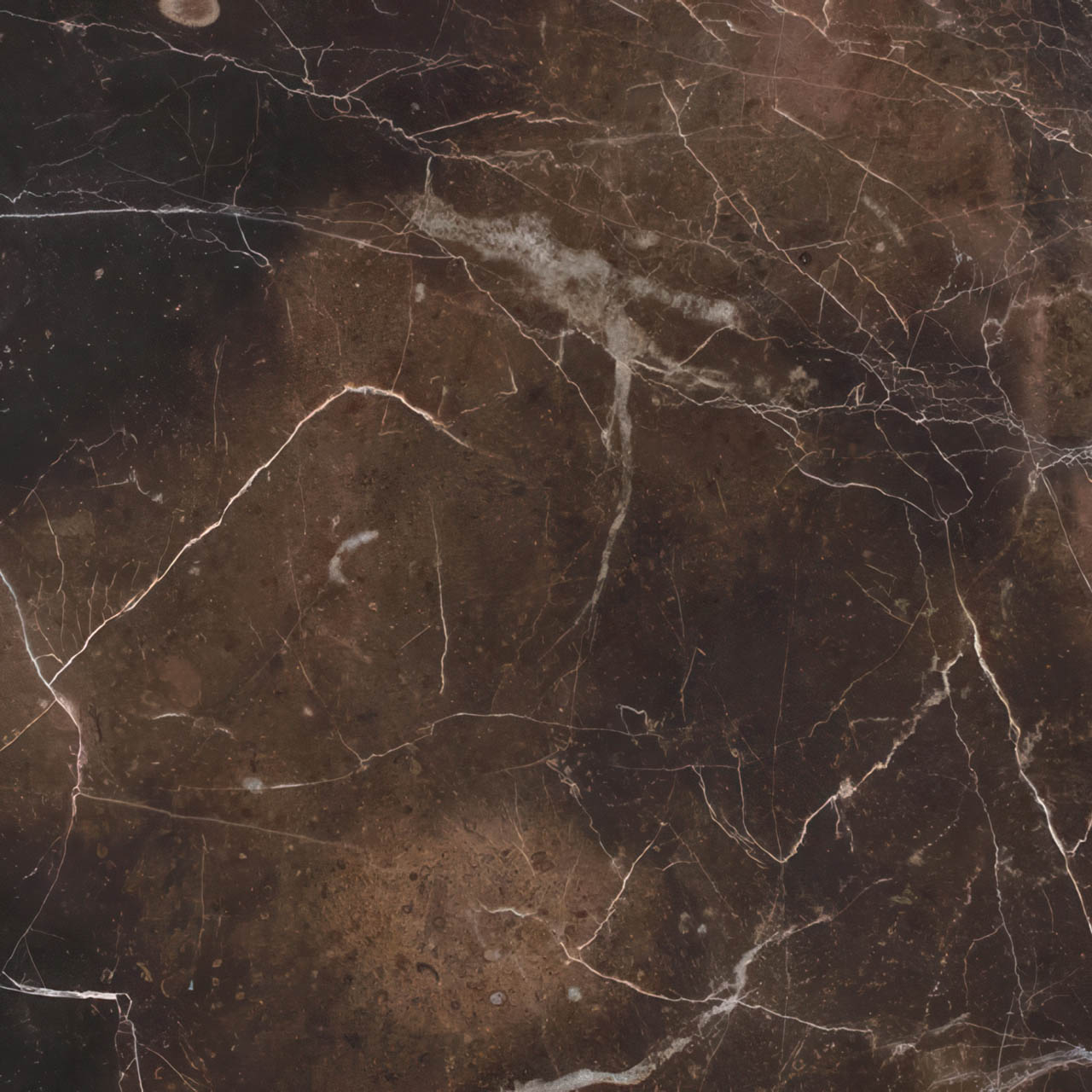
Dark Emperador Marble Slab Marble
Dark Emperador Marble: The Epitome of Timeless Luxury
Dark Emperador marble is a sophisticated natural stone defined by its rich, deep brown tones and intricate, light-colored veining. Originating from the heart of premium quarries, this marble has long been a favorite for those seeking to infuse spaces with a sense of warmth, grandeur, and prestige. Its spider-web-like patterns of white and gold veins create a visual depth that is both dramatic and inviting.
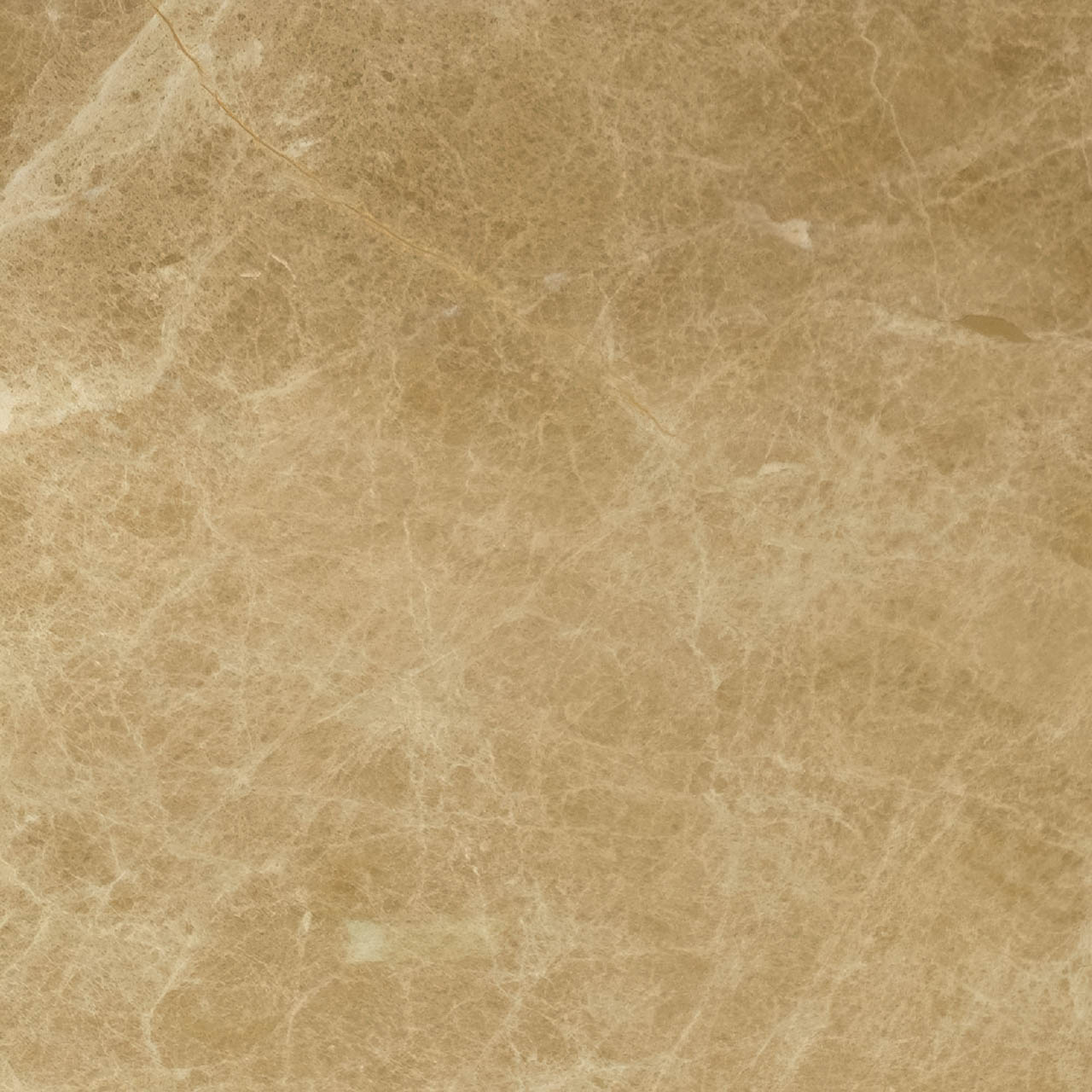
Light Emperador Marble Slab Marble
Light Emperador Marble: Timeless Elegance Meets Modern Engineering
Few materials command a room quite like Light Emperador. Renowned for its warm honey tones, creamy beige spider-veining, and sophisticated depth, this classic Spanish marble is a staple of luxury architecture. Whether you are aiming for a traditional sanctuary or a sleek, contemporary statement, Light Emperador offers a versatile palette that radiates natural warmth.
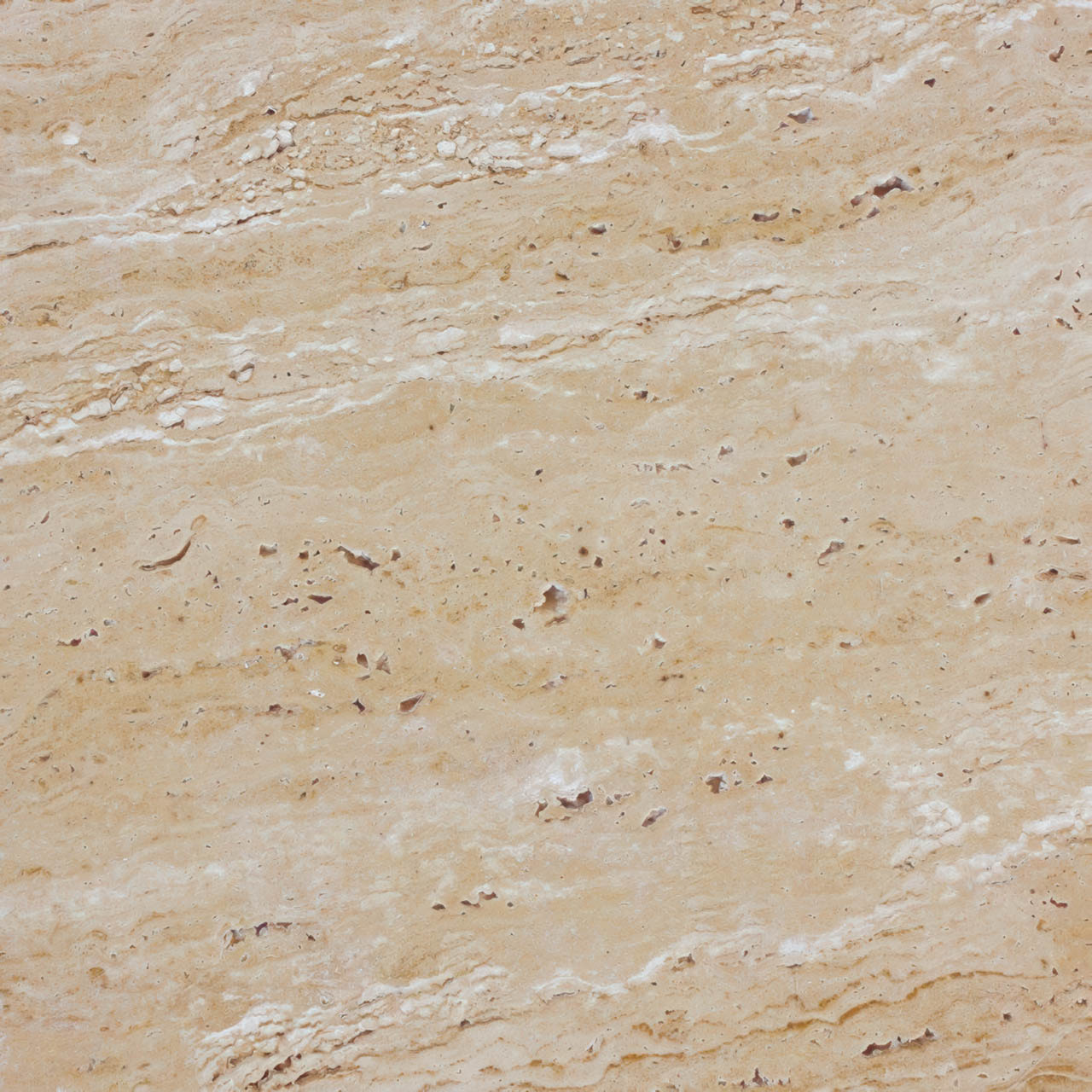
Medium Travertine Marble Slab Marble
Medium Travertine Marble; Elevate Your Design: The Timeless Versatility of Medium Travertine
Medium Travertine is more than just a building material; it is a bridge between the raw beauty of nature and the refined precision of modern architecture. Known for its warm, earthy hues and characteristic pitted texture, this natural stone brings an organic, sophisticated feel to any environment.

Milas Lemony Marble Slab Marble
Milas Lemony Marble: The Golden Standard of Turkish Marble
Milas Lemony marble is a prestigious natural stone that brings a touch of Mediterranean warmth and timeless elegance to any architectural project. Renowned for its soft, buttery undertones and delicate veining, this marble is the ultimate choice for those seeking a balance between classic luxury and modern versatility.
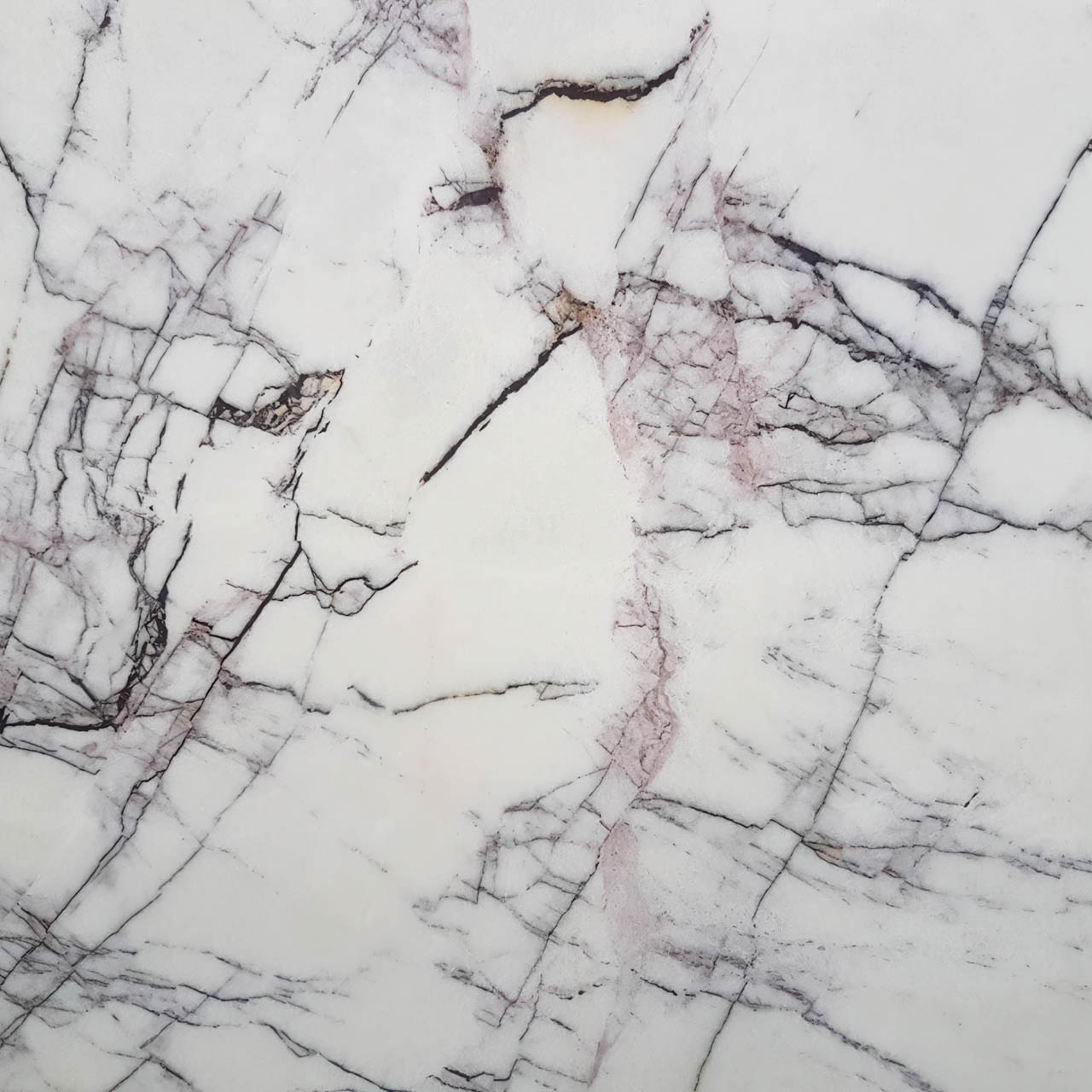
Milas Lilac Marble Slab Marble
Elevate Your Design with Milas Lilac Marble: Timeless Elegance Meets Modern Engineering
The Milas Lilac Marble is a masterpiece of nature, characterized by its striking white background interlaced with dramatic, deep purple and lilac veining. Sourced from the heart of Turkey, this stone is a favorite among architects and designers looking to make a sophisticated, bold statement.
Whether you are designing a high-end residential kitchen or a sleek commercial facade, our Milas Lilac selection offers the perfect balance of aesthetic beauty and technical versatility.
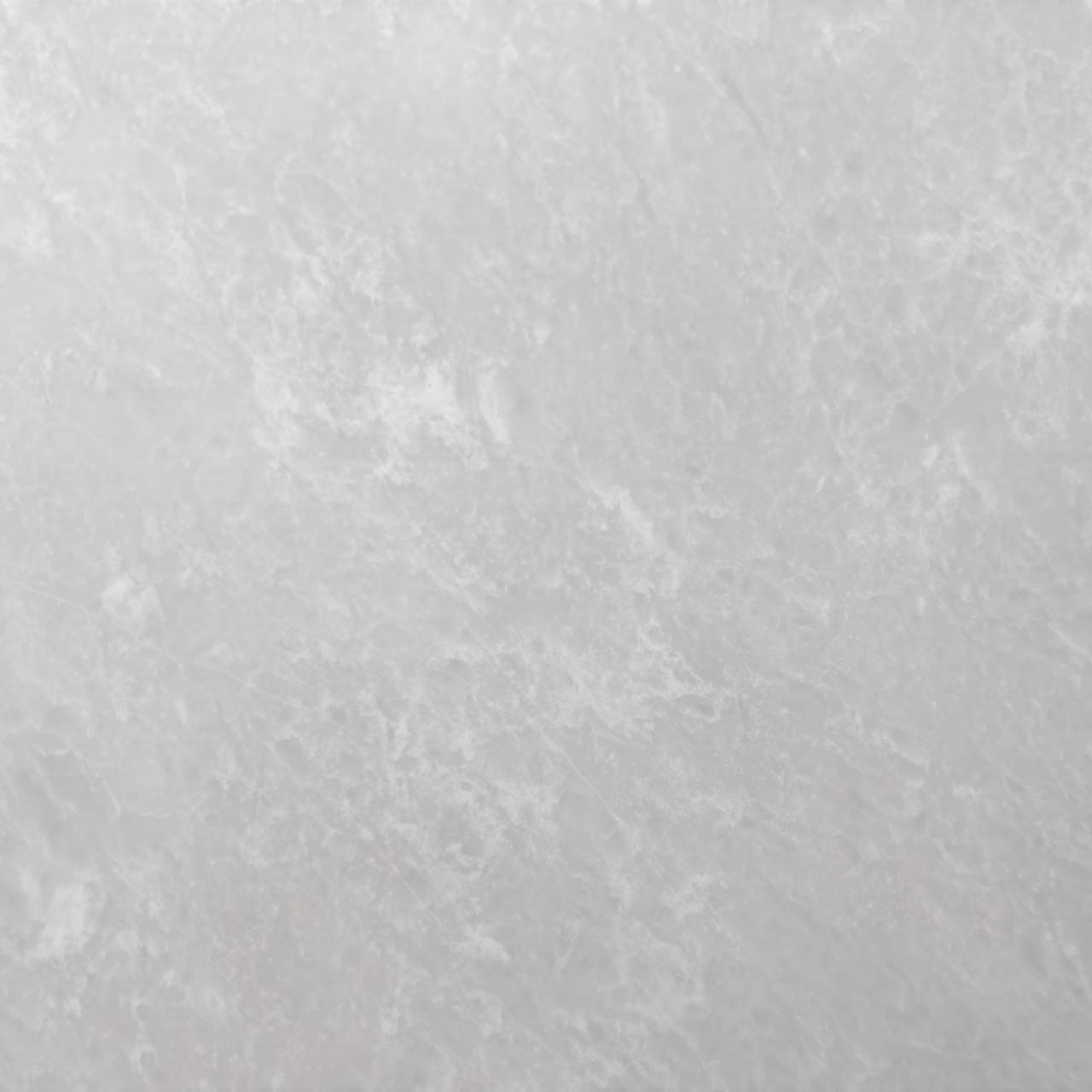
Milas Pearl Marble Slab Marble
Milas Pearl Marble: The Epitome of Translucent Elegance
Elevate your architectural vision with Milas Pearl, a premium natural stone celebrated for its luminous white base and delicate, cloud-like veining. Sourced from the prestigious quarries of Turkey, this marble offers a sophisticated, minimalist aesthetic that harmonizes perfectly with both classic and ultra-modern interiors.
Whether you are designing a high-traffic commercial lobby or a bespoke piece of furniture, Milas Pearl provides the versatility and durability required for high-end applications.
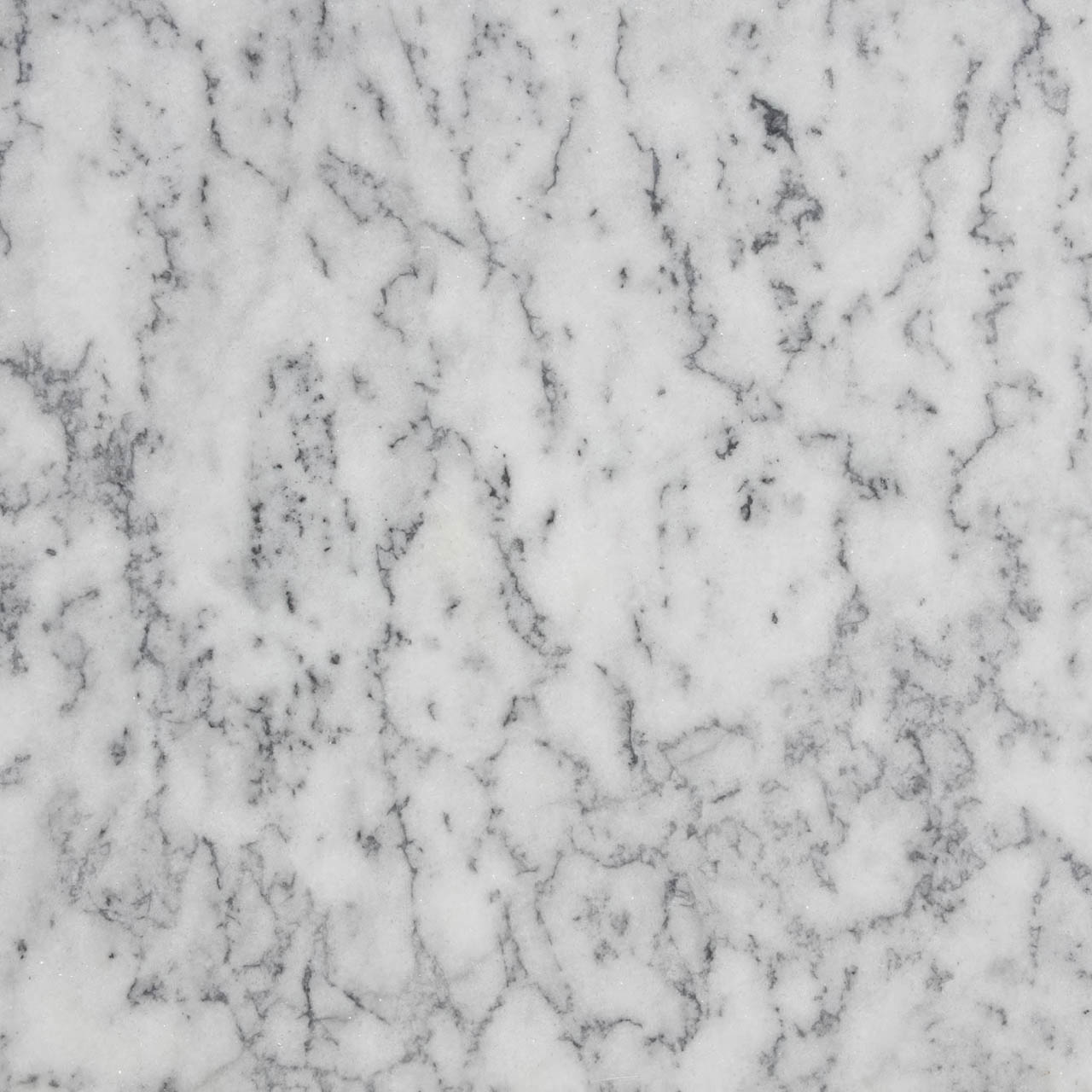
Mugla Antelope Marble Slab Marble
Mugla Antelope Marble: The Pinnacle of Turkish Elegance
Elevate your architectural vision with Mugla Antelope Marble, a premium natural stone that strikes the perfect balance between timeless tradition and contemporary sophistication. Characterized by its luminous white base and intricate, smoky-grey veining, this marble offers a rhythmic aesthetic that echoes the graceful movements of its namesake.
Whether you are designing a high-traffic commercial space or a curated private residence, Mugla Antelope provides a versatile canvas that adapts to any design language.
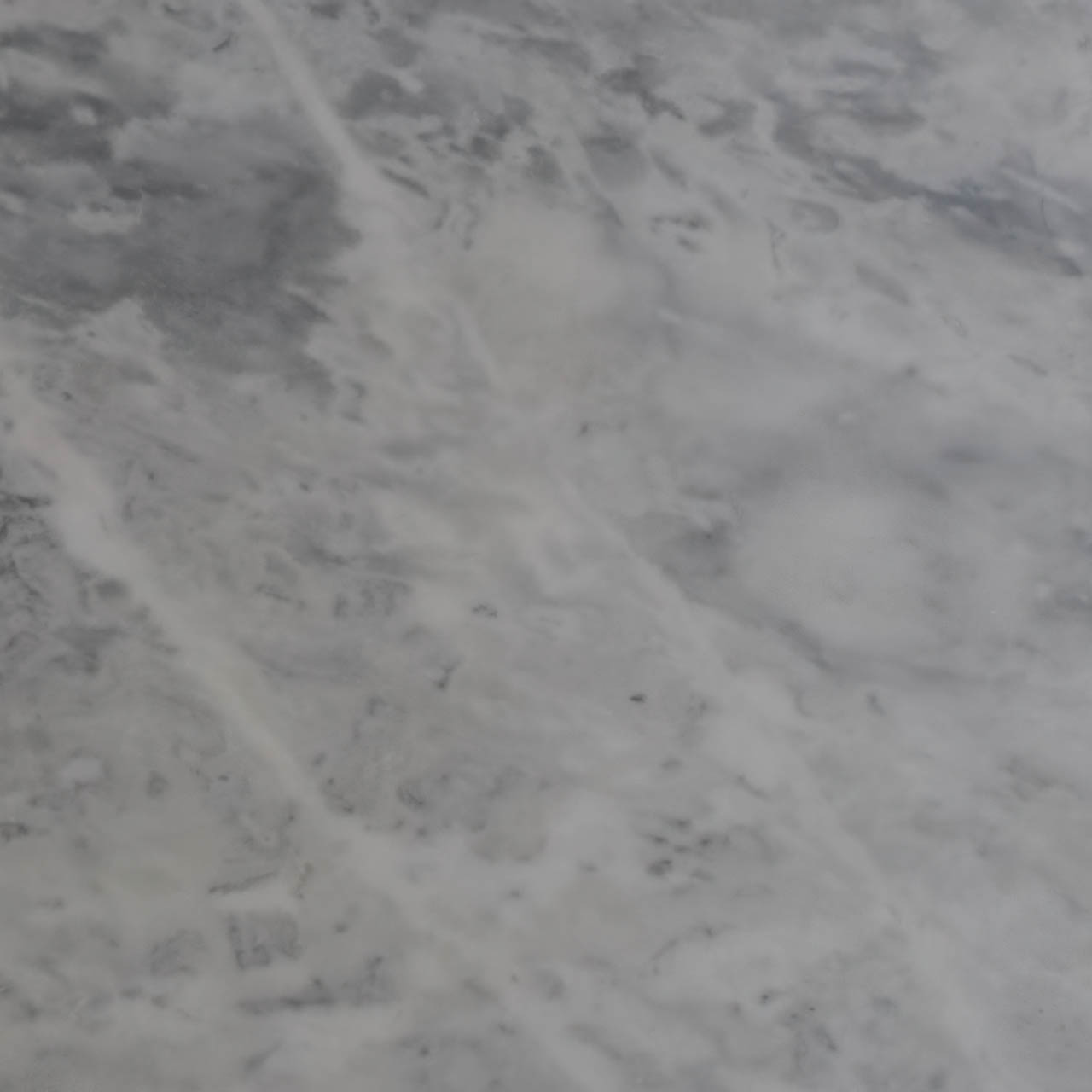
Mugla Gray Marble Slab Marble
Muğla Gray Marble: Timeless Elegance Meets Modern Engineering
Elevate your architectural vision with Muğla Gray Marble, a premier natural stone celebrated for its sophisticated cool tones and versatile veining. Sourced from the heart of Turkey, this marble is a staple for designers who demand a balance of classical beauty and contemporary durability.

Rosso Laguna Marble Slab Marble
Rosso Laguna Marble: The Art of Dramatic Stone
Captured in the deep, rhythmic pulses of Turkish quarries, Rosso Laguna Marble is more than just a surface—it is a masterpiece of geological history. Characterized by its intense, wine-red background and striking white-to-grey veining, this marble offers a bold aesthetic that commands attention in any architectural setting.
Whether you are looking for classic slab flooring or cutting-edge ultralight cladding, our Rosso Laguna collection combines raw natural beauty with precision engineering.
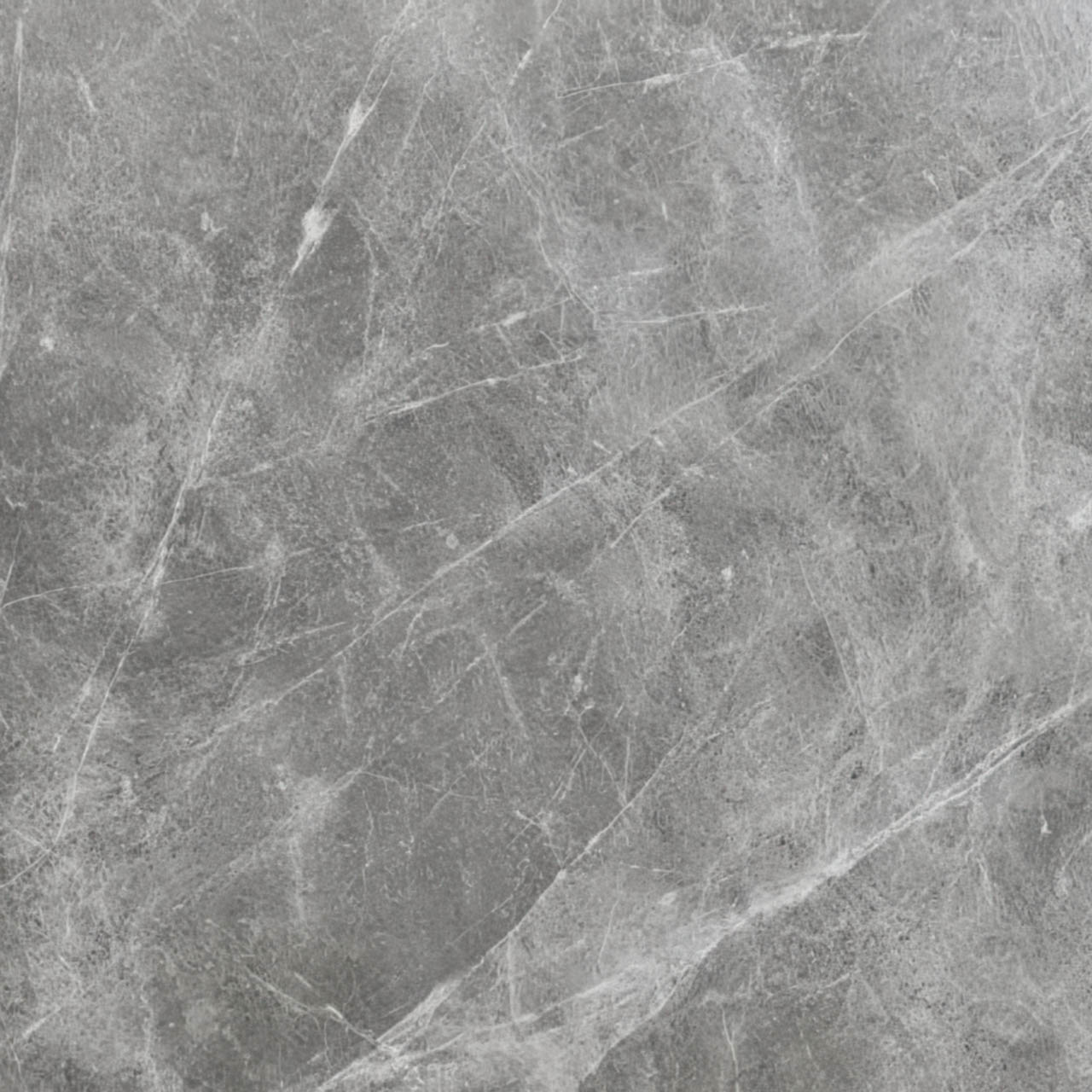
Space Gray Marble Slab Marble
Elevate Your Design: The Versatile Elegance of Space Gray Marble
Experience the perfect fusion of industrial cool and natural luxury with our Space Gray Marble. Characterized by its deep, smoky canvas and intricate, web-like white veining, this marble is a premier choice for architects and designers seeking a sophisticated, contemporary aesthetic.
Whether you are looking for classic flooring or cutting-edge ultralight cladding, our Space Gray collection offers the technical versatility to bring any vision to life.
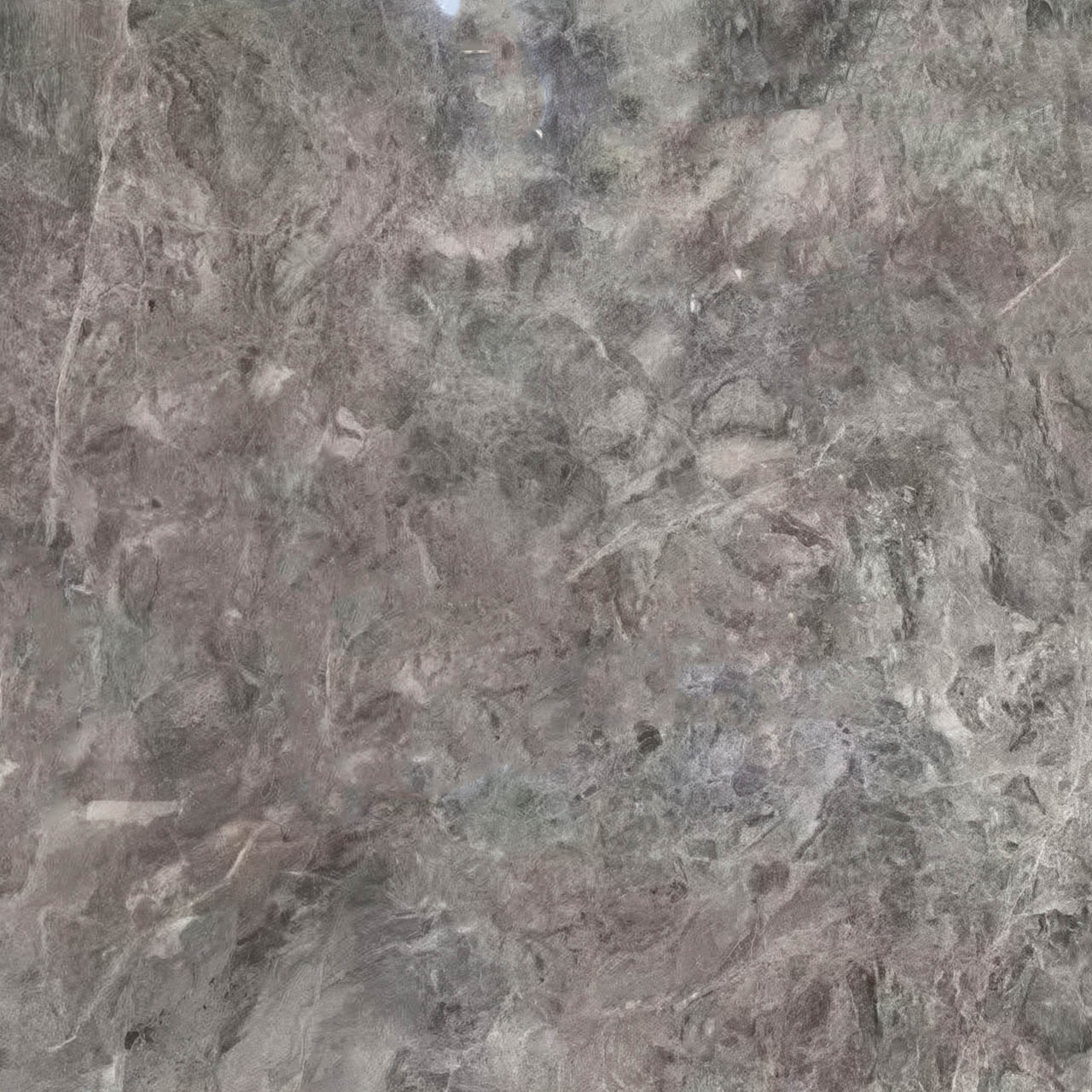
Tavas Gray Marble Slab Marble
Elevate Your Design with Tavas Gray: The Pinnacle of Natural Stone Versatility
Experience the moody, sophisticated depths of Tavas Gray, a premium natural marble that blends raw geological power with contemporary elegance. Characterized by its smoky charcoal base and intricate, frost-like veining, Tavas Gray is more than just a surface—it is a statement of enduring style.
Whether you are looking for classic flooring or cutting-edge architectural cladding, our Tavas Gray collection offers the perfect marriage of aesthetic beauty and technical precision.

Ushak White Marble Slab Marble
Ushak White Marble: The Epitome of Timeless Elegance
Ushak White marble is a masterclass in understated luxury. Known for its soft, cloud-like veining and a luminous white base that captures light beautifully, this natural stone is a staple for those seeking a clean, sophisticated aesthetic. Whether you are designing a high-end residential kitchen or a sprawling commercial lobby, Ushak White offers a versatile palette that complements both classic and ultra-modern interiors.
Aegean Cloudy Beige Marble Block Marble
Aegean Cloudy Beige: The Timeless Elegance of Natural Stone
Experience the perfect harmony of nature and sophisticated design with Aegean Cloudy Beige marble. Characterized by its soft, cream-toned base and ethereal, cloud-like veining, this premium stone offers a warm, Mediterranean aesthetic that elevates any space from ordinary to extraordinary.
Aegean Silver Marble Block Marble
Aegean Silver: The Epitome of Modern Elegance in Natural Stone
Aegean Silver marble represents a sophisticated fusion of timeless natural beauty and contemporary versatility. Characterized by its ethereal grey palette and intricate, cloud-like veining, this stone captures the cool, serene essence of the Mediterranean. Whether you are designing a high-traffic commercial space or a bespoke piece of luxury furniture, Aegean Silver offers a neutral yet striking foundation that elevates any architectural vision.
Black Pearl Marble Block Marble
Black Pearl Marble: The Epitome of Dark Elegance and Versatility
Black Pearl Marble is a masterpiece of nature, characterized by its deep, obsidian-like backdrop and delicate, crystalline white veining. This natural stone offers a sophisticated aesthetic that serves as the perfect canvas for both classic and contemporary design. Whether used as a bold architectural statement or a refined furniture accent, Black Pearl brings an air of timeless luxury to any space.
Burdur Beige Marble Block Marble
Burdur Beige Marble: Timeless Elegance in Every Grain
Burdur Beige marble is a hallmark of Turkish natural stone, celebrated globally for its creamy, warm undertones and sophisticated vein structure. It offers a perfect balance between classic luxury and modern minimalism, making it a favorite for architects and interior designers alike.
Calacatta Viola Marble Block Marble
Calacatta Viola: The Masterpiece of Italian Elegance
Experience the breathtaking drama of Calacatta Viola, a marble that transcends simple surfacing to become a focal point of high-end architectural design. Known for its creamy white background interlaced with bold, deep burgundy and violet veining, this natural stone offers a sophisticated "brecciated" look that has been favored by designers since the Roman era.
Cappuccino Beige Marble Block Marble
Cappuccino Beige Marble: The Warmth of Nature, Reimagined
Elevate your architectural and interior design projects with Cappuccino Beige, a premium natural stone celebrated for its creamy, earth-toned hues and delicate veining. Characterized by its soft beige base and intricate cloud-like patterns, this marble brings an immediate sense of luxury and organic serenity to any space.